

Introduction
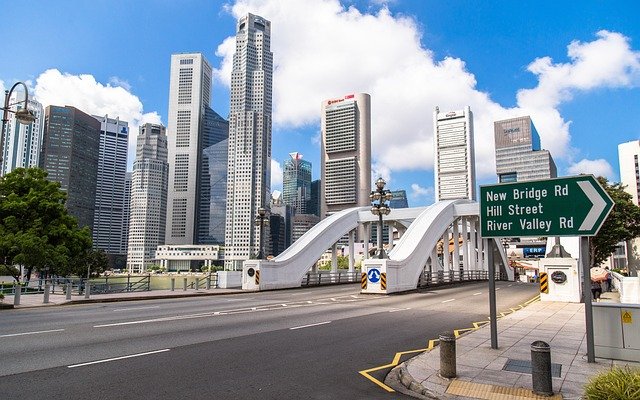
Singapore, often known as the Lion City, is a small island nation that blends modern sophistication with deep-rooted traditions. Despite being one of the most cosmopolitan and technologically advanced countries in the world, Singapore still values its cultural heritage. This cultural richness is a result of the harmonious coexistence of multiple ethnic groups, primarily Chinese, Malay, Indian, and Eurasian communities.
Understanding local customs in Singapore is essential for anyone planning to visit, live, or work here. It not only shows respect but also helps you connect more meaningfully with locals. From simple greetings to religious practices, every aspect of daily life reflects the country’s emphasis on harmony and mutual respect.
1. Multicultural Harmony: The Foundation of Singaporean Society
One of Singapore’s most defining characteristics is its cultural diversity. The government actively promotes racial harmony through events like Racial Harmony Day and policies that encourage multicultural interaction.
Each community brings its own traditions:
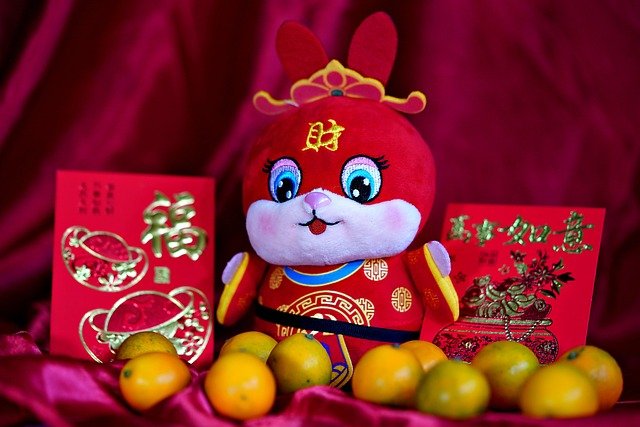
- The Chinese celebrate Chinese New Year with red decorations, lion dances, and family reunions.
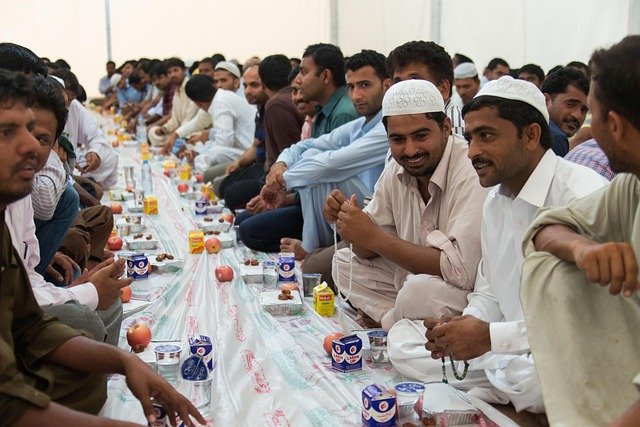
- The Malays observe Hari Raya Aidilfitri with open houses and festive feasts.
- The Indians light up the streets for Deepavali (Diwali) with colorful lamps and sweets.
- The Eurasians celebrate Christmas with family gatherings and festive meals.
As a visitor, it’s important to be open-minded and respectful toward all faiths and cultural practices. Singaporeans take pride in maintaining peace among different ethnic groups — it’s what makes their society unique.

- Crafted with precision, our premium flag lapel pins feature vibrant details, capturing the true essence of each nation.
- Measuring a perfect 1" wide x 0.9" high, these pins showcase elegant designs that proudly represent countries worldwide.
- Whether for formal events or casual outings, these adaptable pins bring a touch of style to any outfit, whether on lapel...
2. Greeting Etiquette: Respect Comes First
When greeting someone in Singapore, the style depends on their cultural background:
- Chinese Singaporeans may greet with a simple handshake or nod.
- Malay Singaporeans often greet by lightly touching the other person’s hands and then bringing them to the chest, symbolizing sincerity.
- Indian Singaporeans might greet with the traditional Namaste gesture, palms pressed together with a slight bow.
Regardless of culture, a smile and polite tone always go a long way. Avoid physical contact like hugging or patting the back unless you know the person well — Singaporeans generally prefer modest interactions in public.
3. Dining Etiquette: The Art of Eating Together
Food is at the heart of Singaporean culture. The country’s famous hawker centers — open-air food courts with affordable local dishes — are social hubs where people from all walks of life mingle.
Here are a few dining customs to remember:
- Wait for elders to start eating before you do.
- Use your right hand when eating with your hands, especially in Malay or Indian settings, as the left hand is considered unclean.
- Avoid sticking chopsticks upright into a bowl of rice — it resembles incense sticks used in funerals and is seen as bad luck.
- Do not waste food. Singaporeans value sustainability and cleanliness.
When dining at someone’s home, it’s courteous to bring a small gift, such as sweets or fruits, to show appreciation.

Embark on a mouthwatering journey through the vibrant streets and sizzling kitchens of Southeast Asia, where tradition meets creativity in every bite. Noodle Bowls and Burgers: A Southeast Asian Fusion Adventure celebrates the bold flavors, colorful cultures, and inventive spirit of the region’s food scene.
From spicy noodle soups of Thailand to savory street-side burgers reinvented with Vietnamese, Filipino, and Malaysian twists, this book takes readers on an unforgettable culinary adventure. Each chapter blends cultural insights, travel stories, and irresistible recipes that fuse East and West—perfect for food lovers, travelers, and anyone who craves something exciting and new on their plate.
Whether you're an adventurous home cook or a curious traveler looking to relive the tastes of Bangkok, Ho Chi Minh City, or Bali, this book invites you to explore the delicious harmony between comfort food and exotic spice.
✨ Inside you’ll discover:
Authentic stories behind Southeast Asia’s most beloved street foods
Easy-to-follow fusion recipes inspired by local favorites
Food culture insights and travel anecdotes from across the region
Tips for recreating Asian flavors in your own kitchen
Get ready to slurp, savor, and spice up your kitchen with Noodle Bowls and Burgers—where every recipe tells a story, and every story leaves you hungry for more.
4. Religious and Cultural Sensitivity
Singapore is home to various religions, including Buddhism, Islam, Hinduism, and Christianity. As such, religious tolerance and respect are deeply ingrained in society.
If you visit religious sites like Buddhist temples, mosques, or Hindu shrines, here are some tips:
- Dress modestly and remove your shoes before entering.
- Avoid pointing your feet at religious objects or people.
- Always ask before taking photos, especially during prayers or rituals.
During major festivals, you’ll see locals observing fasting periods or specific rituals. For instance, Muslims fast during Ramadan, while Hindus participate in the colorful Thaipusam festival. Showing curiosity and respect toward these traditions is always appreciated.
5. Social Behavior and Public Etiquette
Singapore is famous for its cleanliness, order, and strict laws. While some of these may seem unusual to foreigners, they play a big role in keeping the city safe and harmonious.
Here are a few social norms to keep in mind:
- No littering, spitting, or jaywalking — fines are hefty for these offenses.
- No chewing gum in public; its import and sale are restricted to medical use.
- Respect personal space — Singaporeans value privacy and avoid loud public behavior.
- Queue patiently — whether at bus stops or hawker centers, cutting in line is frowned upon.
Being courteous and considerate in public is seen as a reflection of good upbringing.
6. Gift-Giving Traditions
Gift-giving in Singapore follows certain cultural sensitivities:
- Avoid giving clocks or white flowers to Chinese Singaporeans, as they symbolize funerals.
- Refrain from giving alcohol or pork products to Malay Muslims.
- Use both hands when giving or receiving gifts as a sign of respect.
When presenting gifts, don’t expect the recipient to open them immediately — it’s polite to do so later to avoid appearing greedy or disrespectful.
7. Business Etiquette: Balancing Professionalism and Respect
Singapore is a major business hub in Asia, and professionalism is taken seriously. However, cultural etiquette still plays an important role in building trust.
- Punctuality is crucial; being late is seen as disrespectful.
- Exchange business cards with both hands and take a moment to read the other person’s card before putting it away.
- Address people by their titles (Mr., Mrs., Dr.) unless invited to use first names.
- Avoid overly aggressive negotiation tactics — diplomacy and patience are valued.
Respect and humility often open more doors than assertiveness in Singapore’s business culture.

8. Festivals and Celebrations: A Year-Round Cultural Extravaganza
Singapore’s calendar is filled with celebrations reflecting its diverse heritage. Here are some highlights:
- Chinese New Year (January/February): Streets light up with red lanterns and dragon dances.
- Hari Raya Aidilfitri (After Ramadan): Malay homes open their doors to guests for festive meals.
- Deepavali (October/November): Little India glows with oil lamps and colorful decorations.
- Vesak Day (May): Buddhists celebrate the birth, enlightenment, and death of Buddha.
- National Day (August 9): A patriotic celebration with parades, fireworks, and music.
Joining in these celebrations gives visitors a genuine taste of local warmth and unity.
9. Environmental Awareness: A Modern Custom
Singapore’s cleanliness isn’t just due to strict laws — it’s also a cultural value. Locals take pride in their green city, and sustainability is becoming a social norm.
You’ll notice people carrying reusable bottles, sorting recyclables, and avoiding single-use plastics. Even public campaigns like “Keep Singapore Clean” have become part of the national identity.
Being environmentally responsible is now a modern Singaporean custom — a reflection of civic pride and collective responsibility.
Conclusion
Singapore’s customs may vary across its communities, but they all share a common thread — respect. Whether it’s respect for elders, other religions, the environment, or the law, this principle underpins the country’s peaceful and prosperous society.
By understanding and observing local customs in Singapore, visitors can truly appreciate what makes this small nation so remarkable — its ability to blend tradition and modernity in perfect harmony.
So, when you walk through the vibrant streets of Chinatown, Little India, or Kampong Glam, remember: every smile, gesture, and custom is part of the beautiful cultural mosaic that is Singapore. Thanks for reading.
Thinking of visiting Siem Reap? Well read our last poste titled “An Overview of Siem Reap”
Check out our online shop.


Pingback: Singapore Cuisine: A Complete 2026 Guide to the Flavors, Dishes, and Food Culture of Singapore - Living in Southeast Asia