Cambodia is a land steeped in ancient traditions, Buddhist rituals, and colorful celebrations that reflect its deep cultural roots. Throughout the year, locals and travelers alike can experience festivals that honor ancestors, celebrate the harvest, and mark the Khmer New Year with joy and unity.
Whether you’re exploring Angkor Wat, wandering through Phnom Penh, or discovering small rural villages, you’ll find that festivals are the heartbeat of Cambodian life — a time when spirituality, music, dance, and food blend in perfect harmony.
In this post, we’ll dive into the most famous Cambodian festivals, their origins, and what you can expect when attending one.
The Cultural Significance of Cambodian Festivals
Festivals in Cambodia are more than just public holidays — they are a reflection of Khmer identity and Buddhist devotion. Many festivals follow the Khmer lunar calendar, which means dates can vary slightly each year.
Cambodian celebrations often combine elements of:
- Theravada Buddhism, practiced by around 95% of the population
- Ancient Hindu traditions, inherited from the Khmer Empire
- Folk customs and agricultural rituals, celebrating harvests and seasonal change
Every festival brings families together, strengthens community bonds, and honors both spiritual beliefs and local traditions.
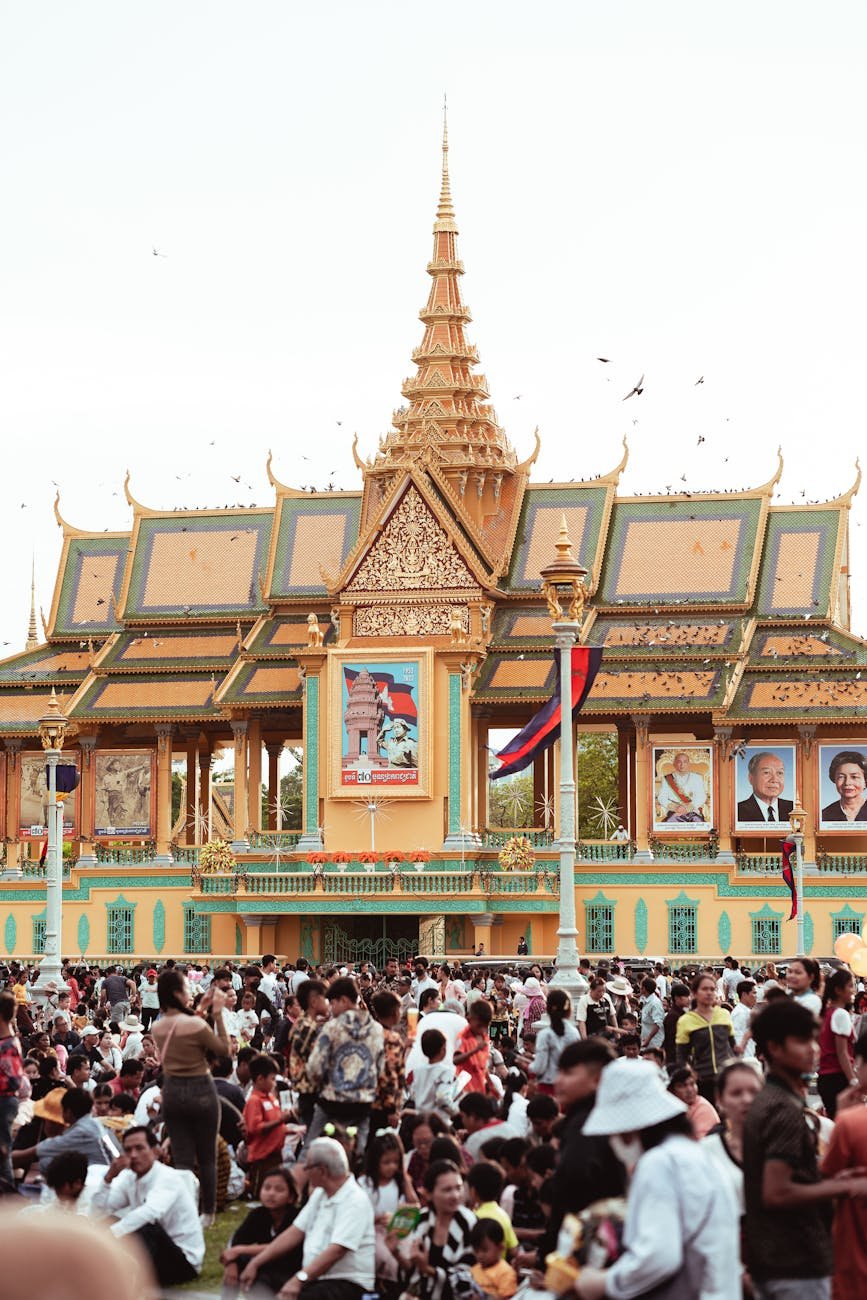
Major Festivals in Cambodia
Let’s explore Cambodia’s most important and colorful festivals celebrated throughout the year.
Khmer New Year (Chaul Chnam Thmey)
When: Mid-April
Where: Nationwide
Khmer New Year, or Chaul Chnam Thmey, is the most important festival in Cambodia. It marks the end of the harvest season and the beginning of the new year according to the Khmer lunar calendar.
For three days, cities and villages across Cambodia come alive with music, games, and water fights similar to Thailand’s Songkran festival. Homes are cleaned and decorated, families visit temples to make offerings, and everyone celebrates with traditional food, dancing, and laughter.
What to Expect:
- Locals throwing water and baby powder in good fun
- Traditional games like Chol Chhoung (throwing cloth balls)
- Visits to pagodas for blessings and prayers
Travel Tip: The weather can be hot and humid in April, so dress lightly and be prepared to get wet!
Pchum Ben (Festival of the Dead)
When: Usually in September or October
Where: Throughout Cambodia, especially in temples
Pchum Ben is one of the most spiritual festivals in Cambodia. It’s a time to honor deceased ancestors and loved ones. Cambodians believe that during these days, the spirits of the dead return to earth.
Families visit temples to offer rice, food, and prayers, ensuring their ancestors find peace. It’s a solemn yet beautiful celebration of remembrance and gratitude.
Fun Fact: Monks chant continuously during the 15 days of Pchum Ben, and the final three days are the most sacred.
Bon Om Touk (Water Festival)
When: November (usually coinciding with the full moon)
Where: Phnom Penh, Siem Reap, and major riverside towns
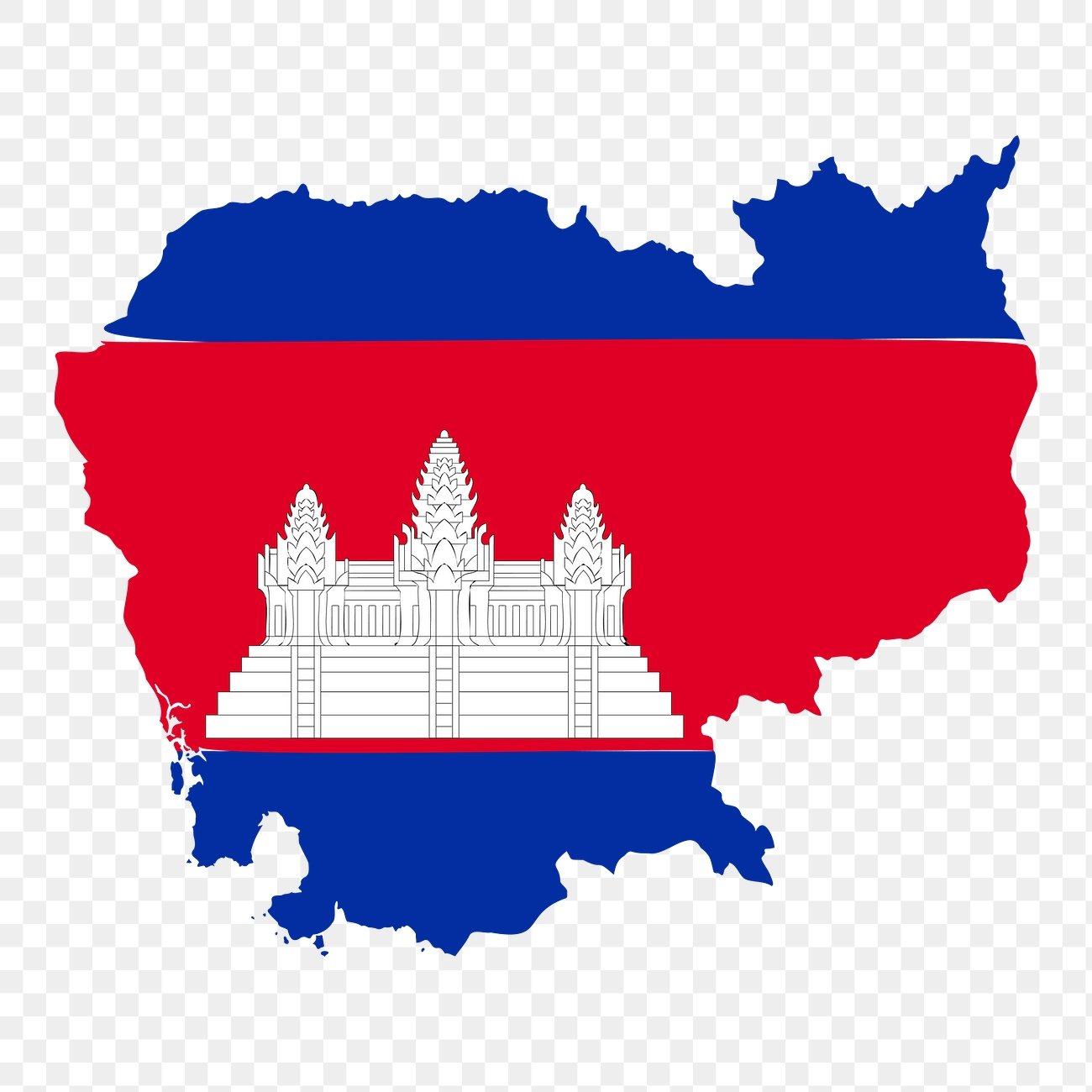
The Water Festival, or Bon Om Touk, is one of the most spectacular events in Cambodia. It celebrates the reversal of the Tonle Sap River’s flow, a unique natural phenomenon marking the end of the rainy season and the start of the fishing season.
Thousands gather along the rivers to witness boat races, fireworks, and floating lanterns that light up the night sky.
Highlights:
- Longboat races featuring teams from across the country
- Vibrant street fairs and food stalls
- Music, dancing, and fireworks on the riverfront
This festival symbolizes renewal, abundance, and national pride — it’s one event you won’t want to miss if you’re in Cambodia in November.
Visak Bochea (Buddha’s Birthday)
When: Usually in May (depends on the lunar calendar)
Where: All Buddhist temples
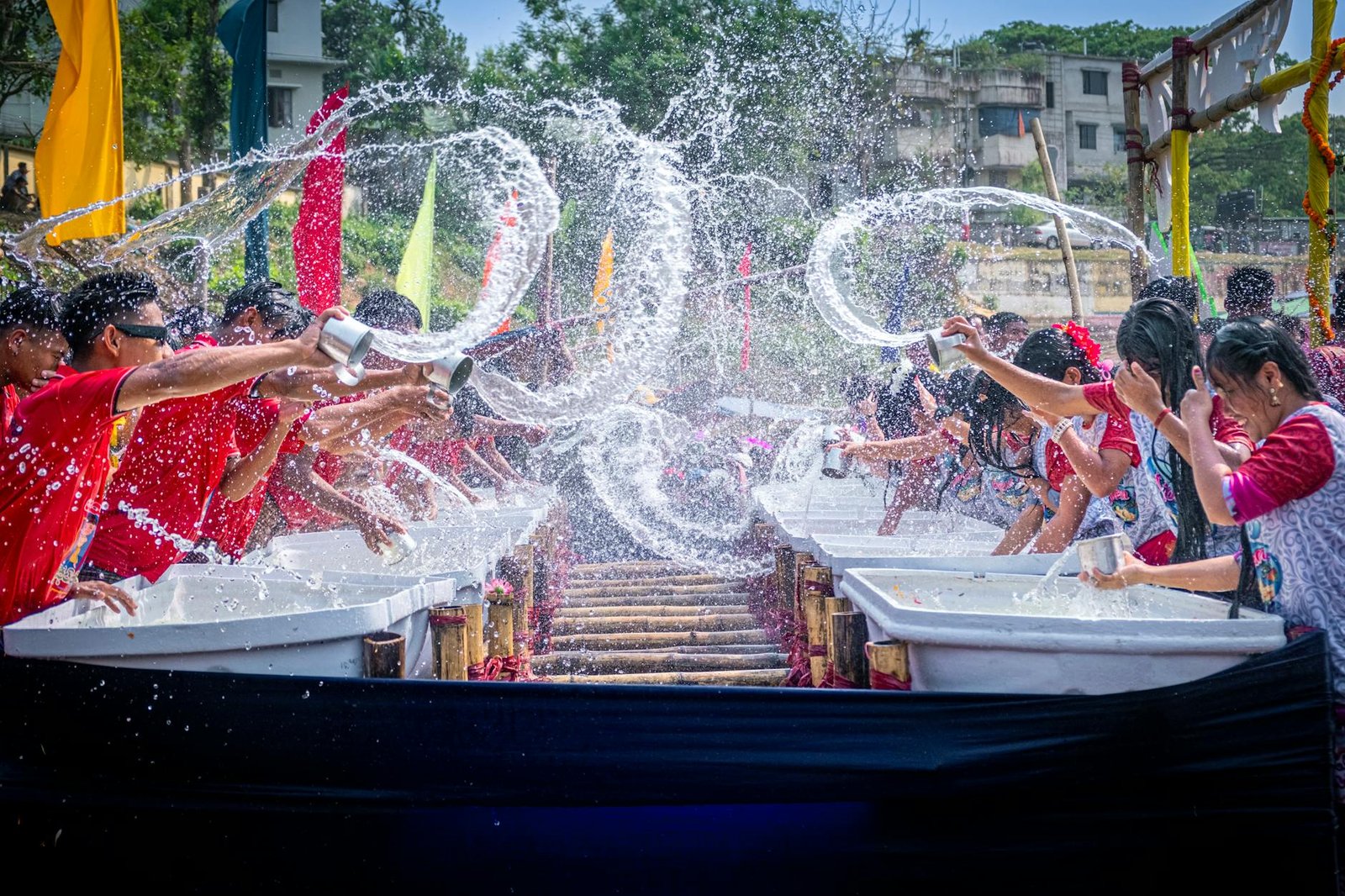
Visak Bochea commemorates the birth, enlightenment, and death of the Buddha. It’s one of the most important Buddhist holidays in Cambodia. Devotees gather at pagodas to offer candles, flowers, and prayers, while monks lead chanting ceremonies.
Unlike the water festivals, Visak Bochea is a quiet and spiritual observance, perfect for those seeking to experience Cambodia’s religious devotion.
Royal Ploughing Ceremony (Preah Reach Pithi Chrot Preah Neangkol)
When: May
Where: Phnom Penh, near the Royal Palace
The Royal Ploughing Ceremony marks the start of the rice-growing season. It’s a royal event where sacred oxen plough a ceremonial field, and priests interpret the results based on what the oxen eat — rice, grass, or water — to predict the agricultural prospects for the year.
It’s a unique mix of ancient tradition and royal pageantry, showing how Cambodia honors its agricultural heritage.
Meak Bochea Day
When: Usually in February
Where: Nationwide
Meak Bochea marks the day when 1,250 disciples gathered spontaneously to hear Buddha’s sermon. Monks and devotees gather in temples for prayers, candlelight processions, and meditation.
It’s a peaceful, reflective festival — a perfect opportunity to witness Cambodian Buddhist customs up close.
Angkor Festival
When: December
Where: Angkor Archaeological Park, Siem Reap
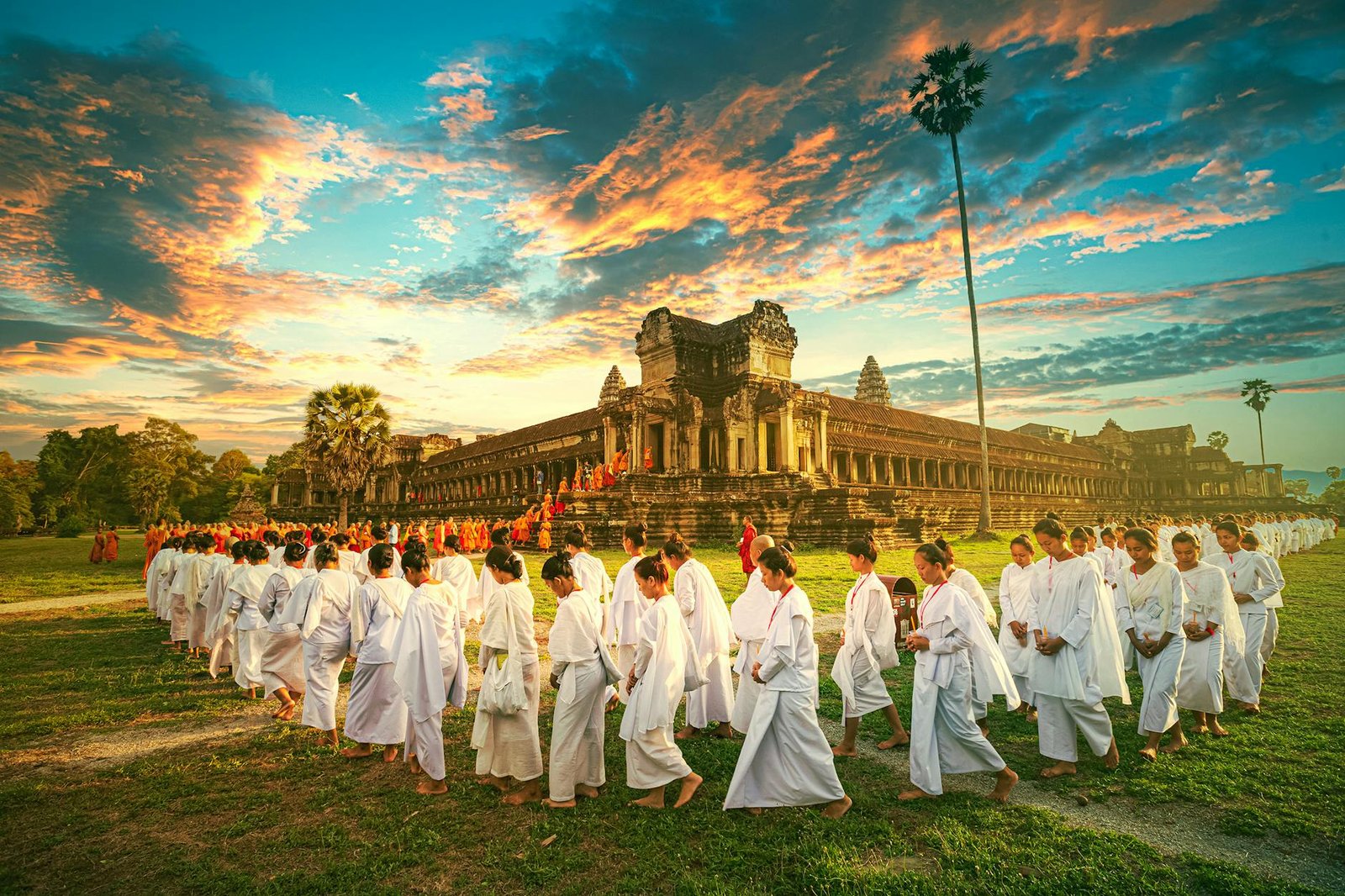
Held near the ancient temples of Angkor Wat, this festival celebrates Cambodia’s rich cultural heritage through performances, dances, and traditional music. It’s a visually stunning event that showcases Apsara dance, historical reenactments, and Khmer art.
Visitors can watch open-air performances under the stars with the iconic temples as a backdrop — a truly unforgettable experience.
Minor and Regional Festivals
While the major festivals draw large crowds, smaller regional celebrations offer authentic glimpses into local life. These include:
- Sea Festival in Sihanoukville or Kep, celebrating coastal tourism.
- Phnom Penh Marathon, blending fitness and charity.
- Rice Festival in Battambang, showcasing Cambodia’s agricultural roots.
Tips for Experiencing Festivals in Cambodia
- Check festival dates early – They vary every year based on the lunar calendar.
- Book accommodation in advance, especially during Bon Om Touk and Khmer New Year.
- Respect cultural norms – Dress modestly, especially in temples.
- Try local food stalls – Cambodian street food during festivals is delicious and affordable.
- Join respectfully – Locals welcome visitors, but always be polite and mindful during religious rituals.
Why Visit Cambodia During Festival Season?
Experiencing Cambodia during festival season allows travelers to see beyond temples and beaches. You’ll witness community spirit, centuries-old traditions, and genuine hospitality that make the country so special.
From the joyful water fights of Khmer New Year to the spiritual offerings of Pchum Ben, every festival tells a story about Cambodia’s past and present — one of resilience, faith, and unity.
If you’re planning a trip to Southeast Asia, time your visit to coincide with one of these incredible celebrations. It’s the best way to feel the true soul of Cambodia.
Also, if you are thinking about visiting the capital city of Phnom Penh, be sure to read this article.