Thai cuisine is one of the most celebrated in the world, known for its vibrant flavors, aromatic spices, and beautiful balance of sweet, sour, salty, and spicy. From the bustling street stalls of Bangkok to the seaside restaurants of Phuket, Thai food tells a story — one of culture, tradition, and the Thai way of life.
In this article, we’ll explore the history of Thai cuisine, the regional differences, the most popular Thai dishes, and how Thai food has gained global fame. Whether you’re a traveler, a foodie, or just curious about the flavors of Thailand, this guide will take you on a delicious journey through Thai gastronomy.
The History and Cultural Roots of Thai Cuisine
Thai cuisine’s history is as rich and colorful as the dishes themselves. It developed over centuries, influenced by neighboring countries such as China, India, Malaysia, and Indonesia, as well as by Western traders during the 17th century.
Originally, Thai food focused heavily on boiling, grilling, and stewing, with herbs and spices used to enhance flavor rather than mask it. When the Portuguese brought chili peppers from South America in the 1600s, they became a core part of Thai cooking — transforming the way Thais balanced heat with sweetness and acidity.
The blending of flavors is not random. Thai food is designed to create harmony in every bite, balancing five key taste profiles:
- Sweet (from palm sugar and coconut milk)
- Sour (from lime, tamarind, or vinegar)
- Salty (from fish sauce or soy sauce)
- Spicy (from chilies and pepper)
- Bitter (from certain herbs and vegetables)
This philosophy of balance is deeply rooted in Buddhist principles of moderation and mindfulness, reflecting the spiritual and cultural essence of Thailand.
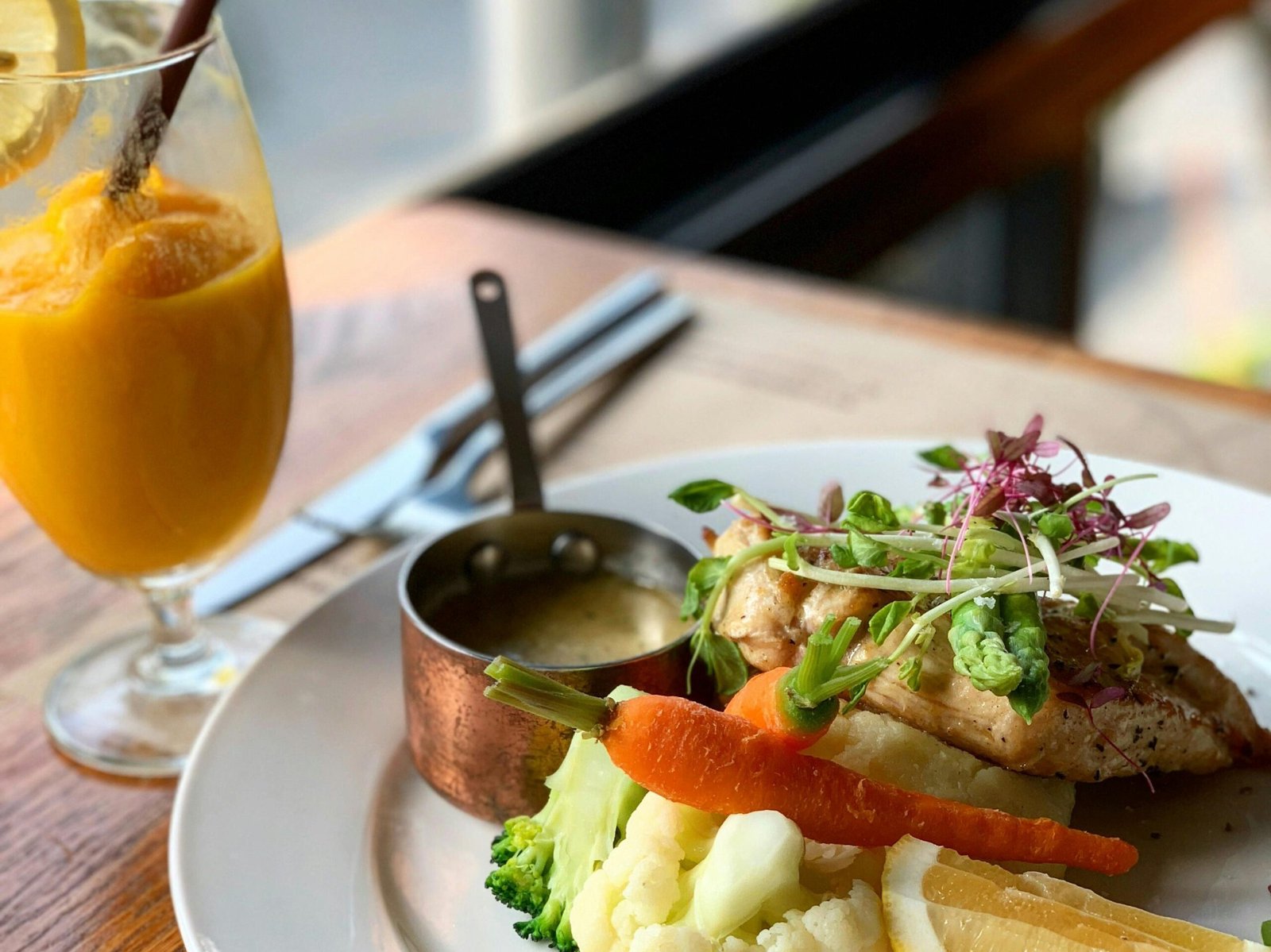
Regional Varieties of Thai Cuisine
Thailand’s geography and regional diversity give rise to distinct culinary styles across the country. Each region has its own unique flavor palette and signature dishes.
Central Thailand
Home to the capital, Bangkok, this region combines influences from all over the country. Central Thai cuisine is known for complex curries and fragrant rice dishes, often featuring coconut milk.
Popular dishes include Pad Thai, Tom Yum Goong (spicy shrimp soup), and Green Curry (Kaeng Khiao Wan).
Northern Thailand
Northern Thai cuisine is milder and less spicy than its southern counterpart. Sticky rice is the staple, and dishes often feature herbs instead of heavy spices.
Notable dishes include Khao Soi (a coconut curry noodle soup), Sai Ua (Northern Thai sausage), and Nam Prik Ong (a tomato-based chili dip).
Northeastern Thailand (Isaan)
Isaan cuisine is famous for its bold, spicy, and sour flavors. Sticky rice, grilled meats, and papaya salad dominate the menu.
Signature dishes include Som Tum (green papaya salad), Laab (spicy minced meat salad), and Gai Yang (grilled chicken).
Southern Thailand
Southern Thai food is influenced by Malay and Indian cuisines, using turmeric, curry paste, and coconut milk extensively.
The region’s proximity to the sea makes seafood dishes particularly popular. Try Massaman Curry, Khao Yam (rice salad), or Gaeng Tai Pla (fermented fish curry).
Each region’s cuisine reflects local ingredients, climate, and culture — making Thai food incredibly diverse and exciting.
Essential Ingredients in Thai Cooking
Thai food’s complexity lies in its fresh ingredients and careful layering of flavors. Some ingredients are found in nearly every Thai kitchen:
- Lemongrass – Adds citrusy freshness to soups and curries.
- Galangal – A root similar to ginger, used for earthy spice.
- Kaffir Lime Leaves – Provides a fragrant aroma.
- Thai Basil – Adds a peppery, slightly sweet flavor.
- Fish Sauce (Nam Pla) – Salty, umami-rich liquid used instead of salt.
- Palm Sugar – Natural sweetener balancing out heat and acidity.
- Coconut Milk – Adds creaminess to curries and desserts.
- Chilies – The heart of Thai heat, found in many forms.
These ingredients work together to create the balance and depth that define authentic Thai dishes.
Famous Thai Dishes You Must Try
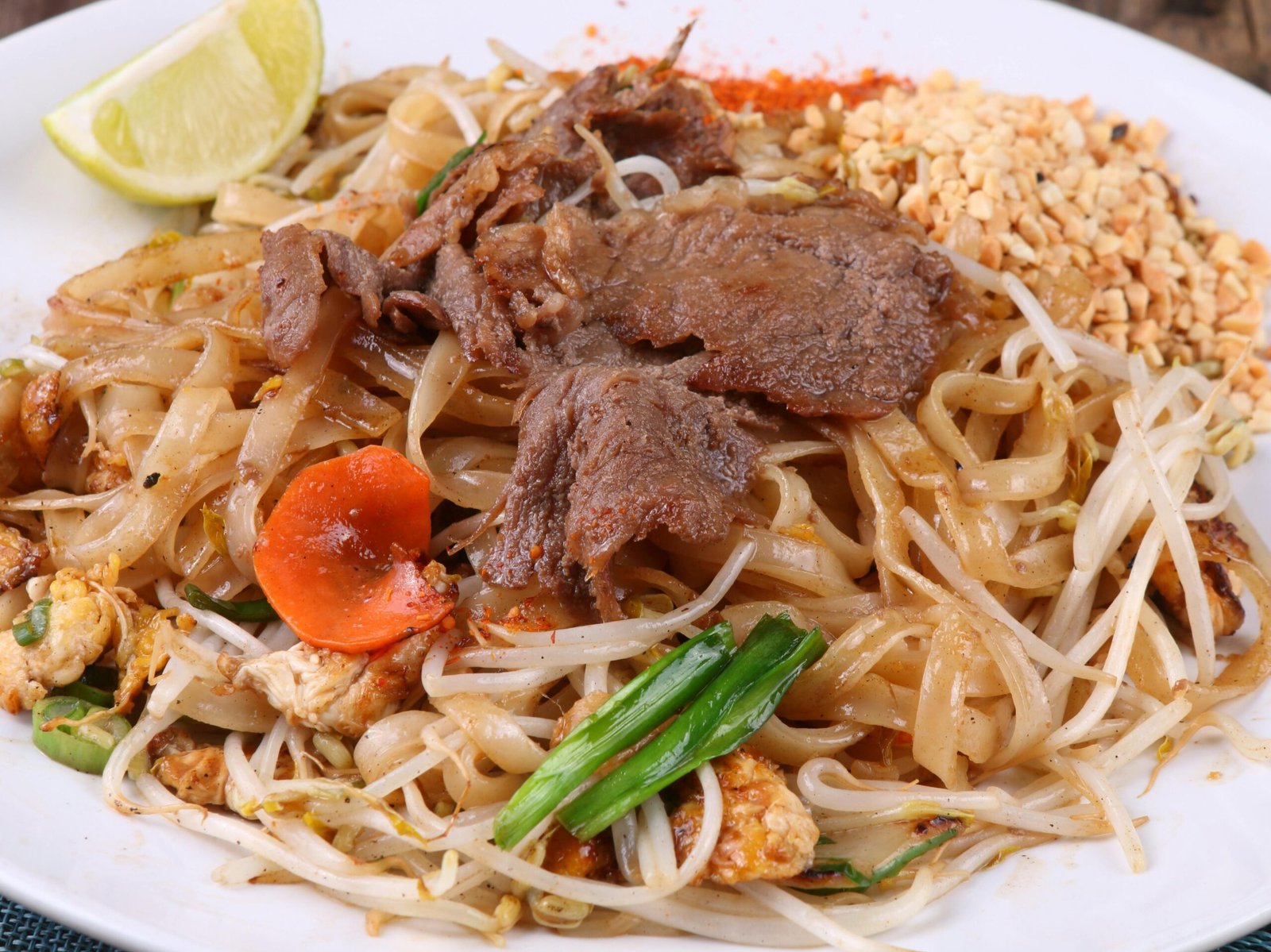
Pad Thai
Perhaps Thailand’s most iconic dish, Pad Thai is a stir-fried noodle dish combining rice noodles, shrimp or chicken, eggs, bean sprouts, tofu, and peanuts in a tangy tamarind sauce. It perfectly represents Thai balance — sweet, salty, sour, and spicy in one plate.
Tom Yum Goong
This world-famous soup blends lemongrass, lime leaves, galangal, chili, and shrimp. The result is a spicy and sour explosion of flavor, served steaming hot — a true taste of Thailand.
Green Curry (Kaeng Khiao Wan)
Rich and aromatic, this curry combines coconut milk, green chilies, basil, and tender chicken or beef. It’s typically served with jasmine rice and embodies the perfect harmony of Thai spice and sweetness.
Som Tum
Originating from Isaan, Som Tum is a green papaya salad bursting with lime juice, chili, garlic, and fish sauce. It’s crunchy, zesty, and fiery — a favorite among Thais and travelers alike.
Massaman Curry
A southern specialty influenced by Indian and Persian flavors, Massaman Curry is mild yet flavorful, made with potatoes, peanuts, and tender beef or chicken.
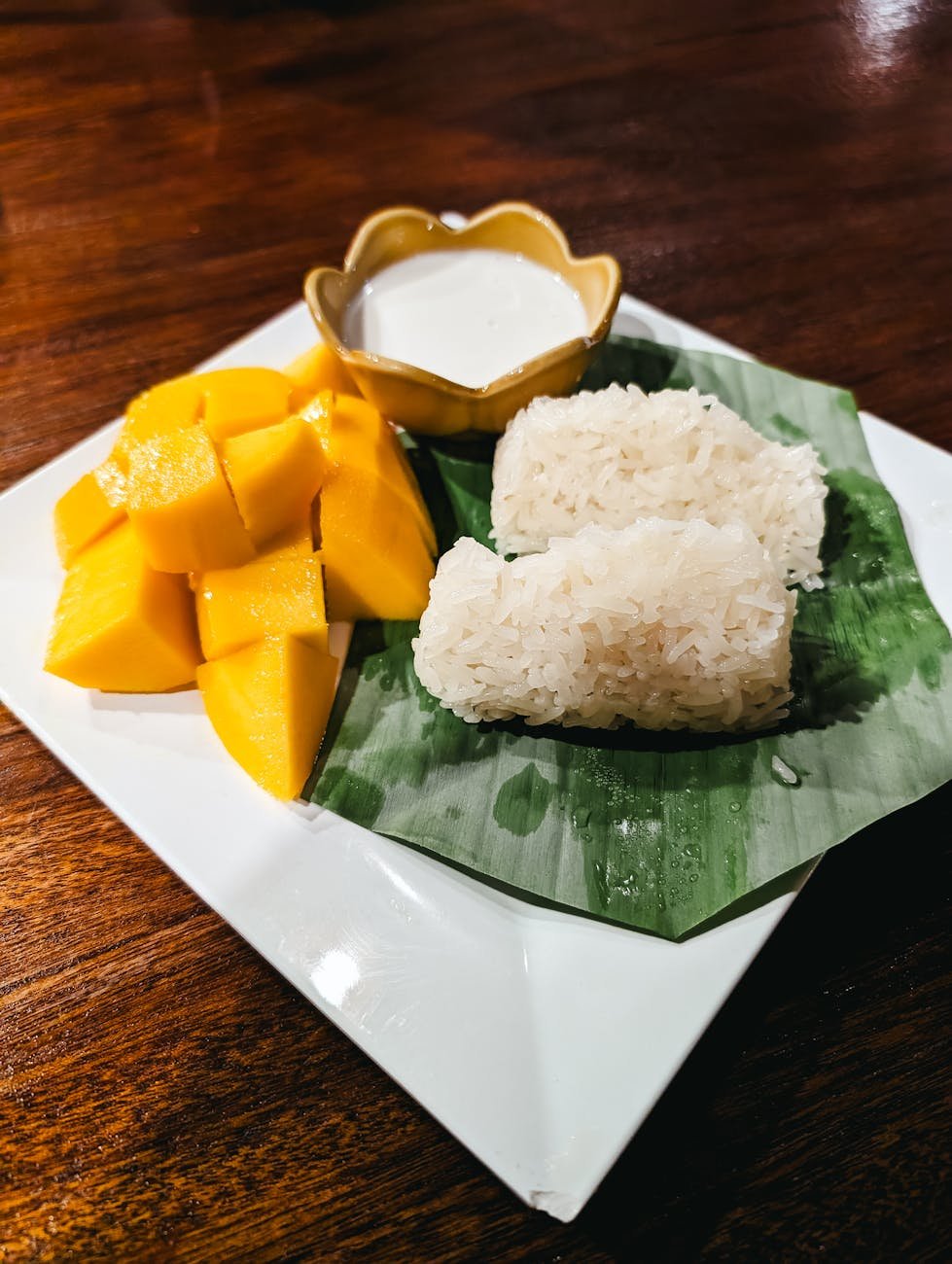
Mango Sticky Rice (Khao Niew Mamuang)
No Thai meal is complete without dessert. Mango Sticky Rice combines ripe mango slices with sweet coconut sticky rice — a perfect ending to any Thai feast.
Dining Culture and Etiquette in Thailand
Food in Thailand is more than nourishment — it’s an expression of community. Thais love to share meals, and dishes are often served family-style so everyone can enjoy multiple flavors.
Some dining customs to keep in mind:
- Spoons and forks are used, but chopsticks are for noodles.
- Don’t serve yourself first — it’s polite to offer food to others.
- Never stick a fork or chopstick upright in rice, as it resembles a funeral offering.
- Street food is delicious and an integral part of Thai life.
Eating together is about connection and respect, reflecting Thailand’s friendly and social culture.
Health Benefits of Thai Cuisine
Thai cuisine is not only delicious but also remarkably healthy. Many ingredients — such as herbs, spices, and vegetables — are packed with nutrients and medicinal properties.
- Lemongrass and ginger aid digestion and reduce inflammation.
- Turmeric has powerful antioxidant effects.
- Chilies boost metabolism and immunity.
- Fresh herbs provide essential vitamins and minerals.
The emphasis on fresh, natural ingredients and limited use of dairy makes Thai food suitable for various diets, including gluten-free and vegetarian options.
Thai Cuisine Around the World
Today, Thai restaurants can be found in nearly every major city across the globe. Dishes like Pad Thai, Green Curry, and Tom Yum have become international favorites.
Thailand’s government actively promotes its cuisine abroad through programs like “Thai Select”, which certifies authentic Thai restaurants worldwide. This initiative not only celebrates the country’s culinary heritage but also strengthens its cultural identity.
Cooking Thai Food at Home
With the popularity of Thai cuisine growing, more people are learning to cook Thai dishes at home. Essential items to keep in your pantry include:
- Fish sauce
- Curry paste (red, green, or massaman)
- Coconut milk
- Rice noodles
- Jasmine rice
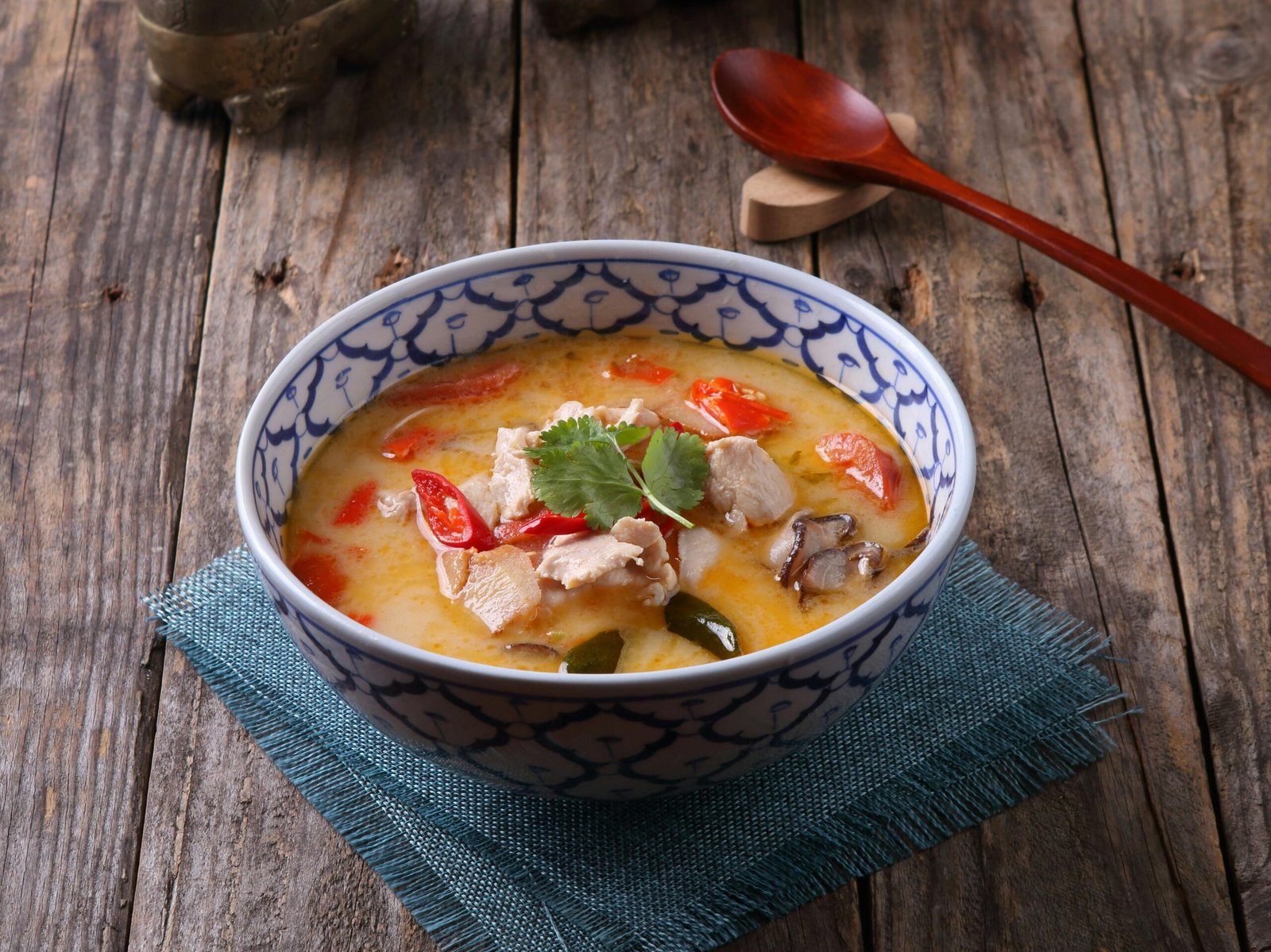
Even beginners can start with simple recipes like Pad Kra Pao (stir-fried basil chicken) or Tom Kha Gai (coconut chicken soup). The secret lies in balancing the four main tastes and using fresh herbs.
Conclusion: The Soul of Thai Cuisine
Thai cuisine is a reflection of Thailand’s heart — warm, welcoming, and full of life. Every dish tells a story of harmony, history, and happiness. From spicy curries to sweet desserts, from street food stalls to royal feasts, Thai food continues to bring people together around the world.
Whether you’re enjoying a bowl of Tom Yum in Bangkok or cooking Pad Thai at home, you’re tasting centuries of culture and the true essence of Thailand’s culinary spirit.


Well, I don’t know about you but all this talk about Thai food is making me hungry. I think I’m going to get me some Pad Thai at the local food stall. By the way, have you ever considered buying or are interested in real estate in Myanmar? Is so then check out “Buying Real Estate in Myanmar 2026: A Comprehensive Guide”
Daily Life Note
Just wanted to share a little piece of my day:
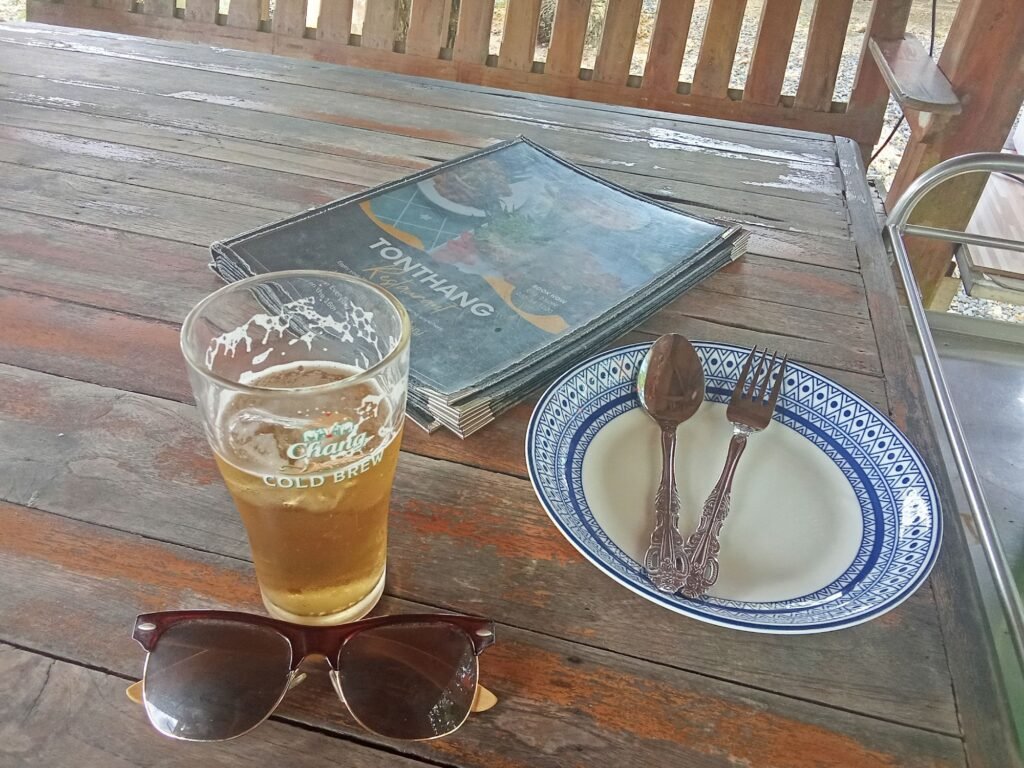
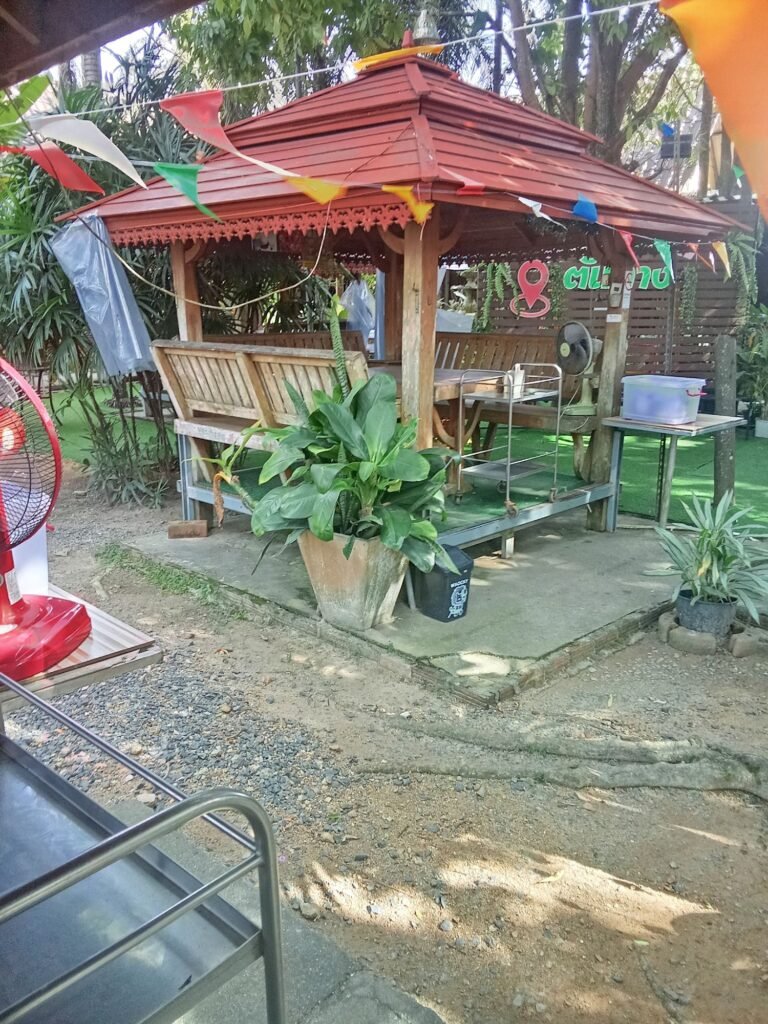
Today I had some business to take care of close to the airport here in Hat Yai which is about 11 kilometers away from the downtown area. On my way back I found a nice outdoor Thai style restaurant. I stopped by for some food and drinks. In Southeast you’ll find many of these outdoor style restaurants.

🎒 Smart Packing List Generator
Get a personalized packing list in 30 seconds!