Have you ever thought about what it’s like to buy real estate in Southeast Asia? Well, look no further as in today’s post, we’ll go over the process of buying real estate in Myanmar. Now, without further ado, on with the show!
Myanmar, also known as Burma, has become an increasingly attractive destination for property investment. With economic reforms, growing urbanization, and a budding tourism sector, buying real estate in Myanmar in 2026 offers unique opportunities—but also comes with challenges. Whether you are a foreign investor or a local buyer, understanding the legal framework, market trends, and practical considerations is essential. This guide will walk you through everything you need to know to make an informed decision.
Understanding the Myanmar Real Estate Market in 2026
Myanmar’s real estate market has evolved significantly over the past decade. Urban centers like Yangon, Mandalay, and Naypyidaw have seen rapid development, while emerging cities offer untapped potential. In 2026, market trends indicate:
- Urban Expansion: Cities are expanding, with new residential and commercial developments.
- Foreign Investment Growth: Myanmar is gradually opening up, attracting investors from neighboring countries and beyond.
- Tourism-Driven Demand: Boutique hotels, serviced apartments, and vacation homes are in high demand in popular tourist destinations.
- Infrastructure Projects: Improved roads, airports, and public transport are boosting property values in strategic locations.
Understanding these trends is key for anyone considering a real estate purchase.

Legal Considerations for Buying Property in Myanmar
Buying property in Myanmar requires navigating specific legal requirements, particularly for foreign buyers:
- Foreign Ownership Rules: Foreign nationals cannot own land outright but can purchase condominium units in buildings where at least 40% of the floor space is reserved for foreign ownership.
- Leasehold Agreements: Many foreigners invest through long-term leases, typically ranging from 30 to 99 years.
- Due Diligence: Verifying land titles, encumbrances, and zoning restrictions is critical.
- Legal Assistance: Engaging a licensed Myanmar real estate lawyer ensures compliance with local laws.
Being aware of these regulations will protect your investment and prevent legal complications.
Popular Areas to Buy Real Estate in Myanmar
Choosing the right location is crucial. Here are some of the top areas for investment in 2026:
- Yangon: The commercial hub of Myanmar, ideal for apartments, offices, and retail spaces.
- Mandalay: A growing city with opportunities in residential developments and tourism-related properties.
- Naypyidaw: The administrative capital offers modern infrastructure and government-backed projects.
- Bagan & Inle Lake: Famous tourist destinations suitable for hotels and vacation rentals.
Each area has unique investment prospects depending on your objectives—whether rental income, capital appreciation, or personal use.
Steps to Buying Real Estate in Myanmar
Here is a simplified roadmap for buying property:
- Research: Identify the type of property and location.
- Engage Professionals: Work with a real estate agent and a lawyer.
- Conduct Due Diligence: Verify titles, ownership, and permits.
- Negotiate Terms: Finalize purchase price and conditions.
- Sign Contracts: Ensure legal agreements are drafted in compliance with local laws.
- Registration: Register the property with the appropriate authorities.
- Payment & Transfer: Complete financial transactions through legitimate channels.
Following these steps reduces risks and ensures a smooth transaction.
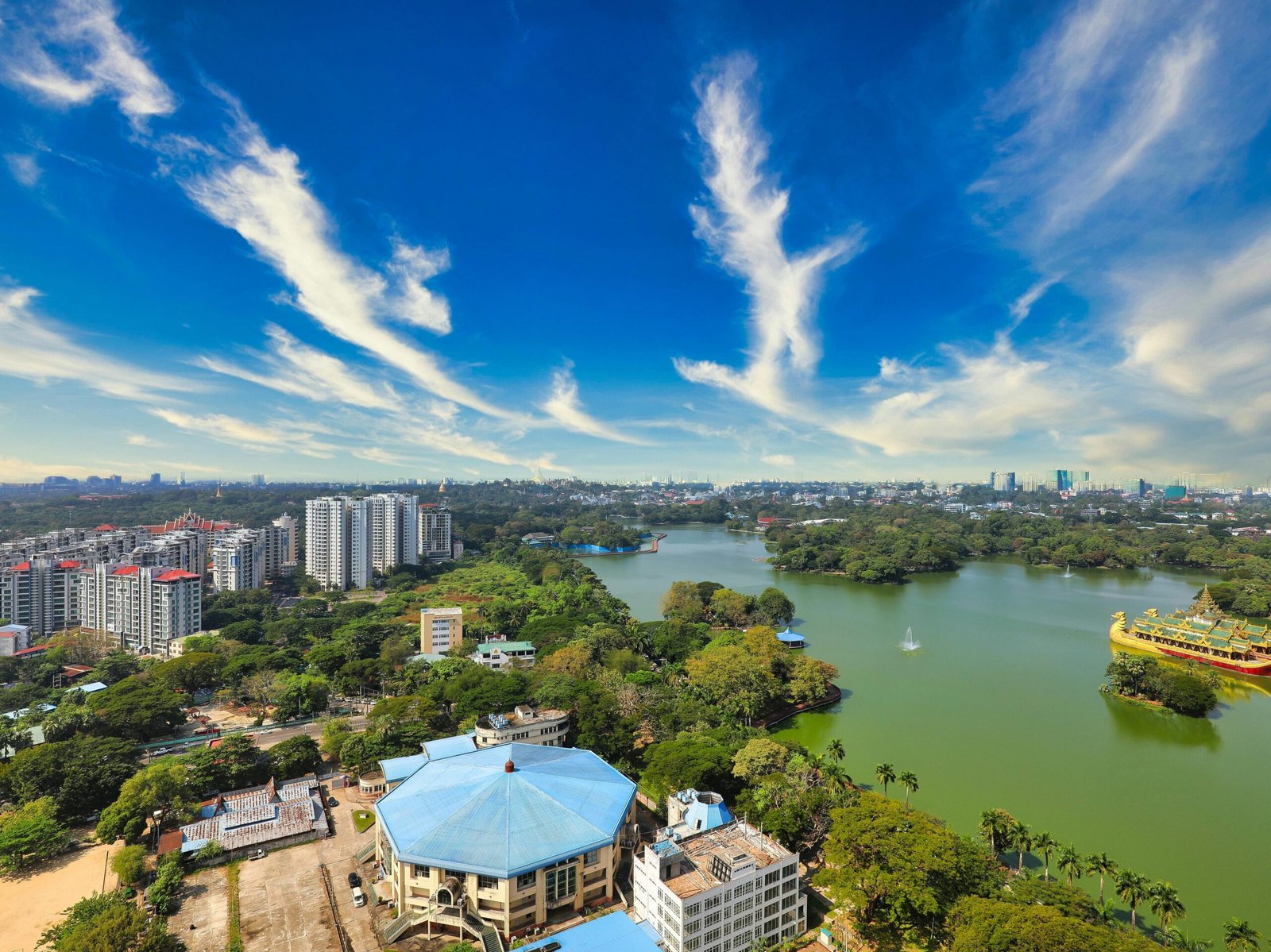
Investment Tips for 2026
- Consider Future Infrastructure Projects: Areas near upcoming roads, airports, or industrial zones often see higher appreciation.
- Rental Market Insights: Condominiums in Yangon or vacation rentals in Bagan can offer steady income streams.
- Local Partnerships: Collaborating with a local business partner can simplify legal and operational hurdles.
- Stay Updated: Political and economic developments can impact real estate regulations—monitor news and consult experts regularly.
Strategic planning is vital for maximizing returns and minimizing risk.
Challenges and Risks
While Myanmar offers exciting opportunities, buyers must be aware of potential challenges:
- Regulatory Complexity: Foreign ownership restrictions can be restrictive.
- Political & Economic Uncertainty: Shifts in policy may affect property rights and market stability.
- Market Liquidity: Some properties may take longer to sell compared to other Asian markets.
- Infrastructure Limitations: While improving, some areas still lack adequate utilities and services.
Risk assessment and professional guidance are essential for safe investment.
Frequently Asked Questions (FAQs)
Can foreigners buy land in Myanmar?
No, foreigners cannot directly own land but can buy condominium units or enter long-term lease agreements.
How much deposit is typically required?
Deposits usually range from 5% to 10% of the purchase price, depending on negotiation terms.
Are real estate agents reliable in Myanmar?
Reputable agents exist, but it’s important to verify credentials and work with licensed professionals.
What are the taxes for property buyers?
Taxes include stamp duty, registration fees, and potentially capital gains tax. Consulting a local accountant is recommended.
Is it safe to invest in Myanmar real estate in 2026?
With proper research, professional guidance, and compliance with regulations, investing can be profitable—but staying aware of political and economic factors is essential.

Final Thoughts
Buying real estate in Myanmar in 2026 can be a rewarding endeavor if approached carefully. By understanding market trends, legal requirements, and investment strategies, you can make informed decisions and secure a profitable property. Engage professionals, do thorough due diligence, and stay updated on market conditions to navigate this dynamic landscape successfully.
Myanmar’s real estate market holds immense potential, and with the right approach, investors and homeowners alike can enjoy long-term benefits.
Are you planning to buy Real Estate in Cambodia? If so, then you’ll want to read “A Comprehensive Guide to Buying Real Estate in Cambodia as a Foreigner”


Considering buying real estate in Laos? In that case check out “Buying Real Estate in Laos in 2026: A Complete Guide for Foreign Investors”
Daily Life Note
Just wanted to share a little piece of my day:

- Today I decided to walk over to Central Mall here in Hatyai. Although I usually don’t drink coffee at Starbucks (I usually go to Cafe Amazon) I had lots of free time so I decided to stop by and get an iced Latte.
- Tip for travelers: When visiting Southeast Asia, if you don’t have a local bank account, then make sure you carry some cash on you. Although places like Starbucks will accept various forms of payment, smaller shops will usually only accept cash.



Pingback: Thai Cuisine: A Journey Through the Flavors of Thailand - Living in Southeast Asia
Greetings everyone! If you’re seeking to figure out what season you are, comprehending your skin tone and undertones is key. For example, if you have light skin with amber undertones, you might observe that vibrant autumn hair colors or a sharp deep summer color palette really complement you. Using methods like color season tests or an virtual color analysis can help confirm whether you fit into categories like soft autumn, dark winter, or light spring, making it effortless to pick the best makeup and clothing colors.
Also, working with virtual hair color try-on apps or hair dye simulators can be super helpful before deciding on a new look. If you want a speedy, complimentary seasonal color analysis or a color palette test to get started, check out [url=https://color-analysis-test.org]warm winter colour palette[/url] — it offers a effortless way to find your personal color season and browse trendy 2026 hair color ideas that suit your natural tones.
Pingback: Local Customs in Myanmar: A Complete Guide to Traditions, Etiquette, and Daily Life - Living in Southeast Asia