Vietnam’s real estate market has been attracting both local and foreign investors over the past decade. With its growing economy, expanding urban infrastructure, and increasing foreign investment, buying real estate in Vietnam has become a strategic choice for investors and homebuyers alike. However, understanding the legal framework, property types, and market trends is crucial before making a purchase. This guide provides an in-depth look at everything you need to know about buying real estate in Vietnam in 2026.
Why Invest in Real Estate in Vietnam?
Vietnam is one of Southeast Asia’s fastest-growing economies. Its real estate sector has been expanding steadily due to urbanization, foreign direct investment, and a young population with rising purchasing power. Major cities like Ho Chi Minh City, Hanoi, and Da Nang offer excellent opportunities for residential and commercial property investments.
Investing in real estate in Vietnam provides multiple benefits, including potential capital appreciation, rental income, and diversification for international investors. Moreover, government initiatives to improve infrastructure, such as new metro lines, highways, and airports, have further boosted property values in key locations.
Understanding Vietnam’s Real Estate Market
Vietnam’s real estate market is dynamic and requires careful analysis before purchasing. Key factors to consider include location, property type, market trends, and legal requirements.

Popular Cities for Real Estate Investment
- Ho Chi Minh City: The country’s financial hub, offering high-demand residential and commercial properties.
- Hanoi: The capital city with strong historical significance and growing urban development projects.
- Da Nang: A coastal city known for tourism and attractive beachfront properties.
- Ho Tram and Phu Quoc: Emerging resort destinations ideal for vacation homes and luxury real estate.
Types of Properties Available
Investors in Vietnam can choose from several property types:
- Condos and Apartments: Popular among expatriates and urban professionals.
- Villas and Houses: Ideal for long-term residents or luxury investors.
- Land Plots: Attractive for development projects, especially in growing suburban areas.
- Commercial Properties: Offices, retail spaces, and warehouses for business investments.
Market Trends in 2026
In 2026, Vietnam’s real estate market is expected to remain robust, driven by urbanization, tourism, and foreign investment. Smart city projects, luxury resort developments, and affordable housing initiatives are influencing property demand. Investors should monitor government policies, interest rates, and economic growth indicators to make informed decisions.

Legal Requirements for Buying Real Estate in Vietnam
Foreigners are allowed to buy property in Vietnam, but there are legal limitations. Understanding these regulations is crucial to avoid issues during the purchasing process.
Ownership Rules for Foreigners
- Foreigners can own up to 30% of units in an apartment building or 10% of properties in a landed project.
- Leasehold terms are usually 50 years, with the possibility of extension.
- Freehold ownership is generally restricted to Vietnamese citizens, although some long-term lease options mimic ownership benefits.
Documentation and Procedures
Buying property in Vietnam involves several key steps:
- Property Selection: Choose a property that meets your investment or living goals.
- Due Diligence: Verify ownership, zoning laws, and property legality.
- Signing the Purchase Agreement: Formalize the transaction with the seller.
- Payment and Taxes: Pay the required deposit and taxes, including registration fees and VAT where applicable.
- Registration of Ownership: The Land Use Rights Certificate is issued to confirm legal ownership.
Taxes and Fees
Investors should consider taxes and fees, such as:
- Registration Fee: Around 0.5% of the property value.
- Personal Income Tax on Capital Gains: 2% of the property value for foreign sellers.
- Value Added Tax (VAT): Applicable for new developments, usually 10%.
Financing Options for Buying Real Estate in Vietnam
Securing financing in Vietnam can be challenging for foreigners, but there are options:
- Local Banks: Some banks offer mortgage loans to foreigners, typically covering 50-70% of property value.
- Developer Financing: Many developers provide installment plans for direct buyers.
- International Financing: Investors can also consider personal loans from their home country or cross-border financing solutions.
Tips for First-Time Buyers in Vietnam
Buying real estate in Vietnam requires careful planning. Here are some tips for first-time buyers:
- Work with Reputable Agents: Local expertise is invaluable in navigating property regulations.
- Inspect the Property Thoroughly: Ensure the property matches the legal documents and agreed specifications.
- Understand Market Timing: Property prices can fluctuate, so monitor trends before making an investment.
- Consider Rental Potential: Evaluate the property’s rental yield, especially in tourist-heavy locations.
- Legal Advice is Crucial: Consult with a lawyer specializing in real estate to ensure compliance with Vietnamese laws.

Frequently Asked Questions (FAQs)
Can foreigners buy property in Vietnam?
Yes, foreigners can buy property in Vietnam but with limits: up to 30% of apartments in a building or 10% of landed properties in a project. Ownership is usually for 50-year leasehold terms.
Is it safe to invest in Vietnamese real estate?
Vietnam has a growing economy and stable political environment, making it relatively safe. However, legal due diligence and consulting with local experts are essential.
How long does it take to complete a property purchase in Vietnam?
On average, the process takes 1 to 3 months, depending on the complexity of the transaction, due diligence, and government approvals.
Are there taxes on property purchases in Vietnam?
Yes, buyers need to pay registration fees, VAT for new developments, and potentially capital gains tax if selling the property later.
Which cities are best for property investment in Vietnam?
Ho Chi Minh City, Hanoi, Da Nang, Ho Tram, and Phu Quoc are currently considered top investment destinations due to growth potential and infrastructure projects.
Final Thoughts
Buying real estate in Vietnam in 2026 presents significant opportunities for both domestic and foreign investors. With careful planning, understanding of legal requirements, and awareness of market trends, investors can benefit from property appreciation, rental income, and long-term value. Working with reputable agents, conducting thorough due diligence, and seeking legal advice are key steps to ensure a smooth and profitable investment experience.
Vietnam’s real estate market continues to evolve, offering diverse options from urban condos to luxury resort properties. By staying informed and making strategic choices, buying real estate in Vietnam can be a rewarding venture in the coming years.
You want to explore Vietnam? Read “Vung Tau, Vietnam — The Perfect Weekend Escape from Ho Chi Minh City“



🌏 Travel Tip of the Day
Traffic in Vietnam can be really crazy. If you need to cross a busy street and motorbikes just seem to keep coming, this is what you do. Just start walking slowly across the street. The motorbikes will go around you. I learned this when I was in Vietnam by watching how the locals crossed the street.
🌏 Photo of the Day
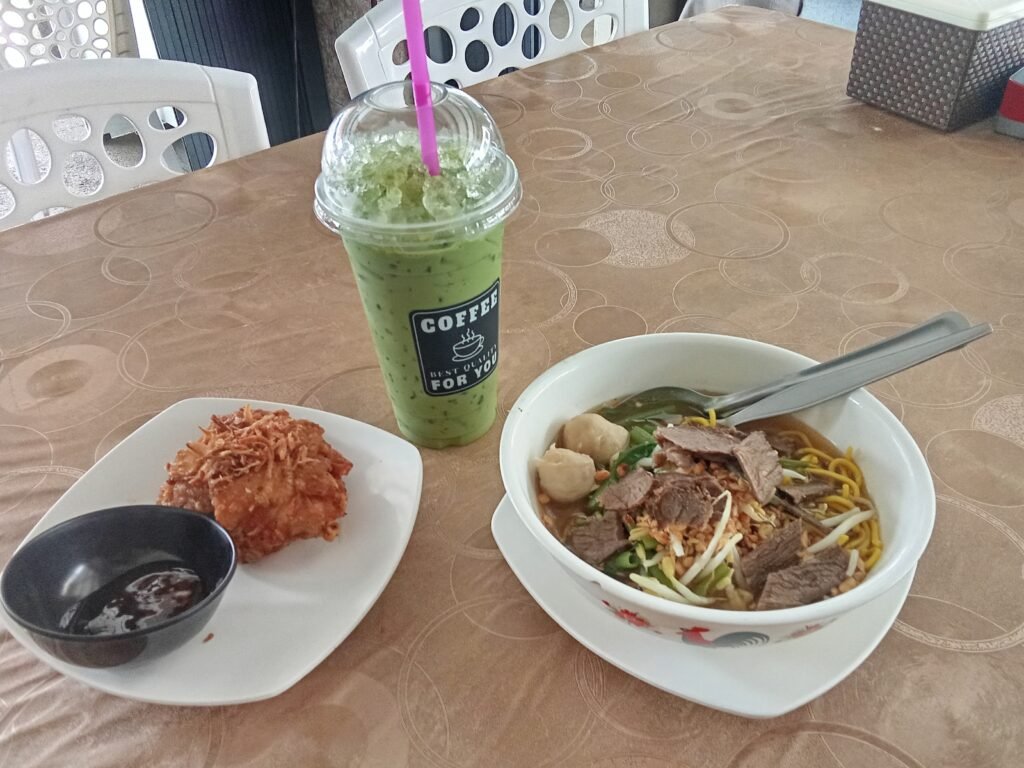
Today I had a noodle soup with a side order of fried chicken and a matcha latte. All this for only USD $4.00!! How much would a lunch like this cost in your country? Let me know in the comment section.