Buying real estate in Malaysia has become increasingly popular among both locals and foreign investors due to the country’s stable economy, attractive property prices, and investor-friendly laws. Whether you’re planning to relocate, retire, or diversify your portfolio, Malaysia offers a wide range of real estate opportunities—from affordable condominiums to luxury residences in prime locations. This comprehensive 2026 guide covers everything you need to know before purchasing property, including ownership rules, market trends, top investment areas, and step-by-step buying processes.

Why Malaysia Is a Top Real Estate Destination
Malaysia continues to shine as one of Southeast Asia’s most appealing property markets. The country offers a unique combination of modern living, diverse culture, affordable housing options, and strong infrastructure. Compared to neighboring Singapore or Hong Kong, Malaysia’s real estate market remains significantly more affordable, giving investors more room to grow their portfolio.
Key Advantages of Investing in Malaysian Property
- Affordable cost of living and property prices
- Foreign ownership is allowed under specific regulations
- Strong rental demand in urban and tourist areas
- Consistent development of transportation and commercial hubs
- Opportunities for long-term capital appreciation
Can Foreigners Buy Real Estate in Malaysia?
One of the biggest reasons foreign investors are drawn to Malaysia is the government’s open stance on foreign ownership. Foreigners are generally allowed to purchase freehold and leasehold properties, subject to minimum price thresholds set by each state.
Minimum Purchase Requirements
Each Malaysian state sets its own minimum purchase value for foreign buyers. In most states, the minimum price ranges from RM 600,000 to RM 1,000,000. Luxury areas like Kuala Lumpur, Penang, and Johor typically have higher thresholds due to market demand.
Types of Properties Foreigners Can Purchase
Foreigners can legally buy:
- Condominiums and serviced apartments
- Residential landed properties (subject to state approval)
- Commercial and industrial properties
- MM2H-approved residential options
Foreigners cannot buy:
- Low- to medium-cost housing
- Properties built on Malay Reserved land

2026 Property Market Trends in Malaysia
The Malaysian real estate market is expected to grow steadily in 2026 due to economic recovery, rising foreign interest, and government initiatives to boost the housing sector. Major cities continue to develop new business hubs, transport links, and residential communities.
Key Trends to Watch
- Growing demand for condominiums in Kuala Lumpur and Penang
- Increased development of green and smart homes
- Expansion of mixed-use developments combining residential, retail, and office spaces
- Higher rental yields in tourism-heavy locations
Best Places to Buy Real Estate in Malaysia
Choosing the right location plays a huge role in ensuring long-term value and rental income. Here are the top regions attracting both foreign and local investors.
1. Kuala Lumpur
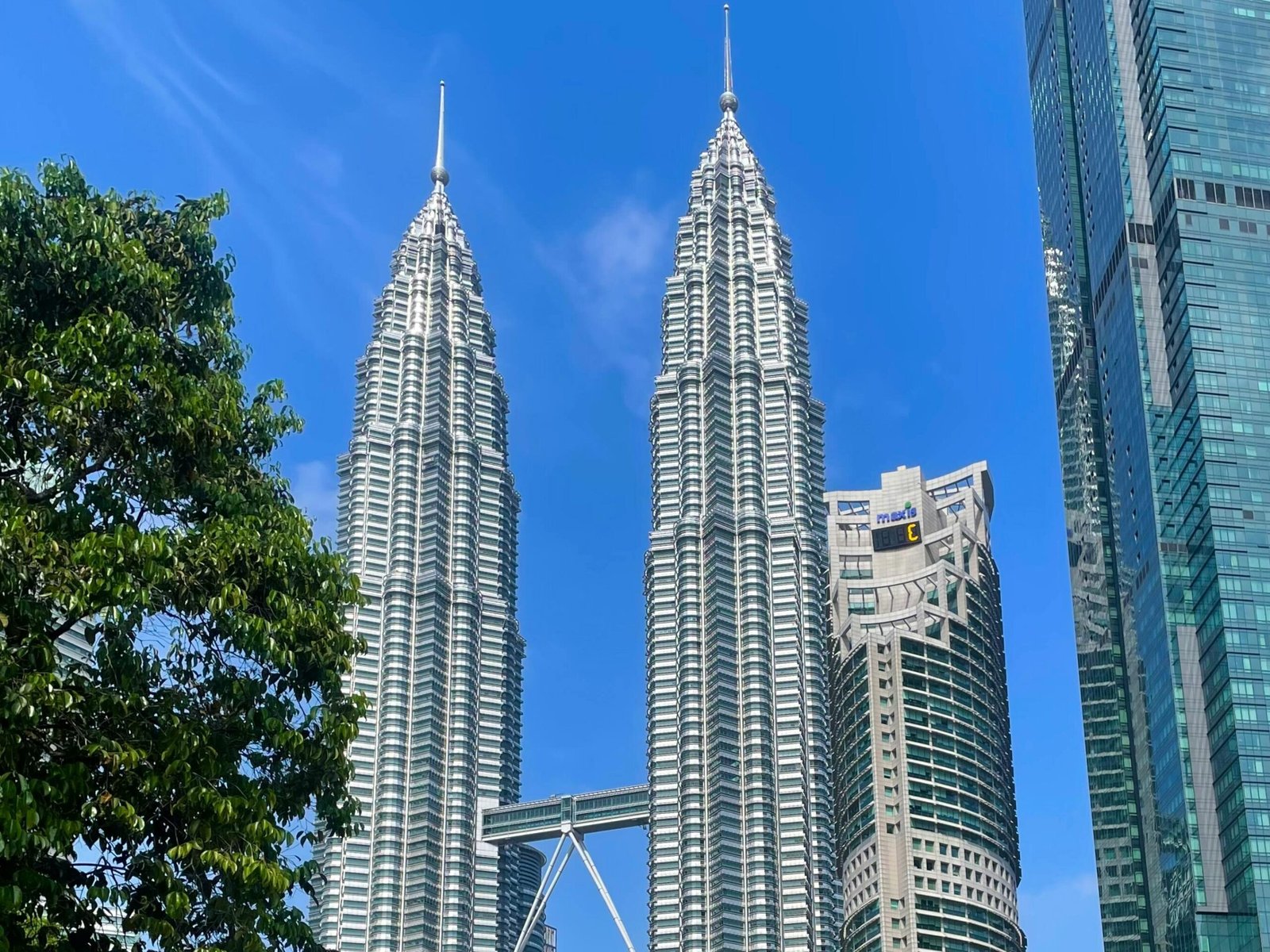
Kuala Lumpur is Malaysia’s capital and main economic hub. Properties here offer strong rental demand, especially near areas like KLCC, Bukit Bintang, and Mont Kiara. Investors are drawn to high-rise condominiums, serviced apartments, and luxury residences.
2. Penang
Penang is a favorite among retirees, expats, and digital nomads due to its vibrant culture, beautiful beaches, and growing tech industry. The island offers excellent investment potential, especially in George Town and Tanjung Tokong.
3. Johor Bahru
Johor Bahru has seen rapid development due to its proximity to Singapore. Many investors purchase properties here to take advantage of lower prices and high rental potential, especially in Iskandar Malaysia.
4. Selangor
Selangor, surrounding Kuala Lumpur, is another prime area thanks to its modern townships, business districts, and family-friendly communities. Cyberjaya, Petaling Jaya, and Shah Alam continue to offer excellent investment opportunities.
Step-by-Step Guide to Buying Real Estate in Malaysia
If you’re planning to start your property journey, here is the full process explained clearly:
Step 1: Determine Your Budget
Before searching for a property, decide on a comfortable budget. Consider additional costs such as legal fees, stamp duty, agent commission, and maintenance charges.
Step 2: Choose the Right Location
Look for areas with strong rental demand, upcoming infrastructure developments, or consistent capital appreciation. Your investment goal—rental income or long-term growth—will help determine your location.
Step 3: Engage a Licensed Real Estate Agent
A trusted agent can help you find suitable properties and guide you through market conditions and negotiation processes. This is especially helpful for foreign buyers unfamiliar with local laws.
Step 4: Appoint a Lawyer
Hiring a Malaysian lawyer is crucial for reviewing contracts, conducting title searches, and ensuring all legal processes comply with state regulations.
Step 5: Sign the Letter of Offer
Once you’ve chosen a property, you’ll need to sign a Letter of Offer and pay a booking fee—usually 2% to 3% of the property price.
Step 6: Execute the Sale and Purchase Agreement (SPA)
Within 14 days of signing the Letter of Offer, you will sign the SPA. At this point, a 10% deposit is typically required.
Step 7: Apply for State Authority Consent (if applicable)
Foreigners must obtain approval from the respective state authority. This process usually takes between 3 to 12 months, depending on the state.
Step 8: Complete the Payment and Transfer of Ownership
After approval and full payment, the property title will be transferred to your name. You can then begin furnishing, renting, or using the property.
Costs Involved When Buying Real Estate in Malaysia
Understanding the full cost helps you avoid surprises. Here are the major expenses to prepare for:
Legal Fees
Legal fees vary depending on the property value but usually range between 1% to 1.5%.
Stamp Duty
Stamp duty is calculated on a tiered basis, with higher-value properties incurring higher rates.
Real Estate Agent Fees
The typical agent commission is around 3% of the selling price.
Maintenance Fees (for Condominiums)
Condo owners must pay monthly charges for security, cleaning, and facilities.
Tips for Foreign Investors Buying Property in Malaysia
To make the most of your investment, consider the following tips:
Focus on High-Demand Areas
Look for locations near universities, business hubs, or transportation lines for consistent rental occupancy.
Research Price Trends
Study past property prices to determine if the area is undervalued or rising.
Consider MM2H
Malaysia’s “Malaysia My Second Home” program offers long-term stay benefits for foreign retirees and investors.
Work With Reputable Developers
Choose properties developed by established companies with strong track records.
Frequently Asked Questions (FAQs)
Can a foreigner get a home loan in Malaysia?
Yes, foreigners can apply for a bank loan, but approval depends on income, credit score, and bank requirements. Some banks offer loans up to 70% of the property price.
How long does it take to buy a property in Malaysia?
The entire process—from signing the SPA to receiving ownership—typically takes 3 to 12 months, depending on state authority approval.
Is buying real estate in Malaysia a good investment?
Yes. Malaysia offers lower entry prices, strong rental demand, and a stable market, making it ideal for long-term investment.
Are there taxes for foreign property owners?
Property owners must pay stamp duty and legal fees. Rental income is also taxable, but rates depend on residency and income level.
Final Thoughts
Buying real estate in Malaysia in 2026 presents a valuable opportunity for investors, expats, and retirees seeking affordable yet high-quality living options. With strong infrastructure, favorable ownership laws, and continuous market development, Malaysia remains one of Southeast Asia’s most attractive destinations for property investment. Whether you’re looking for a rental property, a retirement home, or a long-term investment, understanding the buying process, legal requirements, and top locations will help you make a confident and informed decision.
Have a plan to explore in Malaysia? Click here!

🌏 Photo of the Day:
Although Yakisoba is not from Southeast Asia (It’s Japanese actually), you can find food from other Asian countries as well.