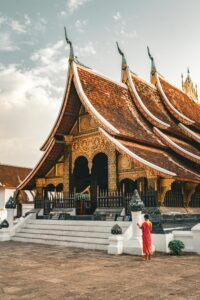
If you’re exploring how to start a business in Cambodia, you’re entering one of Southeast Asia’s fastest-growing investment environments. With consistent economic growth, investor-friendly policies, a strategic location, and relatively low startup costs, many entrepreneurs now view Cambodia as a high-potential business hub. Whether you’re planning to open a company, invest in real estate, or start an online or export-focused business, this 2026 guide walks you through everything you need to know.
Why Start a Business in Cambodia?
Cambodia has become a leading destination for both local and foreign entrepreneurs due to its open economy and simplified business policies. Over the past decade, the country has continued to modernize, particularly in the cities of Phnom Penh, Siem Reap, and Sihanoukville. Startup costs are relatively low, the government welcomes foreign investment, and the country offers attractive tax incentives under special economic zones.
For new businesses, this means a shorter path to profitability, easier hiring, and access to a rapidly expanding local and international market.

Can Foreigners Start a Business in Cambodia?
Yes. Cambodia offers 100% foreign ownership for most industries. Foreigners can legally set up companies, buy property through approved structures, and secure long-term visas for business operations. Many foreign investors appreciate Cambodia’s uncomplicated business environment and competitive tax framework compared to neighboring countries.
Types of Business Entities in Cambodia
1. Sole Proprietorship
A simple structure for small operations. One person owns and manages the business, but legal responsibility remains with the owner.
2. Partnership
Suitable for two or more individuals. This structure allows shared ownership and profit distribution but also shared liability.
3. Private Limited Company (Most Popular)
This is the top choice for foreign investors. A private limited company offers:
- Limited liability protection
- 1–30 shareholders
- Ability to hire local and foreign employees
- Full foreign ownership depending on the business industry
4. Branch Office
Allows a foreign company to operate in Cambodia under its parent company’s name. This is ideal for international firms expanding operations.
5. Representative Office
Used mainly for marketing and research. This entity cannot earn revenue in Cambodia but can explore opportunities.
Step-by-Step Guide: How to Start a Business in Cambodia
Step 1: Research the Market and Choose a Business Sector
Before registering your business, understand the local market. Popular sectors for foreign investors include:
- Tourism & hospitality
- Real estate and construction
- Agriculture & food processing
- E-commerce and retail
- Manufacturing & export
- IT and digital services
Evaluate competition, customer behavior, and the potential demand for your product or service.
Step 2: Choose Your Business Structure
Select from the business entity types based on your goals, investment capacity, and risk level. Most foreign entrepreneurs register a Private Limited Company for legal protection and flexibility.
Step 3: Register Your Business Name
You must submit your chosen business name through the Ministry of Commerce (MOC). The name must be unique and follow Cambodia’s naming guidelines. Once approved, you will receive your business name certificate.
Step 4: Register at the Ministry of Commerce (MOC)
This registration includes:
- Company name approval
- Company incorporation
- Submission of articles of incorporation
- Listing of shareholders and directors
Once approved, you will receive your company’s official registration certificate.
Step 5: Tax Registration with the General Department of Taxation
Next, register your company for tax purposes. This includes:
- Obtaining a Tax Patent Certificate
- Registering for VAT (if applicable)
- Getting a Tax Identification Number (TIN)
You must renew the tax patent annually.
Step 6: Apply for Relevant Licenses and Permits
Depending on your industry, you may need additional permits from ministries such as:
- Ministry of Tourism
- Ministry of Agriculture
- Ministry of Industry and Handicrafts
- Council for the Development of Cambodia (for investment projects)
Failure to obtain specific industry permits may lead to penalties, so ensure compliance early.
Step 7: Open a Business Bank Account
To operate legally and manage finances, open a corporate bank account in Cambodia. Most banks offer foreign-friendly services and multi-currency options (USD is widely accepted).
Step 8: Secure a Business Visa (EB Visa)
Foreign business owners can apply for:
- Business Visa (E-Class Visa)
- EB Visa Extension (6 months–1 year, renewable)
This visa allows long-term stays and business operations in Cambodia.
Step 9: Hire Staff and Register with the Ministry of Labor
If you plan to hire employees, register your business with the Ministry of Labor and Vocational Training. You must:
- Submit staff lists
- Provide employee contracts
- Ensure compliance with labor laws
Step 10: Set Up Accounting and Reporting
Cambodia requires companies to maintain:
- Monthly tax filings
- Annual financial reports
- Proper bookkeeping records
Hiring a local accountant or using a trusted accounting service helps ensure compliance.

Costs of Starting a Business in Cambodia
Business startup costs vary, but typical fees include:
- Company registration: USD 300–1000
- Tax registration: USD 100–200
- Licensing fees (depending on sector): USD 100–2000
- Business visa: around USD 300–500 per year
- Legal or agent fees (optional): USD 500–2000
Compared to other Asian countries, Cambodia remains one of the most affordable places to start a business.
Best Cities to Start a Business in Cambodia
Phnom Penh
The capital city and economic center. Ideal for corporate, retail, finance, logistics, and manufacturing businesses.
Siem Reap
A tourism hub with strong hospitality, F&B, and creative business opportunities.
Sihanoukville
Rapidly developing coastal city with growing real estate, casinos, and special economic zones.
Taxes You Should Know
Cambodia’s tax system includes:
- 10% VAT (for most businesses)
- 20% corporate income tax
- Withholding taxes (varies by transaction)
Some businesses in special economic zones or under Qualified Investment Project (QIP) programs enjoy tax holidays and incentives.

FAQs About Starting a Business in Cambodia
Is Cambodia good for starting a business?
Yes. It’s foreign-investor friendly, has low startup costs, and offers strong growth potential.
Can foreigners fully own a business in Cambodia?
Yes. Cambodia allows 100% foreign ownership for most companies, except in a few regulated industries.
How long does it take to register a business?
Typically 2–4 weeks, depending on the industry and permit requirements.
Is Cambodia safe for investors?
Cambodia is generally safe for business, with a growing economy and increasing foreign investment.
What is the easiest business to start?
E-commerce, F&B, tourism services, and online freelancing are among the easiest for beginners.
Final Thoughts
Starting a business in Cambodia offers tremendous opportunities for entrepreneurs who want to tap into Southeast Asia’s growing market. With straightforward registration processes, investor-friendly laws, and affordable startup costs, Cambodia stands out as one of the region’s best destinations for new businesses. By understanding each step—registration, taxation, licensing, and market research—you can confidently establish your company and begin your journey toward long-term success.
If you’re ready to explore how to start a business in Cambodia, this guide gives you a solid foundation to begin planning your investment and taking your business idea to the next level.
Have a plan to buy Real Estate in Cambodia? Read “A Comprehensive Guide to Buying Real Estate in Cambodia as a Foreigner“
Is your Wi-Fi speed fast enough? Check here