Myanmar, also known as Burma, is a Southeast Asian country with rich culture, scenic landscapes, and a relatively low cost of living compared to other countries in the region. Whether you’re planning to move, retire, or work in Myanmar, understanding the cost of living is crucial to budgeting your lifestyle effectively. In this guide, we break down expenses, provide practical tips, and offer insights for locals and expats alike.
Overview of Myanmar’s Cost of Living
Myanmar remains an affordable destination for travelers and expatriates. While major cities like Yangon and Mandalay are slightly more expensive than rural areas, daily expenses are generally manageable. In 2026, factors such as inflation, economic growth, and the fluctuating exchange rate of the Myanmar Kyat (MMK) may influence costs. On average, a single person can expect to spend between $400 and $900 per month, depending on lifestyle choices.
Currency and Payment Methods
Myanmar’s official currency is the Kyat (MMK). While cash remains the dominant payment method, some establishments, especially hotels and larger restaurants, accept credit cards and mobile payment apps. It’s important for expats to understand currency exchange rates and keep a mix of cash and digital payment options for convenience.
Housing Costs in Myanmar
Housing is one of the largest monthly expenses. Rental prices vary based on location, size, and amenities.
Yangon
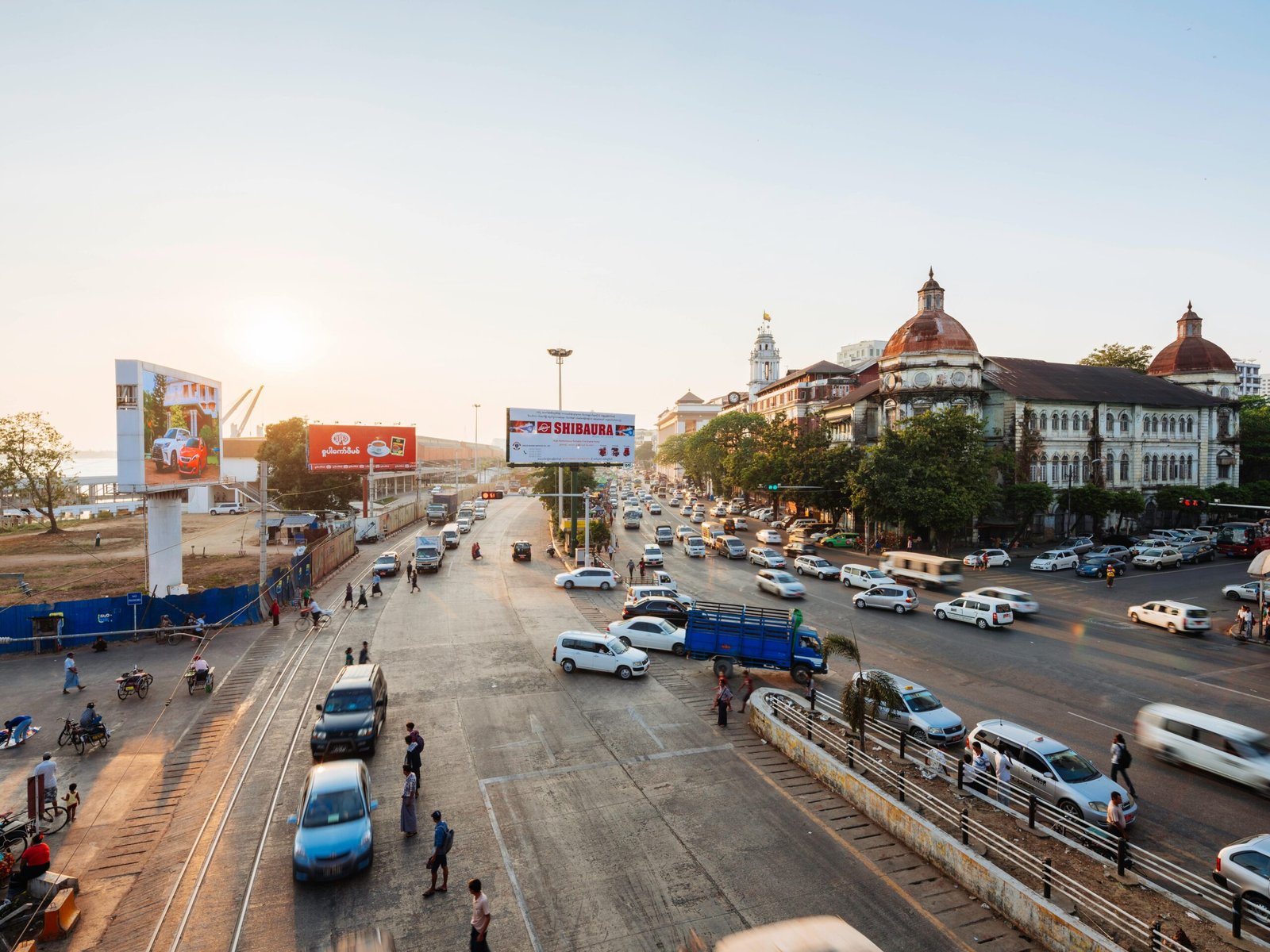
In Yangon, the largest city and economic hub, a one-bedroom apartment in the city center can cost $300–$600 per month, while outside the city center, prices drop to $150–$300. Luxury apartments or fully furnished units may exceed $1,000 per month.
Mandalay and Other Cities
Mandalay, Bagan, and other secondary cities offer more affordable housing options. A city-center apartment may cost $150–$350, and smaller towns or rural areas can provide even cheaper accommodation at $80–$200 per month.
Utilities
Monthly utilities, including electricity, water, gas, and internet, typically range from $50–$150, depending on usage. Air conditioning, which is common in Yangon due to high temperatures, can significantly increase electricity bills.
Food and Dining Expenses
Myanmar cuisine is flavorful, affordable, and diverse. Dining options vary from street food to mid-range restaurants and luxury dining.
Street food costs $1–$3 per meal, including popular dishes like mohinga (rice noodle soup) or tea leaf salad. Local restaurants typically charge $3–$10 per meal, offering a wider variety and larger portions. International restaurants, especially in Yangon and Mandalay, range from $10–$25 per meal.
Grocery shopping is cost-effective. Staples like rice, vegetables, and local meats are inexpensive, while imported products are pricier and mainly available in supermarkets. Monthly grocery expenses for a single person can range from $100–$200, depending on dietary preferences.

Transportation Costs
Transportation in Myanmar is inexpensive and includes buses, taxis, motorcycles, and ride-hailing services.
Local buses cost $0.15–$0.50 per ride. Taxis or Grab rides range from $2–$10 depending on distance. Motorbike rentals cost $50–$100 per month, while car rentals are $400–$800 per month, including fuel. Traffic congestion is common in major cities, so many expats prefer motorbikes or ride-hailing apps for convenience.
Healthcare and Insurance
Healthcare quality varies widely between private and public hospitals. Private healthcare is recommended for expats due to better facilities and shorter wait times.
Private consultations cost $20–$50 per visit. Prescription medications range from $5–$30 depending on type and quantity. Health insurance costs $50–$150 per month for basic coverage, while more comprehensive plans are higher. Long-term residents are advised to have international health insurance covering emergencies and specialized treatments abroad.
Entertainment and Lifestyle
Myanmar offers a rich cultural and recreational scene. Costs vary depending on activities. Cinema tickets are $3–$5, fitness club memberships $20–$50 per month, and local attractions and tours $5–$50 per visit. Social life is affordable with street markets, local eateries, and cultural events. Nightlife in Yangon and Mandalay is pricier but remains reasonable compared to Western countries.
Tips for Budgeting in Myanmar
Live outside city centers to save on rent. Use local markets for groceries to reduce expenses. Consider motorbikes or public transport instead of owning a car. Negotiate rent and services when possible, as prices are often flexible. Track daily expenses to adjust lifestyle choices and save.
FAQs About the Cost of Living in Myanmar
Is Myanmar an affordable country to live in?
Yes, Myanmar is considered one of the most affordable countries in Southeast Asia, especially for expats and retirees. Living costs are significantly lower than in Thailand, Singapore, or Vietnam.
How much does it cost to rent an apartment in Yangon?
A one-bedroom apartment in central Yangon costs $300–$600 per month, while apartments outside the city center may range from $150–$300.
Can I live comfortably in Myanmar on $500 a month?
Yes, a frugal lifestyle on $500 per month is possible, especially outside major cities. This budget covers basic rent, groceries, utilities, and transportation.
Are imported goods expensive in Myanmar?
Yes, imported products are significantly more expensive than local goods. Buying local produce and products helps reduce overall expenses.
How safe is healthcare in Myanmar?
Private healthcare in major cities is reliable, though public hospitals may lack facilities. International health insurance is recommended for expats.
Final Thoughts
The cost of living in Myanmar is generally low compared to many countries, making it an attractive option for travelers, retirees, and digital nomads. While major cities like Yangon and Mandalay are more expensive, rural areas offer even more affordable options. Planning ahead, understanding local prices, and making strategic lifestyle choices will ensure a comfortable and enjoyable life in Myanmar.
Whether you’re moving for work, retirement, or adventure, this guide helps you navigate daily expenses, manage your budget, and fully experience the rich culture and beauty Myanmar has to offer in 2026.
Planning to explore Myanmar? Read our ‘Naypyidaw Travel Guide: Discover Myanmar’s Mysterious Capital’ for tips and insights.”