Singapore is one of the most vibrant and cosmopolitan cities in Asia, known for its modern skyline, efficient public services, and thriving economy. However, living in this city-state comes with a significant price tag. Understanding the cost of living in Singapore is essential for both expatriates planning to move here and locals managing their finances. In this guide, we’ll break down all major expenses, from housing and utilities to transportation, food, and lifestyle costs in 2026.
Housing Costs in Singapore
Housing is typically the largest portion of monthly expenses in Singapore. Costs vary depending on whether you choose private property, HDB flats, or rental accommodations.
Rental Prices
Renting in Singapore can be expensive, especially in central areas like Orchard Road, Marina Bay, and Sentosa. Here’s a general overview of rental prices in 2026:
- 1-bedroom apartment in the city center: SGD 3,000 – 5,000 per month
- 1-bedroom apartment outside city center: SGD 2,000 – 3,500 per month
- 3-bedroom apartment in city center: SGD 6,000 – 10,000 per month
- 3-bedroom apartment outside city center: SGD 4,000 – 7,000 per month
For expats, many choose fully furnished apartments in central districts for convenience, while locals often prefer HDB flats, which are government-subsidized and more affordable.
Buying Property
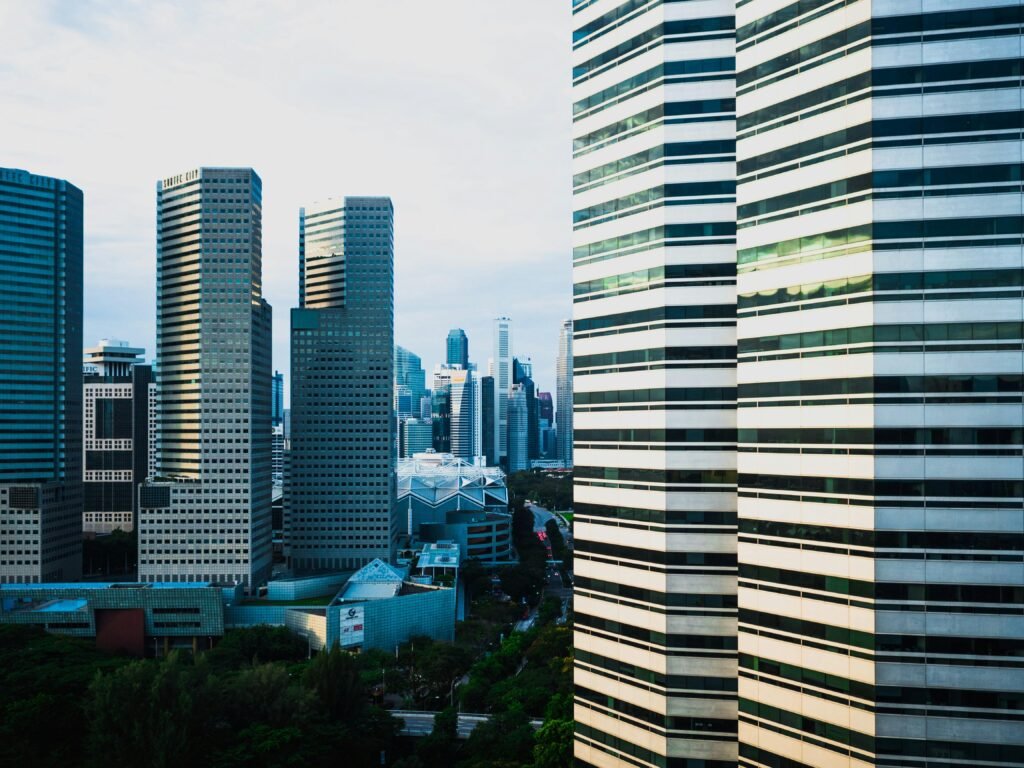
Property prices in Singapore are among the highest in Asia. Average prices for private apartments in prime areas are around SGD 2,500 – 3,500 per square foot. HDB flats are comparatively cheaper, with prices starting at SGD 400,000 for 4-room flats in suburban areas. Foreigners face additional taxes and restrictions when buying property, including the Additional Buyer’s Stamp Duty (ABSD).
Food and Dining Costs
Singapore is a food lover’s paradise. Whether you prefer hawker centers, casual dining, or high-end restaurants, the cost of living in Singapore is heavily influenced by food expenses.
Groceries
For a single person, monthly grocery costs typically range between SGD 300 – 600, depending on lifestyle and dietary preferences. Common expenses include:
- Rice and pasta: SGD 2 – 5 per kg
- Fresh vegetables: SGD 3 – 10 per kg
- Chicken and meat: SGD 6 – 15 per kg
- Dairy products: SGD 2 – 5 per liter
Shopping at local markets and wet markets is often cheaper than supermarkets.
Eating Out
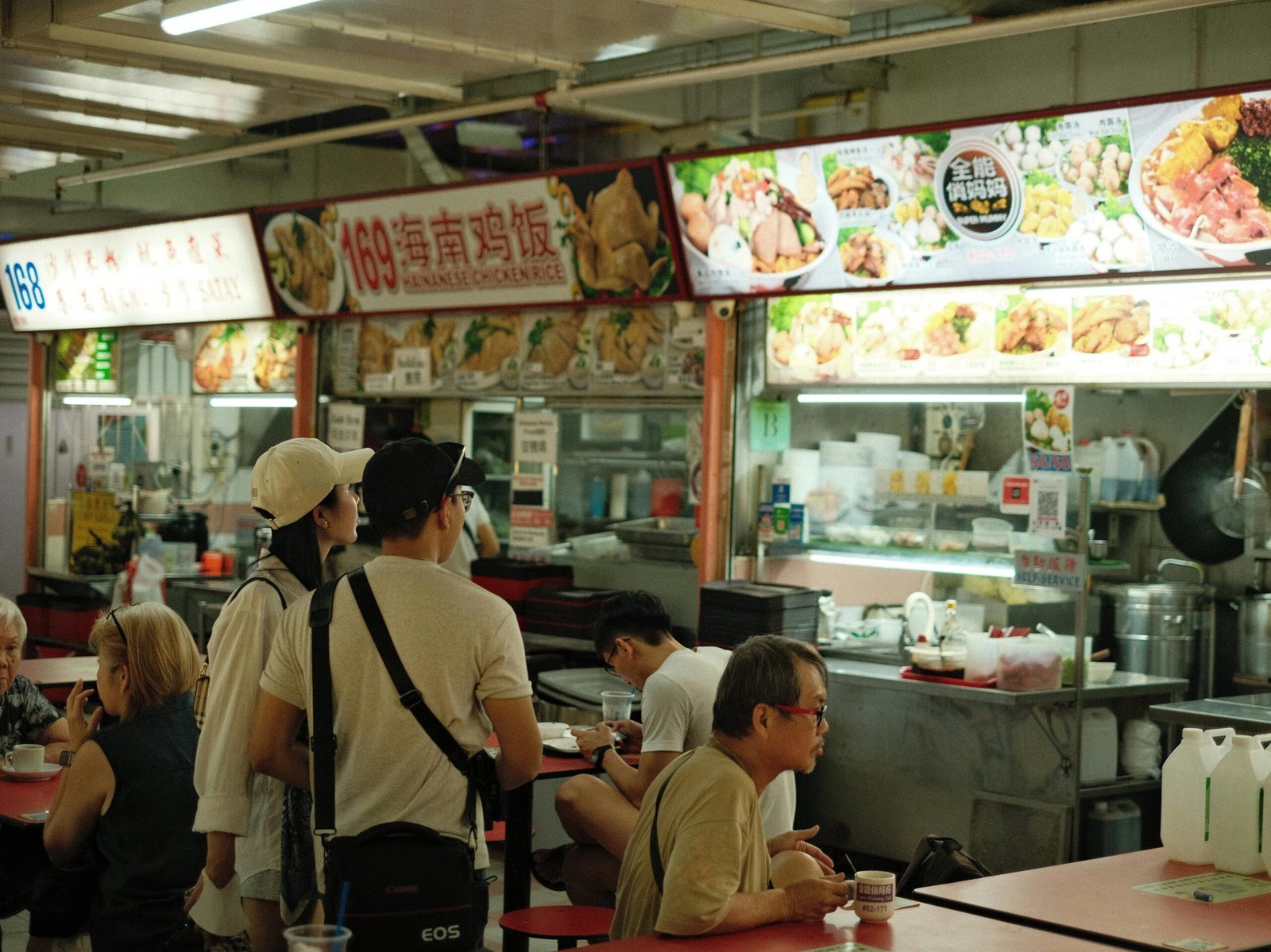
Singapore is famous for its hawker centers, which offer affordable meals without compromising on quality. Typical meal prices:
- Hawker center meal: SGD 3 – 6
- Casual restaurant: SGD 15 – 40 per person
- Mid-range restaurant: SGD 50 – 100 per person
- High-end dining: SGD 150+ per person
Regular dining at hawker centers can significantly reduce monthly food expenses, especially for budget-conscious residents.
Transportation Costs
Transportation in Singapore is efficient and convenient, with a mix of public transport and private options.
Public Transport
The Mass Rapid Transit (MRT) system, buses, and taxis make getting around easy. Average monthly public transport costs:
- MRT and bus: SGD 100 – 200
- Taxi (per km): SGD 0.50 – 2, depending on distance and time of day
Purchasing an EZ-Link card for regular commuters provides discounts and convenience.
Private Transport
Owning a car in Singapore is notoriously expensive due to the high cost of Certificates of Entitlement (COE), insurance, and parking:
- COE for a new car: SGD 60,000 – 100,000
- Car insurance: SGD 1,500 – 4,000 per year
- Petrol: SGD 2 – 3 per liter
Many residents prefer public transportation or ride-hailing services due to these high costs.
Utilities and Internet
Utilities such as electricity, water, and gas vary depending on apartment size and usage. Typical monthly costs include:
- Electricity and water: SGD 100 – 250
- Gas: SGD 30 – 50
- Internet (high-speed broadband): SGD 40 – 80
Most residential buildings have reliable infrastructure, making utility management straightforward.
Healthcare Costs
Singapore offers world-class healthcare, but it can be expensive for expatriates without insurance.
- Doctor consultation (private clinic): SGD 50 – 100
- Specialist consultation: SGD 150 – 300
- Health insurance: SGD 200 – 500 per month depending on coverage
Many employers provide healthcare benefits, which significantly reduce out-of-pocket expenses for expatriates.
Education Costs
For families, education costs are another major consideration. Public schools are highly subsidized, while private and international schools can be costly:
- Public school: SGD 100 – 300 per month (for citizens and PRs)
- International school tuition: SGD 20,000 – 50,000 per year
Scholarships, grants, and government schemes can help offset these costs for locals.
Lifestyle and Entertainment
Singapore offers a range of lifestyle and leisure options:
- Gym membership: SGD 80 – 150 per month
- Cinema ticket: SGD 10 – 15
- Nightlife and bars: SGD 15 – 50 per drink
- Monthly social activities and hobbies: SGD 200 – 500
Budgeting for entertainment depends on personal preferences and social habits.
Cost of Living Summary
Here’s an estimated monthly budget for a single expatriate living in Singapore:
- Housing (1-bedroom, city center): SGD 3,500
- Utilities: SGD 150
- Groceries: SGD 400
- Transportation: SGD 150
- Eating Out: SGD 400
- Healthcare: SGD 200
- Leisure & Miscellaneous: SGD 300
Total: SGD 5,100 – 6,000 per month
Families with children or those living in private housing can expect significantly higher costs.

FAQs About the Cost of Living in Singapore
Is Singapore an expensive city to live in?
Yes, Singapore consistently ranks as one of the most expensive cities in the world, particularly for housing, cars, and imported goods.
How much does a single person need per month in Singapore?
A single expat may need around SGD 5,000 – 6,000 per month to cover rent, food, transport, healthcare, and leisure.
Can I live comfortably on a Singaporean salary?
It depends on your income and lifestyle. Many locals earn enough to live comfortably, but expatriates may need higher salaries to match similar living standards.
Are there ways to save money in Singapore?
Yes, using public transportation, eating at hawker centers, living outside the city center, and shopping at local markets can help reduce expenses.
Final Thoughts
Singapore offers an exceptional quality of life, excellent healthcare, education, and career opportunities. However, its high cost of living means careful financial planning is essential. By understanding housing, food, transportation, healthcare, and lifestyle costs, expats and residents can budget effectively and enjoy everything this dynamic city has to offer.
While Singapore is expensive, the convenience, safety, and opportunities make it an attractive destination for professionals, families, and adventurers alike. Planning your budget in advance and making informed choices can help you thrive in this vibrant city-state in 2026.
Planning to know more about Singapore? READ Singapore Travel Guide: Discover Asia’s Futuristic Garden City