Introduction
Indonesia, a vibrant archipelago of over 17,000 islands, is a popular destination for travelers, digital nomads, and expats. From the bustling streets of Jakarta to the serene beaches of Bali, living in Indonesia offers a unique blend of culture, adventure, and affordability. But how much will it cost to live in Indonesia in 2026? In this guide, we’ll break down the expenses, compare city costs, and provide tips to manage your budget efficiently.
Understanding the Cost of Living in Indonesia
The cost of living in Indonesia can vary widely depending on location, lifestyle, and personal preferences. Major cities like Jakarta and Bali tend to be more expensive than smaller towns or rural areas. Factors influencing your budget include housing, food, transportation, healthcare, and entertainment.
Housing Costs
Housing is often the largest monthly expense for expats in Indonesia. Options range from budget apartments to luxury villas.
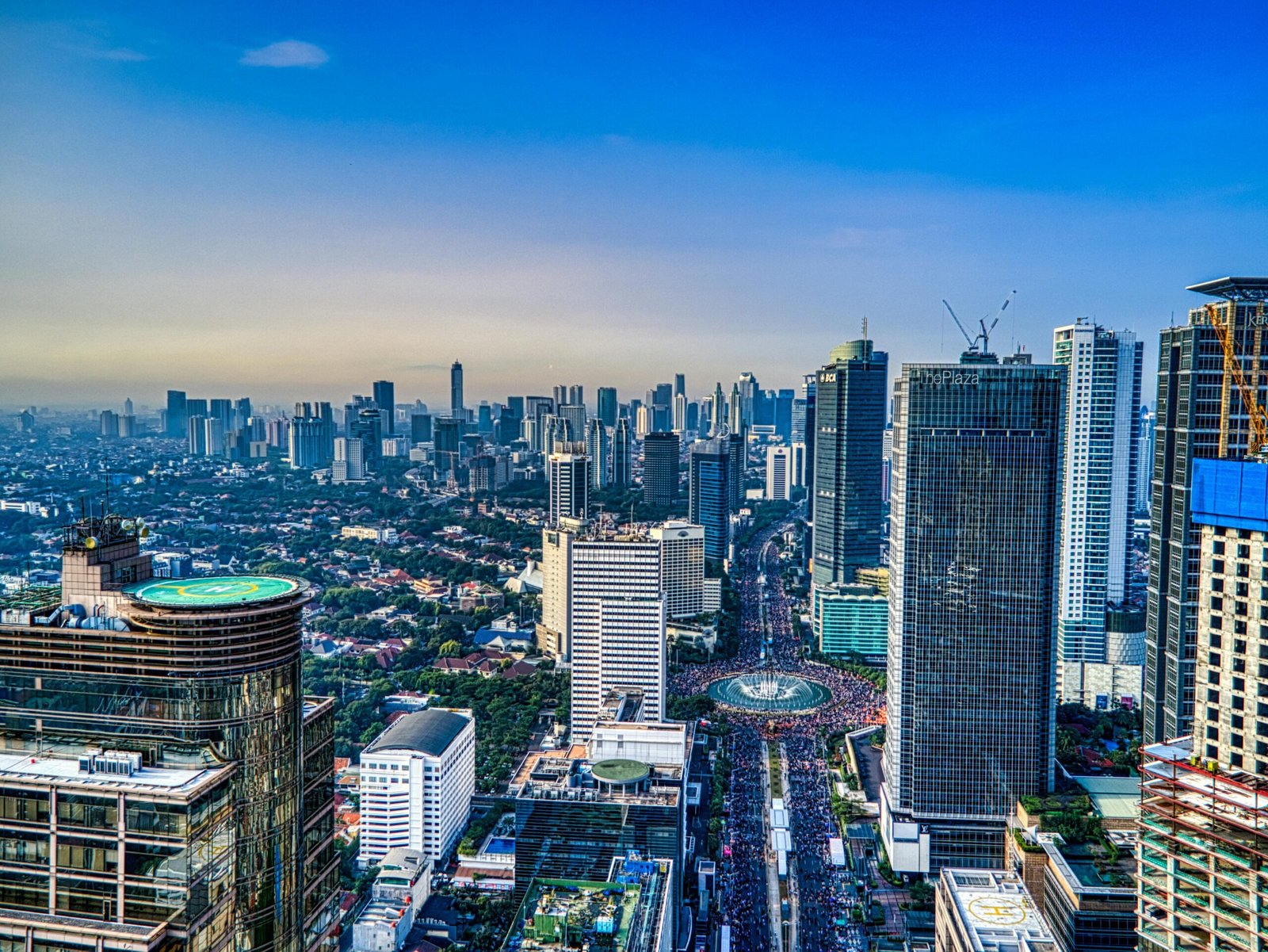
- Jakarta: A one-bedroom apartment in the city center can cost around IDR 7,000,000 to 12,000,000 ($460–$790) per month, while outside the center, prices drop to IDR 4,000,000 to 7,000,000 ($260–$460).
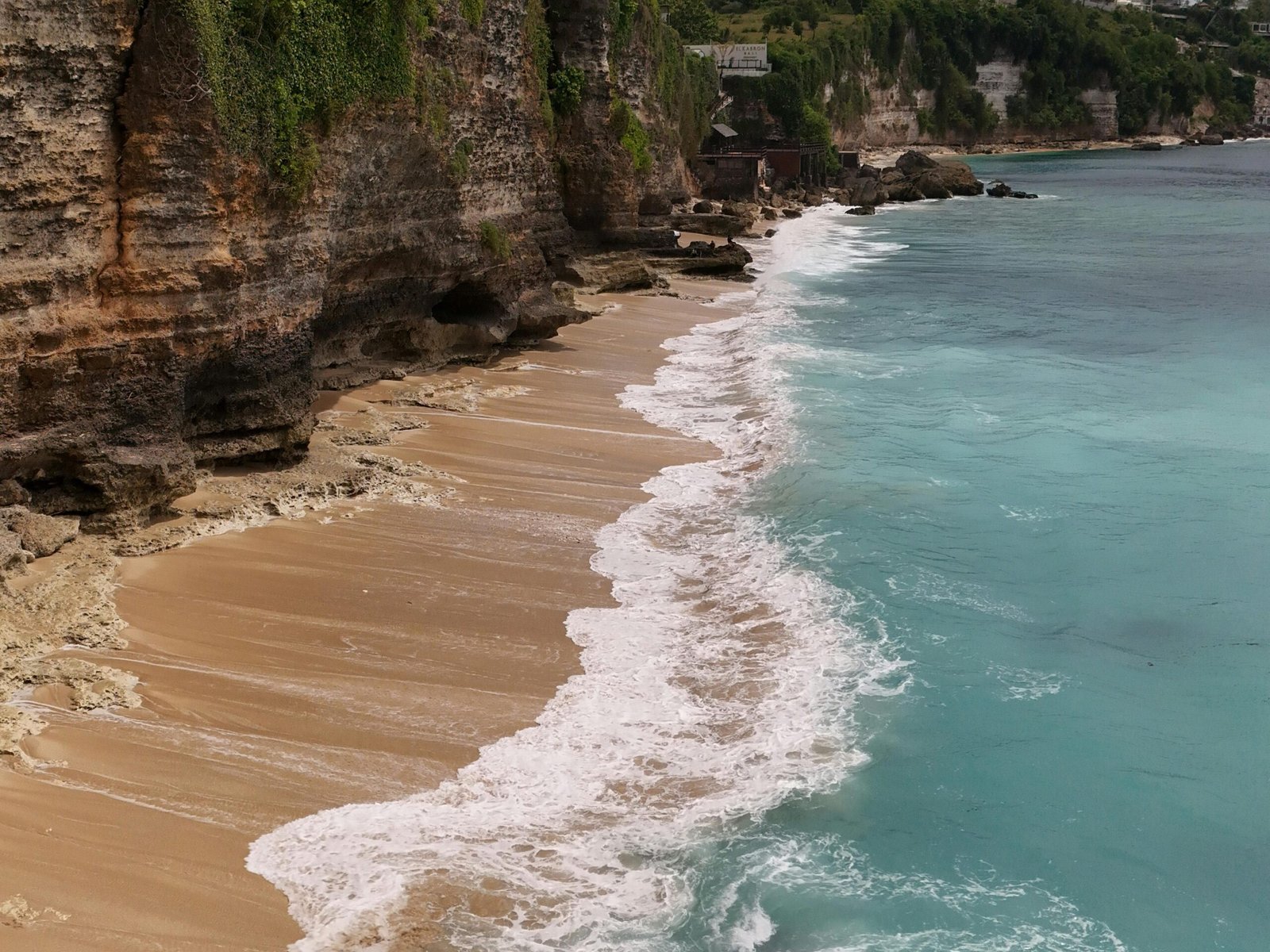
- Bali: Popular among digital nomads, Bali’s one-bedroom apartments in tourist areas range from IDR 5,000,000 to 10,000,000 ($330–$660), with villas in prime locations costing significantly more.
- Other Cities: Yogyakarta, Surabaya, and Bandung offer affordable housing, often below IDR 4,000,000 ($260) for a comfortable apartment.
Renting longer-term contracts usually reduces monthly costs, and shared accommodations are a great option for budget-conscious residents.
Food and Dining
Food in Indonesia is inexpensive, especially if you embrace local cuisine. Street food, warungs (small local restaurants), and markets offer fresh meals at low prices.
- Local meals: IDR 15,000–40,000 ($1–$3)
- Mid-range restaurants: IDR 80,000–150,000 ($5–$10) per person
- Groceries: Monthly groceries for one person typically cost IDR 2,500,000–4,000,000 ($165–$260), depending on diet and shopping habits.

Western food and imported products are pricier but still reasonable compared to many Western countries.
Transportation Costs
Indonesia’s transportation costs are generally low. Options include public transport, ride-hailing apps, motorbike rentals, and private vehicles.
- Public transport: Buses and trains in Jakarta cost under IDR 20,000 ($1.30) per trip.
- Ride-hailing apps: Grab and Gojek are popular, with trips starting at IDR 10,000–15,000 ($0.70–$1).
- Motorbike rentals: IDR 600,000–1,000,000 ($40–$65) per month
- Owning a car: More expensive due to fuel, parking, and maintenance costs.
For many expats, using a combination of motorbikes and ride-hailing services is the most cost-effective approach.
Utilities and Internet
Monthly utilities in Indonesia include electricity, water, gas, and internet. Costs vary depending on usage, housing type, and location.
- Electricity and water: IDR 500,000–1,500,000 ($33–$100)
- Internet: IDR 300,000–600,000 ($20–$40) per month for a reliable high-speed connection
- Mobile plans: IDR 50,000–150,000 ($3–$10) monthly
Bali and other tourist-heavy areas often have slightly higher utility costs due to air conditioning and lifestyle demands.
Healthcare Costs
Indonesia has both public and private healthcare options. Many expats prefer private hospitals for faster service and higher standards.
- Doctor visit: IDR 200,000–500,000 ($13–$33)
- Health insurance: International health insurance ranges from $50–$150 per month depending on coverage
- Medication: Prescription drugs are relatively affordable, but imported medicines can be more expensive
Routine healthcare costs are lower than in Western countries, but comprehensive insurance is recommended for expats.
Entertainment and Lifestyle
Living in Indonesia doesn’t have to be expensive when it comes to leisure activities:
- Cinema ticket: IDR 50,000–70,000 ($3–$5)
- Gym membership: IDR 300,000–700,000 ($20–$45) per month
- Coffee shops and casual outings: IDR 25,000–75,000 ($1.50–$5) per drink or snack
Beach trips, cultural experiences, and exploring local attractions are often budget-friendly or even free.
City Comparison: Where to Live in Indonesia
Different cities offer different cost profiles:
- Jakarta: Expensive, urban lifestyle, more job opportunities, higher rent
- Bali: Popular among expats, mid-range to luxury cost, tourist-oriented services
- Yogyakarta & Bandung: Affordable, rich culture, slower pace, ideal for long-term stays
- Surabaya: Business hub, moderate cost, modern amenities
Choosing the right city depends on your budget, work opportunities, and lifestyle preferences.
Budgeting Tips for Expats
- Embrace local food and markets to save money.
- Use ride-hailing apps and motorbikes instead of taxis or cars.
- Consider long-term rentals for discounted housing rates.
- Shop at local markets for fresh produce rather than imported goods.
- Purchase local SIM cards and internet packages to reduce communication costs.
By adopting local habits, expats can significantly reduce living expenses while enjoying Indonesia’s rich culture.
FAQs About Cost of Living in Indonesia 2026
Q: Is Indonesia expensive to live in?
A: Overall, Indonesia is affordable, especially compared to Western countries. Costs vary by city, lifestyle, and accommodation choices.
Q: How much do I need to live comfortably in Indonesia?
A: For a single person, a comfortable monthly budget ranges from $800–$1,500, depending on location and lifestyle.
Q: Are imported goods expensive in Indonesia?
A: Yes, imported food, clothing, and electronics can be significantly more expensive than local products.
Q: Can I live in Indonesia on a tight budget?
A: Yes, living on a budget of $500–$800 per month is possible in smaller cities or towns using local housing and food options.
Q: Is healthcare affordable in Indonesia?
A: Basic healthcare is inexpensive, but expats often use private hospitals and international insurance for better quality service.
Final Thoughts
Indonesia offers a diverse and affordable lifestyle for expats, travelers, and digital nomads in 2026. By understanding the costs of housing, food, transportation, healthcare, and entertainment, you can plan your budget and enjoy the vibrant culture without breaking the bank. Whether you’re drawn to Bali’s beaches, Jakarta’s urban life, or Yogyakarta’s cultural charm, Indonesia provides a cost-effective and enriching living experience.
Planning to explore Indonesia? READ HERE!


🌏 Photo of the Day