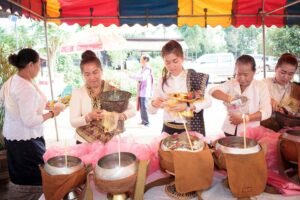
Cambodian cuisine, also known as Khmer cuisine, is a delightful and diverse reflection of Cambodia’s rich culture and history. Combining influences from neighboring countries like Thailand, Vietnam, and China, Cambodian food is aromatic, flavorful, and often features a harmonious balance of sweet, sour, salty, and bitter tastes. For food lovers and travelers alike, exploring Cambodian cuisine is a journey through the heart of this beautiful Southeast Asian nation.
The Foundations of Cambodian Cuisine
Core Ingredients
Cambodian cuisine relies on fresh, local ingredients that bring dishes to life. Common staples include rice, fish, fresh herbs, and tropical fruits. Rice is central to nearly every meal, often served steamed, in soups, or as sticky rice. Fish, especially from the Tonle Sap Lake, is widely used, and prahok, a fermented fish paste, is a unique ingredient that gives Khmer dishes their distinctive flavor.
Fresh herbs such as lemongrass, kaffir lime leaves, and coriander are often added to soups, curries, and sauces. Tamarind, palm sugar, and lime juice balance flavors in sweet, sour, and savory dishes.
Cooking Techniques
Cambodian cooking emphasizes simplicity and freshness. Common techniques include grilling, stir-frying, steaming, and slow-cooking in clay pots. Many traditional recipes rely on aromatic broths and pastes to bring out natural flavors rather than heavy spices.
Popular Cambodian Dishes
Amok Trey
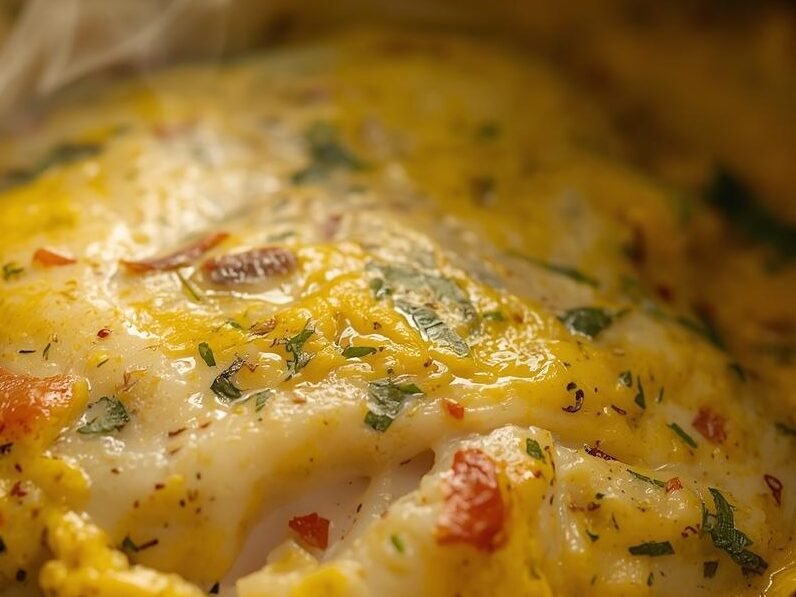
Amok Trey is perhaps the most famous Cambodian dish. This steamed fish curry is made with coconut milk, eggs, and a fragrant spice paste called kroeung. Traditionally cooked in banana leaves, amok has a custard-like texture and a subtle, creamy flavor that is uniquely Khmer.
Samlor Korkor
Known as Cambodia’s national soup, Samlor Korkor is a hearty vegetable and meat stew made with kroeung paste, fish, and seasonal vegetables. It represents the ingenuity of Cambodian home cooking and is often served with steamed rice.
Lok Lak
Lok Lak is a popular stir-fried beef dish marinated in a savory sauce of soy, oyster sauce, and lime juice. Typically served with rice, fresh vegetables, and a fried egg on top, Lok Lak is a favorite among locals and tourists alike.
Nom Banh Chok
Nom Banh Chok, or Cambodian rice noodle salad, is a popular breakfast dish. Fresh rice noodles are topped with a green fish-based curry sauce and garnished with herbs and vegetables. It is light, flavorful, and perfect for starting the day.
Kuy Teav
Kuy Teav is a traditional noodle soup served at breakfast and often includes beef or pork, garnished with bean sprouts, lime, and fresh herbs. The clear, flavorful broth is a staple in Cambodian households.
Cambodian Street Food Culture
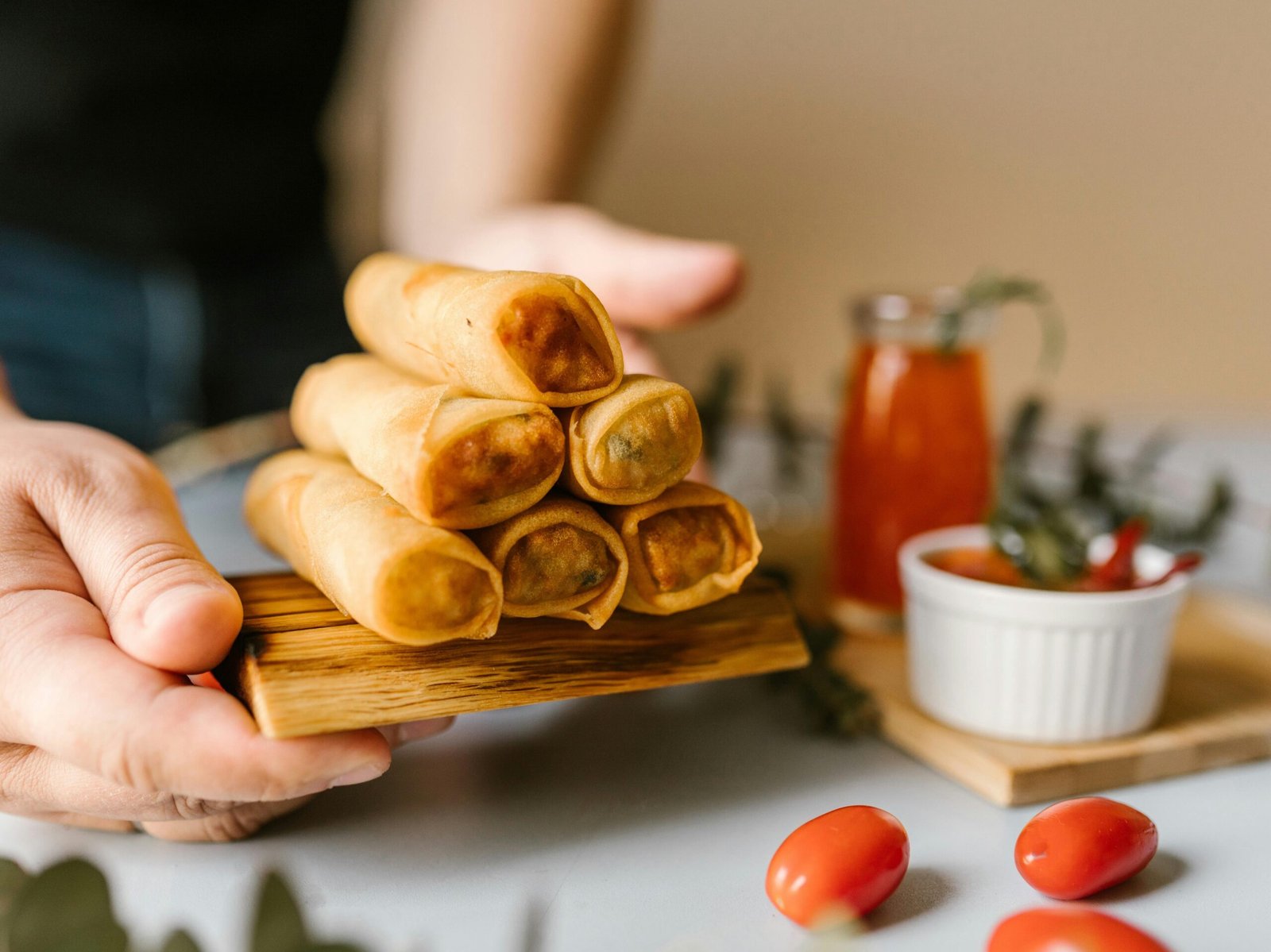
Street food is a significant part of Cambodia’s culinary scene. In cities like Phnom Penh and Siem Reap, street vendors sell a wide variety of snacks and meals that are both affordable and delicious. Popular street foods include fried spring rolls, grilled skewers, fresh fruit shakes, and the unusual but traditional fried tarantulas, a local delicacy.
Street food not only offers a taste of authentic Cambodian flavors but also reflects the communal and social nature of dining in the country. Sharing a meal from a street vendor is as much about experience as it is about taste.
Desserts and Sweet Treats
Cambodian desserts are often simple, made from rice, coconut milk, and palm sugar. Popular treats include Num Ansom, a sticky rice cake wrapped in banana leaves, and Nom Chak Kachan, a layered jelly made from tapioca starch and coconut milk. Fresh tropical fruits like mango, rambutan, and dragon fruit also play a prominent role in Cambodian desserts.
Cambodian Beverages
Traditional Cambodian drinks include iced coffee, fresh coconut water, and fermented rice wine. Lemon grass tea and palm juice are also commonly consumed. Many beverages complement meals by balancing the savory, sweet, and spicy notes in Khmer cuisine.
Experiencing Cambodian Cuisine Abroad
With the rise of Cambodian restaurants worldwide, food enthusiasts can now explore Khmer cuisine without traveling to Cambodia. However, the authentic experience is best enjoyed in local markets, roadside stalls, and family-run restaurants in Cambodia, where the dishes are prepared using traditional methods and fresh, local ingredients.
Tips for Trying Cambodian Cuisine
- Start with popular dishes like Amok Trey or Lok Lak for a gentle introduction to Khmer flavors.
- Be adventurous with street food, but ensure the stall maintains cleanliness and freshness.
- Don’t hesitate to ask locals for their favorite hidden gems—they often know the best dishes.
- Pair meals with traditional drinks like lemongrass tea or coconut water for a complete experience.
FAQs About Cambodian Cuisine
Q: Is Cambodian food spicy?
A: Cambodian cuisine is generally milder compared to Thai or Indian food. However, some dishes include chili, and spice levels can often be adjusted upon request.
Q: What is prahok?
A: Prahok is a fermented fish paste that is a staple in Khmer cooking, providing a salty, umami flavor to many dishes.
Q: Can Cambodian cuisine accommodate vegetarians?
A: Yes, many Cambodian dishes use vegetables, tofu, and rice noodles. Dishes like vegetable samlor and stir-fried greens are suitable for vegetarians.
Q: What should I drink with Cambodian meals?
A: Iced coffee, fresh fruit shakes, coconut water, or lemongrass tea complement Cambodian dishes well.
Q: Where can I try authentic Cambodian cuisine?
A: Authentic experiences are best in Cambodia itself, particularly in Phnom Penh and Siem Reap, but several restaurants worldwide specialize in Khmer cuisine.
Final Thoughts
Cambodian cuisine is a hidden gem of Southeast Asia, offering rich flavors, unique ingredients, and dishes steeped in history and tradition. From aromatic curries and hearty soups to street food delicacies and tropical desserts, Khmer food provides a full sensory journey for anyone eager to explore it. Whether you are visiting Cambodia or seeking Khmer flavors at home, understanding and savoring Cambodian cuisine is a gateway to the country’s culture, traditions, and heart.
Exploring Cambodian cuisine is not just about eating—it’s about experiencing a culture that celebrates balance, freshness, and creativity in every meal. For travelers, food enthusiasts, and culinary adventurers, Cambodian cuisine promises an unforgettable taste of Southeast Asia.
Enjoyed this guide? Explore more articles on Cambodian travel tips, must-visit places, and business insights to discover everything Cambodia has to offer. READ HERE!