Myanmar is home to one of Southeast Asia’s most unique and underrated food cultures. Burmese cuisine combines rich flavors, fresh ingredients, and cooking traditions that have developed over centuries.
The country’s food reflects influences from its many ethnic groups as well as neighboring countries such as Thailand, India, and China. As a result, Myanmar cuisine offers a wide variety of dishes, from refreshing salads and flavorful curries to comforting noodle soups and street food snacks.
Whether you are an adventurous traveler or simply enjoy authentic Asian food, Burmese cuisine offers a memorable mix of textures, spices, and regional flavors.
In this in-depth guide, we explore the essential components of Myanmar’s food culture: traditional dishes, regional specialties, must-try street food, cooking methods, and the cultural significance behind each meal.
What Makes Myanmar Cuisine Unique?
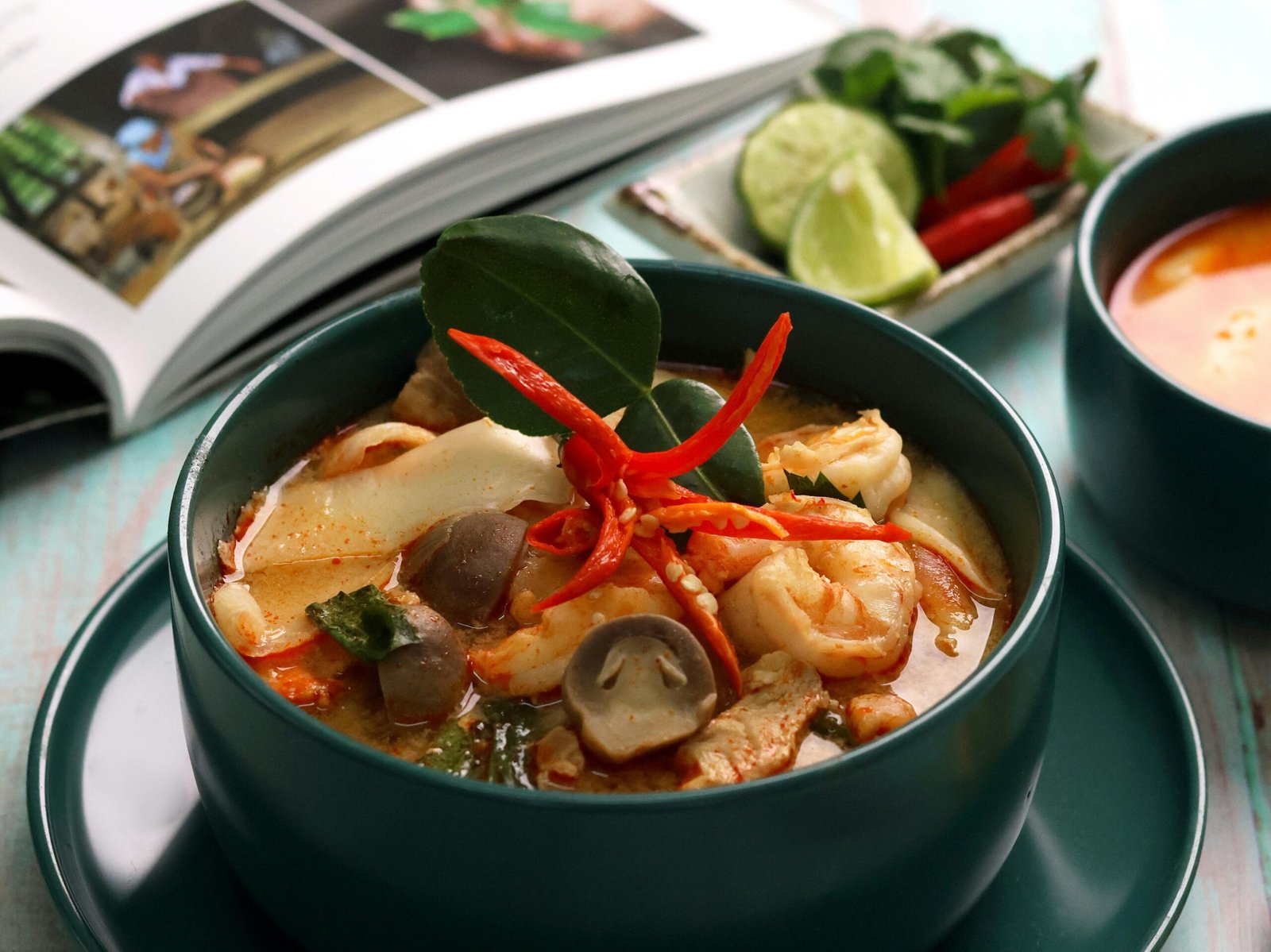
Myanmar cuisine stands out because of its harmonious balance of flavors—salty, sour, spicy, and umami. It is influenced by neighboring countries like Thailand, India, and China, yet it maintains a distinct identity.
Key Characteristics of Burmese Food
Bold use of fermented ingredients:
Ngapi (fermented fish paste) is the backbone of many dishes, providing deep umami flavor.
Diverse ethnic influences:
With over 135 ethnic groups, Myanmar’s food varies by region, from the Shan dishes in the north to coastal seafood-based recipes in the south.
Strong use of fresh herbs:
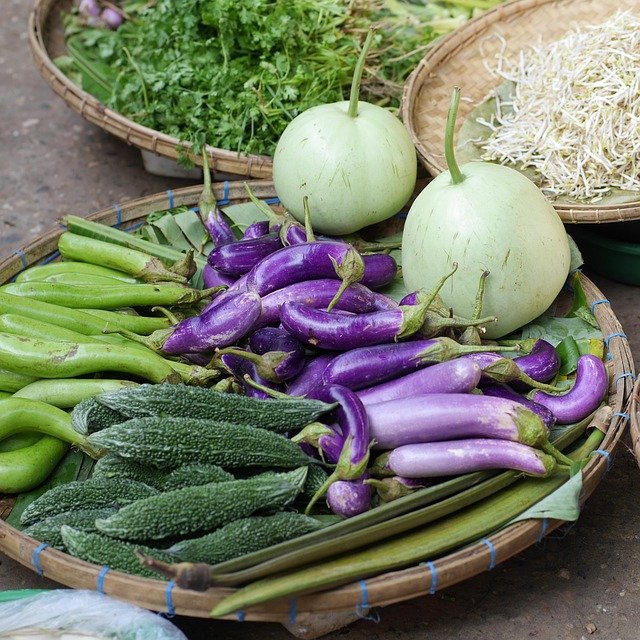
Lemongrass, coriander, mint, basil, and ginger bring fragrance and freshness.
Variety of textures:
Crunchy toppings, soft noodles, thick broths, and crispy fritters are often combined in one dish.
Essential Dishes in Myanmar Cuisine
Myanmar’s culinary landscape is rich, diverse, and full of bold flavors. Influenced by neighboring countries such as Thailand, India, and China, Burmese cuisine combines savory, sour, spicy, and earthy tastes. Below are some of the most popular dishes you should try when visiting Myanmar.
Mohinga: Myanmar’s National Dish
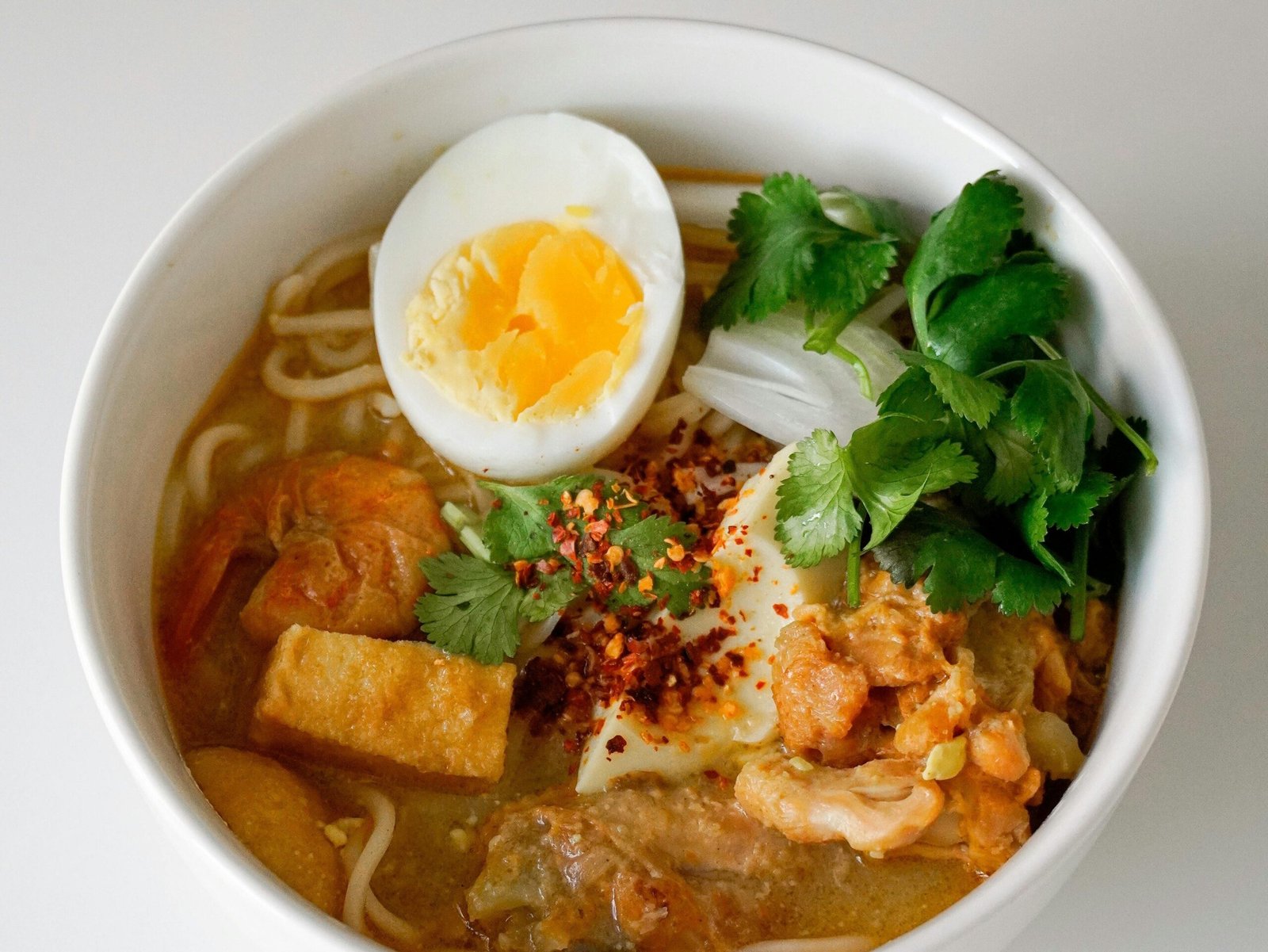
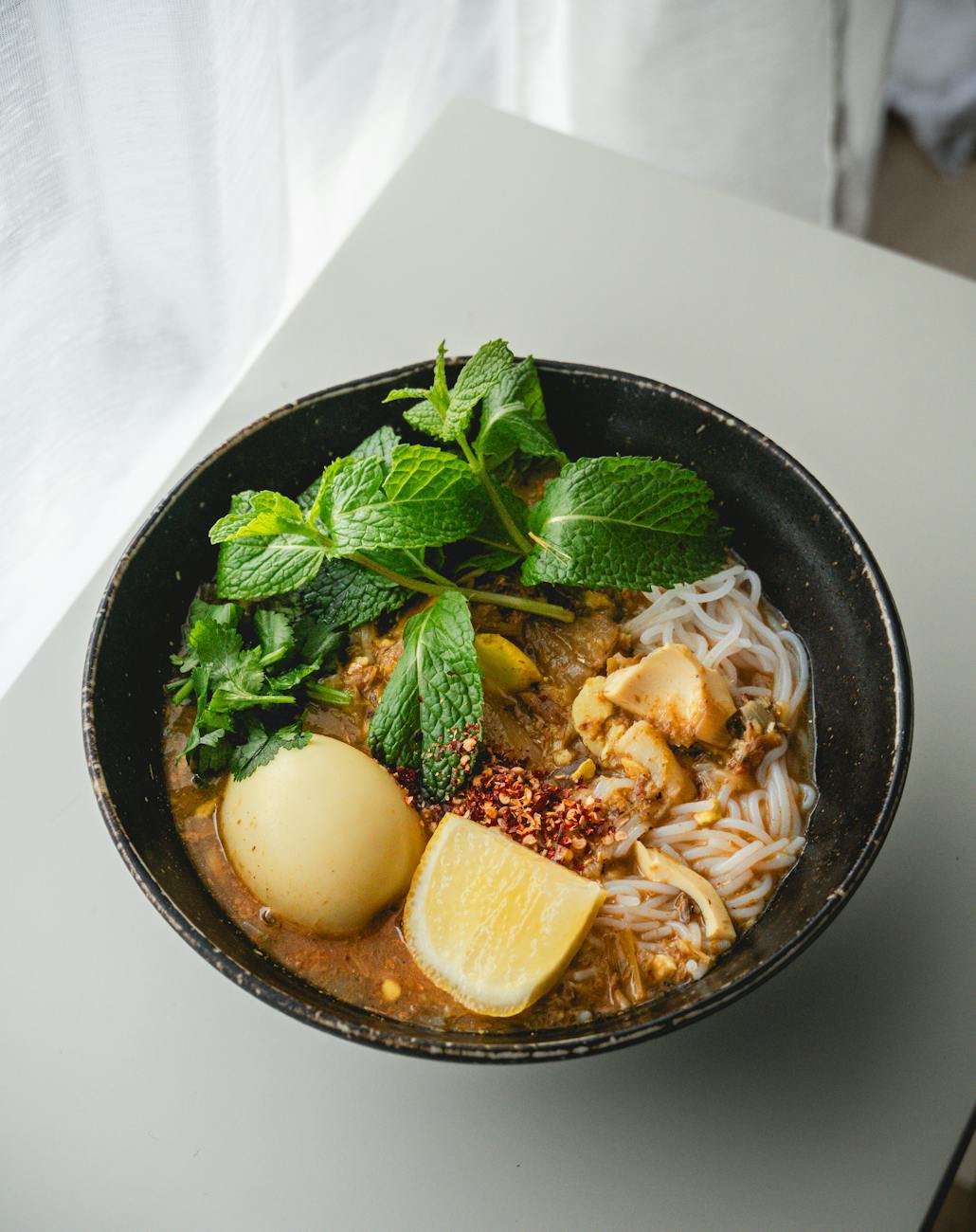
Mohinga is widely regarded as the national dish of Myanmar. This traditional rice noodle soup features a rich fish-based broth flavored with lemongrass, turmeric, garlic, and onions.
In addition, the dish is often topped with crispy fritters, boiled eggs, and fresh herbs. Although it is traditionally eaten for breakfast, many people enjoy Mohinga throughout the day. You can easily find it at street stalls and local restaurants across the country.
Shan Noodles: A Northern Favorite
Shan noodles originate from Myanmar’s Shan State and are loved for their simple yet delicious flavor. The dish can be served either as a soup or as dry noodles.
Typically, Shan noodles include rice noodles topped with marinated chicken or pork, chili oil, pickled vegetables, and crushed peanuts. As a result, the dish offers a balanced combination of savory and spicy flavors that appeal to both locals and tourists.
Tea Leaf Salad (Lahpet Thoke)
Lahpet Thoke is one of Myanmar’s most famous salads. Made with fermented tea leaves, this unique dish delivers a mix of bold flavors and crunchy textures.
The salad usually contains shredded cabbage, tomatoes, sesame seeds, fried beans, garlic chips, crunchy nuts, and lime juice. Furthermore, Lahpet Thoke represents hospitality and social tradition in Burmese culture.
Burmese Curry
Burmese curry is different from both Thai and Indian curries. While it is generally milder, it still offers rich and comforting flavors.
These curries are slow-cooked with onions, garlic, tomatoes, and turmeric. Common protein choices include chicken, beef, pork, or fish. In most cases, Burmese curry is served with side dishes such as fresh vegetables, salads, rice, and spicy dipping sauces.
Nan Gyi Thoke: Burmese Noodle Salad
Nan Gyi Thoke is a popular Burmese noodle salad made with thick rice noodles and a flavorful curry sauce. The dish also includes fried onions and boiled eggs.
Because it is rich and filling, Nan Gyi Thoke is commonly eaten for breakfast or lunch. Its mild spice level and comforting texture make it a favorite among locals.
Popular Street Foods in Myanmar
Street food plays an important role in the culinary culture of Myanmar. Across busy markets and roadside stalls, visitors can discover a wide variety of flavorful snacks and affordable meals.
Samosa Salad
Samosa salad is a popular fusion dish that highlights the strong Indian influence on Burmese cuisine. The dish combines chopped samosas with lentils, cabbage, mint, and a tangy tamarind dressing.
As a result, it offers a delicious mix of crunchy textures and bold flavors. Many locals enjoy it as a quick street snack or light meal.
Mont Lin Ma Yar
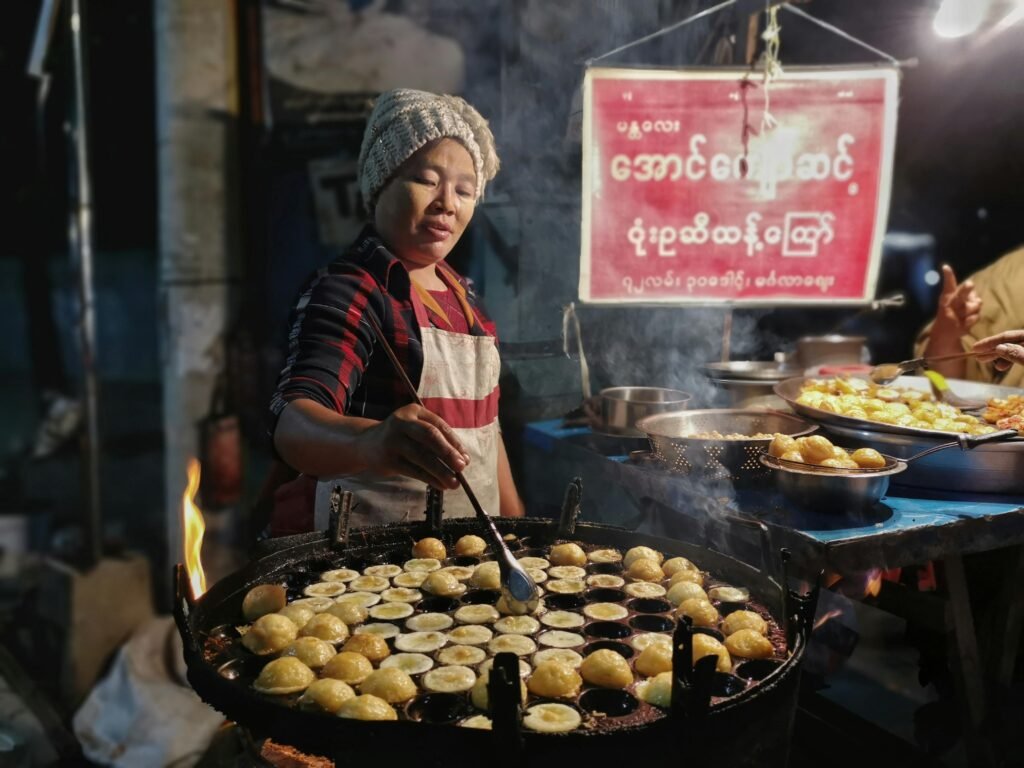
Mont Lin Ma Yar, often called “couple cakes,” is one of the most loved street foods in Myanmar. These small rice flour pancakes are crispy on the outside and soft on the inside.
Typically, vendors grill them fresh and fill them with quail eggs, scallions, and spices. You can commonly find this snack in the streets of Yangon.
Burmese Paratha
Burmese paratha is a flaky and buttery flatbread often served at tea shops throughout Myanmar. People usually eat it with chickpea curry for a savory meal or with sugar for a sweeter option.
Because it is filling and affordable, Burmese paratha remains a favorite breakfast choice among locals.
Regional Variations of Myanmar Cuisine
Myanmar’s ethnic diversity has created a rich variety of regional cooking styles. Each area offers unique ingredients, flavors, and traditional dishes.
Shan State Cuisine
Cuisine from Shan State is generally lighter and less oily than dishes from other parts of Myanmar. The flavors are usually mild yet comforting.
Popular dishes include Shan rice, Shan tofu, and traditional noodle soups. These meals are widely enjoyed throughout the country.
Rakhine State Cuisine
Rakhine cuisine is famous for its bold spices and seafood-based dishes. Compared to other regional foods, the flavors are often hotter and more intense.
One of the best-known dishes is Rakhine Mohinga, a spicier and lighter version of the traditional Burmese noodle soup.
Chin State Cuisine
Food from Chin State is heavily influenced by tribal cooking traditions. As a result, many dishes feature smoked meats, fermented ingredients, and wild herbs.
These earthy flavors give Chin cuisine a unique identity within Myanmar’s food culture.
Kachin State Cuisine
Kachin cuisine focuses on fresh and natural ingredients. Common ingredients include river fish, banana stems, ginger, and locally grown herbs.
In addition, many dishes emphasize simple cooking methods that preserve the natural flavors of the ingredients.
Common Ingredients Used in Myanmar Cooking
Burmese cooking depends heavily on fresh local ingredients and aromatic seasonings. Understanding these ingredients helps explain the depth and complexity of Myanmar cuisine.
Fermented Fish Paste (Ngapi)
Ngapi is considered one of the most important ingredients in Burmese cooking. It is commonly used in soups, curries, salads, and dipping sauces.
Because of its strong savory flavor, Ngapi adds depth and richness to many traditional dishes.
Tamarind
Tamarind is widely used to add sourness to salads, soups, and sauces. Its refreshing flavor helps balance spicy and savory ingredients.
Rice and Rice Noodles
Rice and rice noodles are staple foods in Myanmar. They are commonly used in soups, salads, noodle dishes, and street snacks.
Lemongrass, Turmeric, Ginger, and Garlic
These aromatic ingredients form the foundation of many Burmese recipes. Together, they create the distinctive flavors found in traditional Myanmar cuisine.
Coconut Milk
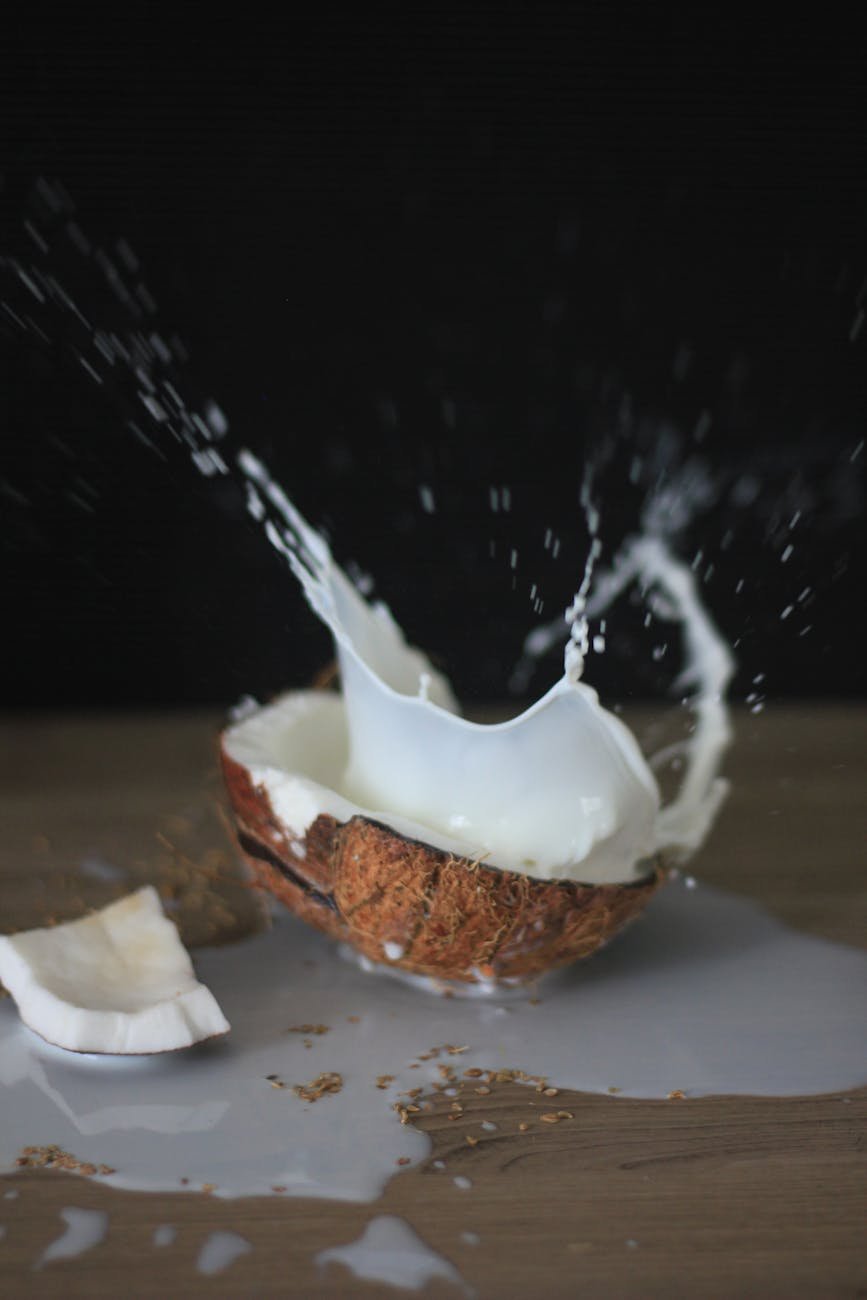
Used in some curries and desserts for a creamy texture.
Desserts and Sweet Treats
While not overly sweet, Burmese desserts offer delicate flavors.
Shwe Yin Aye
A popular dessert made from coconut milk, sago, jelly, and ice—perfect for hot days.
Mont Lone Yay Paw
Rice flour dumplings filled with palm sugar and served during traditional festivals.
Coconut Jaggery Sweets
Simple but delicious treats made from coconut and unrefined cane sugar.
Eating Culture and Traditions in Myanmar
Food plays a central role in Myanmar’s social and cultural life.
Tea Shop Culture
Tea shops are the heart of Myanmar’s social gatherings. People visit to drink strong milk tea, enjoy snacks, and relax with friends.
Family-Style Dining
Meals are shared, with multiple small dishes placed in the center of the table. Sharing symbolizes unity and respect.
Food and Festivals
Traditional foods are often prepared during festivals like Thingyan (Water Festival), Harvest Festival, and Thadingyut.
FAQs About Myanmar Cuisine
What is the national dish of Myanmar?
Mohinga is widely recognized as Myanmar’s national dish. This traditional meal features rice noodles served in a flavorful fish broth with herbs and spices.
Is Myanmar food spicy?
Some Burmese dishes can be quite spicy, especially foods from Rakhine State. However, most Myanmar cuisine focuses on balanced flavors rather than intense heat. In many cases, cooks combine savory, sour, earthy, and mildly spicy ingredients.
What ingredients are most common in Burmese cooking?
Myanmar cooking commonly includes ingredients such as Ngapi (fermented fish paste), turmeric, garlic, onions, tamarind, rice noodles, and coconut milk. In addition, fresh herbs and spices play an important role in many traditional dishes.
Is Myanmar cuisine similar to Thai or Indian food?
Myanmar cuisine shares certain similarities with both Thailand and India because of regional influences and trade connections. However, Burmese food still maintains its own unique flavors, cooking techniques, and textures.
What vegetarian options are available in Myanmar cuisine?
Myanmar cuisine offers many vegetarian-friendly dishes. Popular options include tea leaf salad, vegetable curries, Shan-style tofu dishes, and vegetarian noodle meals. Furthermore, many traditional recipes use fresh vegetables, herbs, and legumes as key ingredients.
Final Thoughts
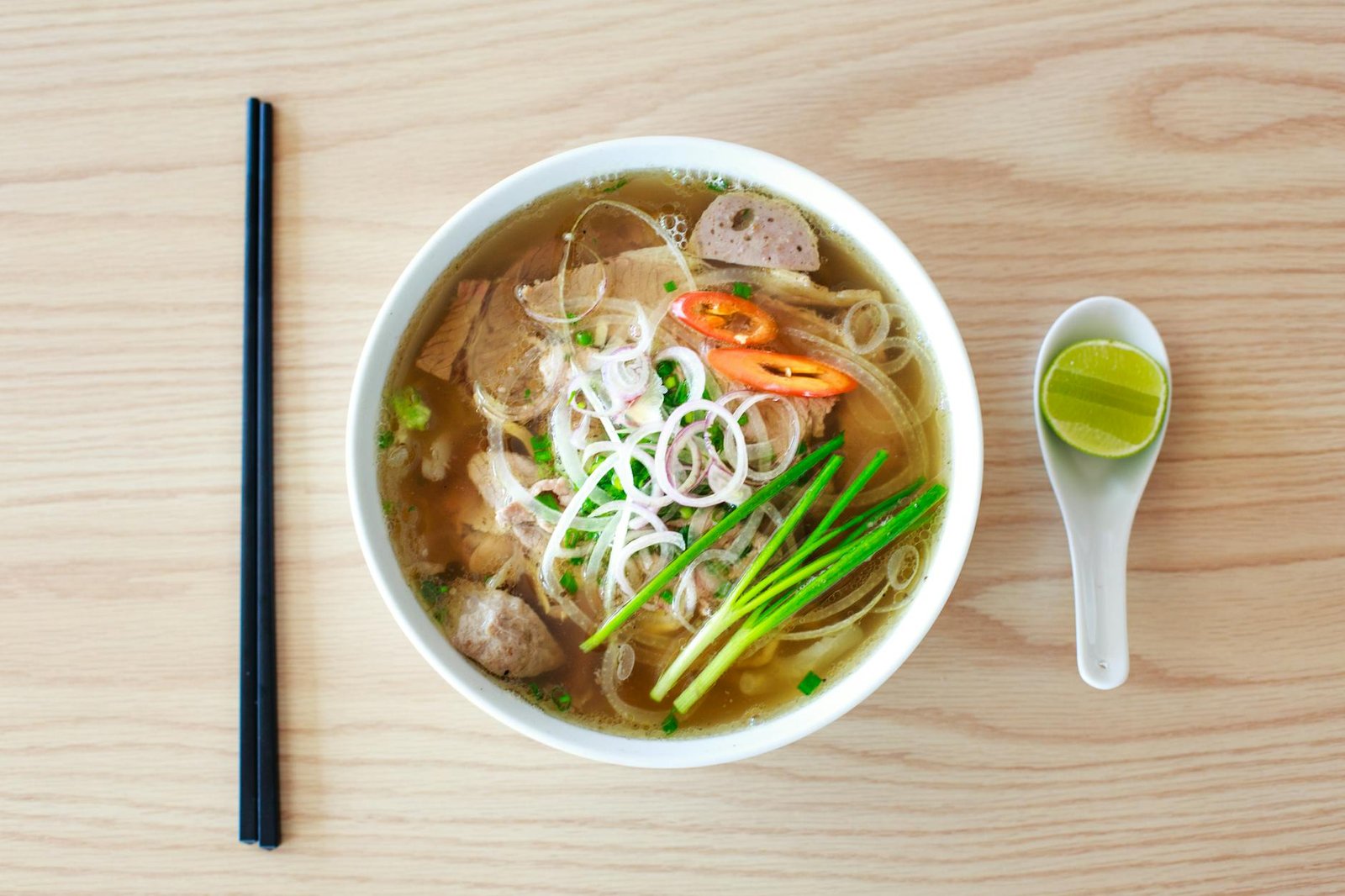
Myanmar cuisine reflects the country’s rich history, diverse geography, and vibrant cultural traditions. From a comforting bowl of Mohinga to a refreshing tea leaf salad, every dish offers a unique combination of flavors and ingredients.
In addition, Myanmar’s bustling street food culture gives visitors the chance to experience authentic local cooking at its finest. Whether you explore busy markets or traditional tea shops, you will discover meals that are both flavorful and memorable.
Because Burmese cuisine blends savory, sour, spicy, and earthy tastes, it delivers a culinary experience unlike any other in Myanmar. Furthermore, the country’s regional diversity adds even more depth to its food culture.
Whether you plan to visit Myanmar or simply want to explore international cuisine, Burmese dishes are absolutely worth discovering.
If you enjoyed learning about Myanmar’s cuisine, there is still much more to explore. Be sure to check out our other guides for travel tips, cultural insights, and business information related to Myanmar. You can also discover the best places to visit, learn about local traditions, and explore opportunities for travel or investment throughout the country.
🌏 Travel Tip of the Day
Internet access can be limited — download essentials in advance.
🌏 Travel Photo of the Day