Vietnamese cuisine is globally celebrated for its freshness, balance, and bold flavors. Known for its harmonious use of herbs, vegetables, spices, and seasonings, Vietnamese food offers an extraordinary culinary experience rooted in centuries-old traditions. Whether you’ve tried pho in a street stall, enjoyed bánh mì from a local bakery, or tasted the unique flavors of central Vietnam’s royal dishes, each meal tells a story of culture, history, and identity. This guide delves deep into Vietnam’s cuisine, exploring its origins, essential ingredients, regional differences, and must-try dishes to fully appreciate what makes Vietnamese food truly special.
Understanding the Foundations of Vietnamese Cuisine
The Importance of Balance
Vietnamese cuisine follows the principle of balance—balancing flavors, textures, colors, and even nutritional properties. Dishes aim to harmonize:
- Sweetness from sugar or coconut
- Saltiness from fish sauce or salt
- Sourness from lime or tamarind
- Bitterness from certain herbs
- Umami from fermented sauces and broths
This results in meals that are not only delicious but also refreshing and wholesome.
Fresh Herbs and Vegetables
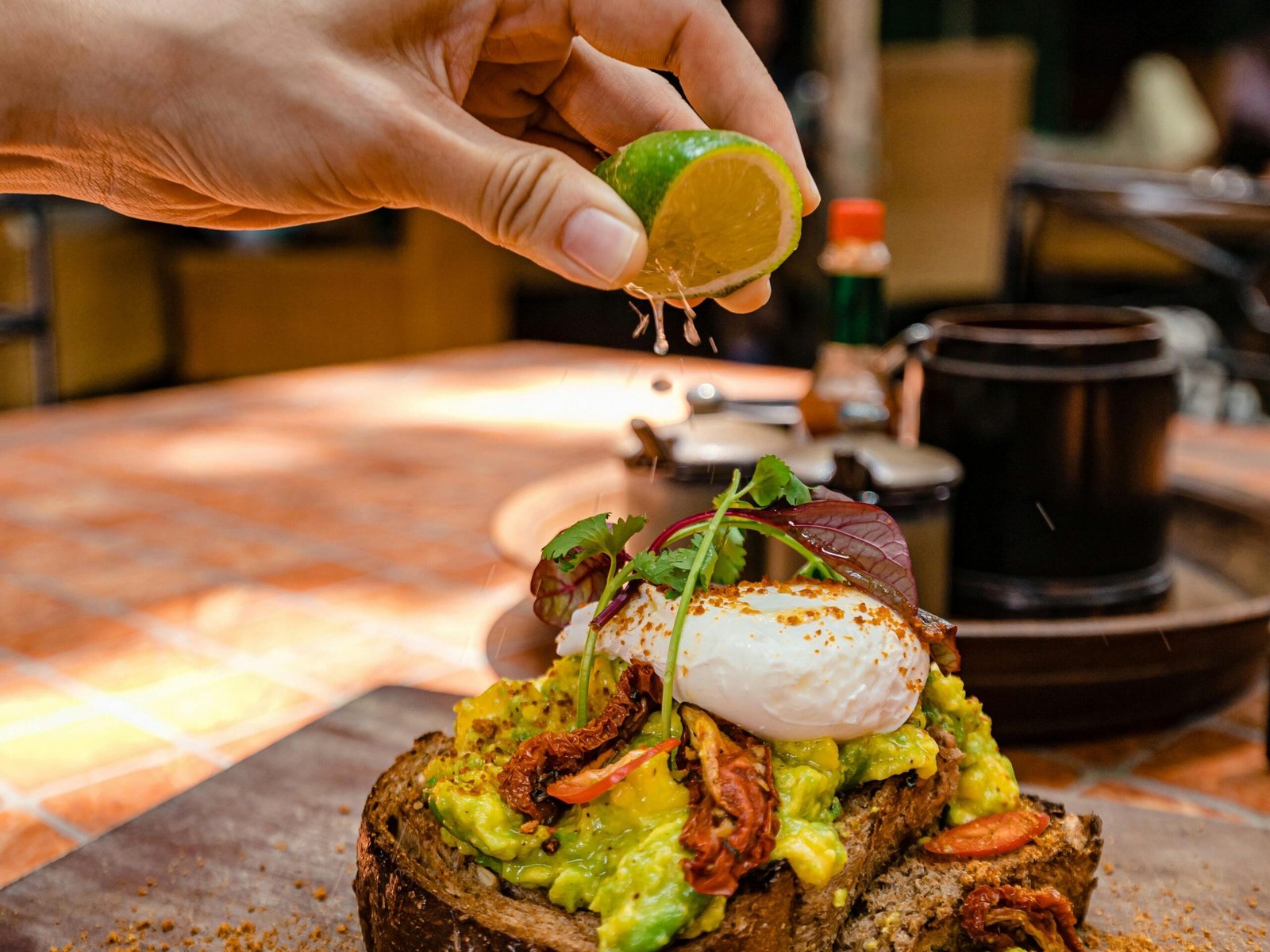
One of the most recognizable features of Vietnamese food is the abundant use of fresh herbs. Common herbs include:
- Mint
- Thai basil
- Cilantro
- Lemongrass
- Perilla leaves
- Green onions
These herbs enhance flavor, provide nutritional value, and give each dish its signature aroma.
Staple Ingredients That Define Vietnamese Food
Vietnamese dishes commonly rely on simple yet essential ingredients such as:
- Fish sauce (nước mắm): The backbone of Vietnamese seasoning
- Rice: Presented in many forms—steamed rice, noodles, rice paper, porridge, and cakes
- Fresh vegetables: Bean sprouts, lettuce, morning glory
- Spices: Star anise, chili, ginger, cinnamon
- Broths: Usually slow-cooked using beef, chicken, or bones for depth and aroma
These foundational components contribute to the cuisine’s distinctive, clean flavors.
Regional Differences in Vietnamese Cuisine
Vietnam’s culinary landscape is deeply influenced by geography, climate, and history. Generally, the country’s cuisine is divided into three regions: Northern, Central, and Southern, each offering a unique taste profile.
Northern Vietnam: Subtle and Traditional
Northern Vietnamese dishes are known for their milder seasoning and balanced flavors due to the cooler climate and availability of fewer spices. Popular dishes include:
- Pho (Phở): The most iconic Vietnamese noodle soup
- Bún chả: Grilled pork served with rice noodles and herbs
- Chả cá: Turmeric and dill fish sautéed in a sizzling pan
Northern cuisine focuses on purity, freshness, and minimal use of sugar.
Central Vietnam: Bold, Spicy, and Refined
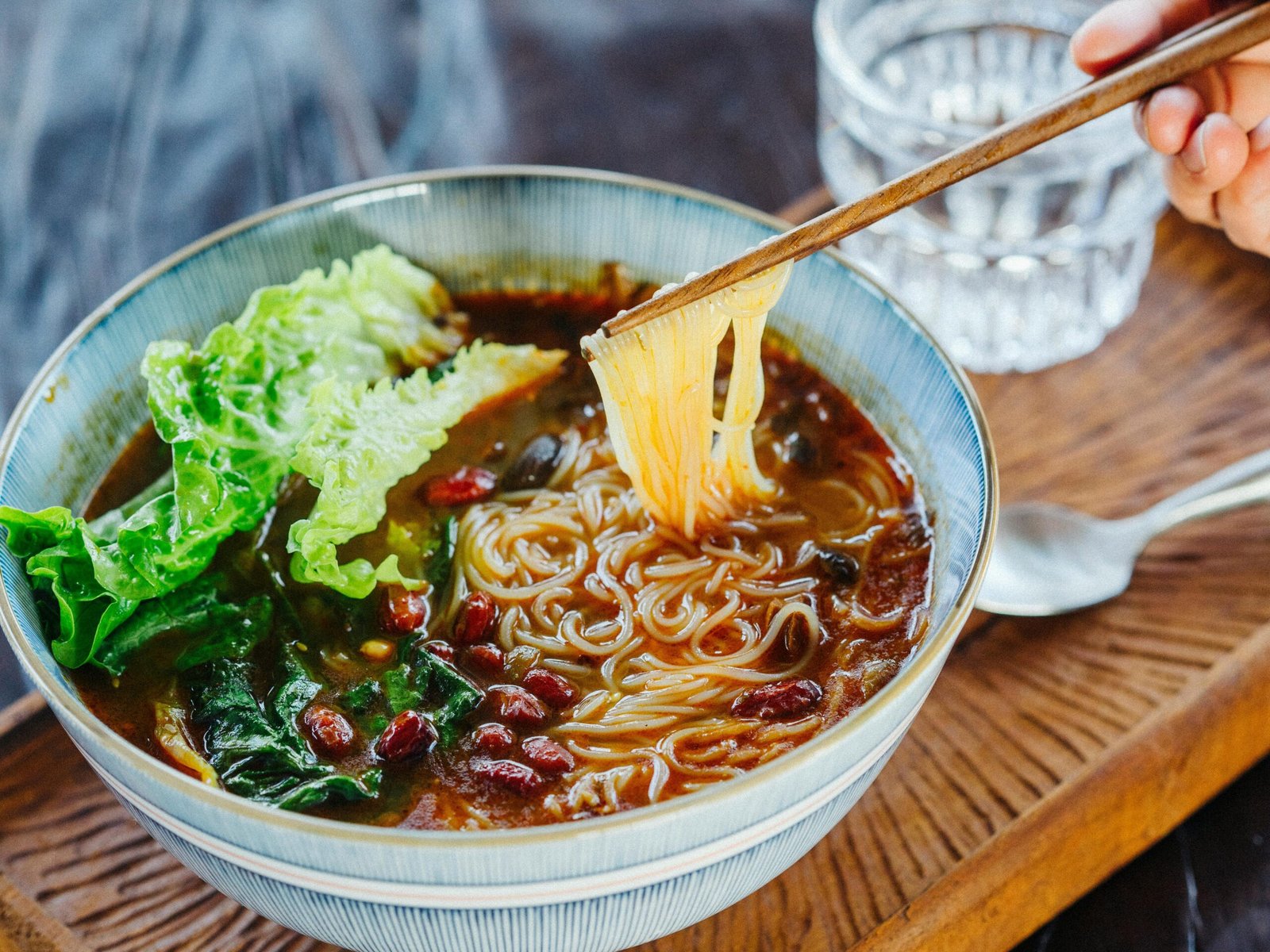
Central Vietnamese food is famous for its complexity, bold colors, and spicier taste. Influenced by the imperial cuisine of the ancient Huế dynasty, dishes often highlight meticulous preparation and presentation. Some favorites include:
- Bún bò Huế: A spicy lemongrass beef noodle soup
- Mì Quảng: A turmeric noodle dish with pork, shrimp, peanuts, and herbs
- Nem lụi: Grilled lemongrass pork skewers
Expect richer broths, spicier dips, and intricate appetizers when dining in central Vietnam.
Southern Vietnam: Sweet, Vibrant, and Abundant
Cuisine in Southern Vietnam reflects the region’s tropical climate and diverse agricultural resources. Dishes are generally sweeter, and coconut milk is used more often. Popular southern dishes include:
- Bánh xèo: Crispy rice flour pancakes filled with shrimp, pork, and bean sprouts
- Hủ tiếu: A flavorful noodle soup with Khmer and Chinese influences
- Cơm tấm: Broken rice served with grilled pork, egg, and pickled vegetables
Southern food is vibrant, fresh, and influenced by neighboring cultures, especially Cambodian and Thai.
Must-Try Vietnamese Dishes
Pho (Phở)
Perhaps the most recognized Vietnamese dish worldwide, pho is a delicate noodle soup made with slow-simmered broth, rice noodles, fresh herbs, and your choice of meat. Every region has its own version, but all share the core essence of warmth and comfort.
Bánh Mì
Vietnam’s iconic baguette sandwich blends French and Vietnamese elements. It features crispy bread filled with pâté, pickled vegetables, herbs, chili, and meats (usually pork or chicken). Each bite offers a perfect mix of crunch, tang, and savory goodness.
Gỏi Cuốn (Fresh Spring Rolls)
These fresh rice paper rolls are filled with shrimp, vegetables, mint, and vermicelli, served with peanut or hoisin dipping sauce. Light yet flavorful, they are a popular appetizer for locals and tourists alike.
Bún Bò Huế
Known for its bold spicy broth and lemongrass fragrance, this noodle soup from central Vietnam is a favorite among those who enjoy richer and more aromatic flavors.
Cao Lầu
A specialty from Hội An, this dish features thick noodles, sliced pork, herbs, and crispy croutons. The noodles are said to be made using water from ancient wells, giving them a unique texture and taste.
Cà Phê Trứng (Egg Coffee)
A uniquely Vietnamese creation, egg coffee combines strong espresso with creamy whipped egg yolk, resulting in a rich, dessert-like drink.
Vietnamese Street Food Culture
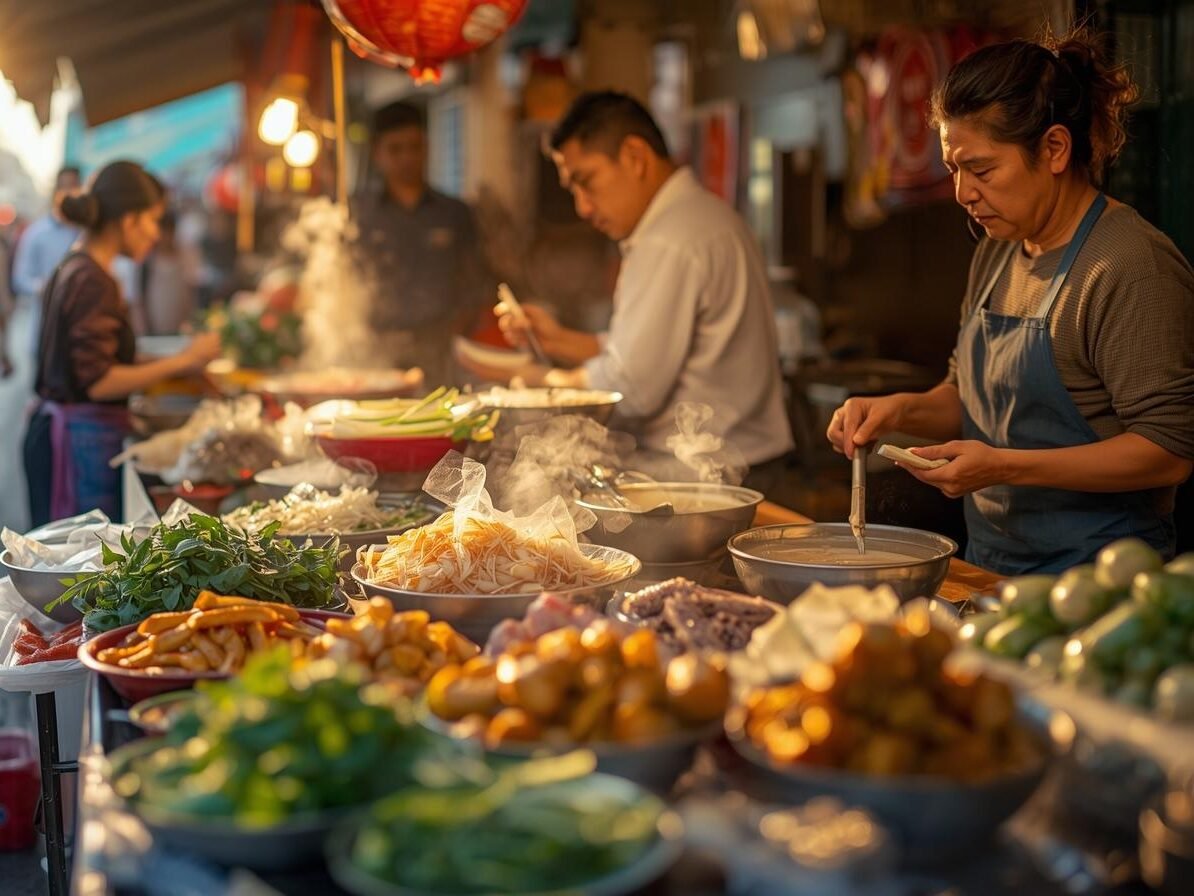
Vietnam’s street food scene is legendary. Vendors set up small stalls across cities, serving freshly cooked meals at affordable prices. Popular street foods include:
- Bánh cuốn: Steamed rice rolls filled with ground pork and mushrooms
- Bánh tráng nướng: Often called “Vietnamese pizza”
- Chè: Sweet desserts made from beans, coconut, and jelly
Eating street food in Vietnam is not just about the food—it’s a cultural experience where you discover local life, traditions, and authentic flavors.
Vietnamese Dining Etiquette and Food Culture
Sharing is Important
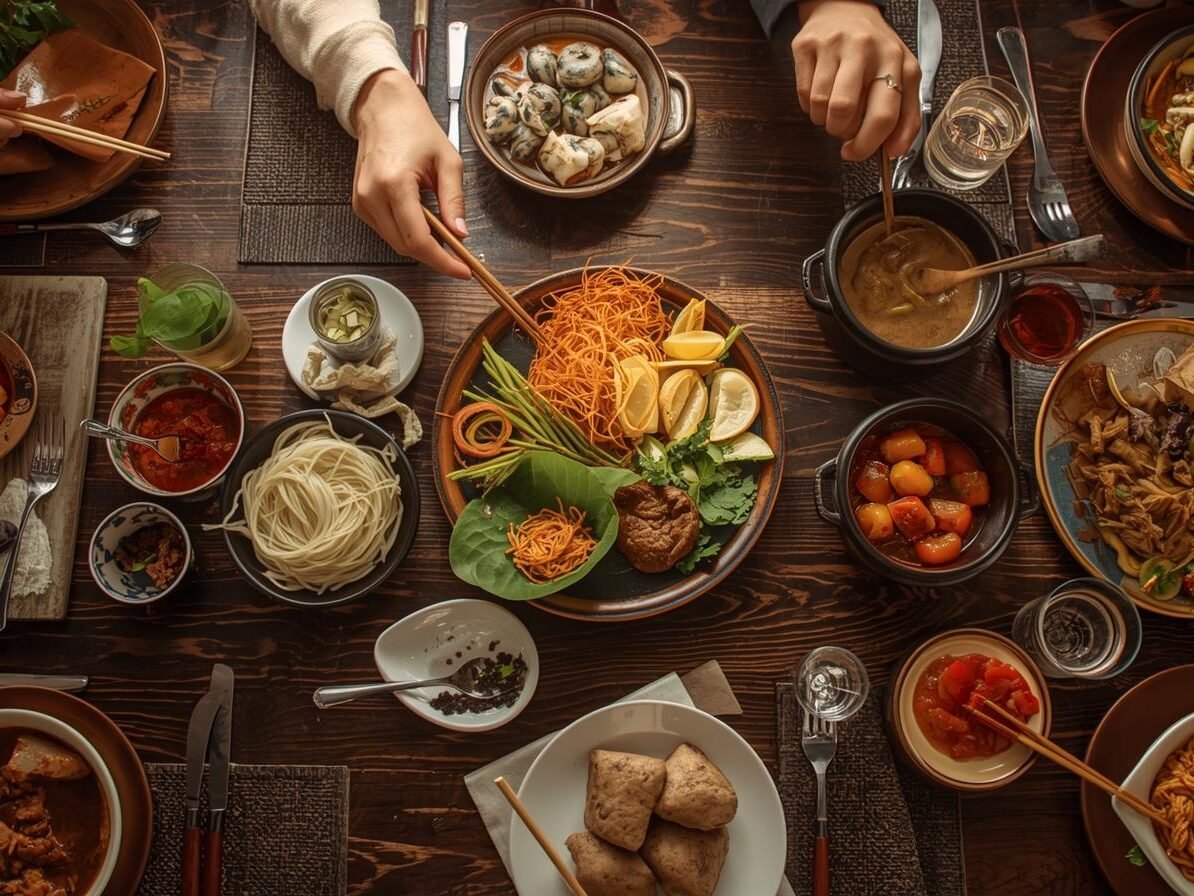
Vietnamese meals are often communal. Dishes are placed in the center of the table, and everyone shares, reflecting the country’s value of harmony and togetherness.
Proper Use of Fish Sauce
Fish sauce is served alongside many meals. It can be used for dipping or seasoning, but it should be added gradually to avoid overpowering the dish.
Respect for Ingredients
Vietnamese cooking emphasizes using every part of an ingredient, reducing waste and honoring nature.
FAQs About Vietnamese Cuisine
What makes Vietnamese food unique?
Vietnamese cuisine stands out for its balance, freshness, and use of herbs. It creates harmony between sweet, sour, salty, spicy, and umami flavors.
Is Vietnamese food healthy?
Yes. Most dishes use fresh vegetables, lean protein, and light cooking methods, making them nutritious and well-balanced.
Is Vietnamese cuisine spicy?
Some regions, particularly central Vietnam, enjoy spicy food. However, many dishes allow you to adjust spice levels according to your preference.
What dishes should first-time visitors try?
Must-try dishes include pho, bánh mì, gỏi cuốn, cơm tấm, and bún bò Huế for a well-rounded introduction to Vietnamese flavors.
Final Thoughts
Vietnamese cuisine is a captivating blend of history, tradition, freshness, and creativity. Its dishes are not only delicious but also reflect the country’s spirit—warm, welcoming, and beautifully diverse. Whether you’re exploring Vietnam’s bustling street food stalls or recreating its dishes at home, each meal offers an invitation to discover a world of flavors that continues to win hearts worldwide.
This guide provides a deeper appreciation of Vietnam’s culinary landscape, helping you explore the cuisine with both curiosity and delight. Whether you’re a traveler, foodie, or home cook, enjoying Vietnamese cuisine is a journey worth savoring.
If you enjoyed learning about Vietnamese cuisine, don’t stop here—there’s so much more to explore. Check out our other guides to discover the best places to visit, essential tips for travelers, and business insights for those planning to invest or start a venture in Vietnam. Dive deeper into everything Vietnam has to offer! READ HERE!