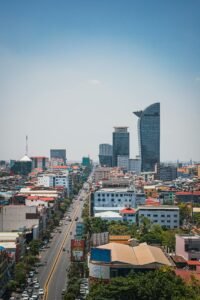
The Philippines is an archipelago of over 7,000 islands, each offering unique flavors and culinary traditions. Philippine cuisine combines indigenous, Spanish, Chinese, and American influences, producing dishes that are flavorful, diverse, and unforgettable. Whether you crave savory stews, grilled meats, sweet desserts, or refreshing drinks, Filipino food showcases the nation’s rich history and love for communal dining.
History and Influences of Philippine Cuisine
The roots of Philippine cuisine go back centuries. Indigenous cooking methods such as steaming and grilling relied on abundant natural resources like fresh seafood, tropical fruits, and native vegetables.
During Spanish colonization (1565–1898), dishes like adobo, paella, and leche flan were introduced. Meanwhile, Chinese traders brought soy sauce, noodles, and stir-frying techniques, inspiring pancit and lumpia. Later, American influence contributed burgers, fried chicken, and canned goods, which Filipinos quickly adapted.
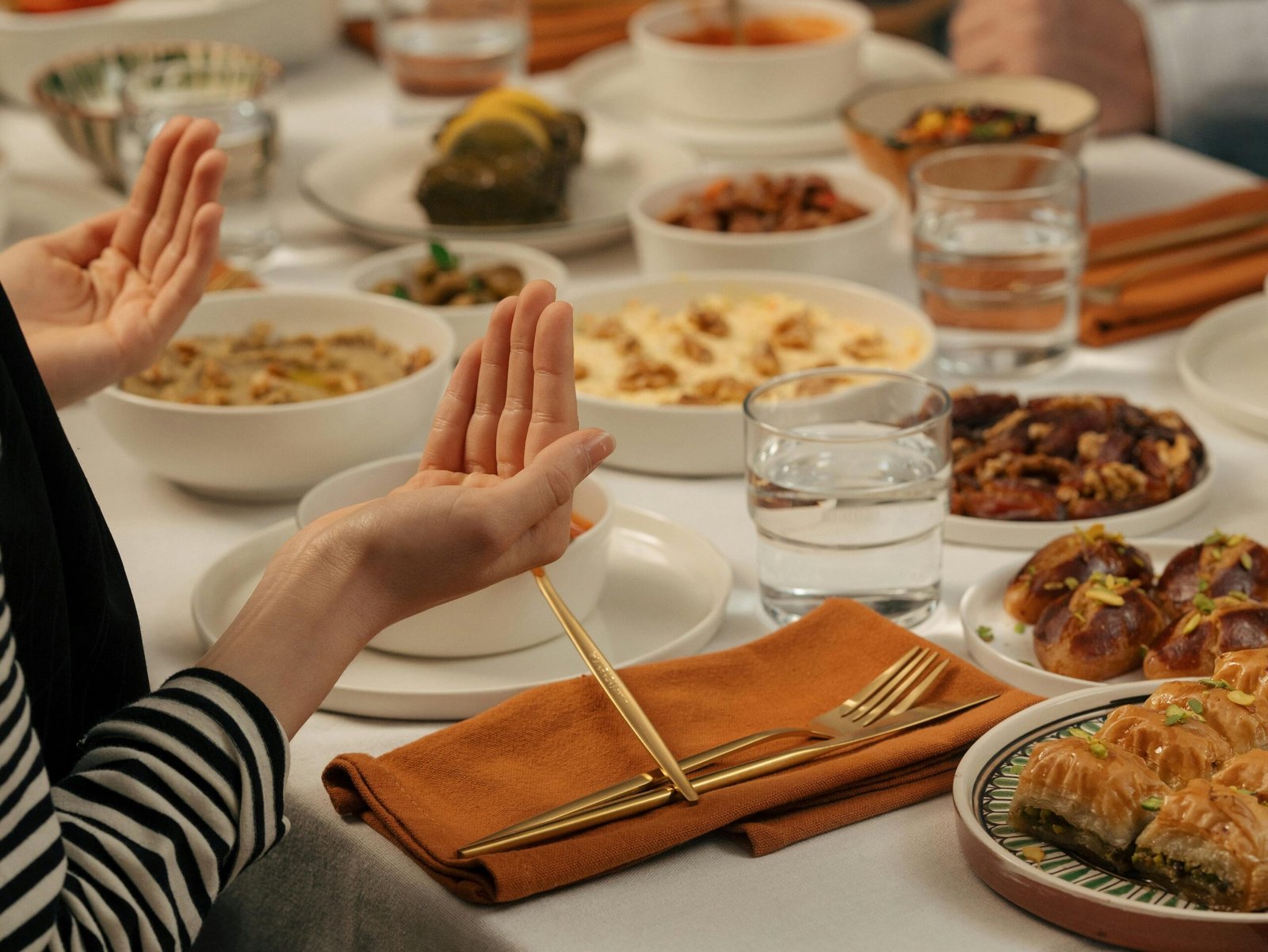

Iconic Philippine Dishes
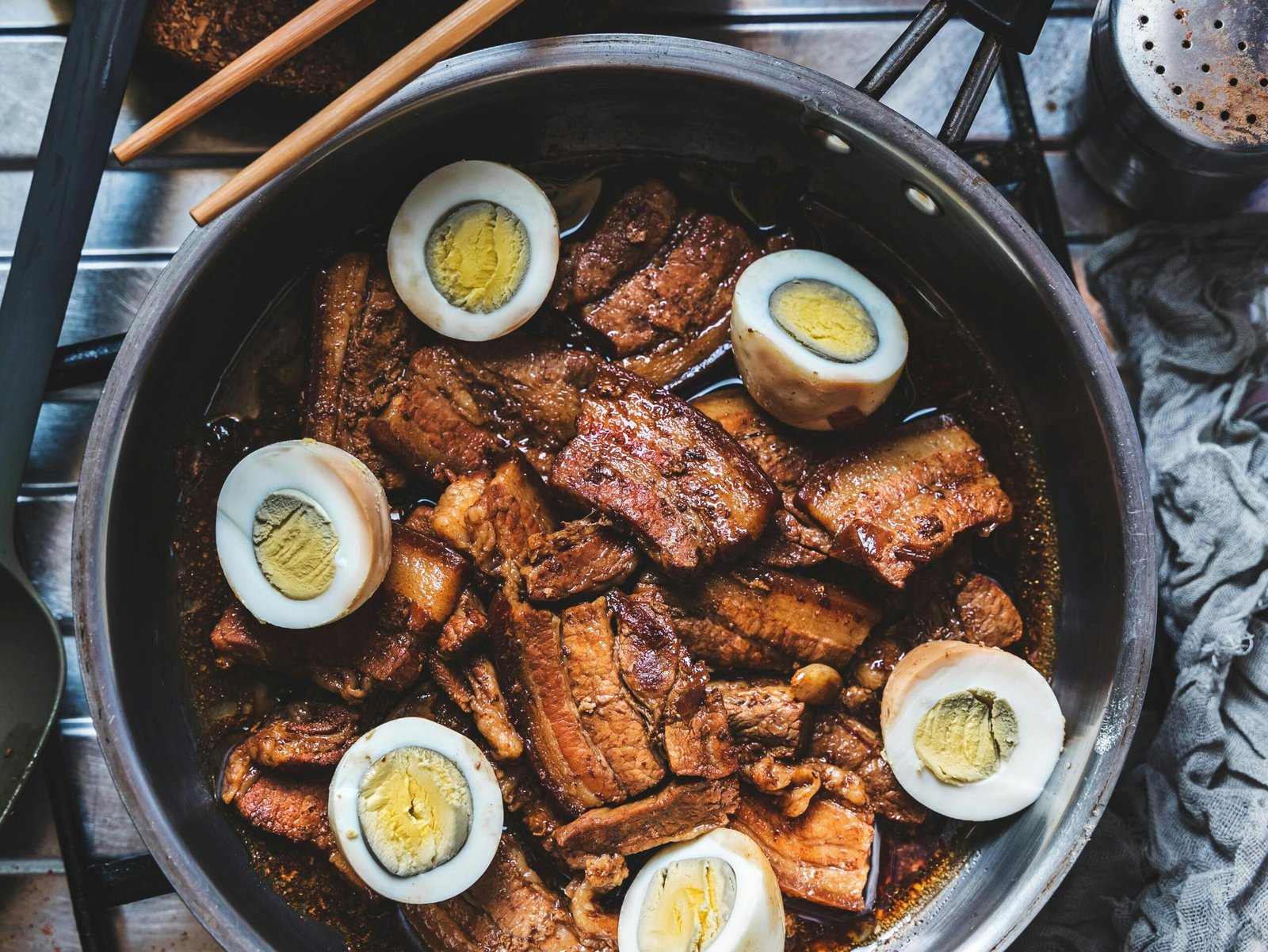
Adobo
Adobo, often called the national dish, features meat—usually chicken or pork—marinated in vinegar, soy sauce, garlic, and peppercorns. Slow-simmering the meat creates a rich, tangy, and slightly sweet flavor.
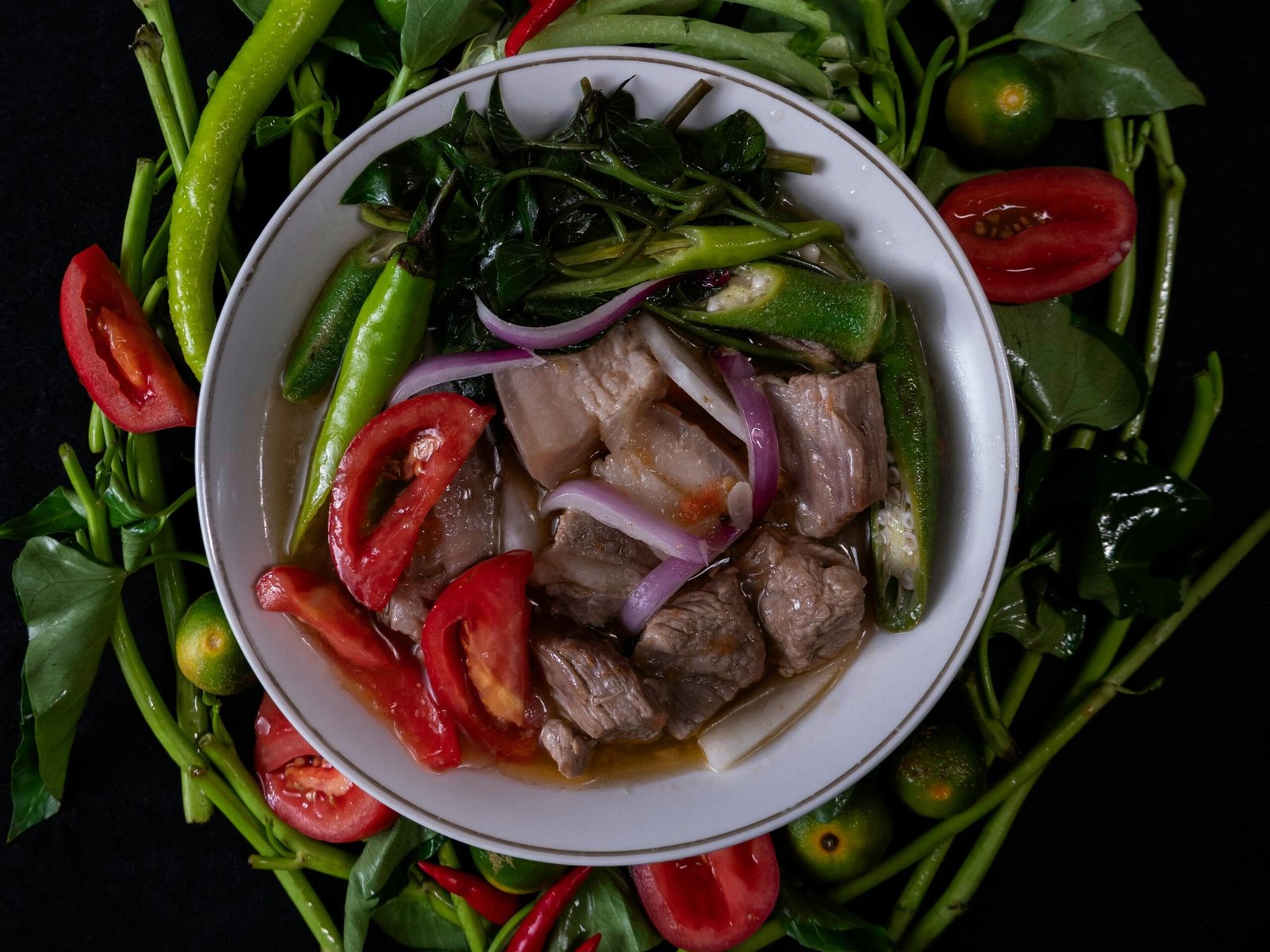
Sinigang
Sinigang is a sour soup made with pork, shrimp, or fish, seasoned with tamarind, tomatoes, and local vegetables. Its tangy broth refreshes the palate and balances the tropical heat.
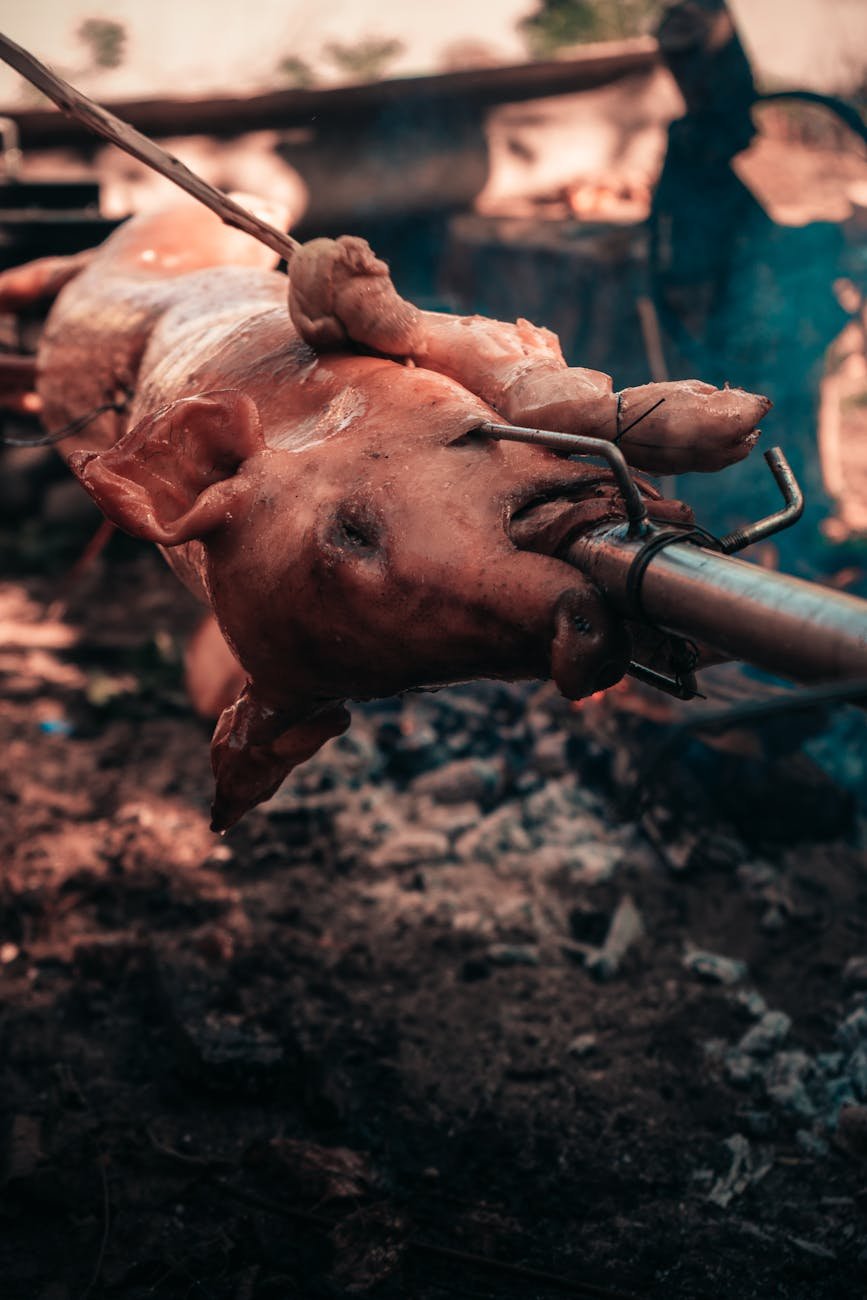
Lechon
Lechon, or roasted pig, is a festive dish served on special occasions. Its skin turns golden and crispy while the meat inside stays juicy and tender, making it a must-try for visitors.
Pancit
Pancit refers to various Filipino noodle dishes. For example, Pancit Canton features stir-fried egg noodles, whereas Pancit Malabon uses thick rice noodles with seafood. Noodles symbolize long life, which is why they appear at celebrations.
Kare-Kare
Kare-kare is a peanut-based stew made with oxtail, tripe, and vegetables like eggplant and string beans. It is traditionally served with bagoong (fermented shrimp paste), adding umami and depth to the dish.
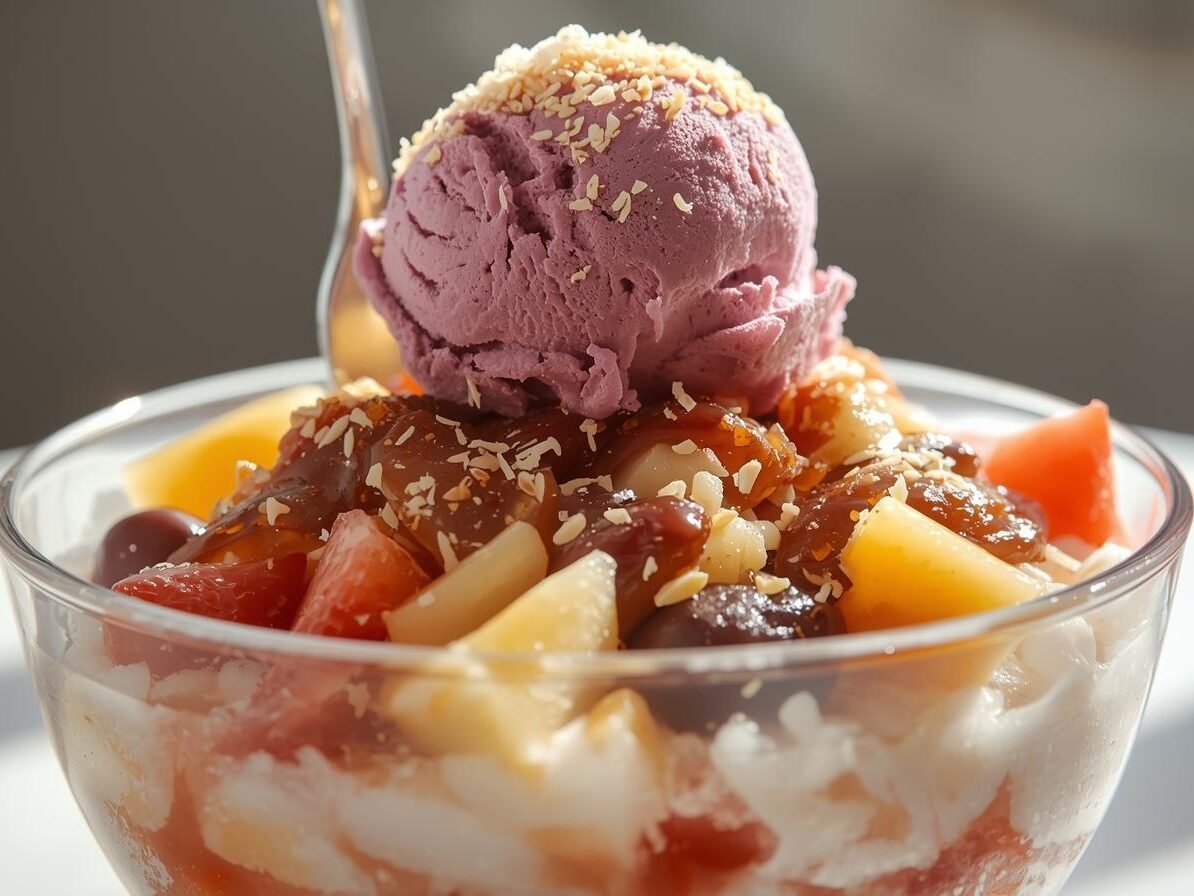
Halo-Halo
Halo-halo, a colorful dessert, combines shaved ice, sweetened beans, jellies, fruits, and evaporated milk. This refreshing treat perfectly suits the Philippines’ tropical climate.
Regional Specialties
Northern Philippines
Northern regions such as Ilocos and the Cordillera are famous for bagnet (crispy pork belly) and pinakbet (vegetable stew with shrimp paste). Local preservation techniques give these dishes a distinct flavor.
Central Philippines
The Visayas region emphasizes seafood dishes, including kinilaw (raw fish marinated in vinegar) and various seafood stews. Coconut milk often adds richness and creaminess to these meals.
Southern Philippines
Mindanao and nearby islands fuse Muslim and indigenous flavors. Spices, coconut milk, and grilled meats define the cuisine. Popular dishes include pastil (rice with shredded meat wrapped in banana leaves) and satti (spicy grilled skewers).
Popular Cooking Techniques
Filipino cooking focuses on flavor and simplicity. Common techniques include:
- Adobo-style braising: Slow-cooking meat in vinegar, soy sauce, and spices.
- Grilling: Imparts a smoky flavor to meats and seafood.
- Steaming: Preserves the natural taste of seafood and rice cakes.
- Stir-frying: Essential for pancit and vegetable dishes.
- Fermentation: Enhances umami in bagoong (shrimp paste) and kinilaw.
Filipino Food Culture
In the Philippines, food represents more than nourishment—it symbolizes family, community, and celebration. Meals are often shared among everyone at the table.
Festivals, called fiestas, highlight the best local dishes and creative culinary innovations. Additionally, hospitality plays a major role in Filipino culture. Hosts offer food as a gesture of respect and warmth, making dining a welcoming, communal experience.
Common Ingredients
Key ingredients in Philippine cuisine include:
- Rice: Forms the foundation of most meals.
- Coconut milk: Adds creaminess to stews and desserts.
- Vinegar: Provides tanginess in adobo and kinilaw.
- Soy sauce and fish sauce: Enhance umami flavor.
- Tropical fruits: Mangoes, bananas, and calamansi appear in both sweet and savory dishes.
FAQs About Philippine Cuisine
What makes Philippine cuisine unique?
It combines indigenous, Spanish, Chinese, and American influences, balancing sweet, sour, salty, and savory flavors.
Are Filipino dishes spicy?
While some southern dishes use chili peppers, most traditional Filipino meals focus on flavor balance rather than heat.
Can I find Filipino food outside the Philippines?
Yes. Filipino restaurants are increasingly popular worldwide, especially in the U.S., Canada, and Europe. Dishes like adobo, lumpia, and halo-halo are commonly served.
What is the best way to experience Philippine cuisine?
Try regional specialties, attend local food festivals, and enjoy home-cooked meals to taste authentic flavors.
Are there vegetarian options?
Yes. Dishes like pinakbet, laing, and some rice or noodle dishes can be made vegetarian with tofu or mushrooms.
Final Thoughts
Philippine cuisine is a culinary adventure that reflects the country’s history, culture, and traditions. From tangy adobo to refreshing halo-halo, every dish tells a story of family, community, and heritage. Exploring Filipino food goes beyond tasting meals—it connects you to the culture, the people, and the spirit of the Philippines.
Embark on a Philippine culinary journey and discover why this tropical archipelago is a food lover’s paradise.
Love Philippine cuisine? Explore more! Discover top destinations, travel tips, and business insights to make the most of your journey in the Philippines. READ HERE!


Travel Tip of the Day (Philippines):
Cash is king outside major cities — ATMs can be scarce on islands.