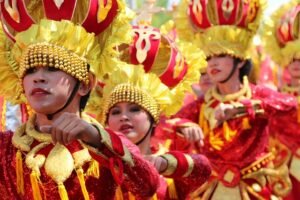
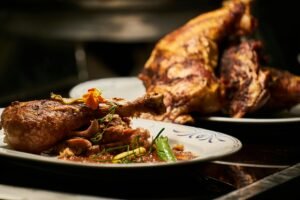
Understanding local customs in Cambodia is essential for travelers, expats, and business visitors who want to experience the country respectfully and authentically. Cambodia’s culture is deeply rooted in ancient traditions, Buddhism, and strong community values. While Cambodians are known for their warm hospitality, observing local etiquette helps build trust and avoids unintentional offense.
This guide explores the most important local customs in Cambodia, from greetings and dress codes to religious practices, dining etiquette, and everyday social behavior.
Understanding Cambodian Culture and Values
Cambodian society places a strong emphasis on respect, harmony, and humility. Social interactions are often calm and polite, and public displays of anger are discouraged. Maintaining “face,” or personal dignity, is important, and people generally avoid confrontation.
Family and community ties play a central role in daily life. Elders are highly respected, and decisions are often made with the group’s well-being in mind rather than individual preference.
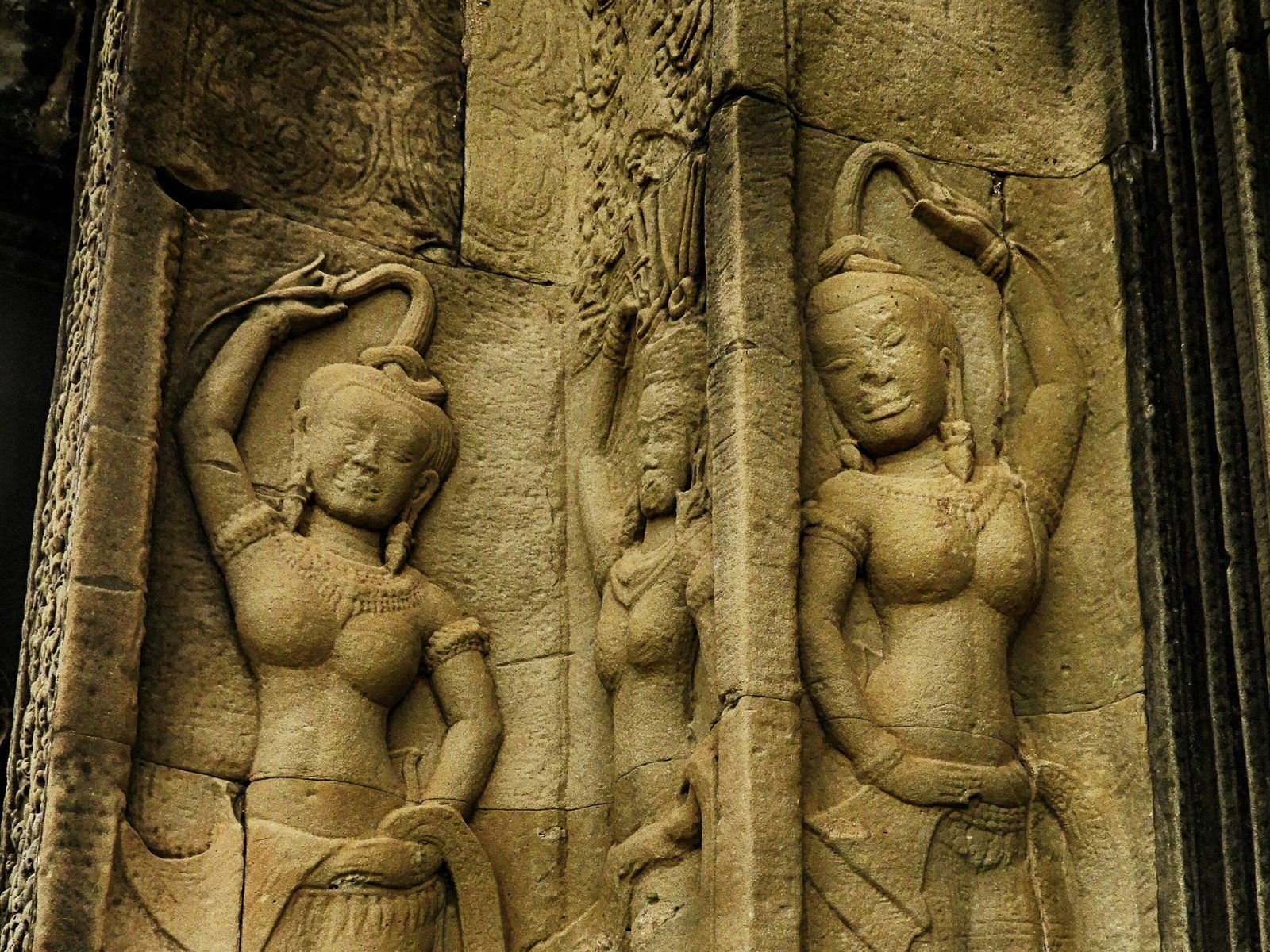
The Influence of Buddhism on Daily Life
Theravada Buddhism shapes many Cambodian customs and traditions. Monks are highly respected figures, and temples, known as wats, serve as spiritual and community centers. Buddhist values such as patience, kindness, and moderation are reflected in everyday interactions.
Many customs, including greetings, dress, and festivals, are closely connected to religious beliefs.
Greetings and Social Etiquette in Cambodia
Greetings in Cambodia are generally polite and understated. The traditional greeting is called the sampeah, which involves pressing the palms together in a prayer-like gesture and bowing slightly. The height of the hands and depth of the bow indicate the level of respect being shown.
When to Use the Sampeah
The sampeah is commonly used when greeting elders, monks, teachers, or people in positions of authority. Among peers or in casual situations, a simple smile or nod is also acceptable, especially in urban areas.
Handshakes are becoming more common, particularly in business settings, but they are usually gentle and may be combined with a slight bow.
Respectful Communication
Cambodians value soft-spoken and respectful communication. Raising your voice, pointing aggressively, or showing frustration in public can be seen as disrespectful. Using polite language and a calm tone is always appreciated.
Dress Code and Appearance
Modest dress is an important aspect of local customs in Cambodia, especially in rural areas and religious sites.
Appropriate Clothing for Public Places
In cities like Phnom Penh and Siem Reap, casual clothing is widely accepted. However, wearing overly revealing outfits may still attract disapproval, particularly outside tourist areas.
When visiting villages or interacting with locals, clothing that covers the shoulders and knees is considered respectful.
Dress Code for Temples and Religious Sites
When entering temples or pagodas, visitors should dress conservatively. This means wearing long pants or skirts and tops with sleeves. Shoes and hats must be removed before entering sacred spaces.
Failure to follow temple dress codes may result in being denied entry.
Temple Etiquette and Religious Customs
Temples are sacred places in Cambodia, and proper behavior is essential.
Showing Respect to Monks
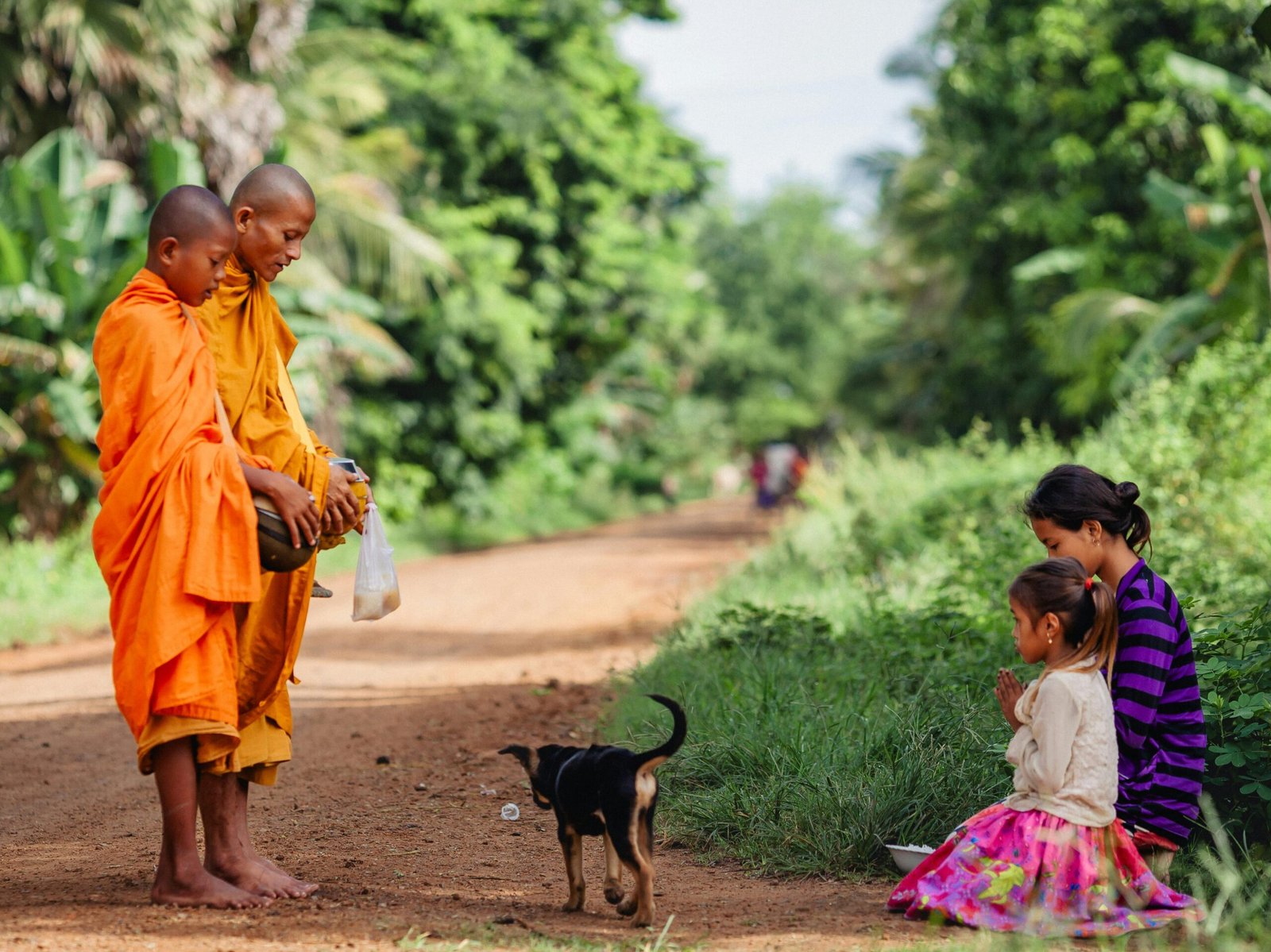
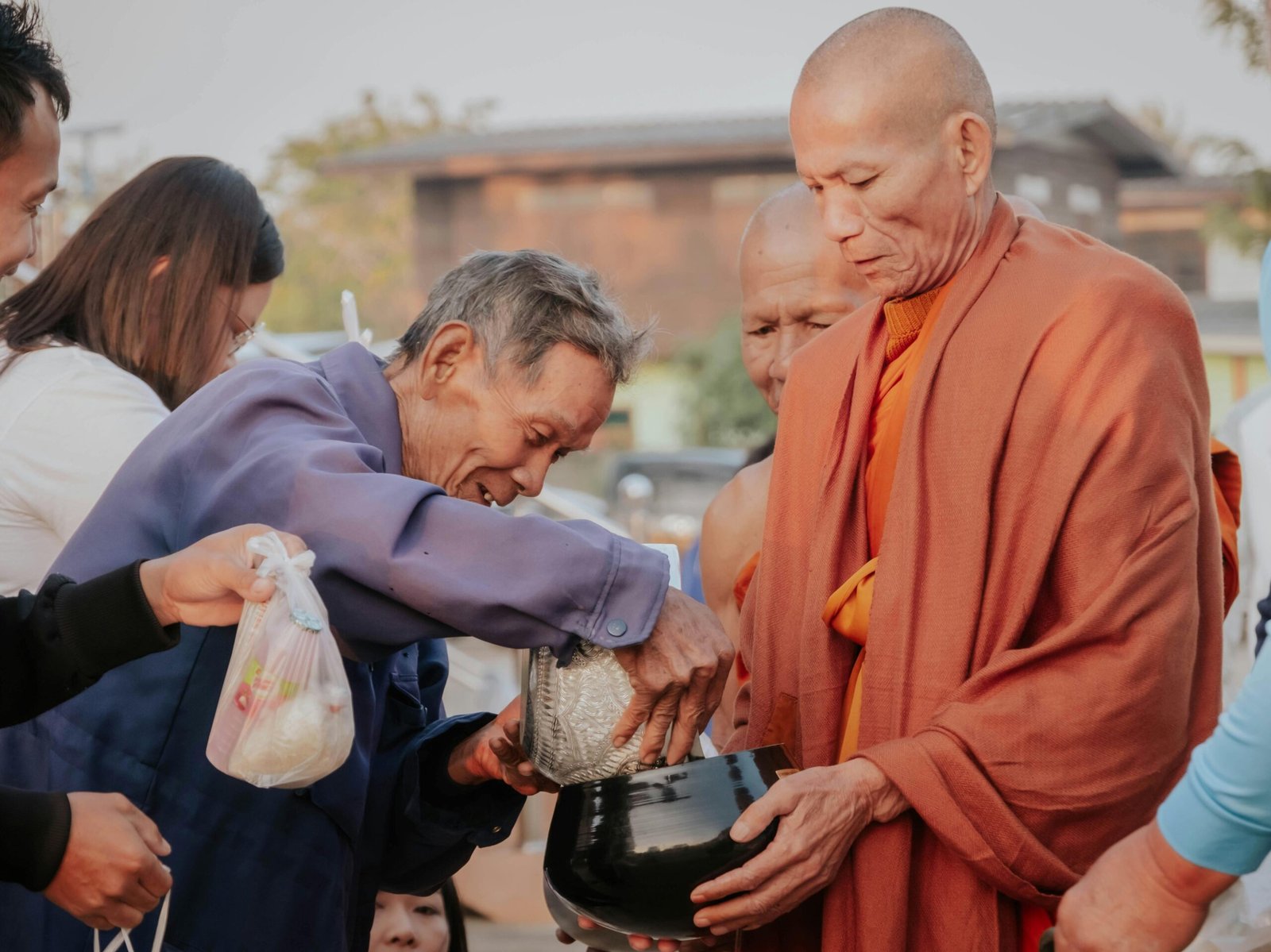
Monks are highly revered in Cambodian society. Women should never touch a monk or hand items directly to them. If offering something, it should be placed on a cloth or passed through a male intermediary.
When sitting near monks, it is polite to sit lower than them as a sign of respect.
Behavior Inside Temples
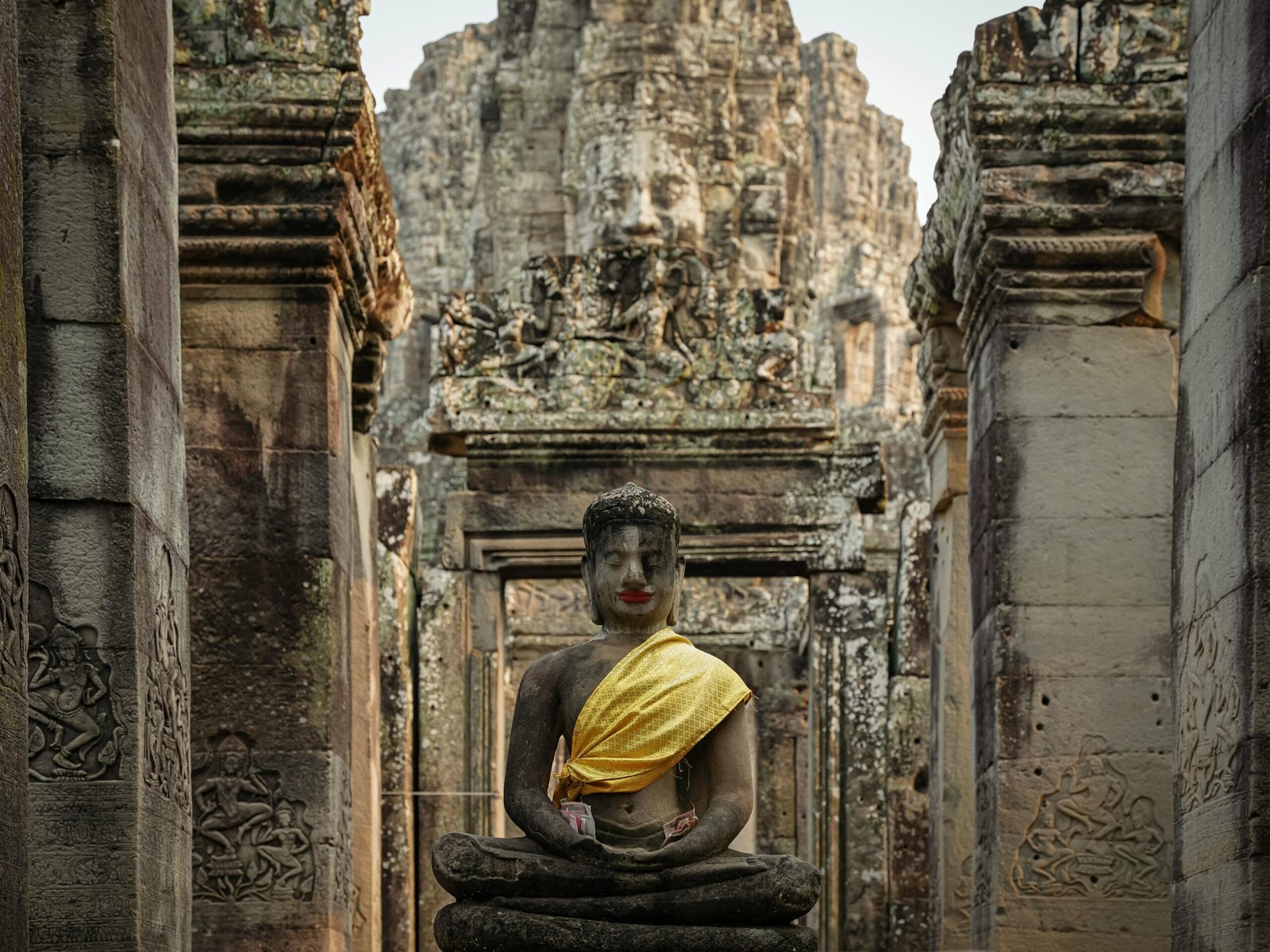
Inside temples, visitors should speak quietly, avoid pointing their feet toward Buddha statues, and refrain from taking inappropriate photos. Climbing on religious structures or statues is considered highly disrespectful.
Dining Etiquette and Food Customs
Food plays an important role in Cambodian culture, often bringing families and communities together.
Table Manners in Cambodia
Meals are typically shared, with several dishes placed in the center of the table. It is polite to wait for elders to begin eating before starting your meal.
Cambodians usually eat with a spoon and fork, using the spoon as the main utensil. Chopsticks are mainly used for noodle dishes.
What Is Considered Polite at the Table
Finishing all the food on your plate is appreciated, as wasting food may be seen as disrespectful. However, taking modest portions and going back for seconds is better than taking too much initially.
Complimenting the food is considered polite and shows appreciation to the host.
Social Behavior and Daily Customs
Understanding everyday social norms can help visitors navigate Cambodian society more comfortably.
The Importance of Saving Face
Avoid embarrassing or criticizing someone publicly, as this can cause loss of face. If an issue arises, it is better to address it privately and calmly.
Cambodians often smile in uncomfortable situations, which does not necessarily indicate happiness but rather a desire to maintain harmony.
Personal Space and Body Language
Touching someone’s head, even a child’s, is considered disrespectful, as the head is believed to be the most sacred part of the body. Pointing with your feet or showing the soles of your shoes toward people or religious objects is also considered rude.
Gift-Giving Customs in Cambodia
Gift-giving is common during festivals, family visits, and special occasions.
Appropriate Gifts and Practices
Small, thoughtful gifts are appreciated, especially when visiting someone’s home. Gifts are often opened later rather than in front of the giver, as immediate opening is not always customary.
When giving or receiving items, using both hands is a sign of respect.
Cambodian Festivals and Cultural Celebrations
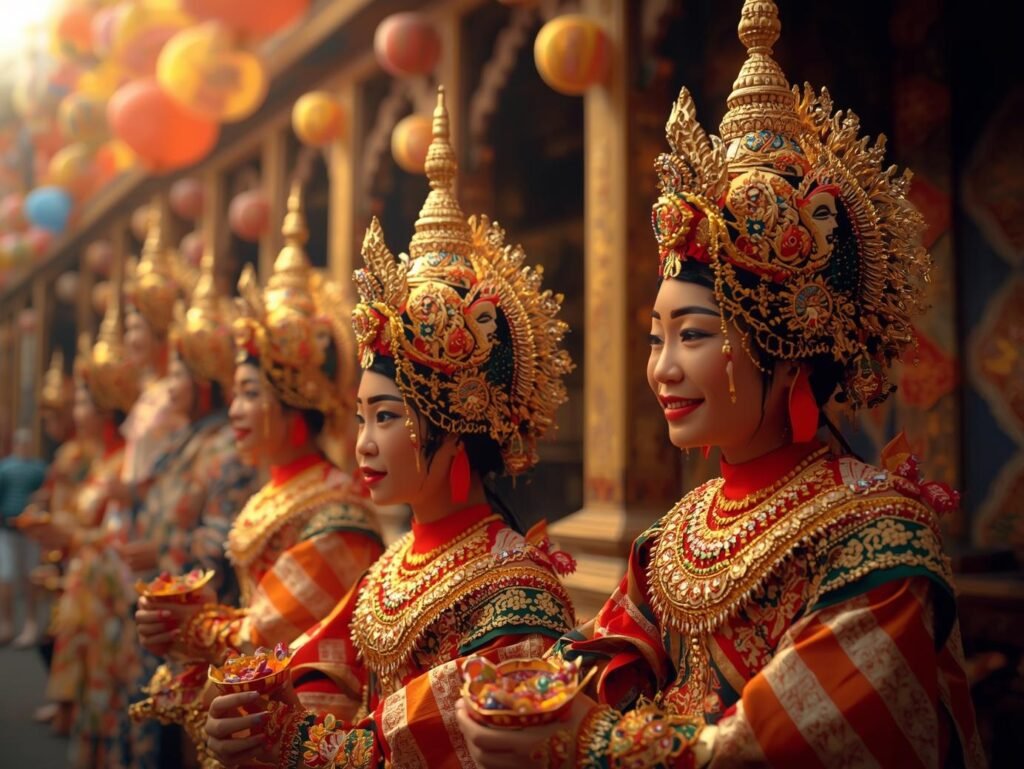
Festivals offer a deeper understanding of local customs in Cambodia and provide a chance to witness traditional practices.
Khmer New Year
Khmer New Year, usually celebrated in April, is one of the most important holidays. Families clean their homes, visit temples, and participate in traditional games and water blessings.
Pchum Ben and Ancestor Traditions
Pchum Ben is a religious festival dedicated to honoring ancestors. Cambodians visit temples to make offerings, reflecting the strong cultural emphasis on family and respect for those who came before.
Business Etiquette in Cambodia
For professionals and entrepreneurs, understanding business customs is essential.
Professional Interactions
Business meetings often begin with polite conversation before discussing work matters. Patience is important, as decisions may take time and involve multiple levels of approval.
Exchanging business cards with both hands and addressing people by their titles shows professionalism and respect.
FAQs About Local Customs in Cambodia
Is it rude to wear shorts in Cambodia?
Shorts are acceptable in tourist areas, but in temples, villages, and formal settings, clothing that covers the knees is more appropriate.
Can tourists use the sampeah greeting?
Yes, tourists can use the sampeah, especially when greeting elders or monks. A simple and respectful gesture is appreciated, even if it is not perfectly performed.
What should I avoid doing in Cambodian temples?
Avoid wearing revealing clothing, speaking loudly, pointing your feet at Buddha statues, and touching religious objects without permission.
Is tipping part of Cambodian culture?
Tipping is not mandatory but is increasingly appreciated in restaurants, hotels, and by tour guides, especially in tourist areas.
How important is respect for elders in Cambodia?
Respect for elders is extremely important. Elders are greeted first, spoken to politely, and often given priority in social situations.
Final Thoughts on Local Customs in Cambodia
Learning about local customs in Cambodia enhances your travel experience and helps build meaningful connections with the people you meet. From polite greetings and respectful dress to mindful behavior in temples and social settings, small gestures go a long way in showing cultural awareness.
By observing Cambodian traditions and values, visitors not only avoid misunderstandings but also gain a deeper appreciation for the country’s rich heritage and welcoming spirit. Whether you are visiting for leisure, work, or long-term stays, understanding these customs will help you navigate Cambodia with confidence and respect.
Whether you’re planning your next adventure or exploring business opportunities in Cambodia, be sure to check out our other travel guides and business insights to help you navigate, connect, and succeed with confidence. READ HERE!


⚠️ Travel Tip of the Day: Cambodia
Be cautious of overly friendly strangers offering “special deals” on temple tours or transportation. In Cambodia, common scams include inflated tuk-tuk prices and unofficial guides. Always agree on the price before you ride and book tours through your hotel or a trusted agency.