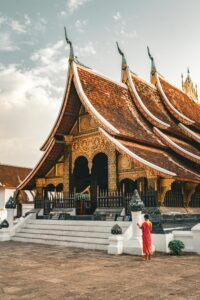
Understanding the local customs in Brunei is essential for anyone planning to visit, work, or do business in this peaceful Southeast Asian nation. Brunei Darussalam, meaning “Abode of Peace,” embraces Islamic values, Malay traditions, and respect for authority and family. These cultural foundations influence daily behavior, social etiquette, dress codes, and public conduct.
Although Brunei is modern and welcoming, it maintains conservative practices compared to neighboring countries. Visitors who learn and respect these traditions often experience warmth, hospitality, and kindness. This guide explores Brunei’s key customs, helping you navigate social situations confidently and respectfully.
Cultural Foundations of Brunei Society
Melayu Islam Beraja (MIB) Philosophy
The national philosophy, Melayu Islam Beraja (MIB), meaning Malay Islamic Monarchy, lies at the heart of Bruneian culture. It shapes the nation’s identity and governance.
MIB emphasizes:
- Malay culture as the social foundation
- Islam as the guiding religion
- Loyalty and respect for the monarchy
These principles influence laws, education, social behavior, and casual interactions. Consequently, visitors notice a strong sense of order, discipline, and moral conduct in everyday life.
Role of Islam in Daily Life
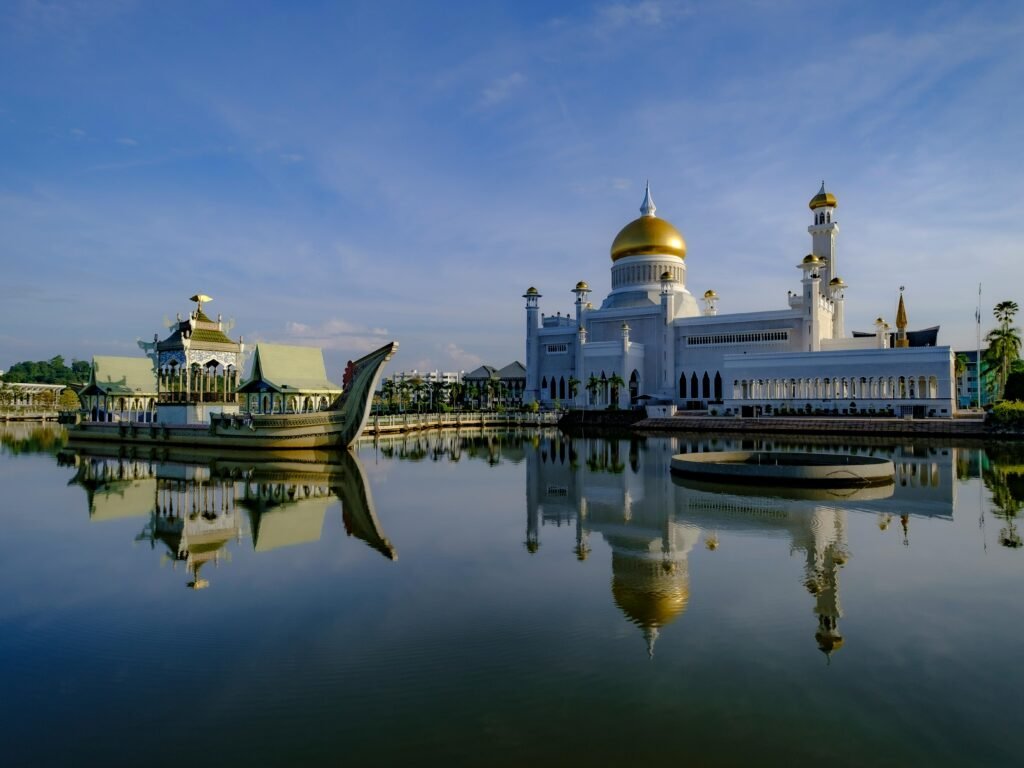
Islam plays a central role in Brunei. Most customs reflect Islamic teachings, and daily routines often revolve around prayer times, religious observances, and halal practices. Mosques are prominent in every district, and the call to prayer marks the rhythm of the day.
Non-Muslims are welcome, but they should always respect Islamic practices in public spaces.
Social Etiquette and Everyday Behavior
Greetings and Politeness
Bruneians value politeness and gentle communication. People typically greet each other with a handshake and a slight nod. However, men and women who are not related usually avoid physical contact. Women may place their hand over their chest instead of shaking hands, which shows respect.
Using titles like “Awang” for men and “Dayang” for women is polite, especially in formal settings.
Respect for Elders and Authority
Bruneians deeply respect elders. Younger people often lower their gaze or speak softly when addressing older individuals. Similarly, authority figures, including government officials and religious leaders, receive great respect.
Visitors should avoid speaking loudly, arguing publicly, or showing frustration, as these behaviors are generally frowned upon.
Personal Space and Public Conduct
Bruneians value modesty in public behavior. Public displays of affection are discouraged, even among married couples. While holding hands may be tolerated, hugging or kissing in public can attract unwanted attention.
Maintaining calm, composed behavior in public spaces demonstrates respect.
Dress Code and Modesty Standards
Appropriate Clothing in Public
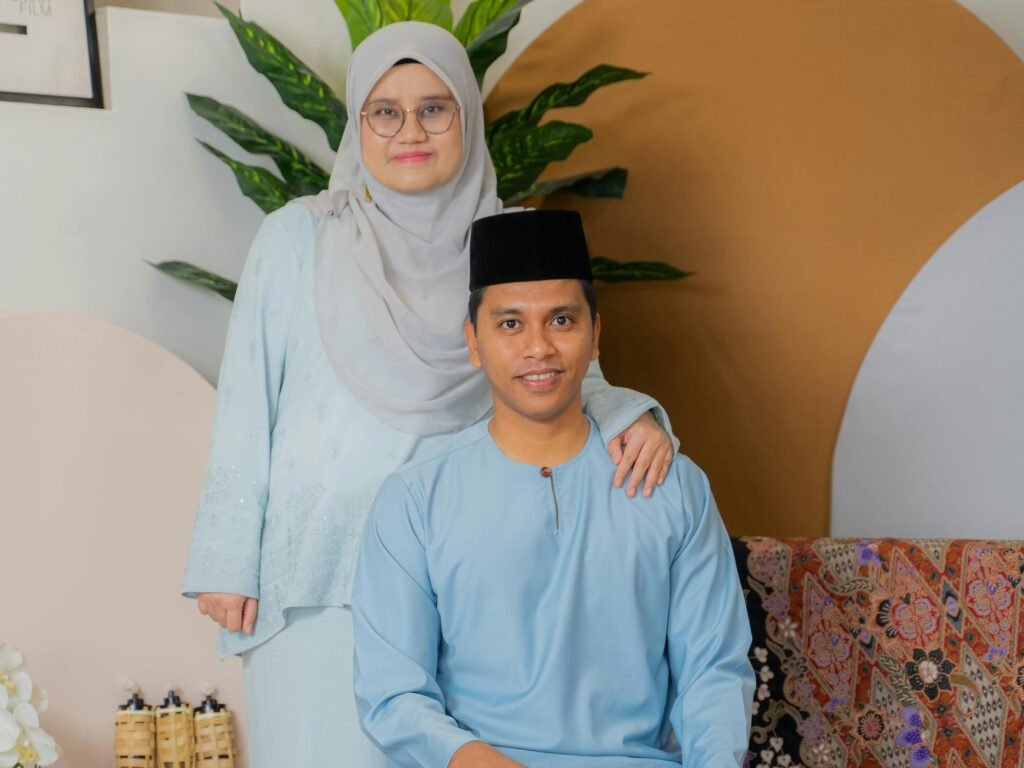
Modest dress is crucial in Brunei. People should wear clothing that covers shoulders and knees, especially in malls, government offices, and religious sites.
Women are advised to wear loose-fitting clothes, while men should avoid sleeveless shirts and short shorts in formal or public settings.
Dressing for Religious Sites
Visitors must dress conservatively when entering mosques. Women often need to cover their hair, and mosques usually provide robes for guests. Shoes must be removed before entering prayer areas.
Dressing respectfully signals cultural awareness and earns appreciation from locals.
Dining Customs and Food Etiquette
Halal Food Culture
Brunei follows strict halal food laws. The country prohibits pork and alcohol, and all food establishments serve halal meals. Visitors should avoid bringing non-halal food into Brunei.
Local cuisine often features rice, seafood, chicken, and regional spices, reflecting Malay culinary traditions.
Dining Manners
People usually eat with their right hand, particularly when dining traditionally, because the left hand is considered unclean. Guests should wait for elders or hosts to begin eating before starting their meal. Finishing food is seen as a sign of appreciation.
Hosting and Hospitality
Bruneians take pride in their hospitality. Hosts frequently offer food and drinks to guests, and politely accepting even a small portion shows respect.
Religious Customs and Observances
Ramadan Practices
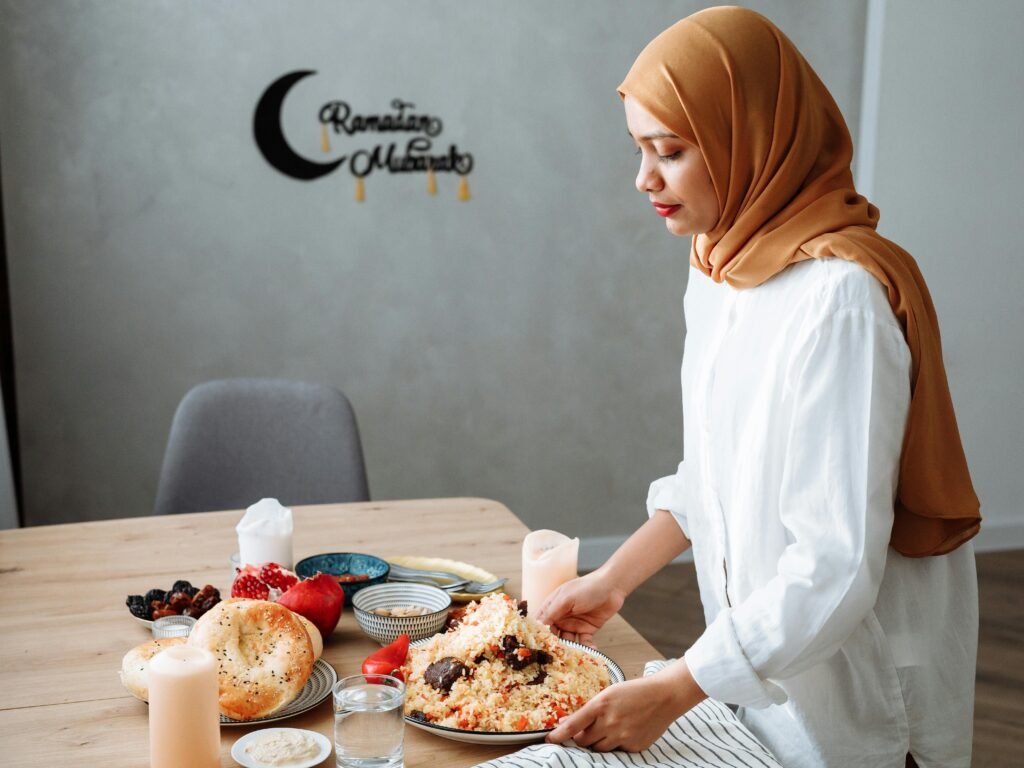
During the holy month of Ramadan, Muslims fast from sunrise to sunset. Non-Muslims should avoid eating, drinking, or smoking in public during fasting hours to show respect.
Restaurants close during the day and reopen in the evening for iftar, the meal that breaks the fast.
Religious Celebrations
Brunei observes major Islamic celebrations, including Hari Raya Aidilfitri and Hari Raya Aidiladha. During these festivals, families open their homes to guests and often invite friends and neighbors to celebrate.
Visitors who participate in these festivities gain valuable insight into Bruneian culture.
Customs Related to the Monarchy
Respect for the Sultan and Royal Family
The Sultan holds a central role in Brunei’s identity, and the royal family receives high respect. Criticizing the monarchy is considered offensive and, in some cases, illegal.
Portraits of the Sultan appear in public buildings, and people stand respectfully during royal events or broadcasts.
National Pride and Loyalty
Bruneians take pride in their country’s stability, wealth, and traditions. Speaking positively about Brunei and showing interest in its culture fosters good relationships with locals.
Business and Professional Etiquette
Workplace Culture
Brunei’s work environment emphasizes formality and hierarchy. Punctuality, professionalism, and respectful communication matter greatly.
Decision-making often takes time, as leaders prefer consensus and approval from senior management.
Business Meetings
Meetings usually start with polite conversation before moving to business matters. Exchanging business cards with both hands demonstrates respect. Building trust and relationships often outweighs rushing negotiations.
FAQs About Local Customs in Brunei
Is Brunei strict about cultural rules for tourists?
Brunei welcomes tourists, but it enforces cultural rules seriously. Respecting dress codes, religious practices, and public behavior ensures a smooth experience.
Can non-Muslims visit mosques in Brunei?
Yes, non-Muslims may visit mosques outside prayer times. They must dress modestly and follow mosque guidelines.
Is alcohol allowed in Brunei?
Alcohol sales are banned, though non-Muslims may bring limited amounts for personal use. Public consumption is prohibited.
What should I avoid doing in public?
Avoid public displays of affection, loud behavior, criticism of religion or the monarchy, and immodest dressing.
Are Bruneians friendly to foreigners?
Yes, Bruneians are polite, helpful, and friendly, especially toward visitors who respect local customs.
Final Thoughts on Local Customs in Brunei
Learning the local customs in Brunei allows visitors to connect deeply with the nation and its people. The country emphasizes modesty, politeness, and harmony, rooted in Islamic values, Malay traditions, and respect for authority.
By dressing appropriately, behaving respectfully, and showing appreciation for traditions, travelers can enjoy meaningful interactions and a smooth cultural experience. Whether visiting for leisure, work, or long-term stay, respecting Brunei’s customs enriches your journey and leaves a lasting positive impression.
For anyone exploring Southeast Asia, Brunei offers a unique blend of tradition and modernity, best experienced through cultural awareness and mutual respect. Read more here!