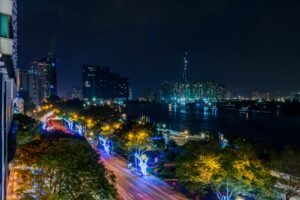
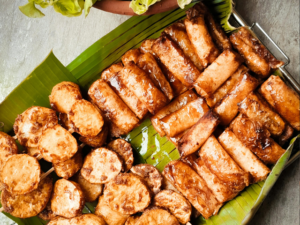
Malaysia is a vibrant country with a rich cultural background. It is friendly. It is respectful. Most importantly, it values harmony in everyday life. Learning local customs in Malaysia helps visitors interact smoothly with locals and avoid cultural mistakes.
Because Malaysia is multicultural, customs may differ slightly from place to place. However, respect, politeness, and patience remain consistent values across the country. By understanding these traditions, you can feel more confident whether you are traveling, working, or settling long term.
Malaysia’s Multicultural Identity
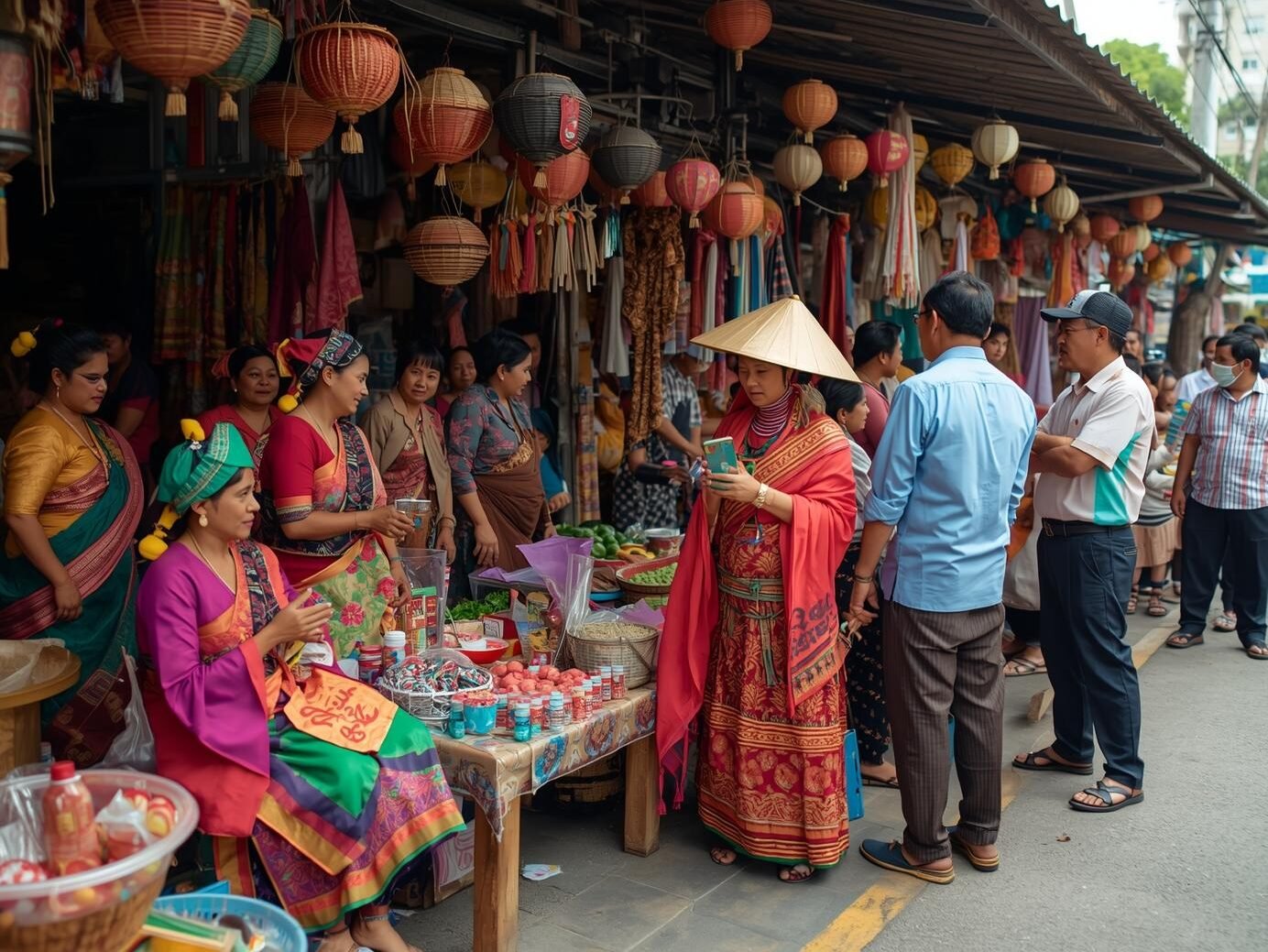
Malaysia is home to many ethnic groups. Each group contributes its own traditions, beliefs, and social norms. Together, they form a balanced and respectful society.
Major Ethnic Groups in Malaysia
The Malay community makes up the majority of the population. Most Malays practice Islam, which strongly influences daily customs. Meanwhile, Chinese Malaysians follow traditions shaped by Buddhism, Taoism, and Christianity. Indian Malaysians, mainly Tamil, practice Hindu customs. In addition, Indigenous groups in Sabah and Sarawak maintain unique traditions tied to nature and ancestry.
Although cultures differ, Malaysians live together peacefully. As a result, tolerance is deeply valued.
The Importance of Social Harmony
In Malaysian society, harmony comes first. People prefer calm discussions over confrontation. For this reason, they often communicate indirectly. Instead of saying “no,” they may respond gently or change the topic.
Therefore, patience and understanding are essential when interacting with locals.
Religious Customs and Daily Life
Religion strongly influences local customs in Malaysia. It affects clothing, food choices, daily schedules, and public behavior.
Islamic Influence in Malaysia
Islam is the official religion of Malaysia. Because of this, Islamic customs are widely practiced. Muslims pray five times a day. On Fridays, many businesses close briefly for prayers. During Ramadan, Muslims fast from sunrise to sunset.
As a visitor, you should respect these practices. For example, avoid eating openly in Muslim areas during fasting hours.
Other Religions Practiced in Malaysia
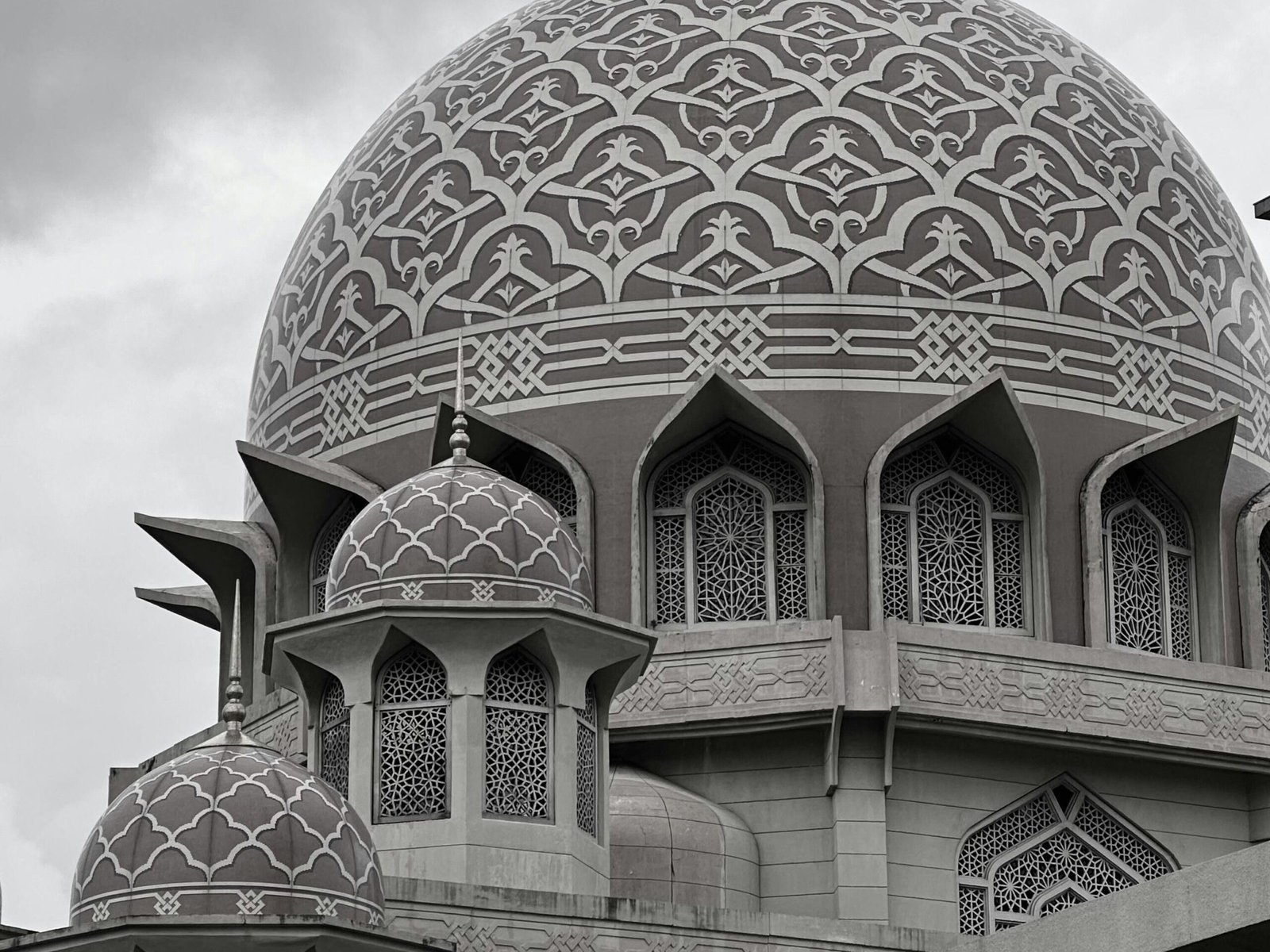
Besides Islam, Malaysia embraces many religions. Buddhism, Hinduism, Christianity, and traditional beliefs are all present. You can often see mosques, temples, and churches close to one another.
This diversity reflects Malaysia’s openness and mutual respect.
Respect During Religious Events
During religious festivals, Malaysians welcome guests warmly. Homes open to friends and neighbors. Food is shared generously. While joining celebrations is encouraged, respectful behavior is always expected.
Dress Code and Personal Appearance
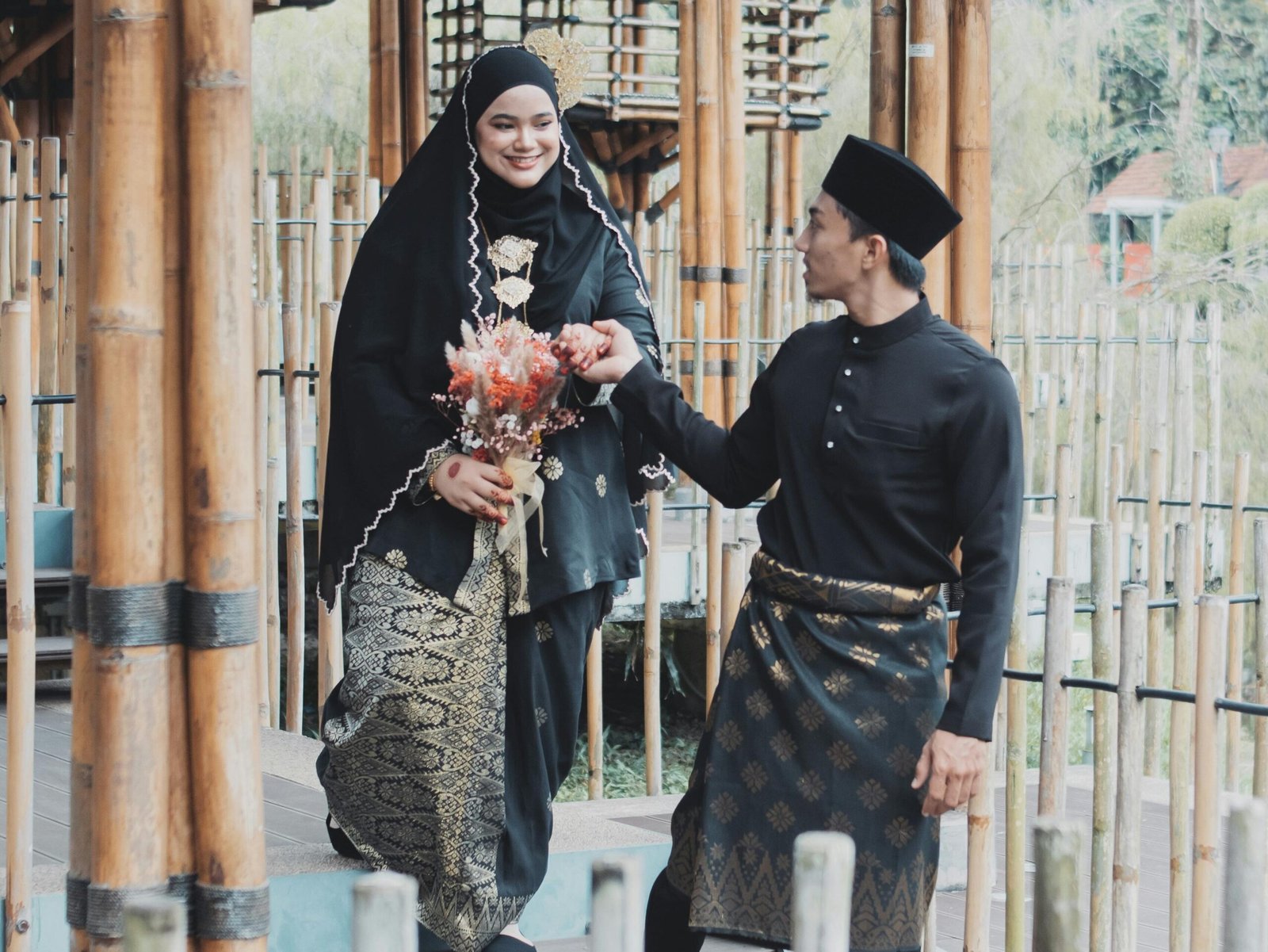
Clothing plays an important role in Malaysian etiquette. Modest dress shows awareness and respect.
Dressing Modestly in Public
Although Malaysia is modern, modesty remains important. Clothes that cover shoulders and knees are recommended in public places. This applies especially to government buildings and rural areas.
In contrast, major cities are more relaxed. Still, dressing respectfully is always a safe choice.
What to Wear at Religious Sites
When visiting mosques or temples, dress conservatively. Long sleeves and long pants are best. Women may need to cover their hair in mosques. Fortunately, many mosques provide robes for visitors.
Following these rules helps create a positive impression.
Social Etiquette and Communication
Understanding social behavior helps build strong relationships in Malaysia.
Greetings and First Meetings
Handshakes are common in Malaysia. However, they are usually gentle. Muslim men and women may avoid physical contact with the opposite gender. Because of this, it is best to wait and follow their lead.
Alternatively, a polite nod or a hand over the heart works well.
Respect for Elders
Elders receive great respect in Malaysian culture. Younger people often speak politely and softly to them. Offering seats to elders is common. Allowing them to speak first is also important.
Respect is shown through actions, not just words.
Indirect Communication and Politeness
Malaysians avoid direct criticism. Instead, they prefer gentle suggestions. This approach helps everyone save face. As a result, staying calm and polite is essential during conversations.
Food Customs and Dining Etiquette
Food is central to Malaysian life. Meals bring people together and strengthen bonds.
Eating with the Right Hand
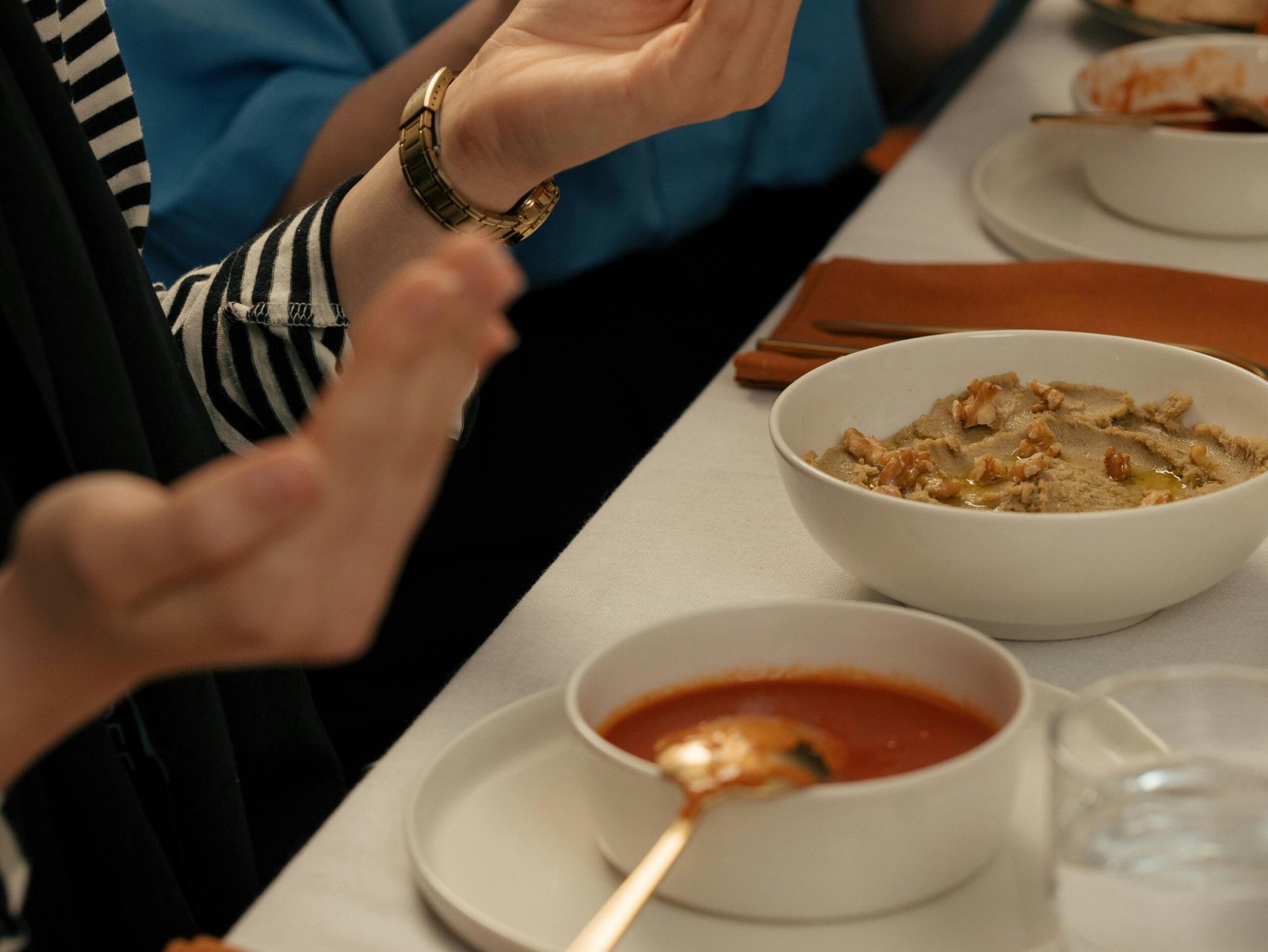
In Malay and Indian traditions, people eat using their right hand. This is normal and acceptable. However, the left hand should not be used for eating or passing food.
Before meals, washing hands is expected.
Table Manners and Dining Behavior
When dining with others, wait until you are invited to start eating. Accepting food is polite, even if you take only a small amount. Finishing your meal shows appreciation for the host.
Refusing food without reason may seem disrespectful.
Halal Food Practices
Halal food is widely available throughout Malaysia. Many restaurants follow halal standards. When visiting Muslim homes, avoid bringing pork or alcohol unless you are told it is acceptable.
When unsure, ask politely.
Gift-Giving Customs in Malaysia
Gift-giving is common during visits and special occasions.
Appropriate Gifts to Bring
Safe gift options include fruits, sweets, or souvenirs from your country. Make sure food gifts are halal. Simple gifts are appreciated more than expensive ones.
Thoughtfulness matters most.
How to Give and Receive Gifts
Gifts are usually given with both hands or the right hand. Often, gifts are not opened immediately. This is normal and polite.
A sincere thank-you is always enough.
Visiting a Malaysian Home
Being invited to a Malaysian home is a sign of trust and respect.
Removing Shoes Before Entering
Always remove your shoes before entering a home. This is one of the most important local customs in Malaysia. Shoes left at the door are a clear signal.
Ignoring this custom may offend the host.
Hospitality and Guest Etiquette
Hosts often offer drinks and snacks. Accepting them, even briefly, shows respect. Thank your host before leaving. This gesture is highly appreciated.
Workplace and Business Etiquette
Professional settings in Malaysia also follow cultural norms.
Business Meetings and Punctuality
Punctuality is valued, especially in formal meetings. However, discussions may begin with small talk. This helps build trust and rapport.
Therefore, patience is important.
Business Attire and Conduct
Professional clothing should be neat and modest. Respect for hierarchy matters in Malaysian workplaces. Decisions may take time, as group agreement is often preferred.
Calm communication leads to better results.
Festivals and Cultural Celebrations
Festivals highlight the beauty of local customs in Malaysia.
Hari Raya Aidilfitri
Hari Raya celebrates the end of Ramadan. Families gather. Homes open to visitors. Traditional dishes are shared generously.
Forgiveness and gratitude are central themes.
Chinese New Year
Chinese New Year brings bright decorations, lion dances, and family reunions. Red envelopes symbolize luck and prosperity.
The celebration feels lively and joyful.
Deepavali and Thaipusam
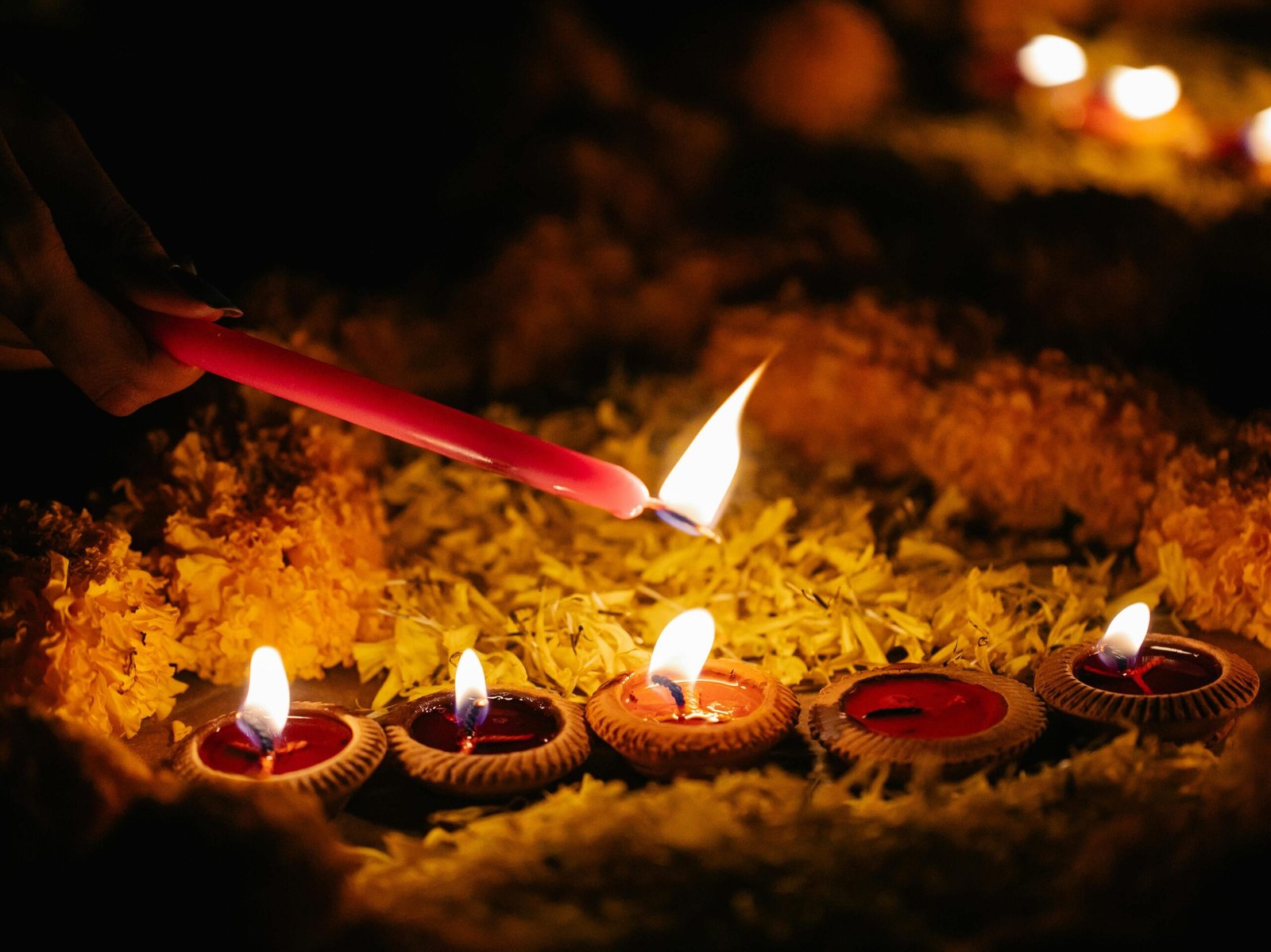
Deepavali represents light overcoming darkness. Homes glow with oil lamps. Thaipusam is a religious event that shows deep devotion through rituals and processions.
Both festivals carry strong cultural meaning.
Cultural Taboos to Avoid
Certain actions are considered rude in Malaysia. Avoid pointing with your finger. Use your thumb instead. Do not touch someone’s head. Avoid showing the soles of your feet.
Public displays of affection are discouraged. Loud or aggressive behavior is also frowned upon.
Awareness helps prevent misunderstandings.
FAQs About Local Customs in Malaysia
What is the most important custom to remember in Malaysia?
Respect is the most important value, especially toward religion, elders, and social harmony.
Is Malaysia strict about etiquette?
Malaysia values politeness more than strict rules. However, ignoring customs may appear disrespectful.
Can foreigners join Malaysian festivals?
Yes, foreigners are welcome as long as they behave respectfully.
Is tipping required in Malaysia?
Tipping is not required. Service charges are often included, but small tips are appreciated.
How should visitors behave in mosques?
Dress modestly, remove shoes, and follow local guidelines at all times.
Final Thoughts
Learning local customs in Malaysia makes every experience smoother and more meaningful. These traditions guide daily behavior, social interaction, and cultural respect. By dressing modestly, speaking politely, and showing patience, visitors can build strong connections with locals.
Whether you stay for a short visit or a long journey, cultural awareness makes a lasting difference. Respect the customs, and Malaysia will welcome you with warmth and generosity.
If you’re ready to explore Malaysia even further, check out our travel guides and business insights to help you plan smarter trips, discover new opportunities, and make the most of your journey. Read HERE!