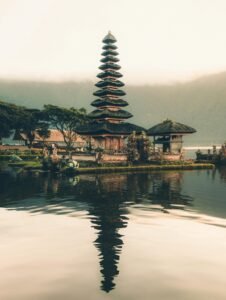
Thailand is world-famous not only for its beaches and cuisine but also for its vibrant festivals that reflect the country’s deep-rooted culture, spirituality, and community spirit. Festivals in Thailand are celebrated with color, music, rituals, and joyful gatherings, offering locals and visitors a meaningful way to connect with Thai traditions. From water-splashing celebrations to lantern-lit skies, each festival tells a story of gratitude, renewal, and cultural pride.
In this guide, you will explore the most important festivals in Thailand, their cultural significance, when they are celebrated, and what makes each one unique. Whether you are planning a trip or simply want to learn more about Thai culture, this article provides a clear and engaging overview of Thailand’s most iconic celebrations.
The Importance of Festivals in Thailand
Festivals in Thailand are closely tied to religion, agriculture, and seasonal cycles. Many celebrations are influenced by Buddhism, while others originate from ancient Brahman or local traditions. These festivals often serve as times for merit-making, honoring ancestors, thanking nature, and strengthening community bonds.
For travelers, Thai festivals provide unforgettable experiences. For locals, they represent continuity, respect for tradition, and shared joy. Understanding these celebrations helps visitors appreciate Thailand beyond its tourist attractions.
Songkran Festival: Thai New Year Celebration
What Is Songkran?
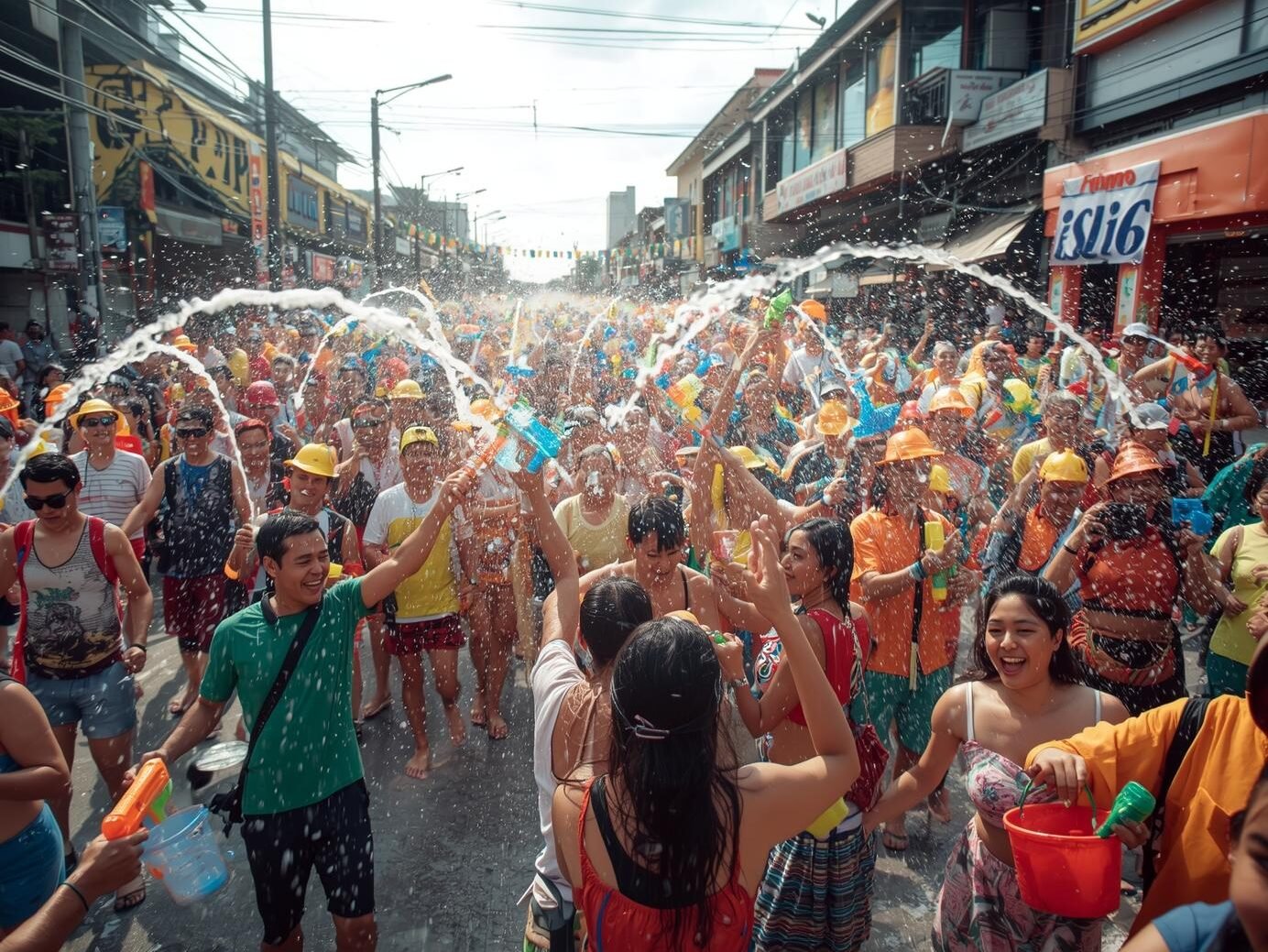
Songkran is the most famous festival in Thailand and marks the traditional Thai New Year. It is celebrated every year from April 13 to 15, although some regions extend the festivities.
Cultural Meaning of Songkran
Songkran symbolizes renewal, cleansing, and good fortune. Water plays a central role, representing the washing away of bad luck and misfortune from the previous year.
How Songkran Is Celebrated
People pour scented water over Buddha statues and elders’ hands as a sign of respect. Over time, this ritual evolved into large-scale water fights, especially in cities like Bangkok, Chiang Mai, and Phuket. Streets become lively with music, dancing, and joyful crowds.
Why Songkran Is Special
Songkran is not just a festival but a national celebration that unites people of all ages. It is one of the best times to experience Thai hospitality, fun, and cultural traditions all at once.
Loy Krathong Festival: The Festival of Lights
What Is Loy Krathong?
Loy Krathong is one of the most visually stunning festivals in Thailand. It usually takes place in November during the full moon of the 12th lunar month.
Meaning Behind Loy Krathong
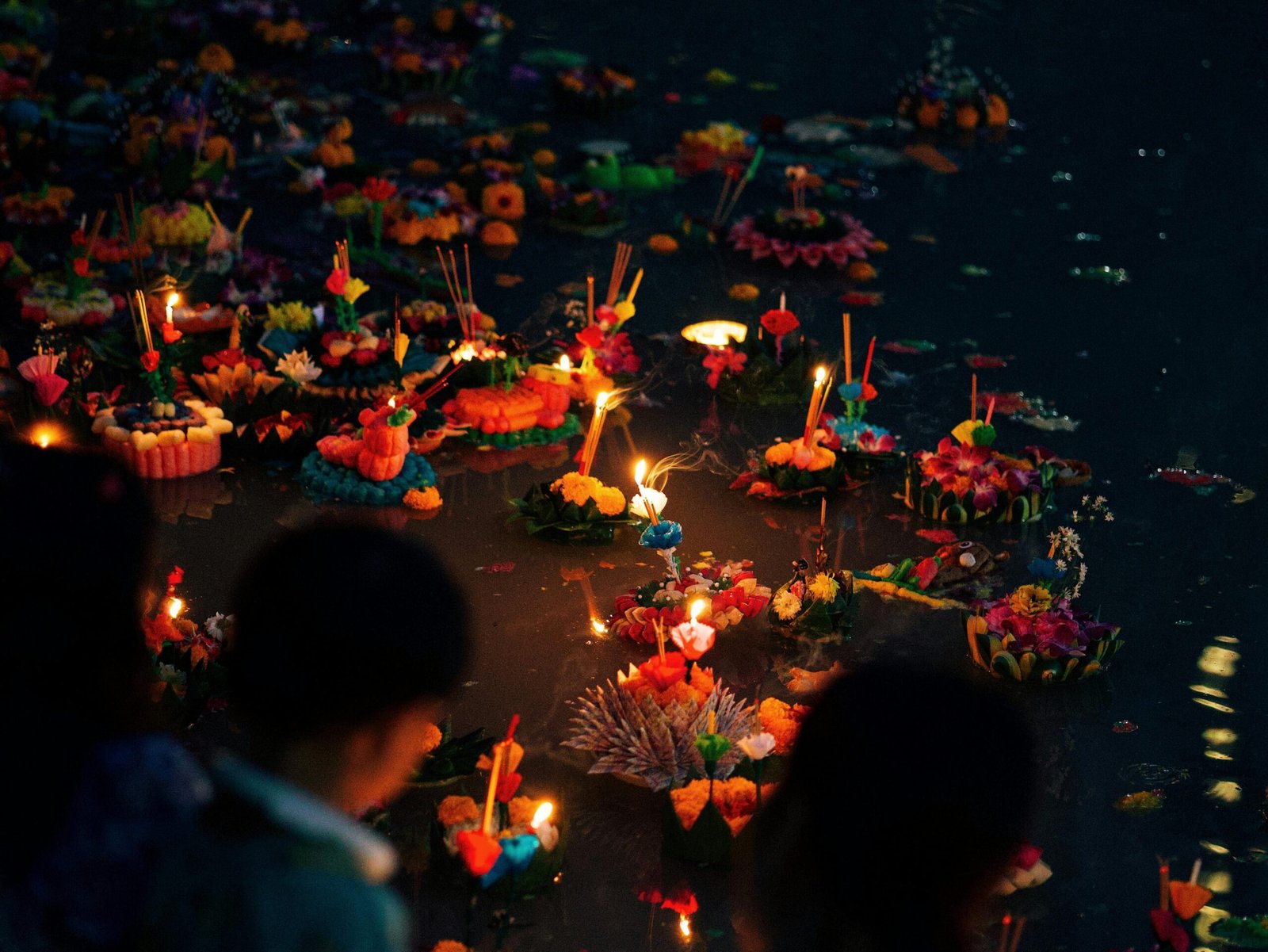
The festival is a way of paying respect to the water goddess and expressing gratitude for water resources. It is also believed that floating a krathong releases negativity and bad luck.
How Loy Krathong Is Celebrated
People create small floating baskets called krathongs, traditionally made from banana leaves and decorated with flowers, candles, and incense. These are released into rivers, lakes, or canals at night.
Yi Peng Lantern Festival
In northern Thailand, especially in Chiang Mai, Loy Krathong coincides with the Yi Peng Festival, where thousands of lanterns are released into the sky. This breathtaking sight attracts visitors from around the world.
Phi Ta Khon Festival: Thailand’s Ghost Festival
What Is Phi Ta Khon?
Phi Ta Khon, also known as the Ghost Festival, is held in Dan Sai district, Loei province. It usually takes place between June and July.
Origins of Phi Ta Khon
The festival is linked to a Buddhist tale about Prince Vessantara, whose return caused such joy that spirits joined the celebration.
Festival Highlights
Participants wear colorful ghost masks and costumes, dance through the streets, and take part in lively parades. The atmosphere is playful, humorous, and deeply rooted in local folklore.
Why It Stands Out
Phi Ta Khon is one of Thailand’s most unique festivals, blending spirituality, folklore, and entertainment in a way that is both meaningful and fun.
Vegetarian Festival: A Spiritual Cleansing Event
What Is the Vegetarian Festival?
The Vegetarian Festival is celebrated mainly by Thai-Chinese communities, especially in Phuket. It usually occurs in September or October.
Purpose of the Festival
The festival focuses on spiritual cleansing, good health, and merit-making by abstaining from meat and certain behaviors for nine days.
Rituals and Practices
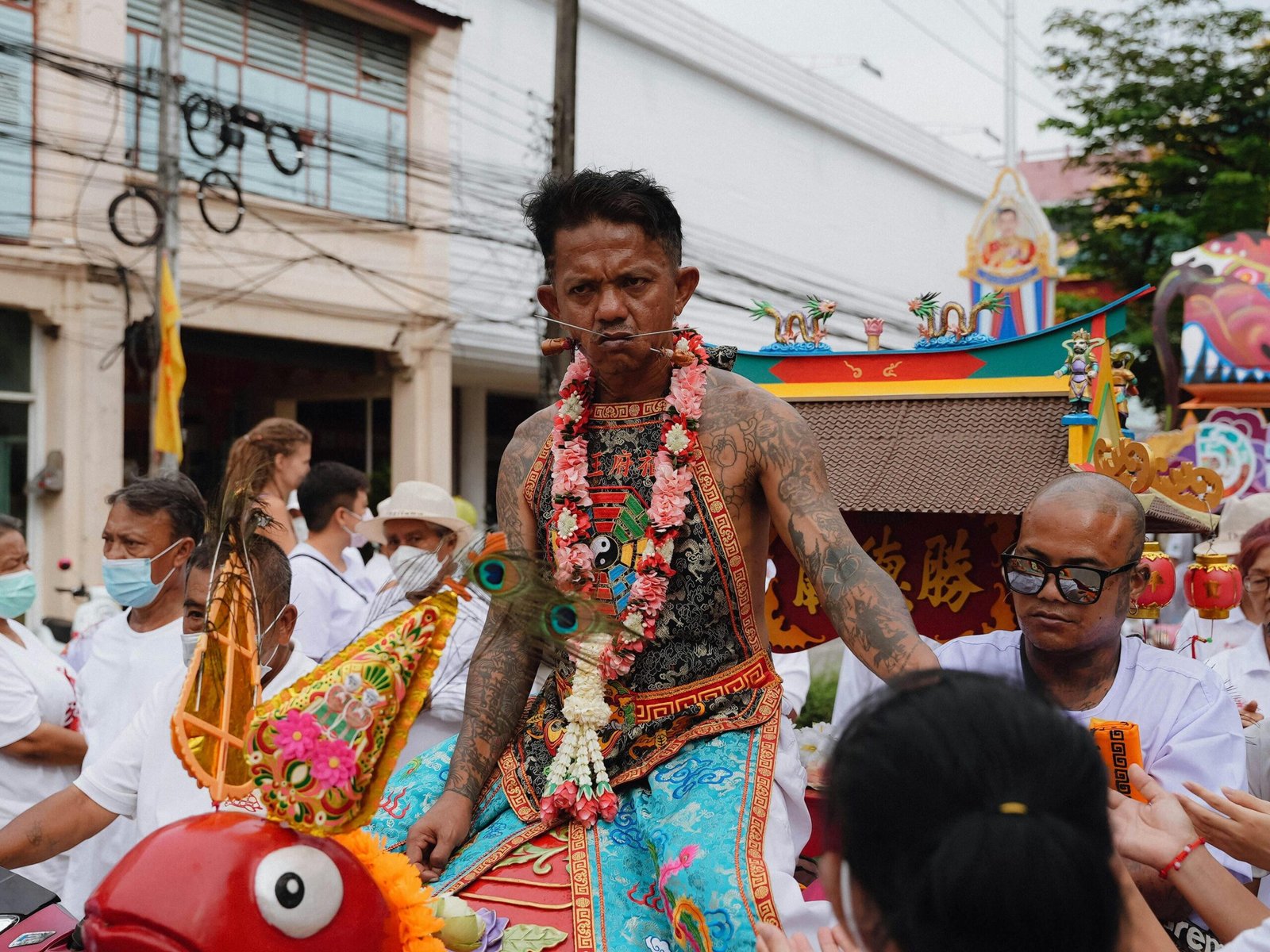
Participants follow a strict vegetarian diet and attend temple ceremonies. Some devotees perform extreme rituals, such as body piercing, as acts of faith and purification.
Cultural Significance
Despite its intensity, the Vegetarian Festival reflects deep devotion and discipline, showcasing the diversity of religious practices in Thailand.
Royal Ploughing Ceremony: Honoring Agriculture
What Is the Royal Ploughing Ceremony?
This ancient ceremony marks the beginning of the rice-growing season in Thailand. It is usually held in May in Bangkok.
Importance of the Ceremony
The event highlights the importance of agriculture to Thai society and honors farmers who play a vital role in the country’s economy and food security.
What Happens During the Ceremony
Sacred oxen plow a ceremonial field, and court Brahmins predict the upcoming farming season based on the oxen’s choices of food.
Chinese New Year in Thailand
Chinese Influence in Thai Culture
With a large Thai-Chinese population, Chinese New Year is widely celebrated in Thailand, especially in Bangkok’s Chinatown.
Celebrations and Traditions
Festivities include dragon and lion dances, fireworks, temple visits, and family gatherings. Red decorations symbolize luck and prosperity.
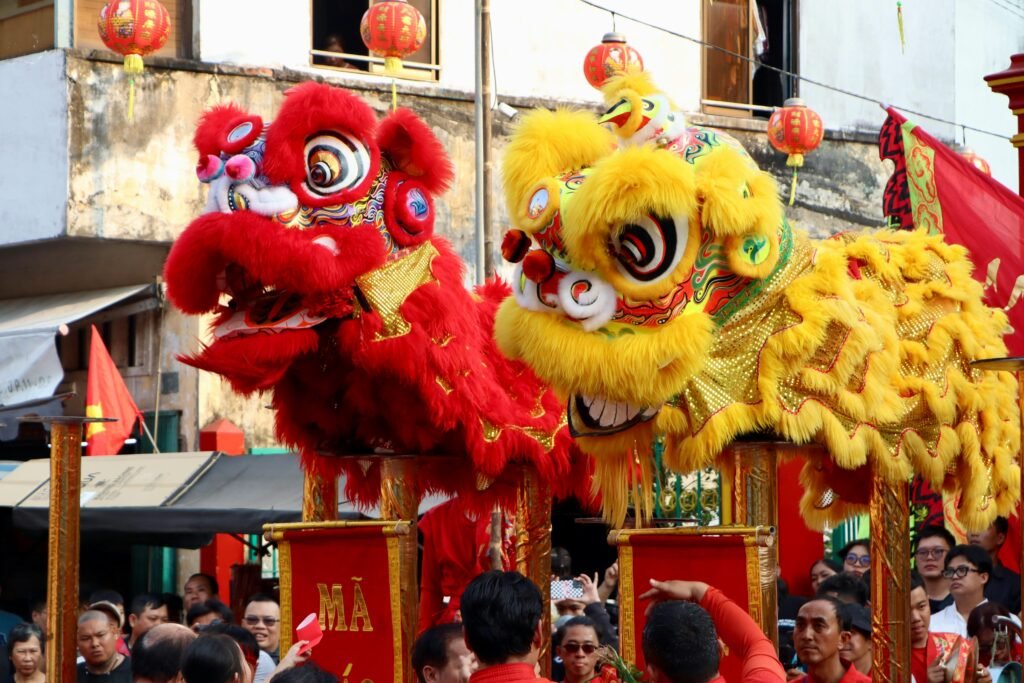
Best Places to Celebrate
Yaowarat Road in Bangkok is one of the best places to experience Chinese New Year in Thailand, offering lively street performances and food stalls.
Why Experiencing Festivals in Thailand Is Worth It
Festivals in Thailand offer more than entertainment. They provide insight into Thai values such as respect, gratitude, community, and spirituality. Each festival reflects a balance between tradition and modern celebration, making them accessible and enjoyable for visitors while remaining meaningful for locals.
Traveling during festival seasons allows visitors to see Thailand at its most vibrant and authentic. However, it is important to be respectful, dress appropriately, and follow local customs during religious events.
Tips for Enjoying Festivals in Thailand
Plan ahead, as festivals attract large crowds and accommodations fill quickly. Respect local traditions by observing rituals quietly and asking permission before taking photos. Stay hydrated and protect yourself from the sun, especially during outdoor festivals like Songkran.
FAQs About Festivals in Thailand
What is the most popular festival in Thailand?
Songkran is the most popular and widely celebrated festival in Thailand, marking the Thai New Year with water-related activities and cultural rituals.
When is the best time to visit Thailand for festivals?
April and November are excellent months to visit Thailand due to Songkran and Loy Krathong festivals, offering both cultural depth and visual beauty.
Are Thai festivals suitable for tourists?
Yes, most festivals in Thailand are tourist-friendly, but visitors should always respect cultural and religious practices.
Do festivals in Thailand follow the lunar calendar?
Many Thai festivals are based on the lunar calendar, so dates may change each year.
What should I wear during Thai festivals?
Light, modest clothing is recommended. For religious festivals, clothing that covers shoulders and knees is respectful.
Final Thoughts on Festivals in Thailand
Festivals in Thailand are a celebration of life, faith, and community. They offer a unique opportunity to experience the country’s traditions in their most vibrant form. From joyful water fights to serene floating lights, each festival reflects Thailand’s rich cultural identity and welcoming spirit.
Whether you are a traveler seeking unforgettable experiences or a reader exploring global cultures, learning about festivals in Thailand deepens appreciation for the country’s heritage. By participating respectfully, you can create meaningful memories while honoring the traditions that make Thailand truly special.
If you’re inspired to explore Thailand further or curious about business opportunities tied to travel and culture, be sure to check out our related travel guides and business articles to continue your journey with insight and confidence. Click HERE!.


🌏 Tip of the Day
When traveling by train in Thailand, make sure to keep the ticket that you are given at the train station. The conductor will come through the train to check tickets. The SRT (State Railway of Thailand) has a website, and you can buy tickets online. Be sure to download the app and when the conductor comes around to check tickets you just show your reservation, which is listed on the app.
🌏 Photo of the Day
In the photo below, you can get an idea of what it’s like to travel in 2nd-class train service in Thailand. There is no AC but fans on the ceiling instead. Sometimes the fans are working, and at other times, they aren’t. Even if they aren’t, they are not needed. If you open the window, you’ll get a nice breeze.