Introduction
Transportation in the Philippines is as diverse as its culture. From the bustling streets of Manila to the serene provinces of Palawan, the country offers a wide range of transportation options for locals and tourists alike. Understanding the transportation system is essential for a smooth travel experience, whether you are commuting for work or exploring the country’s beautiful islands. This guide will cover all major modes of transportation in the Philippines, including public transport, taxis, rail systems, and air travel, along with practical tips for travelers.
Modes of Transportation in the Philippines
Jeepneys
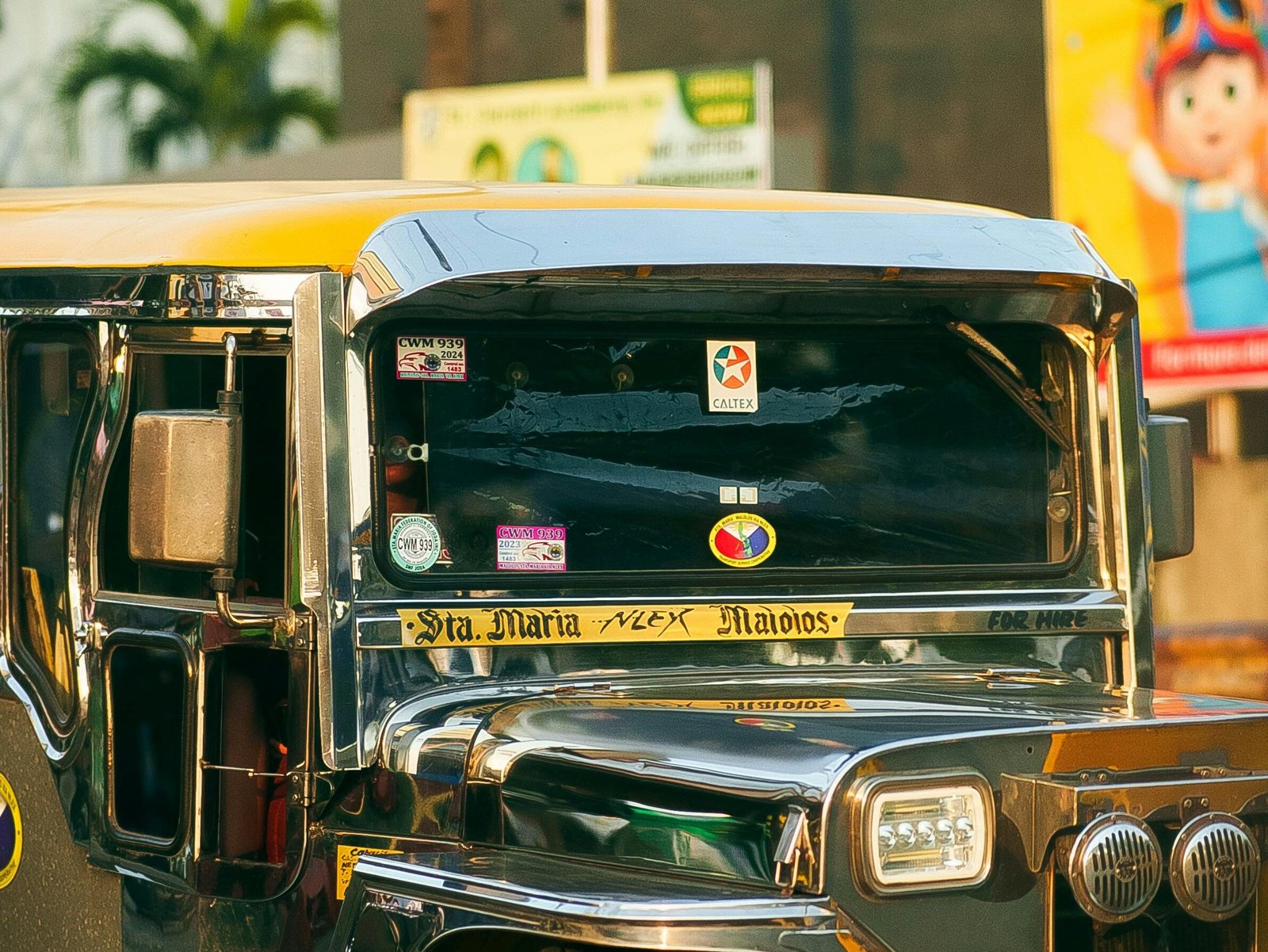
Jeepneys are the most iconic mode of transportation in the Philippines. Originally made from surplus military jeeps after World War II, they have become a symbol of Filipino ingenuity. Jeepneys are widely used for short to medium distances and are known for their vibrant designs and crowded seating. They operate on fixed routes, and passengers pay a small fare that varies depending on the distance traveled. For tourists, riding a jeepney can be a cultural experience, though it may be challenging to navigate for first-time visitors due to the lack of formal route maps.
Buses
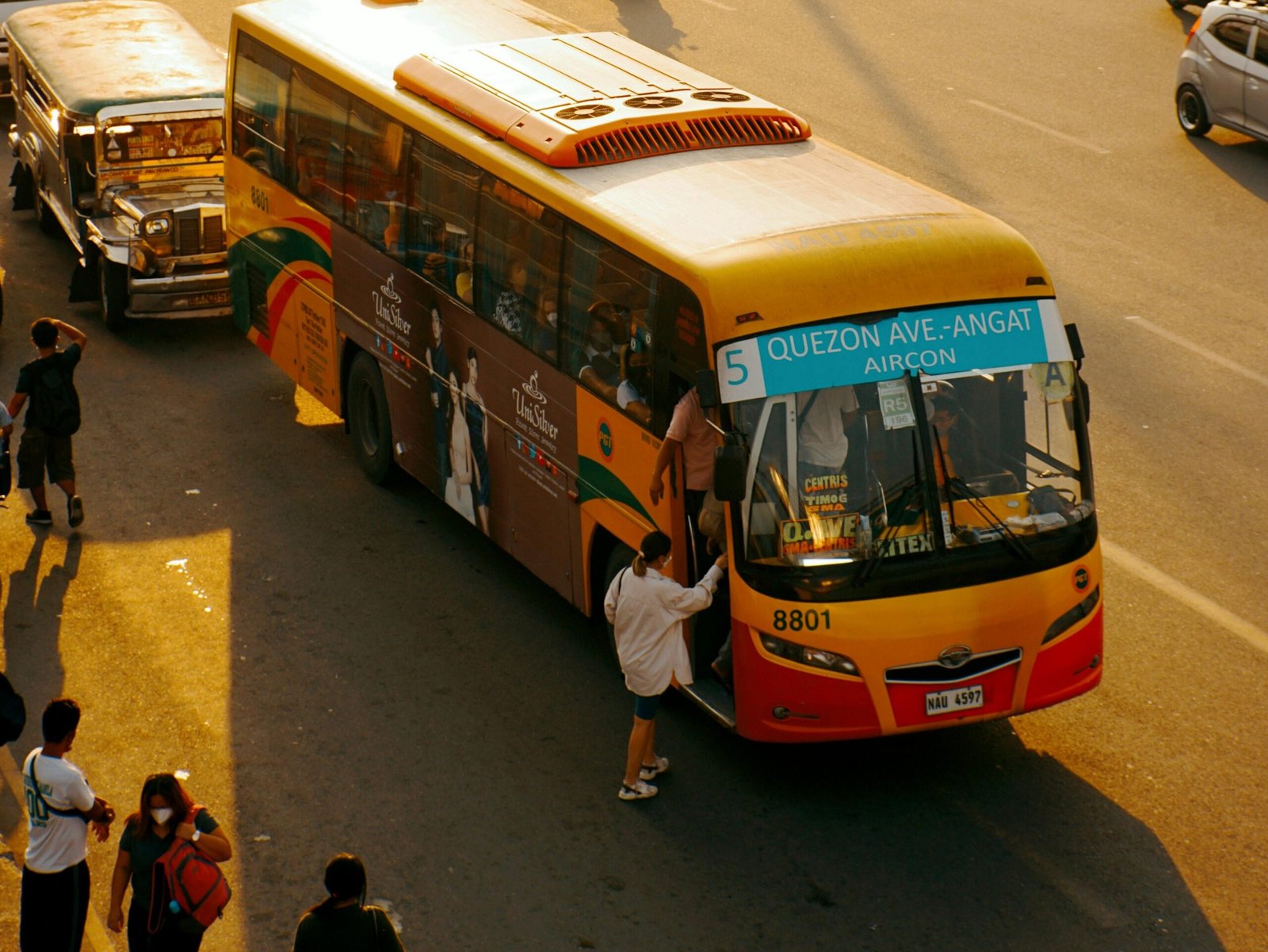
Buses are a common choice for longer distances between cities and provinces. The Philippines has both air-conditioned and non-air-conditioned buses. Major bus companies like Victory Liner, Philtranco, and Ceres offer regular routes connecting Luzon, Visayas, and Mindanao. Modern buses often feature comfortable seating, Wi-Fi, and onboard restrooms. For provincial travel, buses are usually more economical than flights, though travel times can be longer due to traffic and road conditions.
Trains and Rail Systems
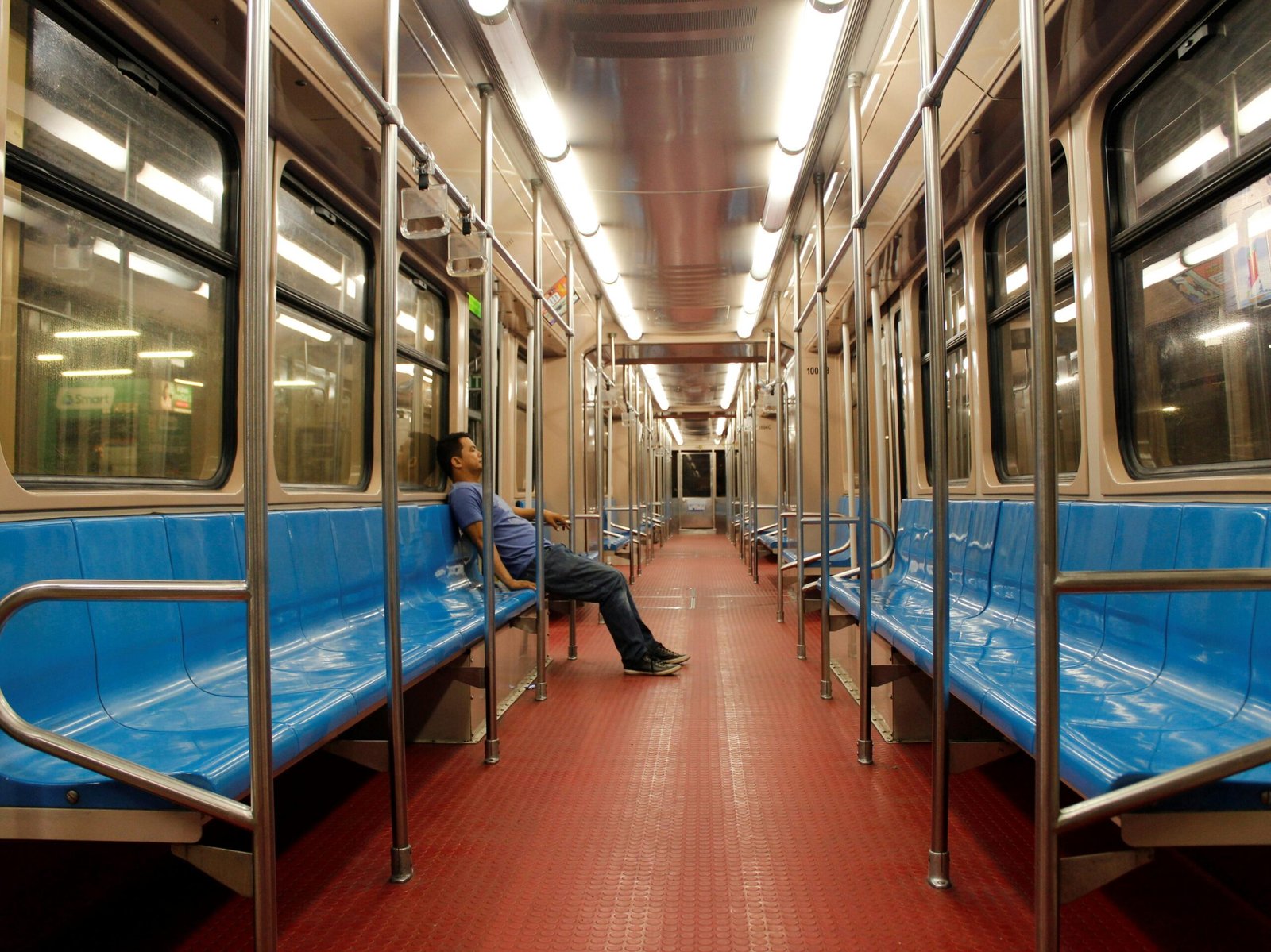
Metro areas in the Philippines are gradually developing their rail systems. The Light Rail Transit (LRT) and Metro Rail Transit (MRT) in Metro Manila are the primary options for urban commuters. These rail systems help reduce road congestion and provide a faster alternative to buses and jeepneys. Currently, projects like the Philippine National Railways (PNR) North-South Commuter Rail aim to expand rail connectivity between Metro Manila and nearby provinces, making commuting more convenient for thousands of passengers daily.
Taxis and Ride-Hailing Services
Taxis are widely available in cities like Manila, Cebu, and Davao. They offer a more comfortable and private mode of transportation compared to public options. Ride-hailing apps such as Grab have gained popularity, providing a convenient alternative to traditional taxis. These apps allow passengers to book rides via smartphone, track their route, and pay electronically, making travel safer and more reliable.
Tricycles and Pedicabs
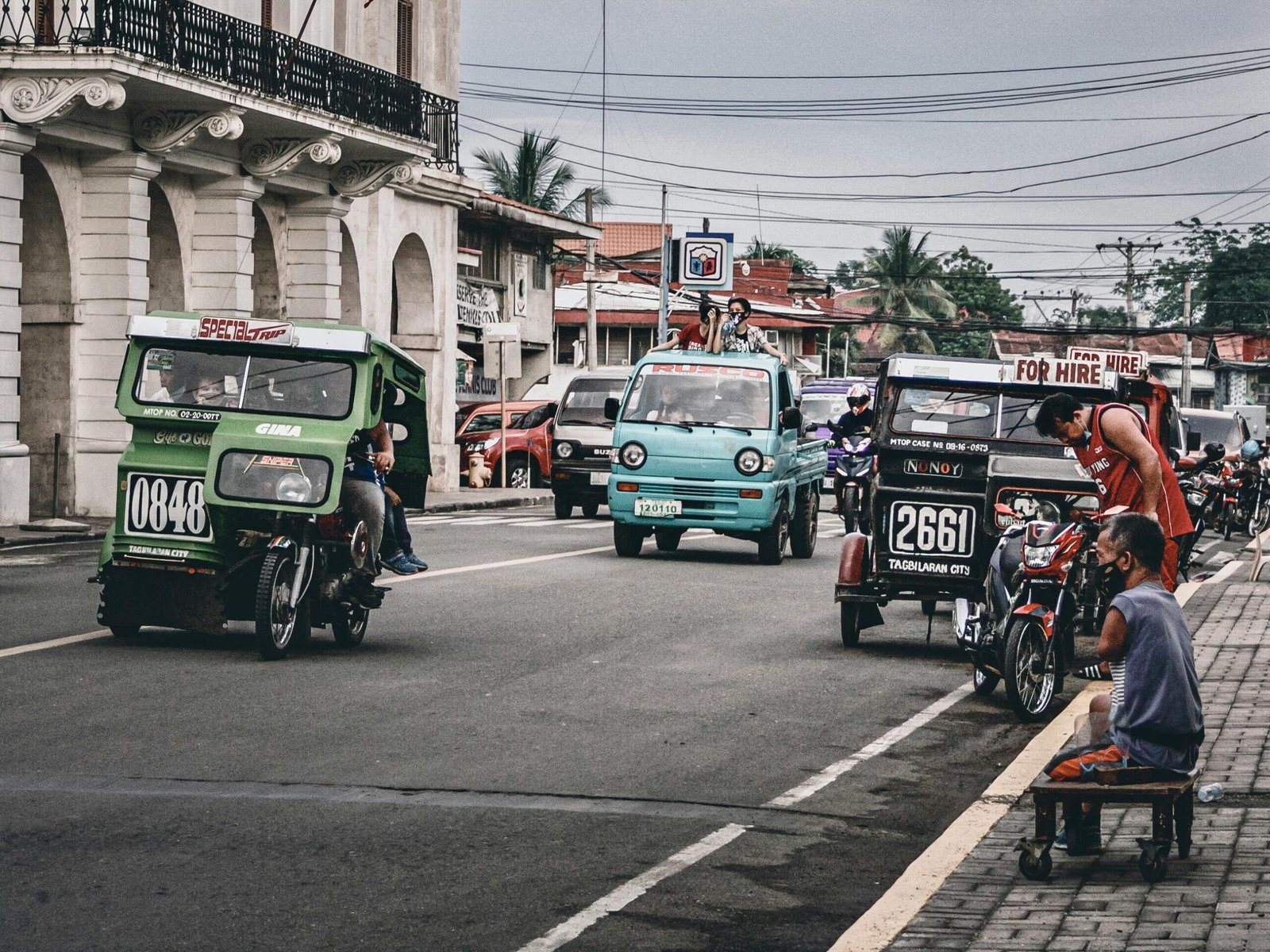
For short distances, especially in rural areas and small towns, tricycles and pedicabs are common. Tricycles are motorcycles with sidecars that can accommodate several passengers, while pedicabs are bicycle-powered carts. These modes are ideal for narrow streets where larger vehicles cannot pass. Fares are usually negotiable, and travelers should confirm prices before starting the ride.
Ferries and Boats
The Philippines is an archipelago with over 7,000 islands, making water transportation essential. Ferries and boats connect major islands, providing an alternative to air travel. Companies like 2GO Travel and Montenegro Shipping Lines operate both passenger and cargo services. High-speed ferries are preferred for shorter trips, while overnight ferries are suitable for long-distance travel. Safety standards vary, so it’s important to choose reputable operators.
Air Travel
Domestic flights are a popular choice for traveling between islands quickly. Airlines such as Philippine Airlines, Cebu Pacific, and AirAsia Philippines operate numerous domestic routes connecting major cities and tourist destinations. Booking flights in advance often provides cheaper rates, and low-cost carriers make air travel accessible to most travelers. Airports like Ninoy Aquino International Airport (Manila), Mactan-Cebu International Airport, and Clark International Airport serve as major hubs for both domestic and international flights.
Tips for Using Transportation in the Philippines
- Plan Ahead: Traffic in Metro Manila can be unpredictable. Allow extra travel time when commuting.
- Know the Fare: Familiarize yourself with typical fares for jeepneys, tricycles, and taxis to avoid overcharging.
- Use Apps: Ride-hailing apps and navigation apps can make travel more convenient and safer.
- Stay Safe: Always check the condition of boats, ferries, and motorcycles before traveling, especially in rural areas.
- Cash Ready: Many local transportation options, like jeepneys and tricycles, do not accept cards. Always carry small bills and coins.
Challenges in Philippine Transportation
Despite its diversity, transportation in the Philippines faces several challenges. Traffic congestion in major cities remains a significant issue. Public transportation can be overcrowded, and road conditions in some provinces are poor. Moreover, limited rail infrastructure restricts efficient travel between urban and rural areas. The government continues to invest in infrastructure projects to address these issues, including modern expressways, rail expansions, and sustainable transport initiatives.
Future of Transportation in the Philippines
The future of transportation in the Philippines looks promising. With ongoing developments in rail systems, modern bus fleets, and airport expansions, commuting is expected to become faster and more efficient. Sustainable transport initiatives, such as electric jeepneys and bike lanes, are gaining traction to reduce environmental impact. These improvements aim to enhance the overall travel experience for both locals and tourists.
FAQs About Transportation in the Philippines
Q1: What is the cheapest way to travel in the Philippines?
The cheapest way is usually by jeepney or local bus for short to medium distances. Tricycles and pedicabs are also affordable for short trips in towns.
Q2: Are taxis safe in the Philippines?
Yes, taxis in major cities are generally safe. Using ride-hailing apps adds an extra layer of safety and convenience.
Q3: How reliable are ferries in the Philippines?
Ferry services are reliable when operated by reputable companies. Always check schedules and safety standards before booking.
Q4: Can I use a credit card for public transportation?
Most local transportation options, such as jeepneys, buses, and tricycles, require cash. Some buses and trains accept contactless payments in urban areas.
Q5: Is traffic in Metro Manila really bad?
Yes, Metro Manila is known for heavy traffic, especially during rush hours. Planning your trip and using rail systems can save time.
Final Thoughts
Transportation in the Philippines offers a unique and vibrant experience, blending tradition and modernity. From iconic jeepneys to fast domestic flights, travelers have numerous options to navigate the country efficiently. While challenges like congestion and limited rail infrastructure exist, ongoing developments promise better mobility in the future. Whether commuting for work or exploring the islands as a tourist, understanding the transportation system in the Philippines ensures a smoother and more enjoyable journey. For those planning to travel further, exploring guides about Philippine travel destinations or business transportation tips can provide even more useful insights.
Whether you’re planning your next adventure or navigating daily commutes for work, be sure to explore our other travel guides and business articles to make every journey in the Philippines smarter, smoother, and more rewarding. CLICK HERE!