Cambodia, known for its rich history, stunning temples, and vibrant culture, attracts travelers from all over the world. Navigating the country efficiently requires understanding the different modes of transportation in Cambodia. Whether you’re visiting the bustling capital of Phnom Penh, exploring the ancient city of Angkor Wat in Siem Reap, or traveling through rural provinces, this guide will help you choose the best options for your journey.
Modes of Transportation in Cambodia
1. Tuk-Tuks: The Iconic Way to Travel
Tuk-tuks are one of the most popular and iconic modes of transportation in Cambodia. These three-wheeled vehicles are affordable, flexible, and perfect for short trips within cities.
- Cost: Usually between $2 to $5 per ride, depending on distance.
- Best for: City tours, airport transfers, and short trips.
- Tip: Always negotiate the fare before getting in.
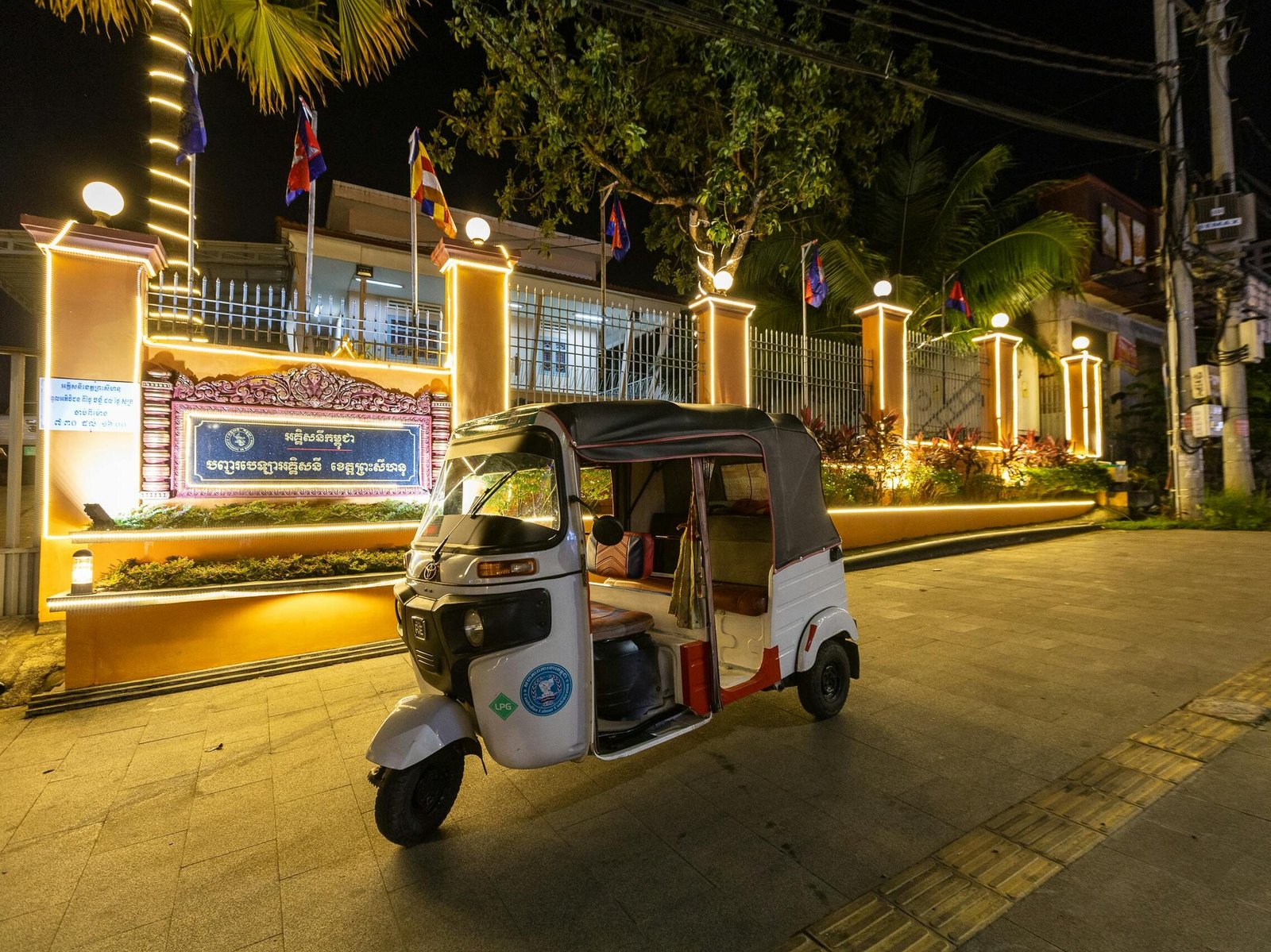
Tuk-tuks offer a unique way to experience Cambodia, providing an open-air view of streets, markets, and local life. For travelers seeking adventure and convenience, tuk-tuks are ideal.
2. Motorbike Rentals and Ride-Hailing Services
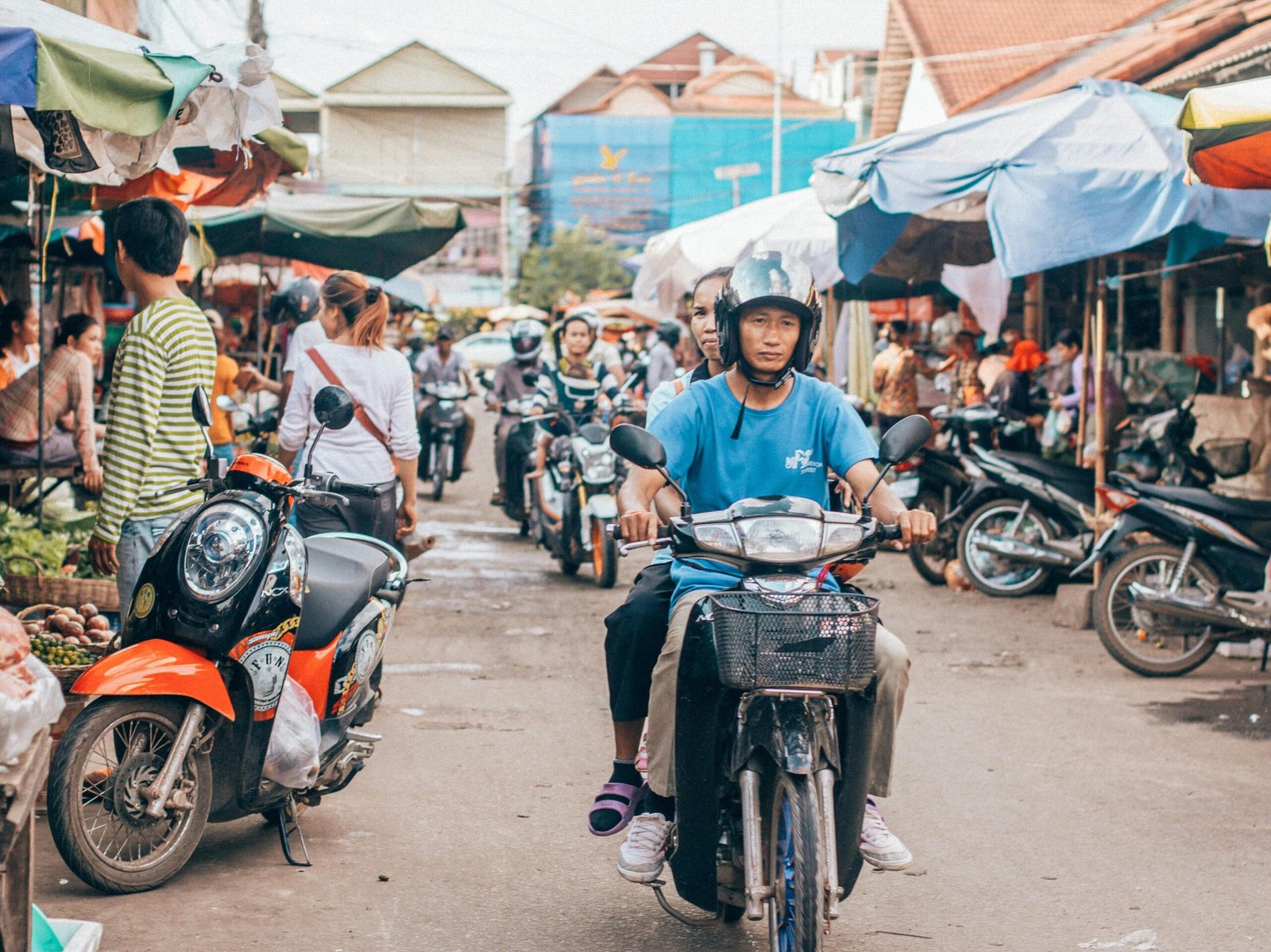
Motorbikes are a common way to get around Cambodia, especially for solo travelers or couples. Many rental shops in Phnom Penh, Siem Reap, and Sihanoukville offer motorbikes for daily or weekly use.
- Cost: Around $5–$10 per day for rentals.
- Safety: Always wear a helmet and carry an international driving permit.
- Ride-hailing apps: Services like PassApp allow you to book motorbike rides with drivers conveniently.
Motorbikes are great for exploring off-the-beaten-path destinations and avoiding traffic congestion.
3. Buses and Minivans
For traveling between cities and provinces, buses and minivans are the most common choice. Cambodia has a wide network of bus companies that cater to tourists and locals.
- Popular routes: Phnom Penh to Siem Reap, Phnom Penh to Sihanoukville.
- Cost: $6–$15 depending on distance and bus type.
- Duration: Phnom Penh to Siem Reap takes about 6 hours by bus.
VIP buses and minivans offer more comfort with air conditioning, cushioned seats, and sometimes snacks. Booking in advance is recommended during peak tourist seasons.
4. Trains in Cambodia
Rail travel in Cambodia is limited but improving. The main train route connects Phnom Penh and Poipet on the Thai border, passing through Battambang.
- Cost: Around $5–$10 per ride.
- Travel time: Phnom Penh to Battambang takes approximately 6–7 hours.
- Experience: The train offers scenic views of the Cambodian countryside, making it a charming alternative to buses.
While train travel is slower, it provides a more relaxed pace and a unique glimpse into rural Cambodia.

5. Flights: Domestic and Regional Travel
Cambodia’s domestic flights are convenient for travelers with limited time. Airlines like Cambodia Angkor Air, Bassaka Air, and JC International Airlines operate flights connecting Phnom Penh, Siem Reap, and Sihanoukville.
- Cost: $50–$150 per flight, depending on the route and season.
- Duration: Phnom Penh to Siem Reap takes around 45 minutes.
- Booking tips: Book in advance for cheaper fares and check for promotions.
Domestic flights are ideal for travelers who want to save time and avoid long road trips, especially when visiting multiple destinations.
6. Boats and Ferries
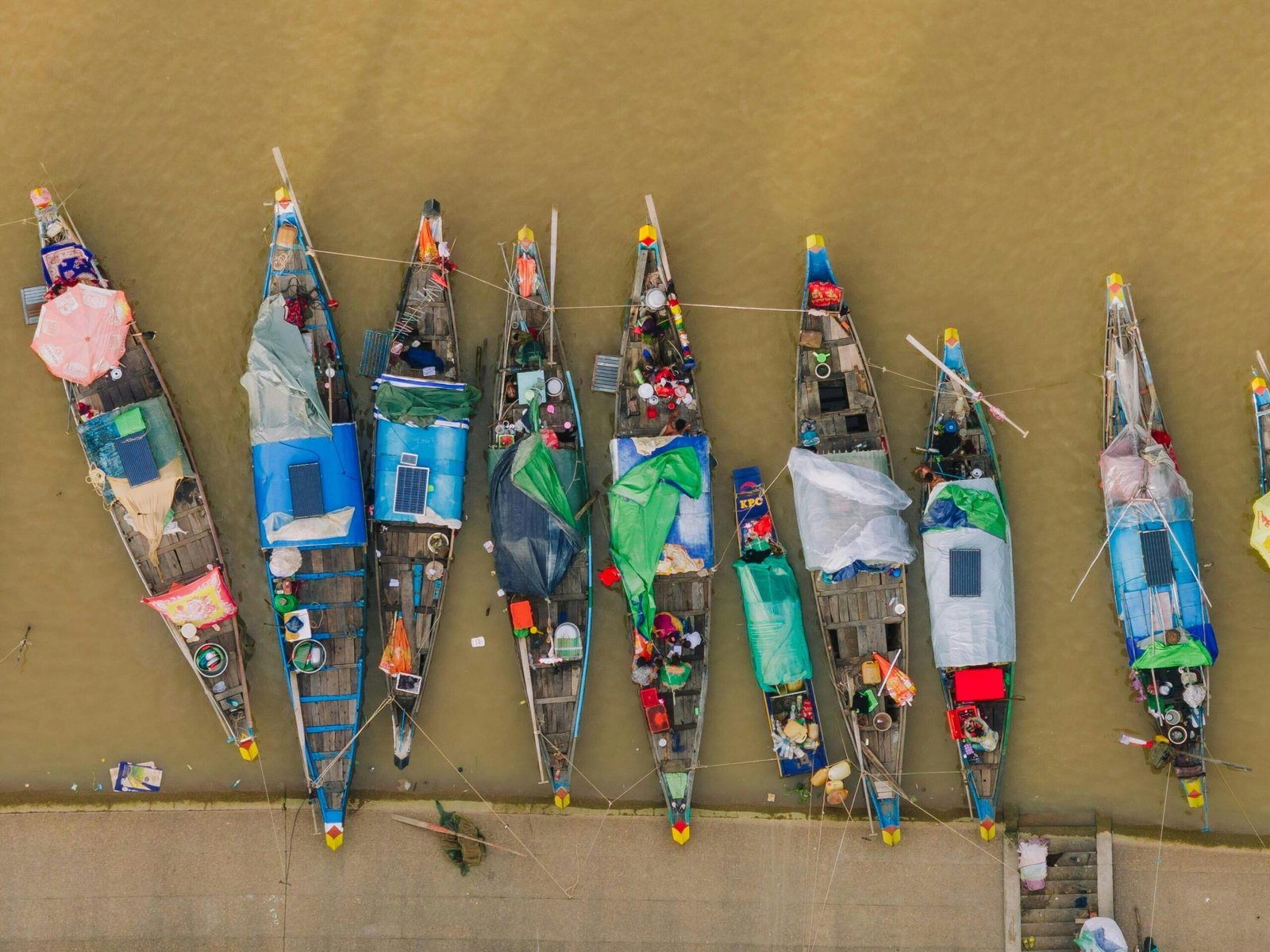
Cambodia’s rivers and lakes provide another mode of transportation, especially in areas like Tonle Sap Lake and the Mekong River. Boats and ferries are commonly used to reach floating villages and rural communities.
- Cost: Varies from $5 to $20 per trip.
- Experience: Offers scenic and peaceful travel with opportunities for photography and wildlife spotting.
For travelers who enjoy water travel, taking a boat ride provides a refreshing perspective of Cambodia’s landscapes.
Tips for Safe and Efficient Travel in Cambodia
1. Plan Your Route in Advance
Knowing the distances and travel times between cities will help you choose the most efficient mode of transportation.
2. Stay Updated on Local Transportation Apps
Apps like PassApp and Grab provide convenient options for booking rides, especially in cities.
3. Always Negotiate Prices
For tuk-tuks and taxis, always agree on a fare beforehand to avoid misunderstandings.
4. Be Cautious on Roads
Traffic in Cambodia can be unpredictable. Always wear a helmet on motorbikes, and be vigilant as road rules are often loosely enforced.
5. Consider Comfort and Time
For long distances, VIP buses or flights may offer more comfort and efficiency than overland travel.
FAQs About Transportation in Cambodia
Q1: Is Cambodia safe for motorbike travel?
Yes, but it is important to wear a helmet, have a valid driving license, and drive cautiously as traffic can be chaotic in urban areas.
Q2: How much does a tuk-tuk cost in Cambodia?
Tuk-tuk rides generally cost between $2 and $5 for short distances within cities. Longer trips can cost more and should be negotiated in advance.
Q3: Can I travel by train in Cambodia?
Yes, there are limited train routes connecting Phnom Penh to Poipet via Battambang. Trains are affordable and offer scenic views.
Q4: Are domestic flights in Cambodia expensive?
Domestic flights range from $50 to $150 per trip. Booking early or during promotions can reduce costs.
Q5: What is the best way to travel between Phnom Penh and Siem Reap?
VIP buses are a popular choice for comfort and affordability, taking approximately 6 hours. Flights are faster but more expensive.
Final Thoughts
Understanding transportation in Cambodia is essential for a smooth and enjoyable trip. Whether you prefer the adventure of tuk-tuks, the convenience of motorbikes, the comfort of VIP buses, or the speed of domestic flights, Cambodia offers a variety of options to suit all travel styles and budgets. By planning ahead and choosing the right mode of transport, you can explore the country efficiently while enjoying its breathtaking landscapes and cultural treasures.
For more travel insights, explore our guides on Cambodian attractions, cultural tips, and travel itineraries to make the most out of your journey. Click HERE!


Travel Tip of the Day:
US dollars are widely accepted in addition to the local currency which is the Cambodian Riel. However when paying in US dollars you might be given change in Cambodian Riel. The Riel is pegged to the US dollar. Around 4000 Riel is equal to $1.00 USD. Also be sure to carry clean, undamaged bill as some places will not want to accept them if they are damaged.
Photo of the Day:
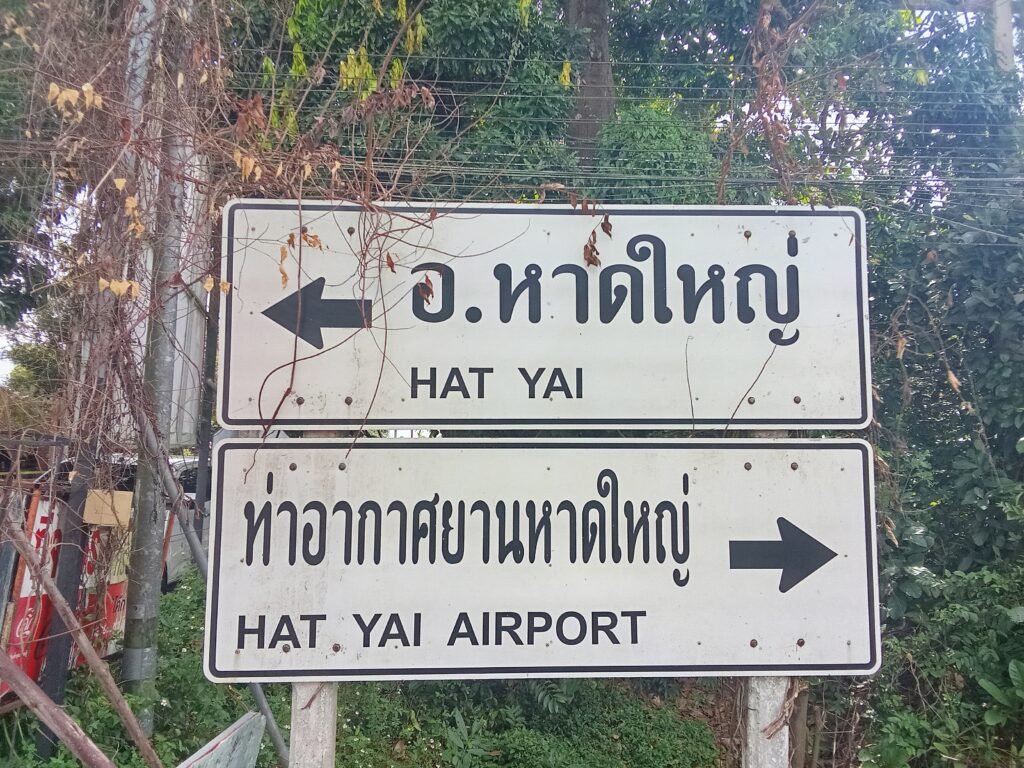
The photo below was taken during a walk.



Pingback: Music in Cambodia