Introduction
Laos, known for its serene landscapes, winding rivers, and rich cultural heritage, offers a unique travel experience. One key aspect of exploring this Southeast Asian gem is understanding the transportation options available. Whether you’re planning to navigate bustling cities, travel along the Mekong River, or explore remote villages, knowing how to get around is essential. This guide will walk you through the main modes of transportation in Laos, practical tips, and important considerations for travelers.
Road Transportation in Laos
Buses
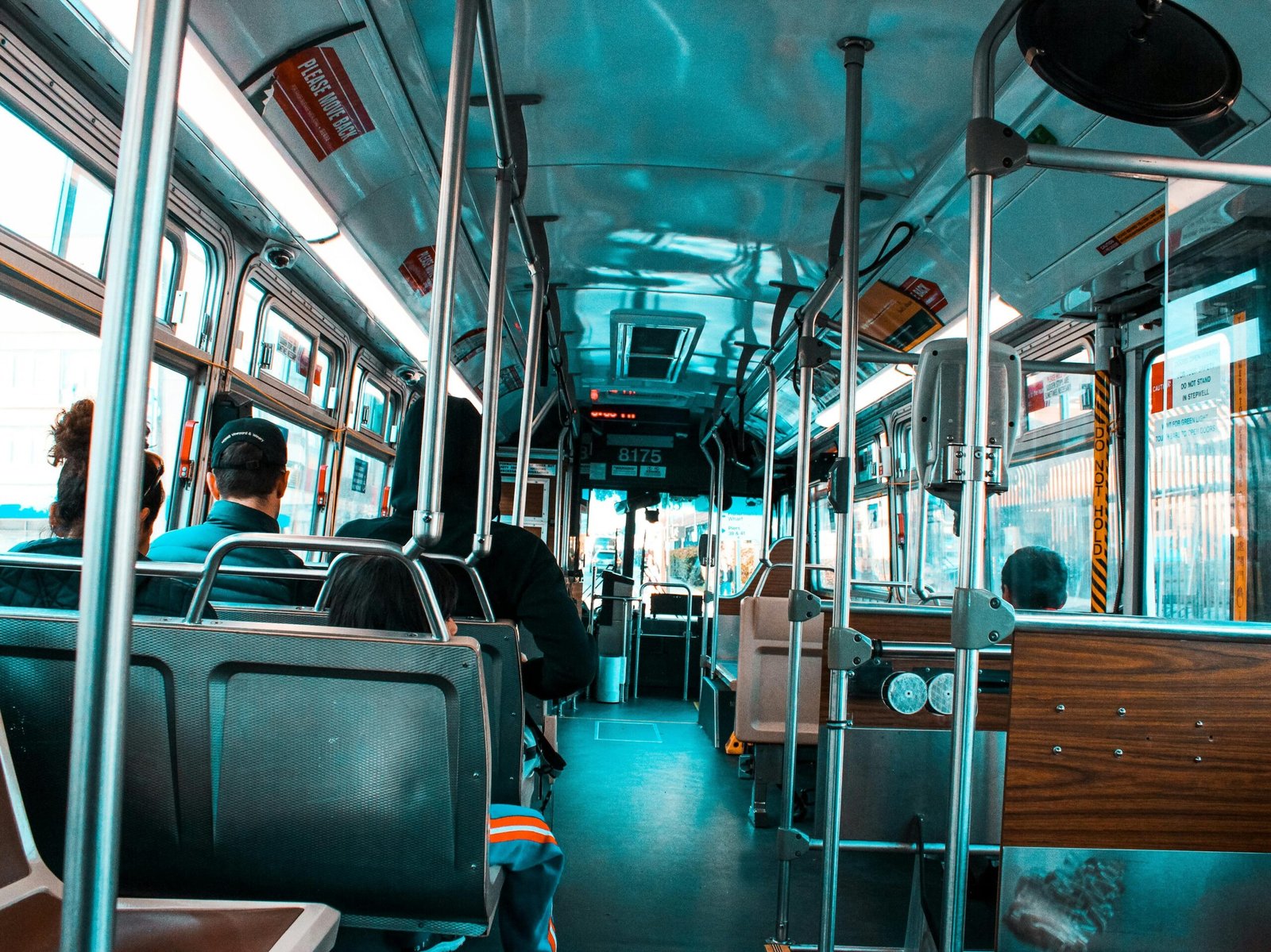
Buses are the most common form of long-distance travel in Laos. The country has both government-run and private bus services connecting major cities and towns.
- Public Buses: Public buses are affordable but may not always be the most comfortable option. They run on fixed routes and schedules, making them suitable for budget travelers.
- VIP and Tourist Buses: These buses offer more comfort, including air conditioning, reclining seats, and sometimes onboard snacks. They are ideal for longer journeys between cities like Vientiane, Luang Prabang, and Pakse.
Tips:
- Book tickets in advance, especially during peak tourist season.
- Arrive at the station early, as buses sometimes leave ahead of schedule.
Tuk-Tuks and Songthaews
For shorter distances, tuk-tuks and songthaews (shared pick-up trucks) are widely used. They are a flexible way to explore cities, towns, and nearby attractions.
- Tuk-Tuks: These three-wheeled vehicles are perfect for short trips in city centers or tourist areas. Be sure to agree on a price beforehand.
- Songthaews: Affordable and commonly used for intercity travel or rural routes. Negotiate the fare beforehand to avoid misunderstandings.
Car Rentals and Private Taxis
For travelers seeking convenience and flexibility, renting a car or hiring a private taxi is an option.
- Car Rentals: Available in major cities like Vientiane and Luang Prabang, car rentals allow you to explore remote destinations at your own pace.
- Private Taxis: Ideal for day trips or airport transfers. Always confirm the fare before starting your journey.
Rail Transportation in Laos
Although rail infrastructure is still developing, the Laos-China railway has improved connectivity between Laos and China. It also supports domestic travel in certain areas. Trains offer a comfortable and scenic way to travel, but schedules may be limited compared to road transportation.
Air Transportation in Laos
For longer distances, air travel is the fastest option. Laos has several domestic airports connecting major cities:
- Wattay International Airport (Vientiane): Main hub for domestic and international flights.
- Luang Prabang International Airport: Connects to popular tourist destinations and regional flights.
- Pakse International Airport: Serves southern Laos and nearby tourist attractions.
Domestic airlines such as Lao Airlines, Lao Skyway, and Lao Central provide flights between cities. Booking in advance is recommended, especially during high season.

Water Transportation in Laos
Laos is a landlocked country, but its rivers, especially the Mekong, are vital for transportation.
River Boats
- Slow Boats: These traditional boats offer scenic travel along the Mekong River, connecting cities like Huay Xai and Luang Prabang. It’s a popular choice for travelers who want a relaxed, picturesque journey.
- Speed Boats: Faster than slow boats, speed boats are convenient for short trips between towns. However, safety standards vary, so always check the condition of the boat and wear life jackets.

Ferries
In some areas, ferries transport people, vehicles, and goods across rivers. They are particularly useful in rural regions where bridges may not be available.
Bicycle and Motorcycle Rentals
For adventurous travelers, renting a bicycle or motorcycle is a great way to explore Laos at your own pace.
- Bicycles: Ideal for short distances or exploring small towns like Luang Prabang, where traffic is light.
- Motorcycles and Scooters: Provide flexibility for longer routes, but travelers should be cautious, wear helmets, and be aware of road conditions.
Key Tips for Transportation in Laos
- Plan Ahead: While cities have multiple transport options, rural areas may have limited choices.
- Negotiate Fares: Always agree on prices for tuk-tuks, taxis, and songthaews before starting your trip.
- Safety First: Wear seat belts or helmets, especially on motorcycles. Avoid overcrowded buses or boats.
- Check Schedules: Public buses and boats may run infrequently; double-check departure times.
- Cash is King: Many rural areas do not accept cards, so carry enough Lao Kip (LAK).
Frequently Asked Questions (FAQs)
What is the safest way to travel in Laos?
For long distances, VIP buses and domestic flights are the safest options. For short trips, tuk-tuks and songthaews are generally safe when fares are negotiated and vehicles are in good condition.
Can I travel around Laos without knowing the local language?
Yes. While Lao is the official language, English is widely understood in tourist areas. Using translation apps and having your destination written in Lao can help in rural regions.
Are there train services in Laos?
Yes, the Laos-China railway is operational, and there are limited domestic rail services. However, buses remain the primary means of overland travel.
Is river transport reliable in Laos?
River transport is reliable for scenic travel and accessing remote towns along the Mekong. However, schedules can be affected by weather or water levels.
Can I rent a car or motorcycle as a tourist?
Yes, international travelers can rent cars and motorcycles with a valid license. Always check rental conditions and road safety rules.
Final Thoughts
Transportation in Laos offers a blend of traditional charm and modern convenience. From the slow-paced serenity of river boats to the practicality of buses, tuk-tuks, and domestic flights, there’s an option for every type of traveler. By understanding the different modes of transport and planning ahead, you can enjoy a seamless and memorable journey across this beautiful country.
Exploring Laos goes beyond transportation—it’s about immersing yourself in its culture, landscapes, and local way of life. After mastering the art of getting around, consider checking out our guides on travel tips in Southeast Asia and hidden destinations in Laos to enhance your adventure. Click HERE!
Interested in the Laotian language? Check out my ebook on Amazon below.



🌏 Travel Tip of the Day
Slow travel is the norm — don’t rush your itinerary. As you travel around Laos or other parts of Southeast Asia you’ll notice that things are more laid-back compared to other parts of the world. It’s best to keep your itinerary flexible in case of delays.
🌏 Photo of the Day