Music in Cambodia reflects the soul of the nation. It tells stories of ancient kingdoms, spiritual beliefs, colonial influence, hardship, and remarkable cultural revival. From sacred temple music to lively wedding songs and contemporary pop hits, Cambodian music continues to evolve while honoring its roots. Understanding Cambodia’s musical heritage offers deeper insight into the country’s identity, traditions, and artistic resilience.
This guide explores the origins of Cambodian music, its traditional forms, instruments, modern developments, and its role in daily life and celebrations. Whether you are a traveler, music enthusiast, or cultural researcher, learning about music in Cambodia reveals a powerful blend of history and creativity.
The Historical Roots of Music in Cambodia
Cambodian music dates back more than a thousand years, with origins closely tied to the Khmer Empire. During the Angkor era, music played a vital role in religious ceremonies, royal events, and traditional dance performances. Stone carvings at Angkor Wat depict musicians playing instruments that still exist today, showing how deeply music is woven into Cambodia’s cultural foundation.
Indian influence shaped early Cambodian music, particularly through Hindu and Buddhist traditions. Over time, these influences blended with local sounds, creating a unique Khmer musical identity. Music served both spiritual and social purposes, uniting communities and reinforcing cultural values.
Despite the devastation of the Khmer Rouge period, which nearly erased Cambodia’s artistic heritage, music survived through memory and determination. Today, the country continues to rebuild and preserve its musical traditions for future generations.
Traditional Cambodian Music Styles
Traditional music in Cambodia varies by purpose, region, and ceremony. Each style carries distinct rhythms, melodies, and cultural meaning.
Pinpeat Music
Pinpeat is one of the most important forms of traditional Cambodian music. It usually accompanies classical dance, royal ceremonies, and religious rituals. This ensemble features wind and percussion instruments that create a powerful and ceremonial sound.
Pinpeat music is commonly heard in pagodas, temples, and cultural performances. The music emphasizes rhythm and structure, supporting dance movements and storytelling.
Mohori Music
Mohori music focuses on entertainment rather than ceremony. It is lighter, more melodic, and often performed at weddings, festivals, and social gatherings. Unlike Pinpeat, Mohori includes string instruments and vocals, making it more accessible and emotionally expressive.
This style reflects daily life and human emotions, covering themes of love, humor, and storytelling. Mohori music remains popular at traditional celebrations across Cambodia.
Pleng Kar Music
Pleng Kar is traditional wedding music that marks important moments of the ceremony. Each song corresponds to a specific ritual, guiding the couple and guests through the event. The music symbolizes blessings, harmony, and prosperity for the newlyweds.
Although modern weddings often combine traditional and contemporary music, Pleng Kar remains a respected and meaningful part of Cambodian wedding customs.
Traditional Cambodian Musical Instruments
Cambodian music features a diverse range of instruments, many of which have remained unchanged for centuries.
Roneat
The Roneat is a bamboo or wooden xylophone and one of the most recognizable Cambodian instruments. It produces bright, rhythmic tones and plays a leading role in Pinpeat ensembles.
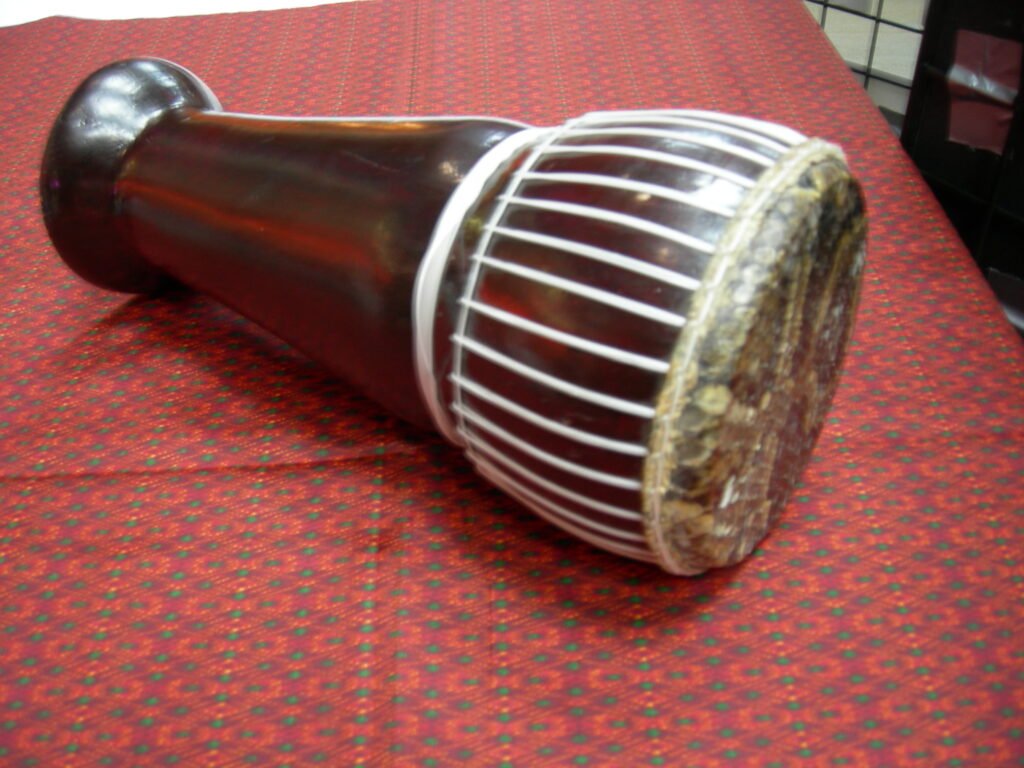
Skor
Skor drums provide the rhythmic backbone of many traditional performances. Different sizes and styles of Skor create varied beats that guide dancers and musicians alike.
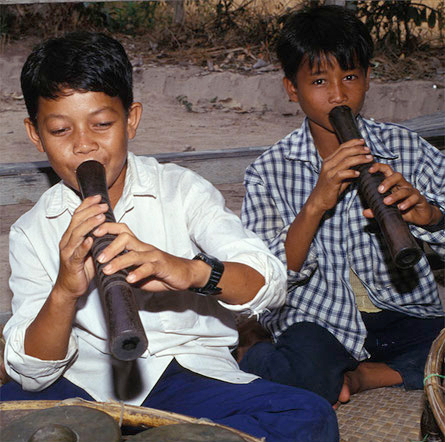
Sralai
The Sralai is a traditional wind instrument similar to an oboe. Its piercing sound leads the melody in ceremonial music, especially in religious and classical contexts.
Tro
The Tro is a two-stringed fiddle used in Mohori and folk music. Its expressive sound allows musicians to convey emotion and storytelling through melody.
Folk Music and Regional Variations
Folk music in Cambodia reflects rural life, agricultural cycles, and regional identity. Farmers often sing while working in rice fields, using music to pass time and express shared experiences.
Each region has its own folk songs, dialects, and musical styles. These songs often address love, nature, daily struggles, and humor. Folk music remains important in preserving local traditions and connecting generations.
Even today, folk performances appear at village festivals and cultural events, keeping traditional sounds alive in modern Cambodia.
Modern Music in Cambodia
Modern music in Cambodia began to flourish in the 1950s and 1960s, often referred to as the golden era of Cambodian pop music. During this time, Western rock, jazz, and soul blended with traditional Khmer melodies.
Artists created a unique sound that became popular both locally and internationally. Although many musicians were lost during the Khmer Rouge era, recordings from this period continue to inspire new generations.
Contemporary Cambodian Music
Today, Cambodian music includes pop, hip-hop, rap, and electronic genres. Young artists use music to express identity, social issues, and modern lifestyles while incorporating traditional elements.
Cambodian hip-hop has gained attention for addressing topics such as poverty, education, and cultural pride. Pop music dominates radio and streaming platforms, often blending Khmer lyrics with global musical trends.
Music festivals, social media, and digital platforms now play a major role in promoting Cambodian artists worldwide.
Music and Dance in Cambodian Culture
Music and dance in Cambodia are inseparable. Classical dance relies heavily on live music to guide movements, timing, and emotional expression. Each gesture and step follows the rhythm and melody of the accompanying music.
Traditional dances such as the Apsara dance showcase Cambodia’s artistic refinement and spiritual symbolism. Music enhances storytelling, helping audiences understand the narrative and cultural significance behind each performance.
Cultural schools and organizations continue to train young performers, ensuring the survival of these art forms.
Music in Religious and Spiritual Life
Religion plays a central role in Cambodian music. Buddhist chants, temple music, and ceremonial performances accompany religious events and festivals throughout the year.
Monks often chant in rhythmic patterns that resemble music, creating a calming and meditative atmosphere. During festivals such as Pchum Ben and Khmer New Year, music fills pagodas and public spaces, bringing communities together.
These spiritual sounds reinforce moral values, mindfulness, and cultural unity.
Preserving and Promoting Cambodian Music
Preservation efforts have increased in recent decades, supported by cultural organizations, schools, and international partnerships. Musicians and educators work to document traditional songs, teach young students, and restore lost instruments.
Tourism also plays a role in promoting Cambodian music. Cultural shows, museums, and festivals allow visitors to experience traditional performances while supporting local artists.
Through education and performance, Cambodia continues to protect its musical heritage while embracing innovation.
FAQs About Music in Cambodia
What is the most popular traditional music in Cambodia?
Pinpeat music is one of the most significant traditional styles, especially for religious and royal ceremonies.
What instruments are commonly used in Cambodian music?
Common instruments include the Roneat, Skor drums, Sralai, and Tro, each contributing unique sounds to ensembles.
How did history affect Cambodian music?
The Khmer Rouge era caused major losses to Cambodia’s musical heritage, but strong preservation efforts have helped revive traditional and modern music.
Is modern music popular in Cambodia today?
Yes, pop, hip-hop, and contemporary genres are widely popular, especially among younger audiences.
Where can visitors experience traditional Cambodian music?
Visitors can enjoy performances at cultural shows, temples, festivals, museums, and traditional weddings.
Final Thoughts on Music in Cambodia
Music in Cambodia represents resilience, identity, and cultural pride. From ancient ceremonial sounds to modern urban beats, Cambodian music reflects the nation’s journey through history and renewal. It connects communities, preserves tradition, and allows artists to express both heritage and innovation.
Exploring Cambodian music offers a deeper understanding of the country’s spirit and creativity. Whether experienced in a temple, village celebration, or modern concert, the music of Cambodia continues to inspire and unite generations.
Are you interested in the various forms of transportation that exist in Cambodia? Is so then check out: Transportation in Cambodia: A Complete Guide for Travelers

🌏 Travel Tip of the Day
In addition to their own currency, (Cambodian Riel (KHR)) US dollars are also excepted everywhere. If you plan on paying in US dollars, make sure to carry plenty of small bills as most small shops and restaurants will not have change to break a large bill. When paying in US dollars, be prepared to receive the Cambodian Riel as change. The Cambodian Riel is not officially pegged to the US dollar; however, it has a near-fixed exchange rate of 4000 to 4100 KHR to 1 USD. Also, make sure that the dollar bills you are carrying are crisp, clean and undamaged. Many establishments will refuse to accept a bill that is not in good condition or torn.