Introduction: Health Care Excellence in Brunei
Backed by strong government funding, a focus on preventive medicine, and a highly developed public health infrastructure, Brunei’s health care system offers citizens and residents access to high-quality, low-cost (often free) medical services.
In this article, we’ll explore why Brunei’s health care system is so efficient, how it compares to other countries in the region, and what makes it a model for developing nations.
Government Commitment to Free and Accessible Health Care
One of the core reasons Brunei’s health care system is so successful lies in its government’s commitment to universal access.
Brunei’s Constitution guarantees citizens free or highly subsidized medical care. This includes not just primary care but also specialist consultations, hospital stays, surgeries, and even overseas medical referrals when necessary.
Key Highlights:
- Free health care for citizens: Medical services are provided at little to no cost in government hospitals and clinics.
- Subsidized health care for residents: Non-citizens and expatriates benefit from affordable treatment fees at public hospitals.
- Government-funded overseas treatment: When specialized care is unavailable domestically, patients may be sent abroad for treatment, fully funded by the government.
This commitment ensures that every Bruneian, regardless of their income level, has access to quality healthcare. It also reflects the country’s long-term investment in the well-being of its people.
Modern Hospitals and Advanced Medical Facilities
Brunei’s medical facilities are among the most advanced in the region. The Ministry of Health continuously invests in upgrading hospital infrastructure, medical technology, and staff training.
The Raja Isteri Pengiran Anak Saleha (RIPAS) Hospital, located in the capital city of Bandar Seri Begawan, serves as the country’s main referral and teaching hospital. It’s equipped with modern diagnostic tools, digital medical records, and specialized departments for cardiology, oncology, and surgery.
Other major hospitals include:
- Suri Seri Begawan Hospital (Kuala Belait) – Serving the western districts with advanced medical services.
- Pengiran Muda Mahkota Pengiran Muda Haji Al-Muhtadee Billah Hospital (Tutong) – A modern facility focusing on patient-centered care.
- District health clinics – Providing accessible primary care to rural communities.

Focus on Preventive Health and Public Wellness Programs
Efficiency in health care isn’t only about hospitals—it’s also about prevention. Brunei’s Ministry of Health prioritizes preventive medicine and community health programs to reduce the burden of disease before it escalates.
Key preventive initiatives include:
- Free immunization programs for children and adults.
- Regular health screening campaigns for diabetes, hypertension, and cancer.
- Anti-smoking and obesity reduction campaigns under the “Healthy Brunei” movement.
- School-based health programs promoting nutrition and physical activity.
This emphasis on prevention helps maintain a healthier population, reducing hospital admissions and treatment costs.
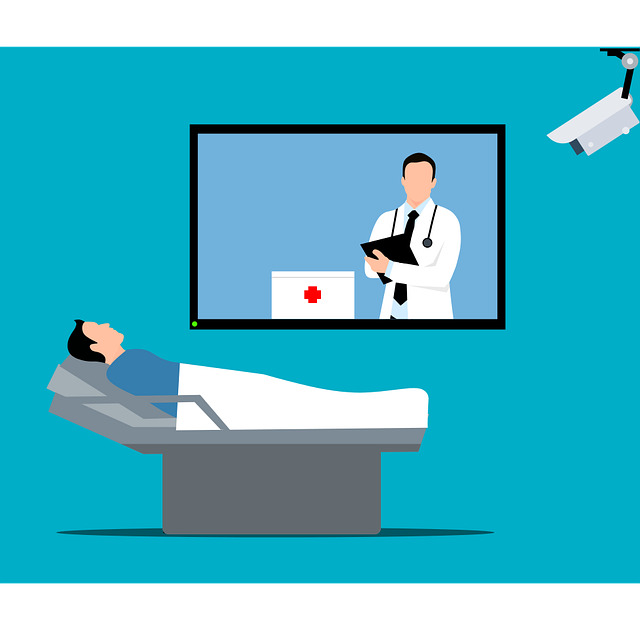
Integration of Digital Health and Smart Technology
Another reason for Brunei’s efficiency is its embrace of digital health systems. The country has invested in modern e-health technology, making patient management faster and more reliable.
Examples of Digital Innovation:
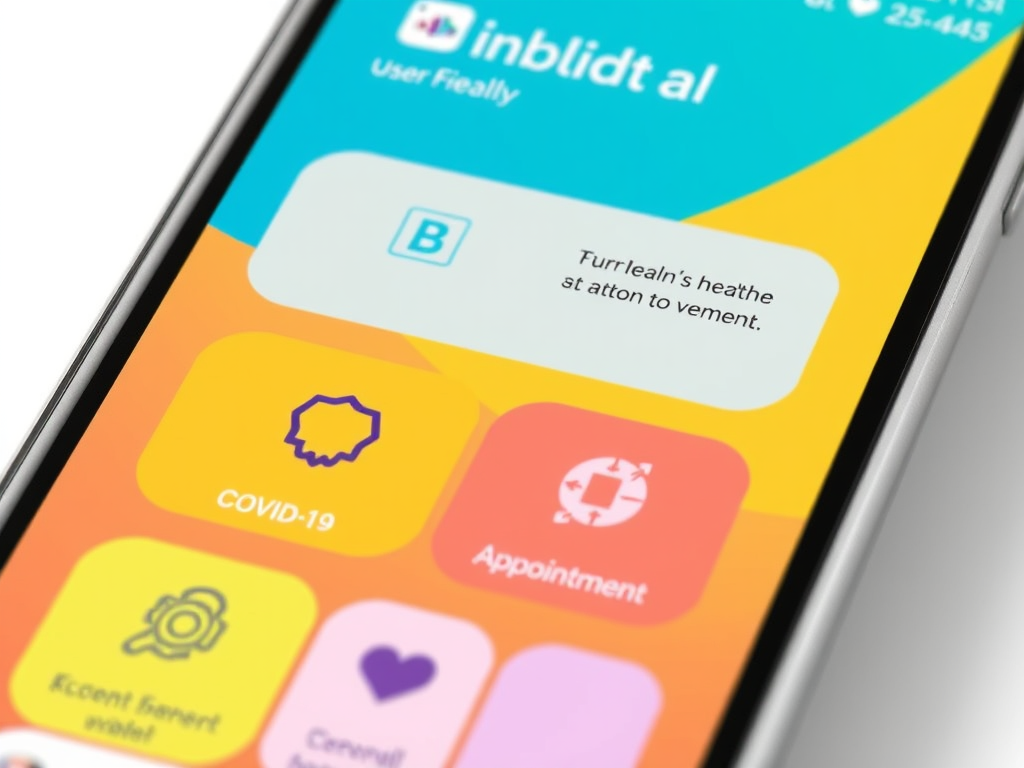
- BruHealth App: A government-developed mobile application for medical appointments, contact tracing, vaccination records, and health monitoring.
- Electronic Health Records (EHR): Streamlining data sharing across hospitals and clinics.
- Telemedicine services: Enabling remote consultations, particularly for patients in rural areas.
Brunei’s digital health transformation improves patient outcomes, reduces administrative costs, and enhances efficiency across the entire health care system.

Strong Public Health Funding and Workforce Development
Brunei’s health system is heavily supported by the nation’s oil and gas revenues, allowing for significant investment in public health and medical education.
The government allocates a substantial portion of its national budget to the Ministry of Health each year, ensuring hospitals are well-equipped and staff are properly trained.
Notable Developments:
- Scholarships for medical students to study abroad in the UK, Australia, or Singapore.
- Continuous medical education (CME) for local health professionals.
- Training programs for nurses, paramedics, and allied health workers.
This investment in human capital ensures Brunei maintains a skilled workforce capable of meeting the growing health care demands of its population.
Comparison: Brunei vs. Other Southeast Asian Health Systems
When compared with neighboring countries, Brunei’s health care system ranks highly in efficiency, accessibility, and quality.
| Country | Public Health Care | Cost to Citizens | Technology Level | Health Index (approx.) |
|---|---|---|---|---|
| Brunei | Free for citizens | Low | High | ⭐⭐⭐⭐ |
| Malaysia | Subsidized | Moderate | High | ⭐⭐⭐ |
| Thailand | Universal coverage | Low | Medium | ⭐⭐⭐ |
| Indonesia | Expanding system | Moderate | Medium | ⭐⭐ |
| Philippines | Developing | Variable | Low | ⭐⭐ |
Brunei’s small population and strong economic base allow it to provide personalized, high-quality care without the long wait times or financial strain seen in many other Southeast Asian countries.
Health Care for Expats and Foreign Workers in Brunei
Brunei is home to many expatriates working in the energy, education, and health sectors. While public health care is primarily free for citizens, expats can still access excellent services at affordable rates.
Private clinics and hospitals cater to international patients, offering short wait times and English-speaking staff. Many expats also carry health insurance that covers treatment at both public and private facilities.
Challenges and Future Developments
Even with its efficiency, Brunei’s health care system faces modern challenges:
- Rising cases of non-communicable diseases (NCDs) like diabetes and heart disease.
- Dependence on foreign medical specialists.
- Need for more local research and medical innovation.
To address these, Brunei is working toward:
- Expanding medical research facilities.
- Encouraging local medical education and training.
- Enhancing regional health partnerships in ASEAN.
The government’s long-term Vision 2035 plan aims to make Brunei one of the top countries in the world in terms of health, education, and quality of life.
Conclusion: A Model for Southeast Asia
Brunei may be small, but its health care efficiency rivals that of much larger nations. Through government commitment, modern hospitals, preventive care, and digital health innovation, Brunei has built a system that offers universal access, excellent outcomes, and long-term sustainability.
For citizens, it’s a source of national pride; for other nations, it’s a model worth studying.
For more information on healthcare in Brunei, check out the following links:
Brunei Ministry of Health Official Website
World Health Organization – Brunei Profile
Check out our last article, Laos Cuisine: A Journey Through Bold Flavorshttps://livinginsoutheastasia.com/laos-cuisine-a-journey-through-bold-flavors