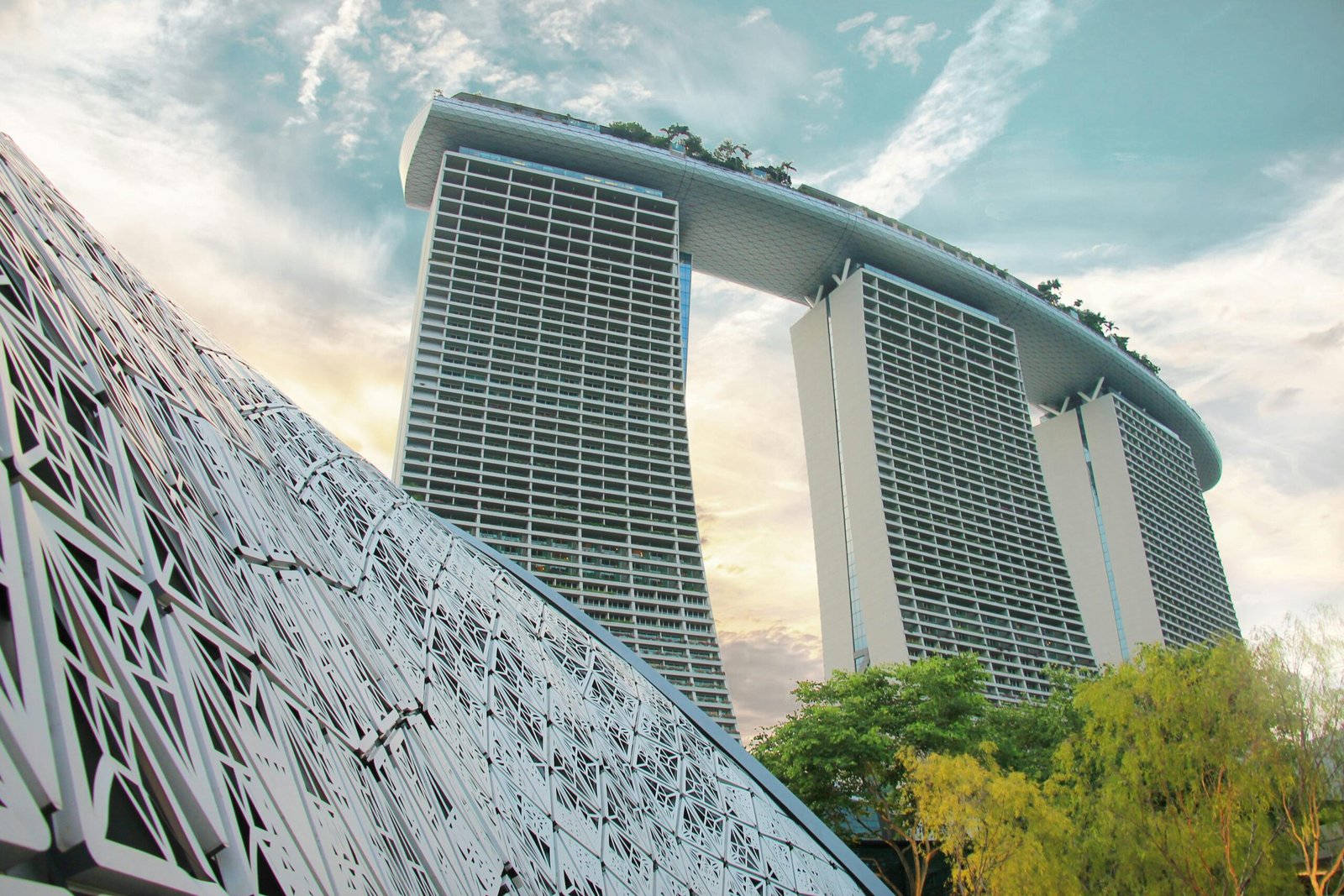
Buying property in Singapore has always been a strong investment move due to the country’s stable economy, world-class infrastructure, and highly regulated real estate market. As we move toward 2026, the demand for residential properties continues to grow—driven by foreign investors, returning Singaporeans, and young professionals looking to upgrade. Whether you’re a first-time homebuyer, an expat, or a seasoned investor, understanding the upcoming trends, regulations, and costs is crucial before making a purchase.
This guide will walk you through everything you need to know about buying real estate in Singapore in 2026, including market forecasts, property types, financing rules, additional taxes, and expert tips to make a smart investment.
Singapore’s real estate market is expected to stay resilient in 2026 due to steady population growth, foreign interest, and major government developments such as the Greater Southern Waterfront, expansions in MRT lines, and new technologies improving housing and sustainability.
1. Stable Price Growth
Experts project moderate and steady price increases, especially in city-fringe and suburban areas. Factors include:
- Limited land supply
- Strong rental demand
- Growing high-income workforce
- Continued foreign investor interest
2. More Eco-Friendly & Smart Homes
Developers are shifting towards sustainability—solar roofs, energy management systems, and smart home features, making properties more attractive for long-term buyers.
3. Prime Districts Remain King
Districts 1, 9, and 10 remain the most sought-after, especially among foreign buyers. Meanwhile, emerging hotspots like Tengah, Lentor, and Punggol will continue to rise due to new projects and infrastructure expansions.
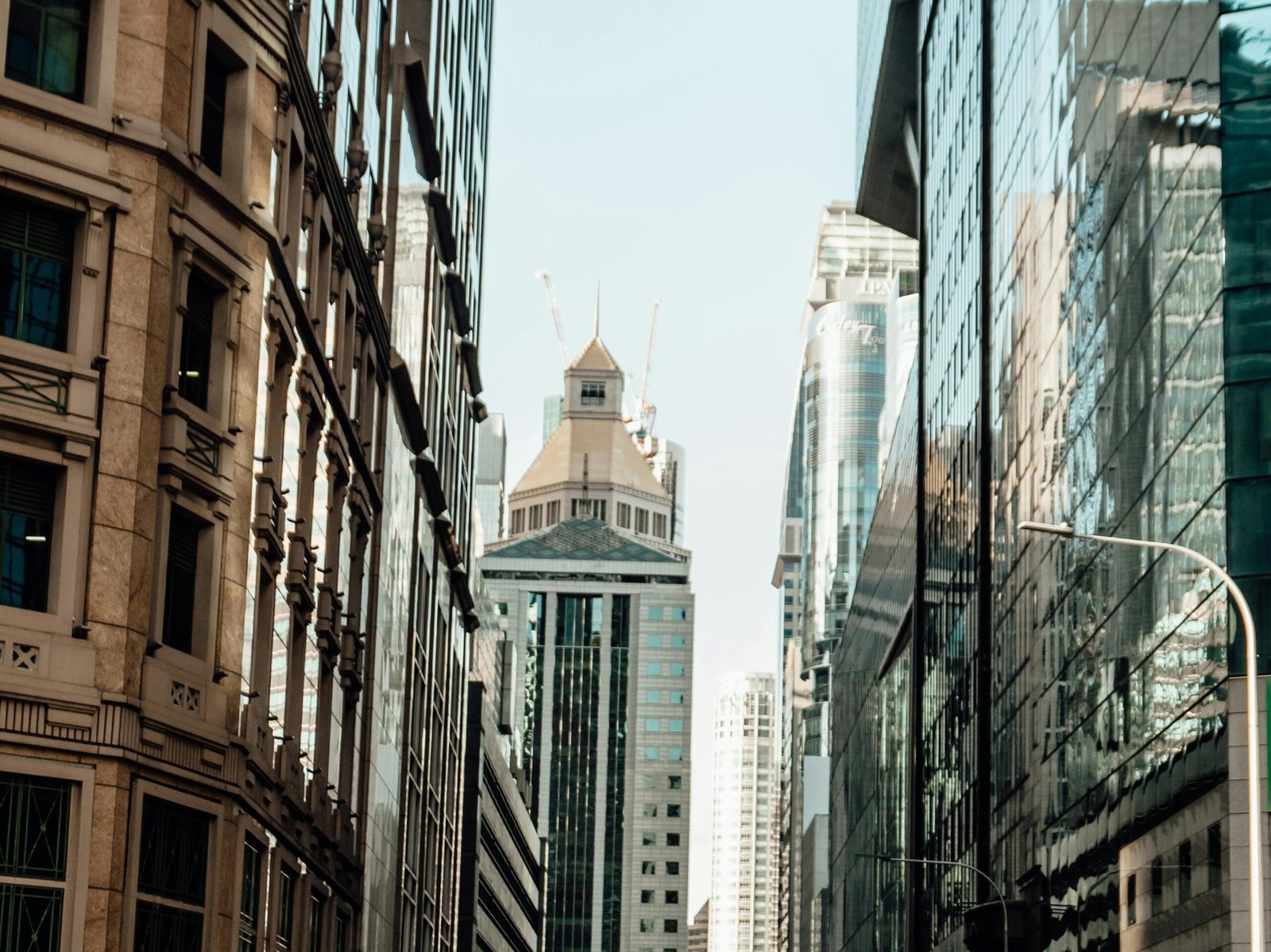
Eligibility Rules for Buying Singapore Property in 2026
Singapore has strict property ownership rules, especially for foreigners.
For Singapore Citizens
Citizens have the most flexibility and can buy:
- HDB flats
- ECs (Executive Condominiums)
- New launch condos
- Landed properties
For Permanent Residents (PRs)
PRs can purchase:
- Resale HDB flats (with spouse PR/SC)
- New or resale condos
- Executive Condominiums (resale only after MOP)
They usually need approval to buy landed property.
For Foreigners
Foreigners are allowed to buy:
- New launch and resale condos
- Commercial properties
- Industrial properties
Approval is required for:
- Landed homes
- HDB flats
- ECs before the 10-year mark
1. HDB Flats
Most affordable option. Ideal for Singaporeans and PRs.
Pros: Lower prices, government grants
Cons: Restrictions for foreigners, minimum occupancy period
2. Condominiums
Most popular among foreigners due to fewer restrictions.
Pros: Facilities like pools, gyms, and security
Cons: Higher prices and maintenance fees
3. Executive Condominiums (ECs)
Hybrid between HDB and condos.
Pros: Lower price than full condos
Cons: Resale restrictions within first 10 years
4. Landed Properties
Includes terraces, semi-detached, and bungalows.
Pros: High appreciation and exclusivity
Cons: Strict rules for foreign buyers
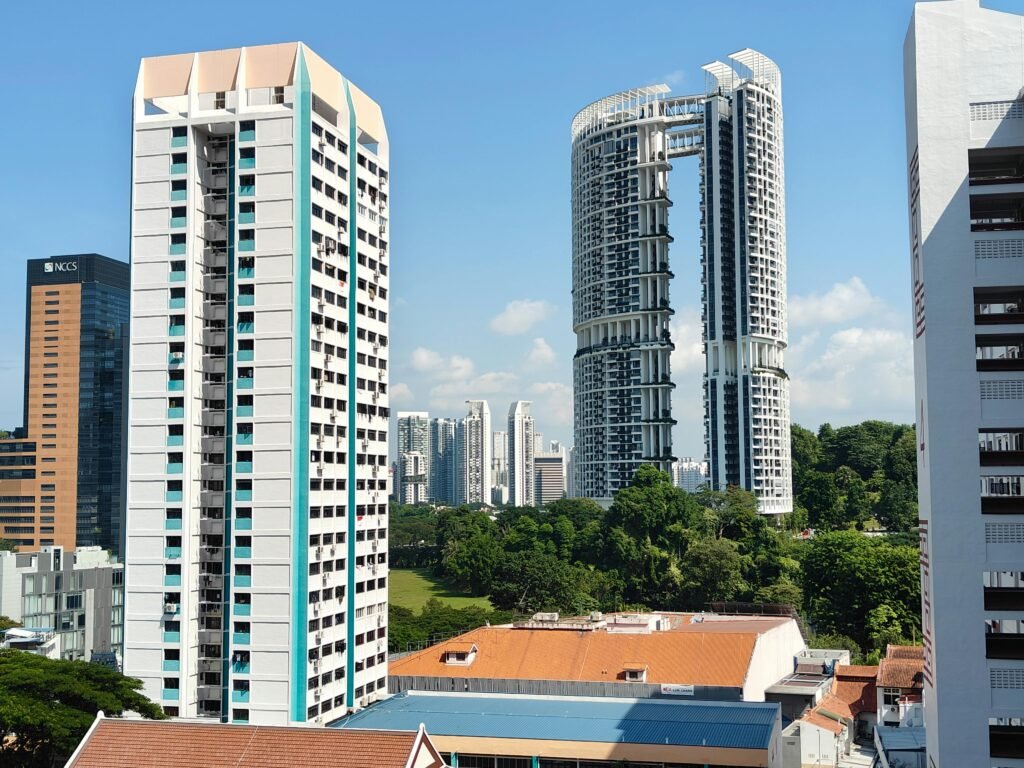
Financing & Costs When Buying Property in 2026
Buying property requires upfront costs and ongoing financing. Here’s a breakdown:
1. Loan-to-Value (LTV) Limits
Currently, LTV limits remain strict:
- Up to 75% loan if no outstanding housing loan
- Up to 45% if you have an existing home loan
These may be further tightened in 2026 depending on market conditions.
2. Buyer’s Stamp Duty (BSD)
All buyers must pay BSD based on property price tier.
3. Additional Buyer’s Stamp Duty (ABSD)
Depends on citizenship:
- 20% for Singapore Citizens buying 2nd property
- 30% for PRs buying 2nd property
- 60% for foreigners (all purchases)
This is the biggest cost for foreign buyers.
4. Mortgage & Interest Rates
Interest rates may stabilize in 2026 following global inflation adjustments. Buyers should compare bank loans and fixed-rate packages.
Hot Locations to Consider in Singapore 2026
1. Greater Southern Waterfront
High potential for price growth due to transformation plans.
2. Tengah Smart Town
Eco-friendly homes, green zones, and smart infrastructure.
3. Woodlands Regional Hub
More commercial centers and connectivity to Johor Bahru.
4. Lentor & Punggol
New condo launches and family-friendly environments.
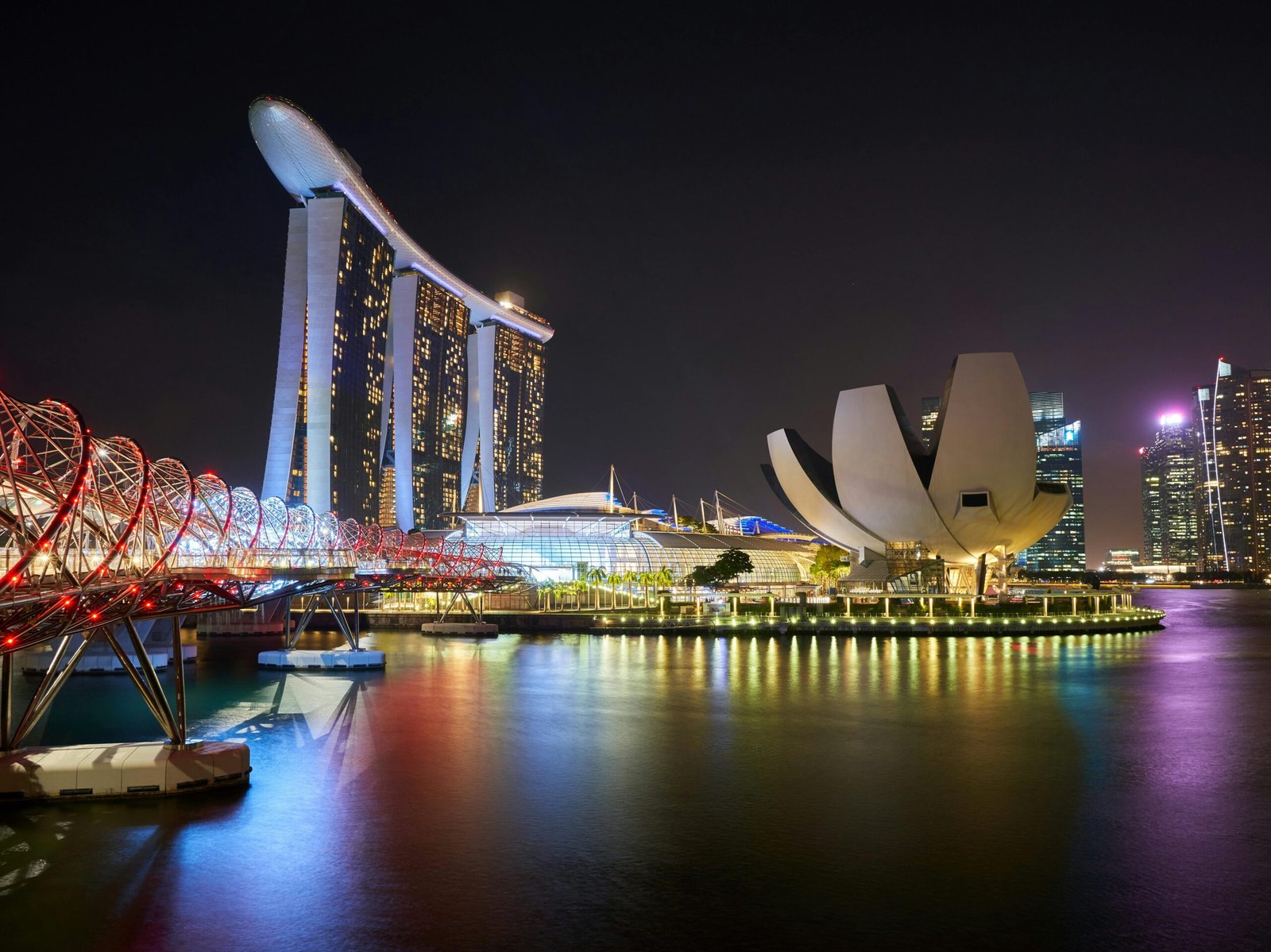
Tips for First-Time Buyers in 2026
1. Know Your Eligibility & Taxes
Understanding ABSD, BSD, and eligibility rules will help you avoid costly mistakes.
2. Get Pre-Approved for a Loan
This ensures you’re only viewing properties within your budget.
3. Check Connectivity & Future Developments
Projects near MRT lines, schools, malls, or government developments often yield higher appreciation.
4. Work With a Trusted Agent
A reliable real estate agent helps with negotiation, paperwork, and understanding local restrictions.
5. Consider Rental Potential
Singapore remains one of Asia’s strongest rental markets—ideal for investors.
FAQs About Buying Real Estate in Singapore 2026
1. Can foreigners buy property in Singapore in 2026?
Yes. Foreigners can buy new launch and resale condos, commercial properties, and industrial units. Restrictions apply to HDB flats and landed properties.
2. Is 2026 a good year to buy property in Singapore?
Yes. The market is expected to remain stable with steady price appreciation, making 2026 ideal for long-term investment.
3. How much downpayment do I need?
Generally, at least 25% for your first home loan (5% cash + 20% CPF/cash).
4. What is the average condo price in Singapore?
Prices vary by district, but average new launch condos range between SGD $1,900 to $2,800 per square foot.
5. What are the best areas for rental investment?
Central Business District, Orchard, Punggol, Woodlands, and areas near MRT lines.
Final Thoughts
Buying real estate in Singapore in 2026 offers exciting opportunities for both local buyers and foreign investors. With stable price growth, expanding infrastructure, and increasing demand for smart and eco-friendly homes, Singapore remains one of the safest property markets in Asia. Whether you’re looking for a new home or planning to grow your investment portfolio, understanding the rules, taxes, financing, and market trends will help you make smarter decisions.
Take your time to research, compare developments, and work with professionals. With the right strategy, your property purchase in 2026 can lead to long-term financial growth and stability.
Planning a trip to Singapore? You must read this “Singapore Travel Guide: Discover Asia’s Futuristic Garden City“


🌏 Moments in ASEAN History
Once a small fishing village, Singapore transformed into a global city-state through trade, strategic planning, and one of the fastest economic developments in modern history.
🌏 Photo of the day
The other day, I had lunch at a local restaurant here in Hat Yai. The tables were all in these huts made from wood and straw.