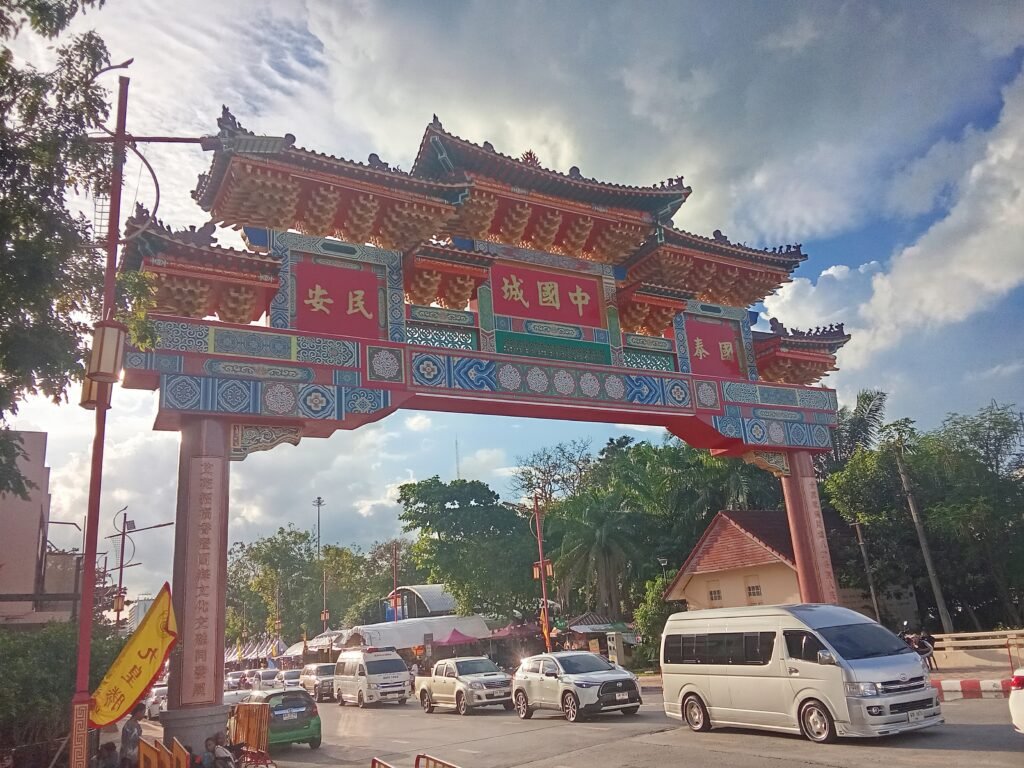
Thailand has become one of the most popular destinations for real estate investment in Southeast Asia. With its tropical climate, thriving tourism industry, and relatively affordable property prices, buying real estate in Thailand offers both lifestyle benefits and potential financial returns. However, the process of purchasing property in Thailand is not the same as in many Western countries, and there are unique legal considerations to keep in mind. This comprehensive guide will walk you through everything you need to know to successfully buy property in Thailand in 2026.
Why Invest in Thai Real Estate?
Investing in real estate in Thailand has several advantages. The country’s growing tourism sector ensures a steady demand for rental properties, particularly in popular locations like Bangkok, Phuket, Chiang Mai, and Pattaya. Additionally, Thailand’s relatively low cost of living makes it an attractive destination for expatriates and retirees looking for long-term residency options.
The Thai government has also implemented measures to support foreign investment in certain types of real estate, making it possible for international buyers to own condominiums outright. Moreover, strategic investments in property can yield significant capital gains due to Thailand’s urban development and infrastructure projects.

Understanding Thai Property Laws for Foreigners
Foreign ownership of land in Thailand is restricted, but there are legal ways for foreigners to invest in real estate. One of the most common options is purchasing a condominium. Foreigners can legally own up to 49% of the total space in a condominium building. This makes condos in major cities or resort areas a popular choice for international buyers.
For land or houses, foreigners cannot directly own the land. Some investors use long-term lease agreements, usually 30 years, with the option to renew. Another approach is forming a Thai company that holds the land, although this requires careful legal guidance to comply with Thai law.
It’s crucial to work with a reputable lawyer or real estate agent familiar with Thailand’s property laws to ensure a smooth and legal transaction.
Popular Locations for Buying Real Estate in Thailand
Bangkok
Bangkok, Thailand’s bustling capital, is the hub of business and lifestyle opportunities. The city offers a wide range of real estate options, from luxury high-rise condos to affordable apartments. Its central location and extensive public transport system make it a prime investment spot, especially for rental properties targeted at young professionals and expatriates.

Phuket
Phuket is Thailand’s largest island and a hotspot for vacation rentals and luxury properties. The island’s popularity among tourists ensures high demand for short-term rentals, making it an attractive investment for foreigners looking to generate rental income. Beachfront properties and resorts are particularly sought after.

Chiang Mai
Chiang Mai, located in Northern Thailand, is known for its cultural heritage, peaceful lifestyle, and growing expat community. Real estate prices are generally lower than in Bangkok and Phuket, making it an appealing option for long-term living and retirement. Properties here range from modern condos to traditional Thai houses.
Pattaya
Pattaya, famous for its beaches and nightlife, offers diverse real estate opportunities. Condominiums are the most common option for foreigners, especially those seeking vacation homes or rental investments. Its proximity to Bangkok also makes it convenient for short-term city visits.

Steps to Buying Real Estate in Thailand
1. Define Your Budget and Objectives
Before starting your property search, it’s essential to define your budget and investment objectives. Are you buying for personal use, retirement, or rental income? Knowing your goals will guide your property choice, location, and legal structure.
2. Choose the Right Property Type
Foreigners typically choose between condos, leaseholds, or company-owned land. Condos are the simplest option for outright ownership, while leaseholds provide flexibility for land and houses. Consult a real estate expert to determine which type best suits your needs.
3. Conduct Due Diligence
Verify the property’s legal status, ownership, and any existing liabilities. Ensure that the condo project complies with foreign ownership regulations. If purchasing land or a house, confirm that the lease or company structure is legally sound.
4. Sign a Sale and Purchase Agreement
Once you find the right property, you’ll sign a Sale and Purchase Agreement (SPA). This contract outlines payment terms, handover dates, and other conditions. It’s advisable to have a lawyer review the SPA to ensure all legal aspects are protected.
5. Make Payment and Register Ownership
After signing the SPA, payments are made according to the contract terms. For condominiums, foreign buyers register the ownership at the Land Department. Lease agreements for houses or land are also registered at the Land Department to secure legal rights.
6. Consider Property Management
If you plan to rent out your property, consider hiring a property management company. They handle maintenance, tenant screening, and rental collections, making it easier for international investors to manage their assets from abroad.
Tips for a Successful Investment
- Research local market trends to choose locations with strong rental demand.
- Work with licensed real estate agents and lawyers to avoid scams.
- Inspect properties thoroughly before purchase.
- Consider currency fluctuations and foreign exchange regulations.
- Factor in additional costs such as taxes, maintenance, and utility fees.
Common Mistakes to Avoid
- Ignoring Thai property laws and regulations.
- Failing to perform due diligence on developers or property titles.
- Overestimating rental income potential.
- Not budgeting for hidden costs like taxes, utilities, or maintenance.

Frequently Asked Questions (FAQs)
Can foreigners own property in Thailand?
Yes, foreigners can own condominiums outright up to 49% of the total building area. Ownership of land or houses directly is restricted, but long-term leases or company structures can be used.
Is it safe to invest in Thai real estate?
When done legally and with proper due diligence, investing in Thai real estate is generally safe. Always work with licensed professionals and verify all legal documents.
What are the best locations for buying property in Thailand?
Popular locations include Bangkok, Phuket, Chiang Mai, and Pattaya. Each city has different advantages depending on your lifestyle and investment goals.
Are there taxes involved in buying property in Thailand?
Yes, there are several taxes, including transfer fees, specific business tax, stamp duty, and withholding tax, depending on the property type and transaction structure.
How can I finance a property purchase in Thailand?
Foreigners can finance through personal funds, loans from Thai banks (subject to eligibility), or international financing options. Many buyers pay in cash to simplify the process.
Final Thoughts
Buying real estate in Thailand offers exciting opportunities for investment, retirement, or lifestyle purposes. Understanding local property laws, selecting the right location, and conducting proper due diligence are crucial to a successful purchase. Whether you’re looking for a luxurious condo in Bangkok, a beachfront villa in Phuket, or a cozy home in Chiang Mai, Thailand provides diverse options for every type of investor.
With careful planning and professional guidance, buying real estate in Thailand in 2026 can be a smooth and rewarding experience. Start by defining your goals, researching the market, and consulting experienced legal and real estate professionals to secure your dream property in this beautiful country.
Discover the Paradise of Thailand’s Hidden Gem, Click HERE!
🌏 Travel Tip of the Day:
Carry small cash and use local apps to get around with ease. Thailand is modern and convenient, but many street food stalls, markets, temples, and local transport options still prefer cash — especially small bills. ATMs are easy to find, but having change on hand saves time and hassle. For transport, apps like Grab and Bolt are widely available and help you avoid language barriers, negotiate prices fairly, and travel more comfortably.
🌏 Photo of the Day: