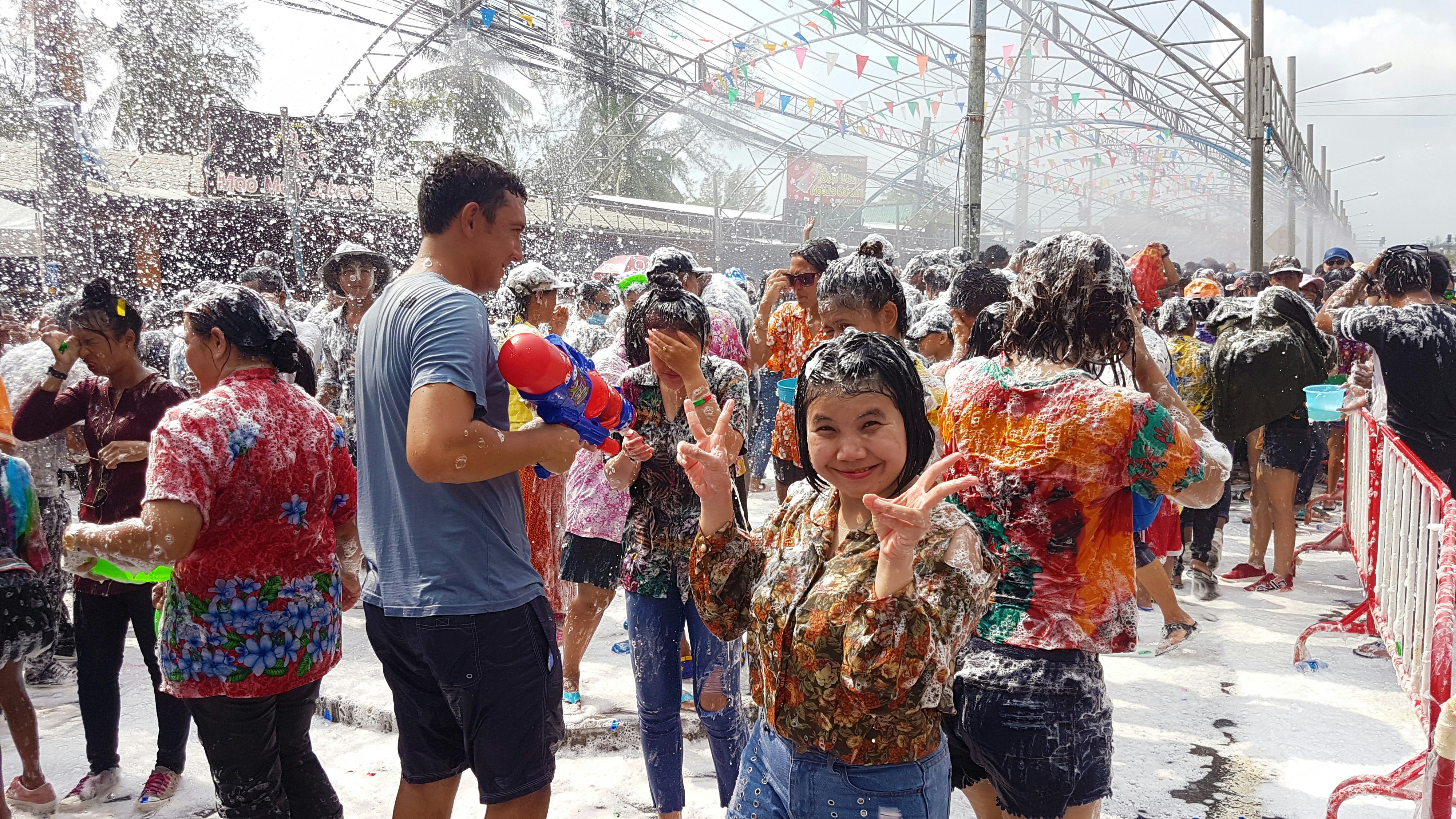
What is Songkran?
Songkran, the traditional Thai New Year festival, is a vibrant and culturally significant celebration that marks the arrival of the solar calendar year in Thailand. Originating from ancient Buddhist rituals, Songkran is observed from April 13 to April 15, though festivities can extend beyond this period in many regions. This annual event holds deep historical roots, tracing back to the ancient practice of the Thai people who paid homage to their ancestors and Buddhist monks by pouring water over Buddha statues. This symbolic gesture represents purification and the washing away of sins and bad luck, signifying a fresh start as one embarks on a new year.
The significance of Songkran in Thai culture cannot be overstated. It is not merely a celebration; it is a profound expression of respect, family bonding, and cultural heritage. During this time, Buddhist traditions play a pivotal role, as many individuals visit temples to offer food and alms to monks and engage in prayer and meditation. It is common for families to come together, traveling from distant locations to reunite and take part in the festivities, further emphasizing the sense of community and cultural continuity.
As a time for reflection and renewal, Songkran is marked by various traditional customs, including the building of sand pagodas, the pouring of water over Buddha images, and the famous water fights that have become synonymous with the holiday. While the playful aspect of water throwing has evolved into a highlight of the celebration, it still resonates with the original purpose of cleansing and forgiveness. The essence of Songkran as a festival lies in its duality: honoring age-old traditions while celebrating the joy of new beginnings in the rich tapestry of Thai culture.
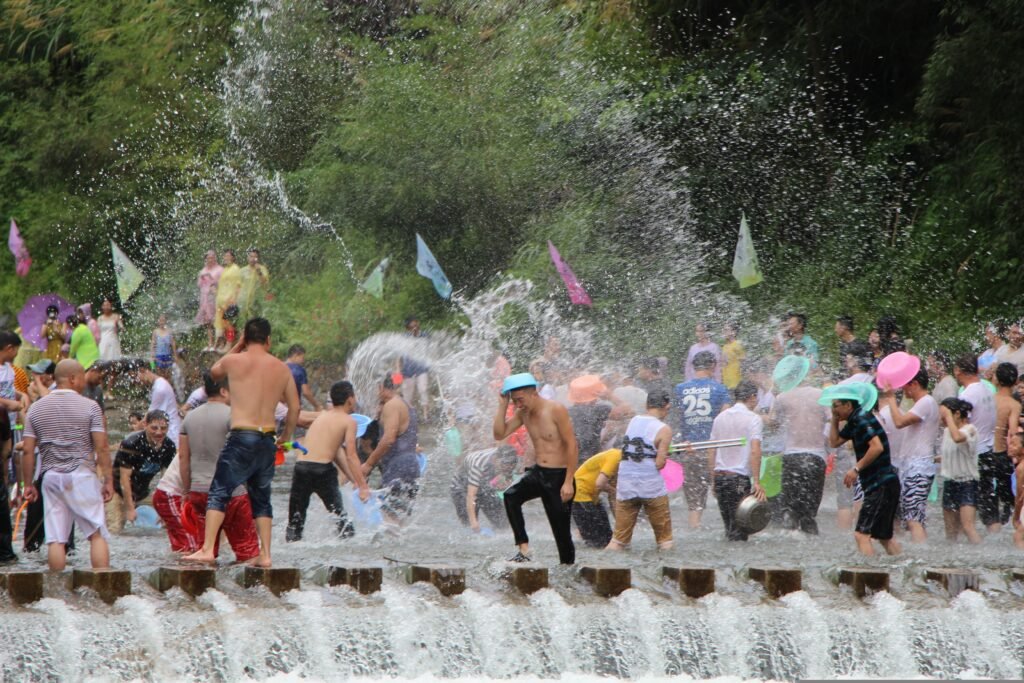
Customs and Traditions of Songkran
Songkran, the Thai New Year, is celebrated with a host of customs and traditions that reflect the culture and values of Thailand. At the heart of these celebrations is the significance of water. Water symbolizes purity and the washing away of sins, marking a period of renewal. The most famous custom associated with Songkran is the water fight, where locals and tourists alike engage in lively battles using water guns, buckets, and hoses. This playful activity not only serves to cool down participants in the sweltering heat but also promotes a sense of community and joy.
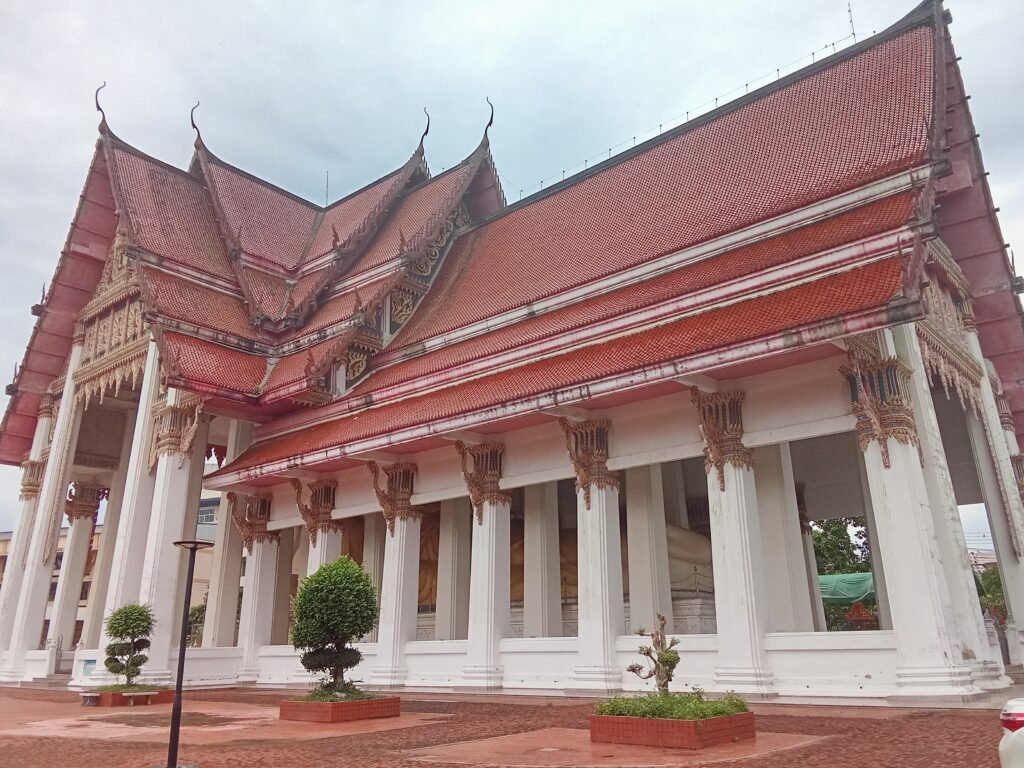
In addition to the water fights, visiting temples is an essential part of the Songkran festivities. Families often choose to spend this time at local temples, where they can participate in traditional rituals and pay respects to their ancestors. These visits typically involve pouring water over Buddha statues, a practice that captures the essence of cleansing and offering blessings. The act of pouring water symbolizes the washing away of the past year’s troubles and the welcoming of fresh beginnings.
Another custom integral to Songkran is the sharing of meals and engaging in cultural activities. Families gather to prepare special dishes and enjoy them together, reinforcing family bonds. Additionally, traditional music and dances can be observed during this vibrant festival, showcasing Thailand’s rich artistic heritage.
As the celebrations unfold throughout the country, it’s clear that the customs and traditions of Songkran embody more than just festivity; they are rooted deeply in themes of respect, cleansing, and renewal, revealing much about the Thai people’s way of life and values.
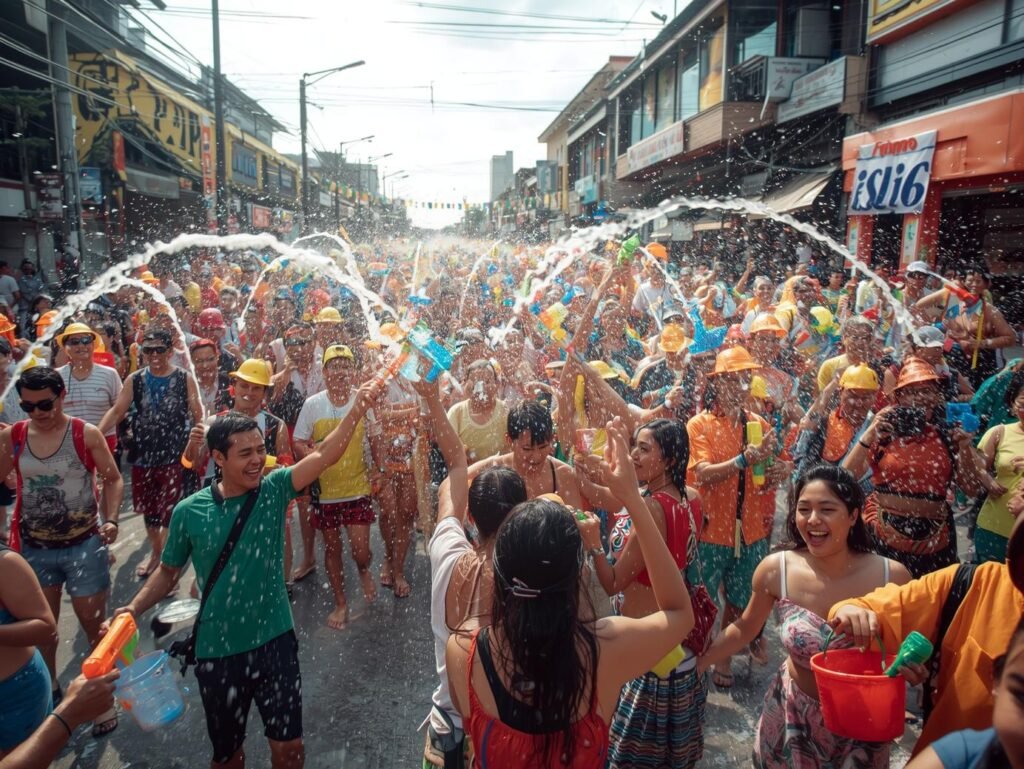
Songkran Celebrations Around Thailand
Songkran, the traditional Thai New Year, is celebrated across the nation with various regional customs that reflect local cultures and traditions. Each province adds its unique essence to the festivities, turning the country into a vibrant mosaic of celebration during this significant time of year.
In Bangkok, the capital city, Songkran has transformed into an exuberant festival characterized by lively street parties where revelers engage in spirited water fights. Major streets such as Khao San Road become epicenters for both locals and tourists, with boundary-less water throwing. The urban celebrations often feature elaborate floats, traditional music, and dance performances, creating a festive atmosphere that attracts thousands. In addition to the fun, many participants pay homage to the local traditions by visiting temples for the ceremonial pouring of water over Buddha statues, which symbolizes purification and good fortune for the upcoming year.
Contrasting with the urban frenzy, Chiang Mai remains a stronghold of traditional Songkran customs. The northern city embraces the festival’s rich heritage with a more contemplative approach. Traditional parades showcase beautifully adorned floats that carry statues of Buddha, which are escorted through the streets as locals splash water in a gentle and reverential manner. Here, people engage in the age-old practices of sand pagoda building and the pouring of water over the heads of their elders, signifying respect and blessings. Furthermore, the festivities are not solely limited to water play; they also involve cultural events such as traditional music and folk dance exhibitions, providing a glimpse into Northern Thai history.
From the grandiose celebrations in Bangkok to the heartfelt traditions of Chiang Mai, Songkran showcases the diverse ways in which this vibrant Thai New Year is celebrated. Each region’s unique contributions enhance the overall spirit of the festival, drawing visitors into the heart of Thailand’s rich cultural heritage.
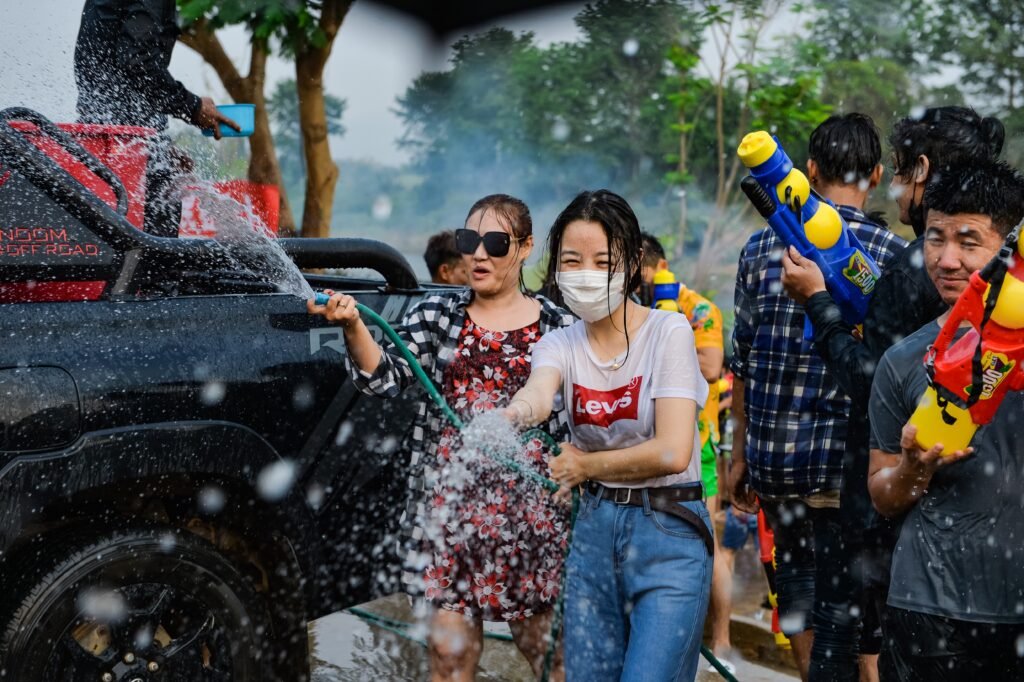
Travel Tips for Experiencing Songkran
Experiencing the Thai New Year, known as Songkran, promises a vibrant and exhilarating atmosphere as cities and towns transform into celebratory grounds. To make the most out of your visit during this festive period, consider the following practical travel tips.
First, selecting the right location for celebration is crucial. Popular destinations include Chiang Mai, where large-scale water fights occur, and Bangkok, which features parades and cultural displays. Participate in activities in these cities to fully immerse yourself in the local customs. Other areas such as Pattaya and Phuket also offer colorful festivities, making them worthy contenders for your travel itinerary.
When attending Songkran, it is advisable to dress appropriately. Lightweight, quick-drying clothes are recommended, as participants engage in water fights, leading to a drenched experience. Waterproof bags for your valuables, such as mobile phones and wallets, are essential to prevent damage. Additionally, wearing comfortable footwear is wise, considering the crowded streets and potential slippery surfaces.
Understanding cultural etiquette is vital when engaging in celebrations. Respect the traditions associated with Songkran, such as paying homage to Buddha statues and participating in the ritual of pouring water on the elderly as a sign of respect. Avoid disrespectful behaviors such as throwing water at individuals who are not participating or those in traditional attire.
Lastly, prioritize safety during the festivities. Ensure you stay hydrated, as the sun can be intense, and crowds can become overwhelming. Being aware of your surroundings and keeping track of your group can help prevent accidents. By following these suggestions, you can enhance your experience and appreciate the vibrant culture of Songkran during your travels in Thailand.
Interested in the local customs in Thailand? Then check out: Local Customs in Thailand: Essential Cultural Etiquette Every Visitor Should Know