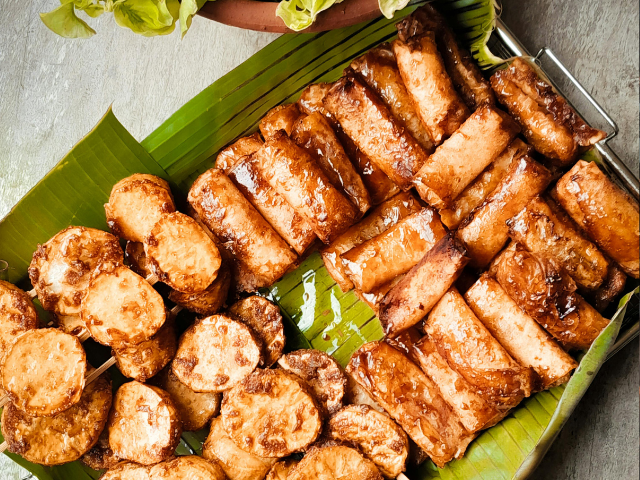
Filipino cuisine is a vibrant reflection of the Philippines’ history, geography, and culture. Influenced by indigenous traditions and centuries of trade and colonization, Filipino food combines sweet, sour, salty, and savory flavors in ways that feel both comforting and exciting. Each dish tells a story of family gatherings, celebrations, and everyday life.
If you are exploring Southeast Asian cuisine or planning a trip to the Philippines, this guide to Filipino food you must try at least once will help you understand why Filipino cooking continues to win hearts around the world. From hearty stews to refreshing desserts, these dishes showcase the soul of Filipino food culture.
What Makes Filipino Food Unique?
Filipino food stands out for its balance of bold flavors and its emphasis on shared meals. Many dishes are designed to be enjoyed family-style, encouraging connection and conversation. Rice is a staple at almost every meal, paired with viands that range from slow-cooked stews to grilled meats and fresh seafood.
Another defining feature is the creative use of simple ingredients such as vinegar, soy sauce, garlic, coconut milk, and local spices. These elements come together to create dishes that are rich in flavor without being overly complicated.
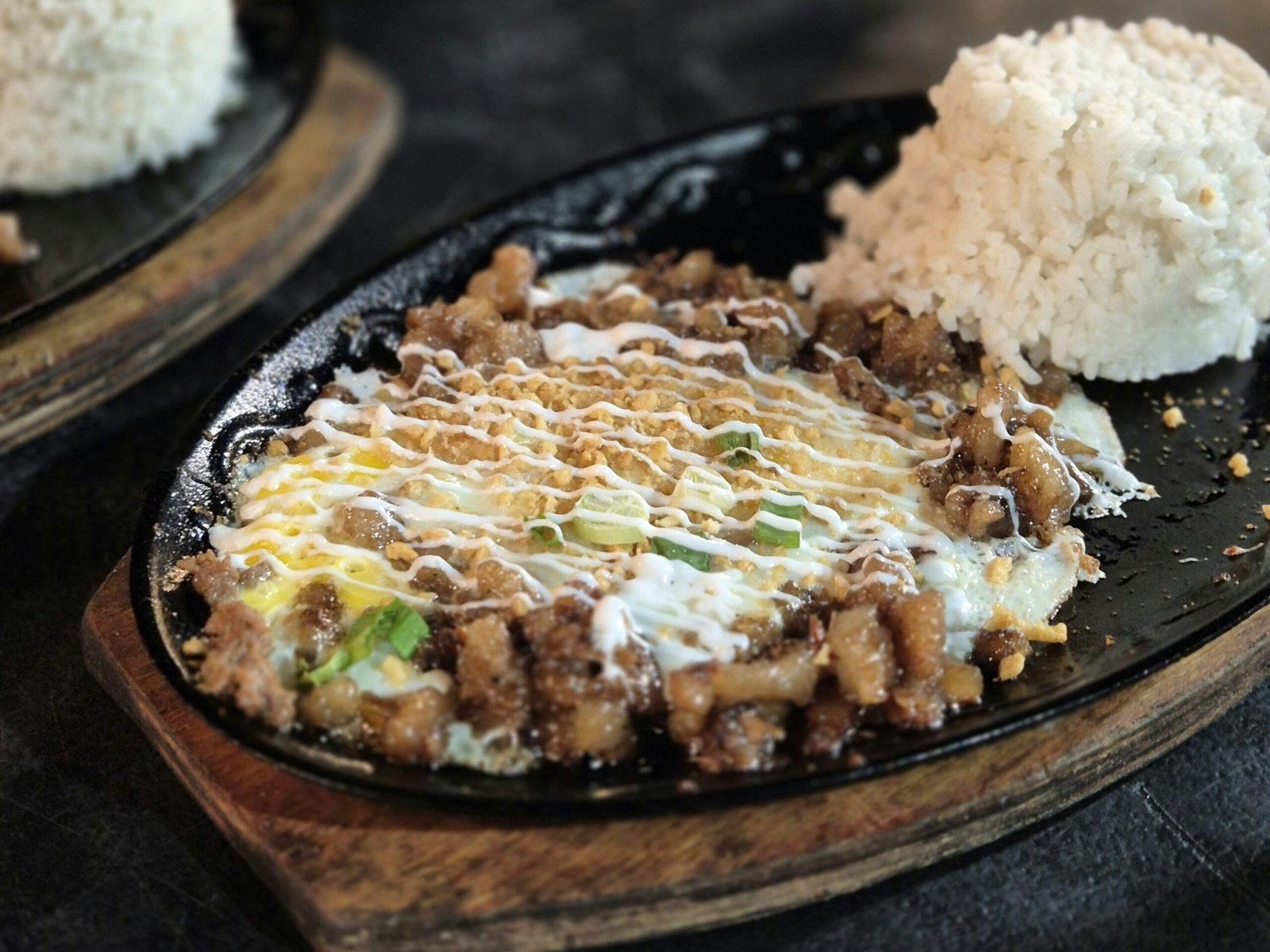
Classic Filipino Dishes You Must Try
Chicken Adobo
Chicken adobo is often considered the national dish of the Philippines. It features chicken simmered in vinegar, soy sauce, garlic, bay leaves, and peppercorns. The result is a tender, savory dish with a slightly tangy flavor that pairs perfectly with steamed rice.
What makes adobo special is its versatility. Every region and household has its own version, with variations that include pork, coconut milk, or added spices.
Sinigang
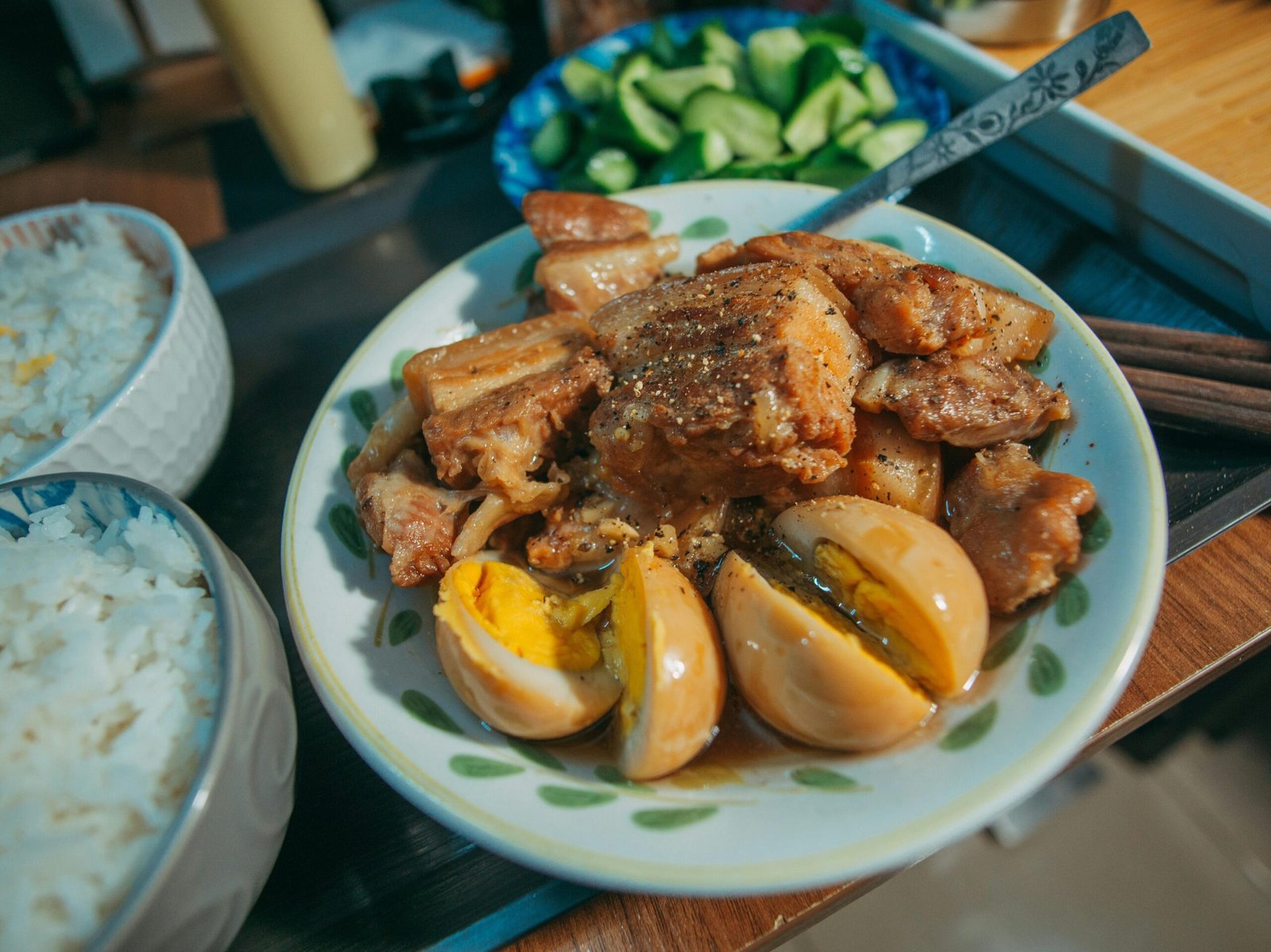
Sinigang is a comforting sour soup that Filipinos love, especially during rainy days. It is traditionally made with pork, shrimp, fish, or beef, simmered with vegetables like radish, eggplant, and kangkong.
The soup gets its signature sourness from tamarind, although other fruits such as calamansi or green mango can be used. Sinigang’s refreshing taste makes it one of the most beloved Filipino foods you must try.
Lechon
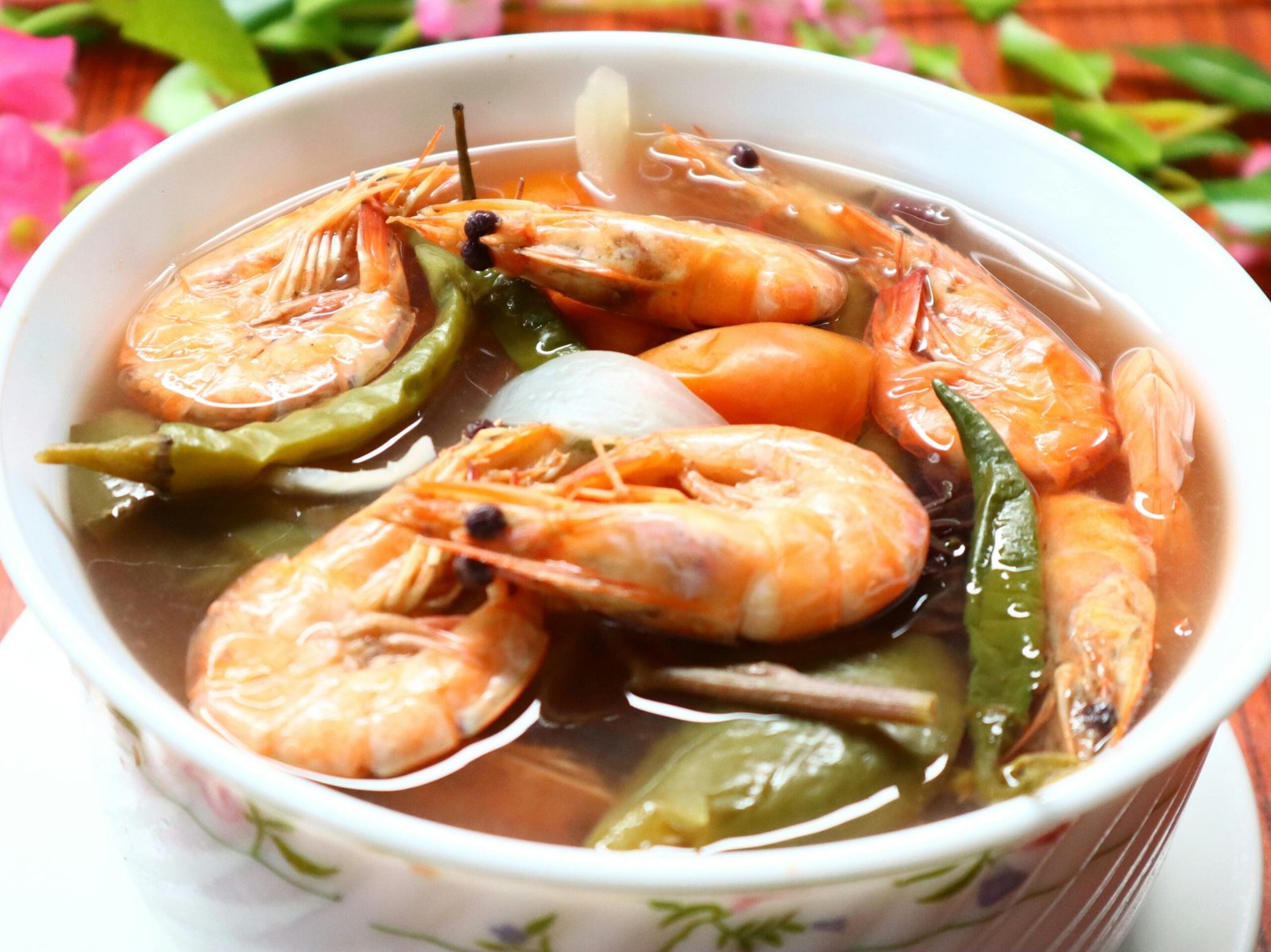
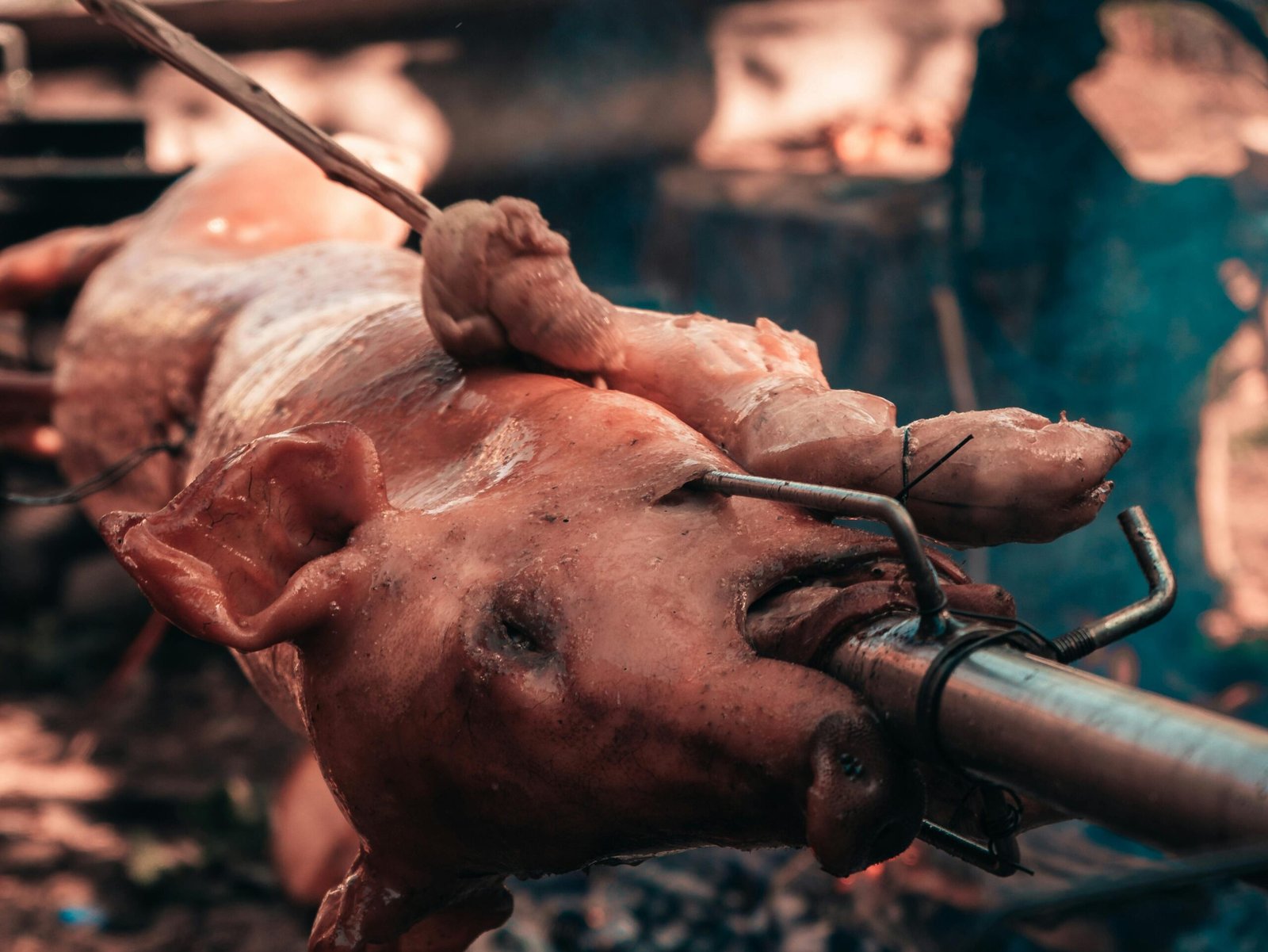
Lechon stands as the ultimate Filipino celebration dish. Cooks slowly roast a whole pig over an open fire until the skin turns crispy and golden, while the meat inside stays juicy and flavorful.
As a result, lechon frequently appears at fiestas, weddings, and holidays, where it symbolizes abundance and joy. Moreover, the contrast between crunchy skin and tender meat leaves a lasting impression on first-time tasters.
Kare-Kare
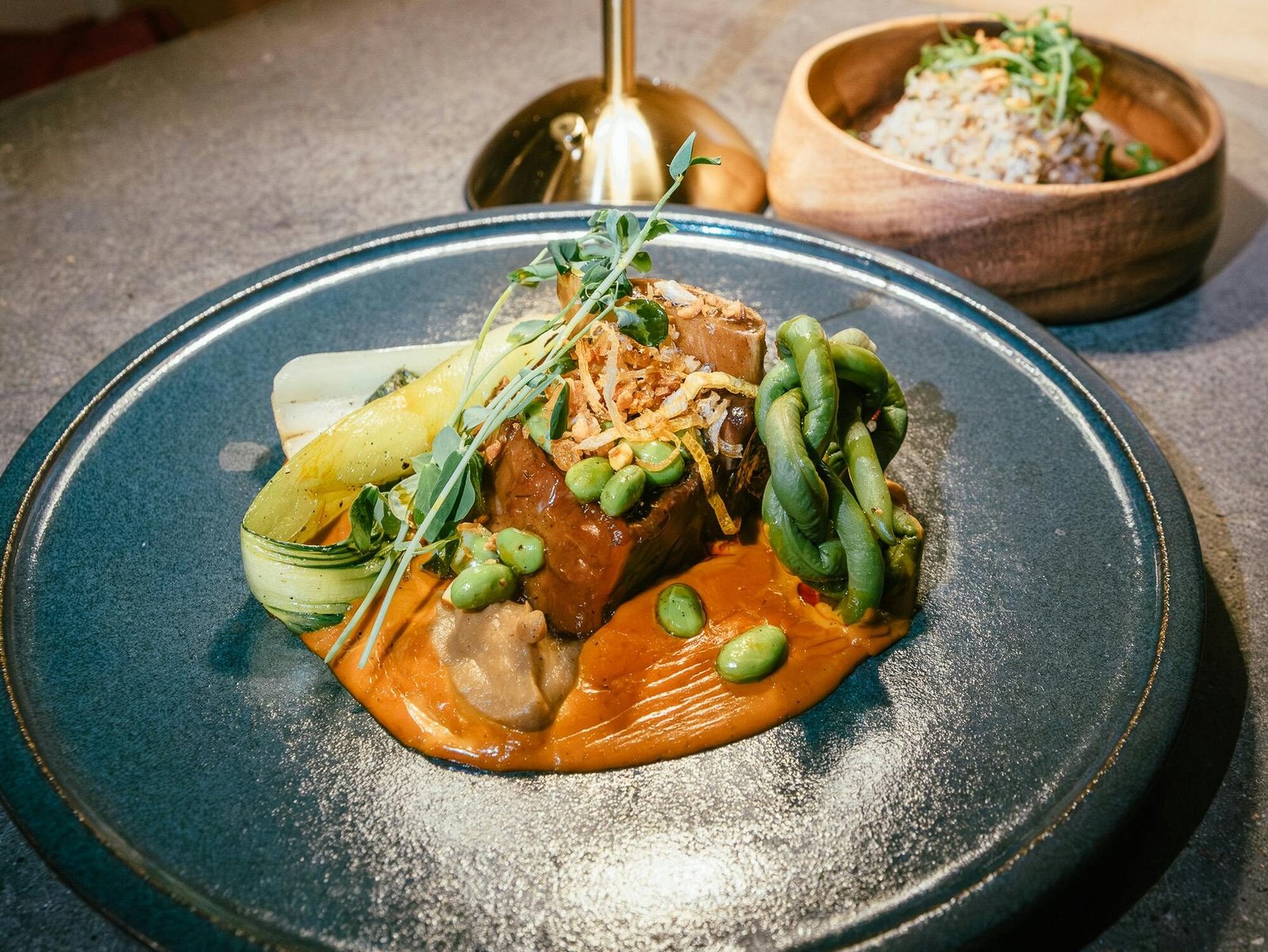
Kare-kare features a rich peanut-based stew that Filipinos usually prepare with oxtail, tripe, or vegetables. The thick and savory sauce delivers a mild yet deeply satisfying flavor.
Traditionally, Filipinos serve kare-kare with bagoong, a fermented shrimp paste that adds a bold salty contrast. Together, these elements create a distinctive flavor combination that defines classic Filipino comfort food.
Pancit
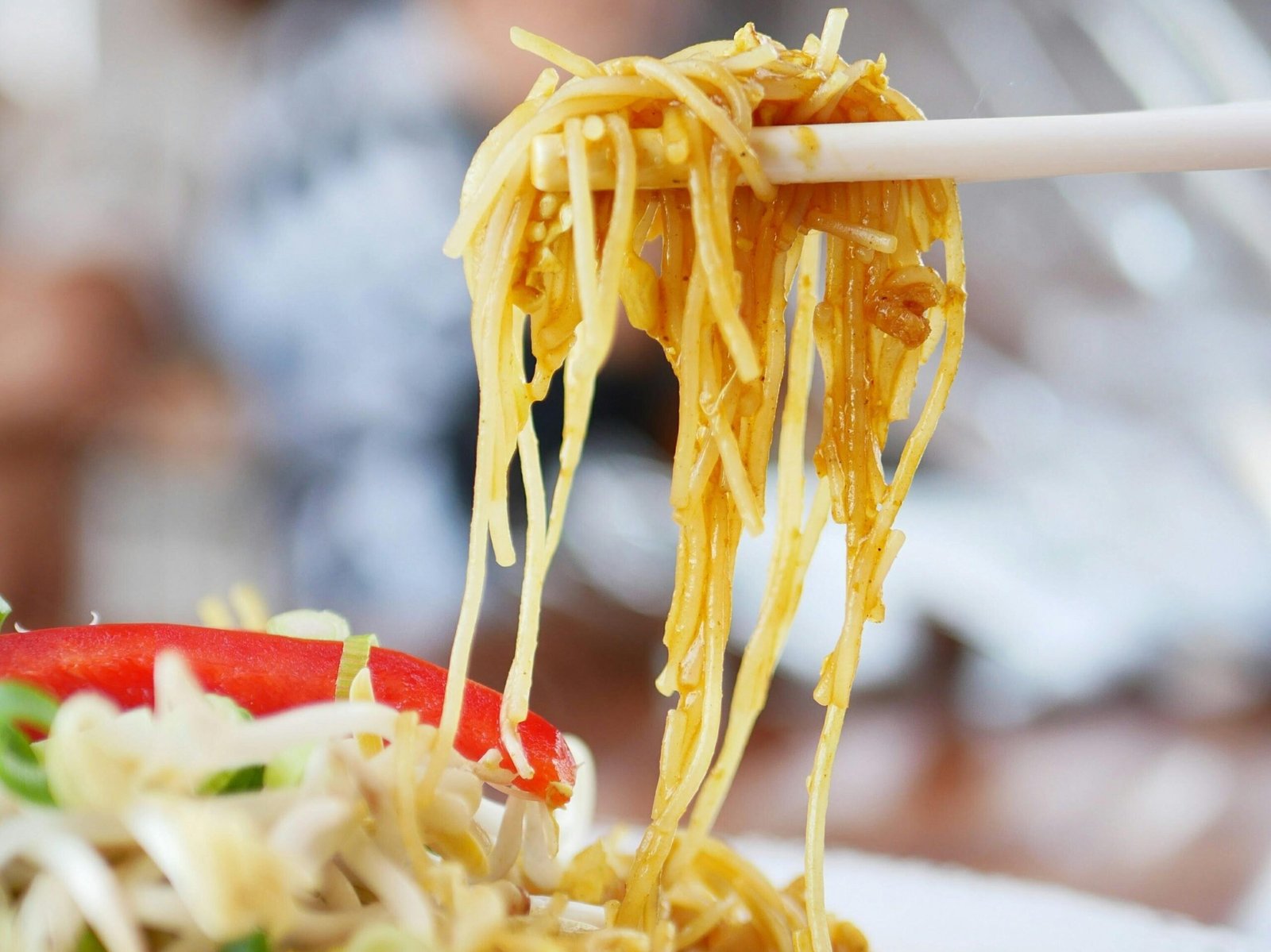
Pancit includes a variety of Filipino noodle dishes commonly served during birthdays and celebrations because noodles symbolize long life. Among the most popular types are pancit canton and pancit bihon.
Cooks stir-fry these noodles with vegetables, meat, and seafood, then season them with soy sauce and citrus. Consequently, pancit tastes light, flavorful, and easy to enjoy for all ages.
Street Foods and Snacks Worth Trying
Lumpia
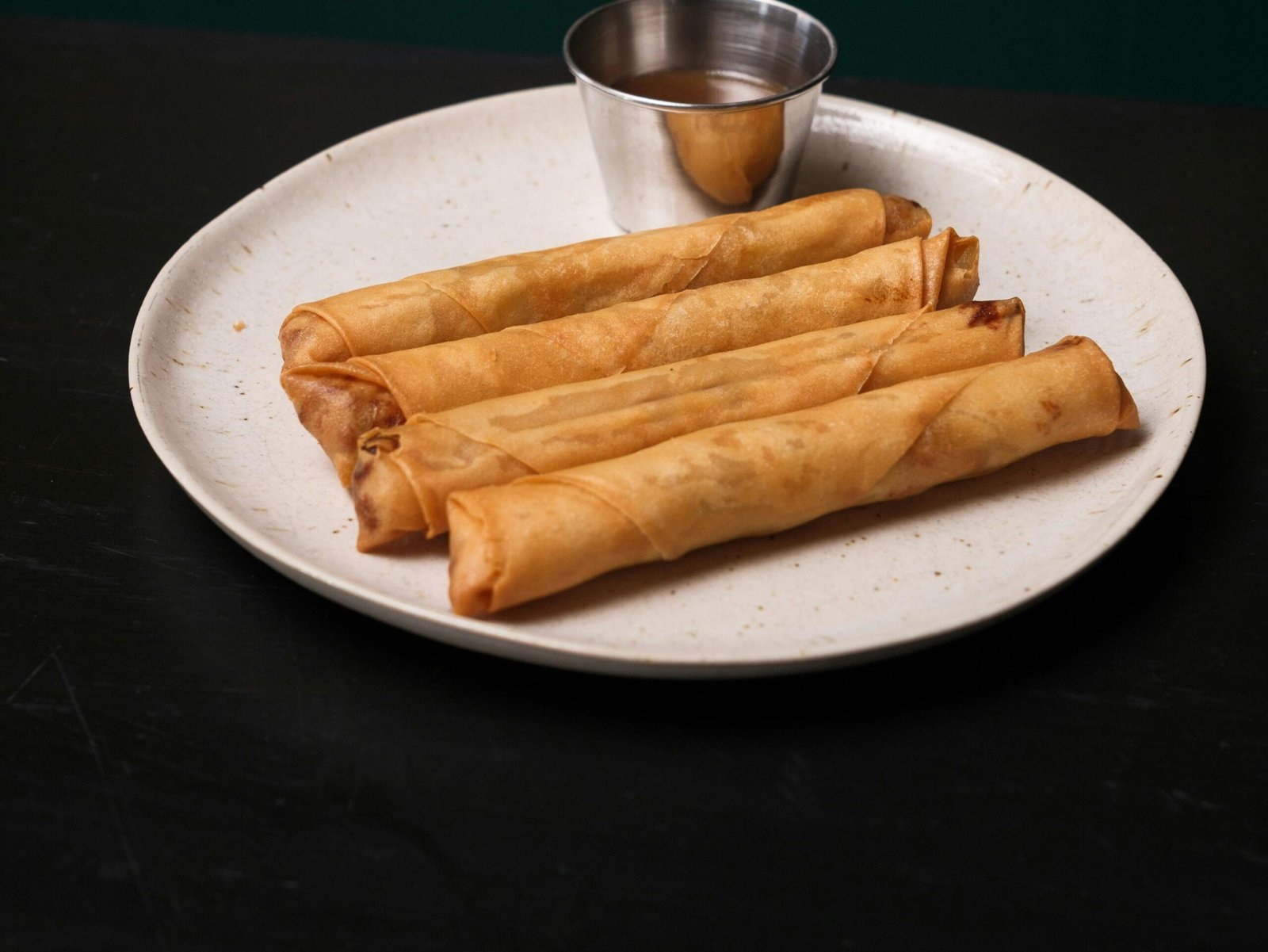
Lumpia are Filipino spring rolls available in both fresh and fried versions. For fried lumpia, cooks fill thin pastry wrappers with ground meat and vegetables before deep-frying them until crispy.
Because of their crunchy texture and savory filling, people often serve lumpia with a sweet and sour dipping sauce. Unsurprisingly, they remain a staple at parties and family gatherings.
Balut
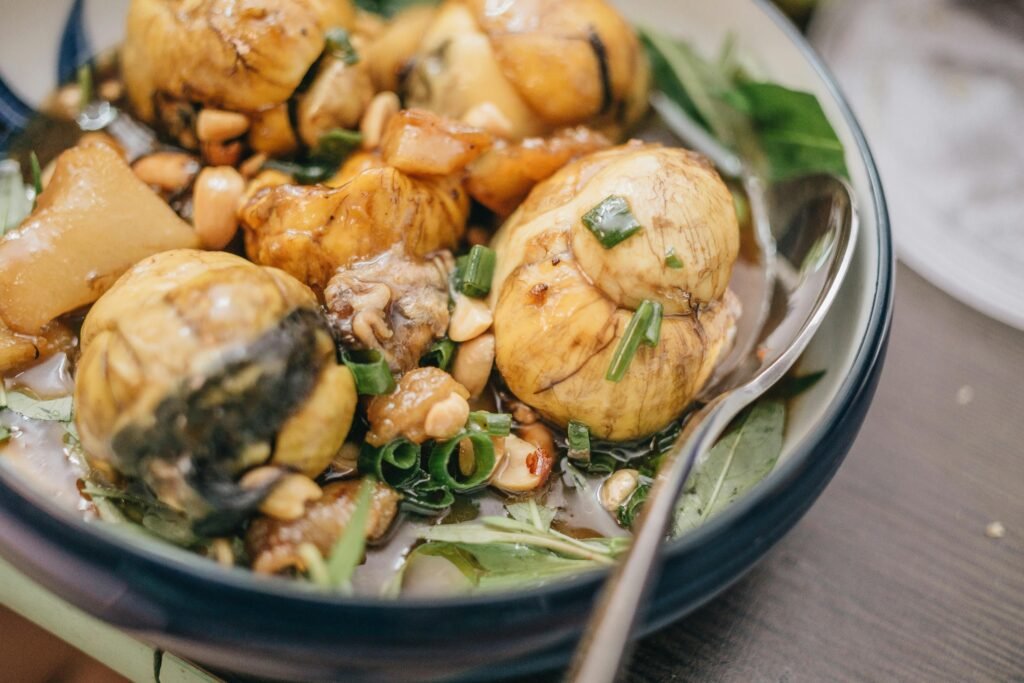
Balut ranks among the most talked-about Filipino street foods. Vendors boil fertilized duck eggs and serve them directly from the shell.
Although it may look intimidating at first, balut offers rich flavor and notable nutritional value. In fact, many locals consider trying balut a rite of passage for adventurous food lovers.
Fish Balls and Kwek-Kwek
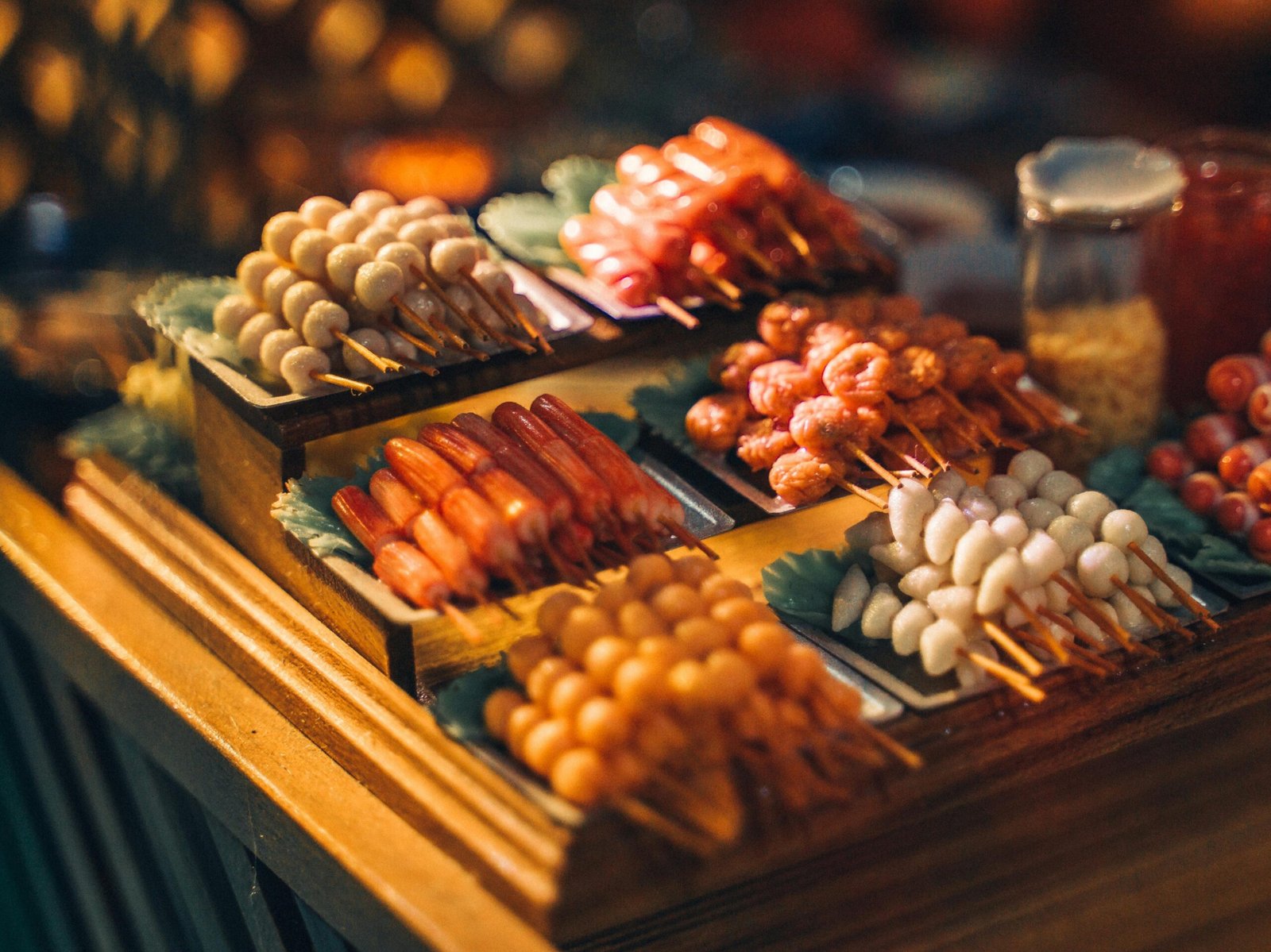
These popular street foods offer affordability, flavor, and fun in every bite. Vendors deep-fry fish balls and serve them with sweet or spicy sauce, while kwek-kwek features quail eggs coated in bright orange batter and fried until crisp.
Because street vendors sell them almost everywhere, people often enjoy these snacks while walking or socializing with friends.
Filipino Desserts You Should Not Miss
Halo-Halo
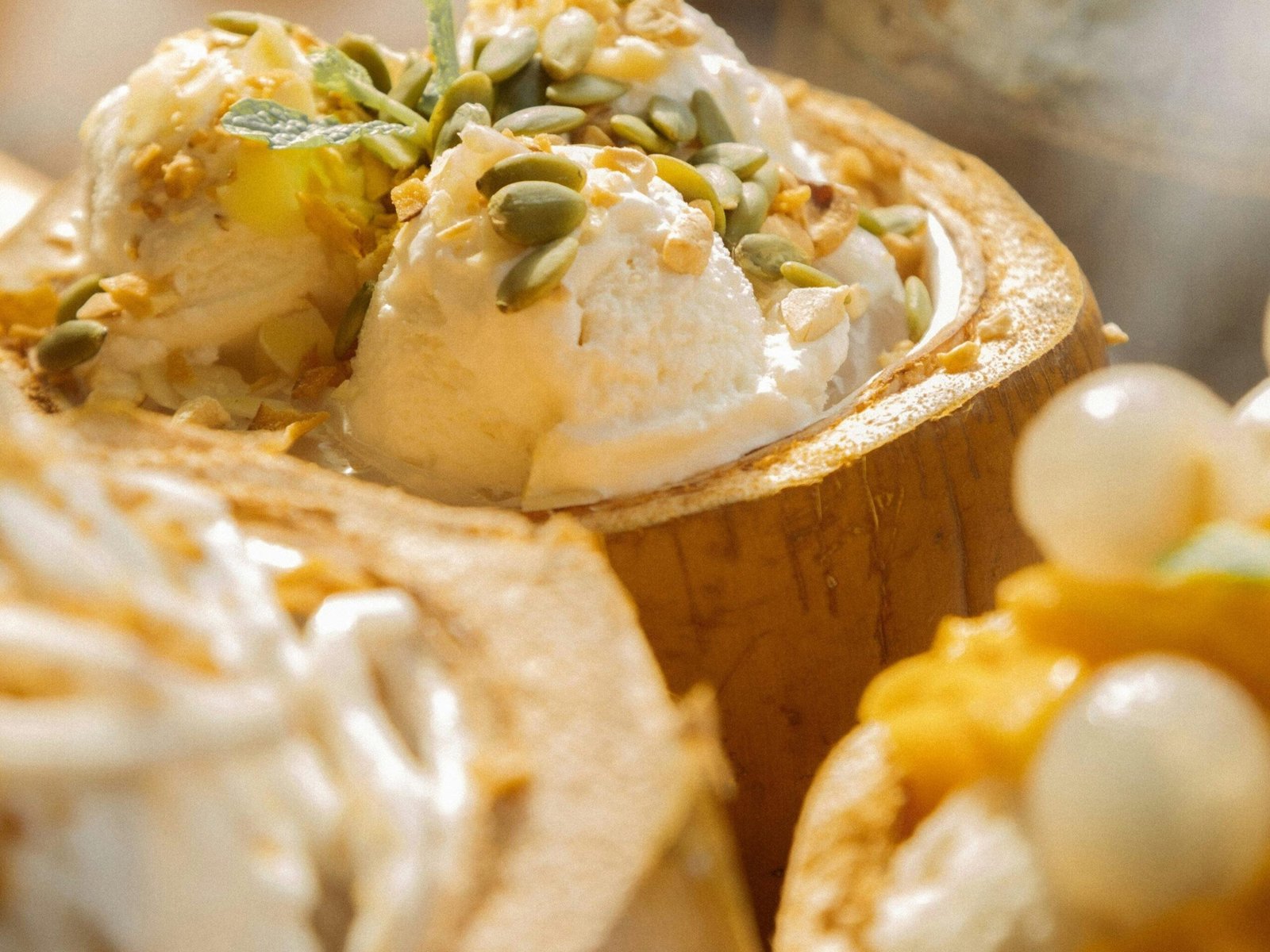
Halo-halo remains the most famous Filipino dessert, especially during hot weather. Its name means “mix-mix,” and it combines shaved ice with sweetened fruits, beans, jellies, leche flan, and ube, all topped with evaporated milk.
Altogether, this colorful dessert perfectly showcases the playful and creative side of Filipino cuisine.
Leche Flan
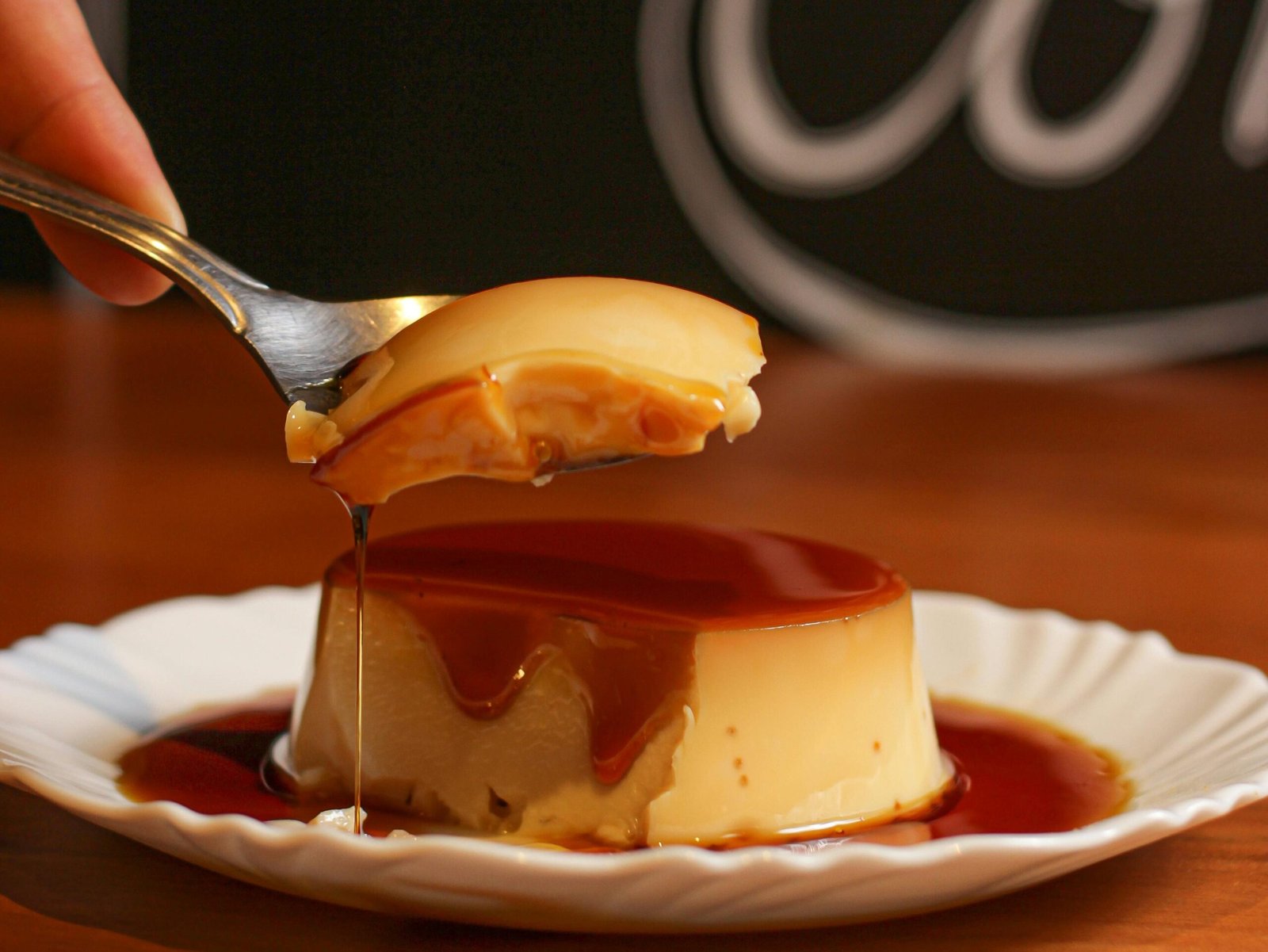
Leche flan delivers a rich custard dessert made from eggs, milk, and sugar, finished with caramel syrup on top. Families often prepare it for holidays and special occasions.
Thanks to its smooth texture and sweet flavor, leche flan continues to win over both locals and visitors.
Bibingka
Bibingka is a traditional rice cake that people usually enjoy during the Christmas season. Cooks prepare it in clay pots lined with banana leaves and top it with salted egg and cheese.
As a result, the blend of sweet and savory flavors makes bibingka a comforting and unforgettable treat.
Filipino Food Culture and Dining Traditions
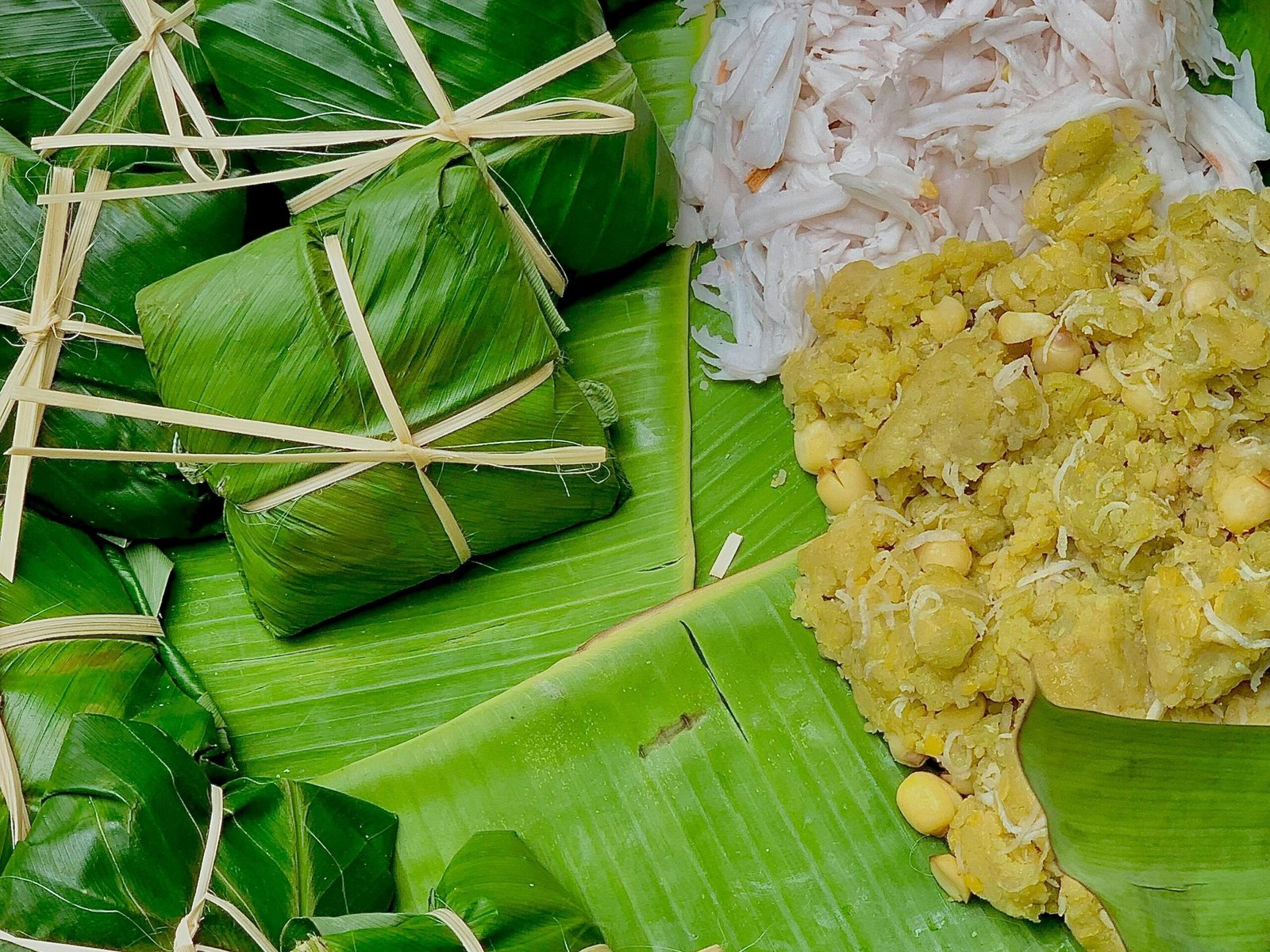
Food in the Philippines connects deeply to family and community. Families often share meals, and hosts always encourage guests to eat. For example, the “boodle fight,” where people place food on banana leaves and eat by hand, highlights the importance of togetherness.
In addition, Filipinos strongly value hospitality, and offering food remains one of the most common ways to show care and respect.
FAQs About Filipino Food
What is the most popular Filipino dish?
Chicken adobo is widely considered the most popular Filipino dish because of its simplicity, bold flavor, and cultural significance.
Is Filipino food spicy?
Filipino food is generally mild. However, some regions and dishes use chili to add heat, allowing diners to adjust spice levels to their preference.
Is Filipino food healthy?
Many Filipino dishes include vegetables, seafood, and balanced flavors. Ultimately, healthiness depends on preparation methods, but diners can find plenty of nutritious options.
What should first-time visitors try?
First-time visitors should try adobo, sinigang, lumpia, lechon, and halo-halo to experience a wide range of Filipino flavors.
Is Filipino food similar to other Asian cuisines?
Filipino food shares similarities with other Southeast Asian cuisines. However, it stands out because of Spanish and American influences, as well as its distinctive use of vinegar and subtle sweetness.
Final Thoughts
Filipino food you must try at least once offers far more than delicious flavors. It provides meaningful insight into Filipino culture, history, and values. Each dish reflects warmth, creativity, and a strong sense of community.
Whether you enjoy these dishes at a local carinderia, a family gathering, or an international restaurant, Filipino cuisine promises a memorable experience. Ultimately, exploring Filipino food is not just about eating, but about connecting with stories, traditions, and the heart of the Philippines.
If Filipino food has sparked your curiosity, explore our travel guides and business articles to discover where to experience these flavors firsthand and how the Philippines blends culture, cuisine, and opportunity in one unforgettable destination. Click HERE!


🌏 Travel Tip of the Day: In the Philippines, ferries can be delayed due to inclement weather — be sure to keep your schedule flexible.
🌏 Photo of the Day: