Hey everyone! Billy here. In today’s article, we will cover the Philippine healthcare system. At the end, I have a Tip and a photo of the day. Be sure to check those out as well. Now on with the show.
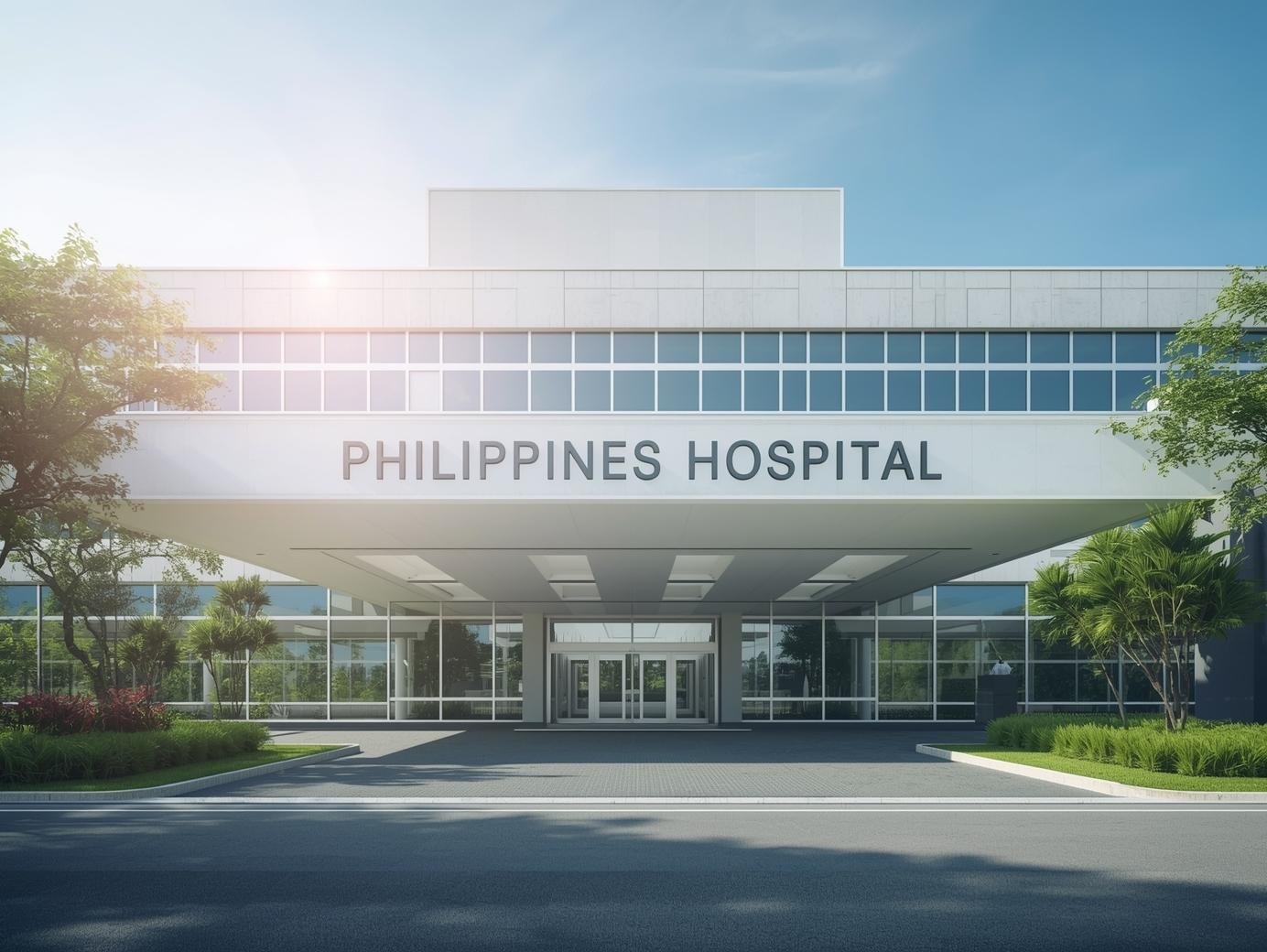
Access to quality health care is essential for everyone, whether you are a resident, an expatriate, or a traveler in the Philippines. With a growing population and a mix of public and private health services, understanding how the system works can help you make informed decisions for your medical needs. This guide covers the essentials of health care in the Philippines, from government services to private hospitals, insurance options, and tips for navigating the system.
Overview of Health Care in the Philippines
The Philippines operates a mixed health care system, consisting of public and private providers. The Department of Health (DOH) oversees public hospitals, health programs, and disease prevention initiatives. Private hospitals, on the other hand, are often considered higher quality but are more expensive.
Public health services are primarily funded by the government and aim to provide affordable care to citizens. However, many Filipinos and expatriates rely on private hospitals for specialized treatments, emergency services, and faster medical attention.
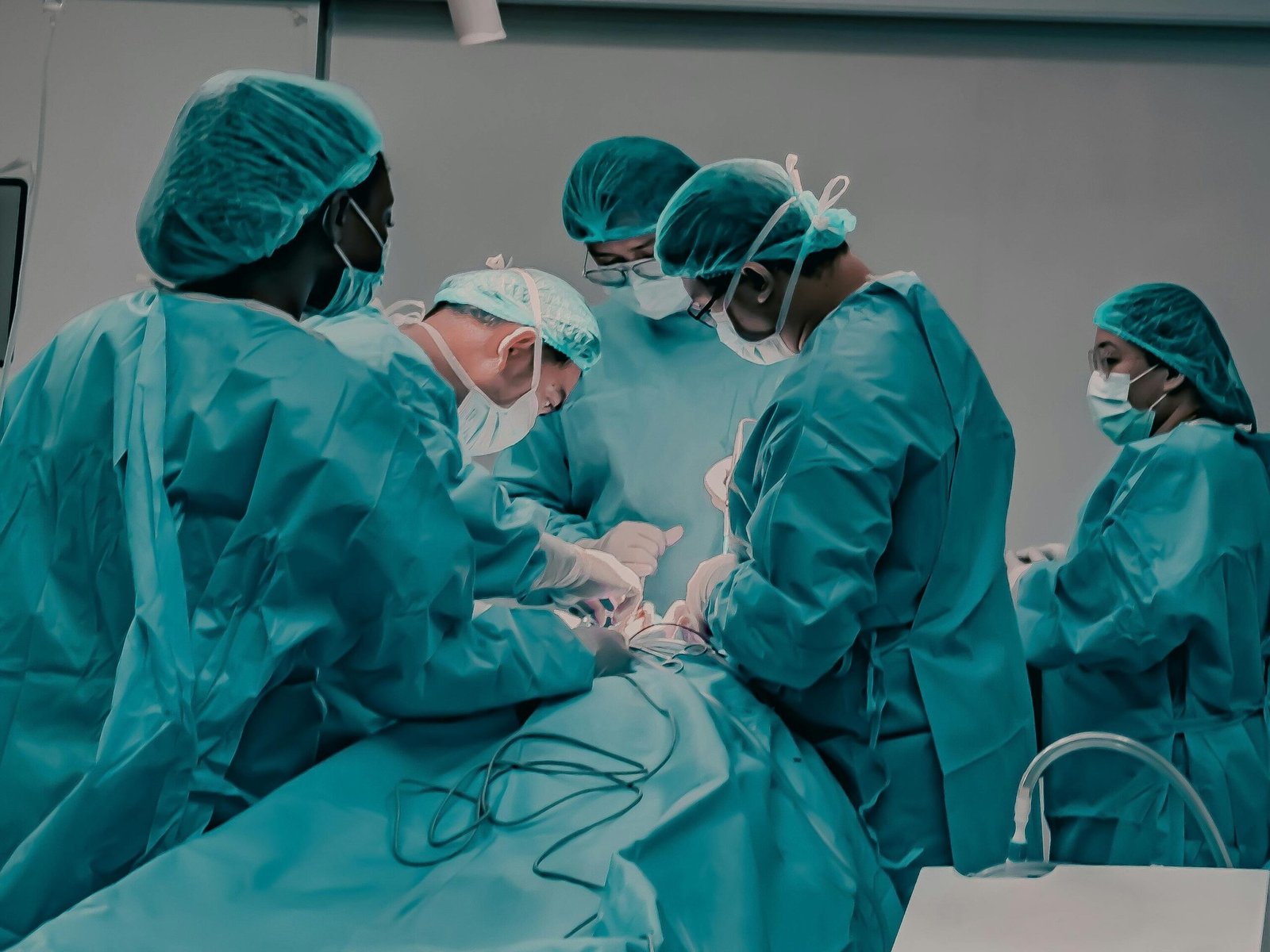
Public Health Care Services
Public health care in the Philippines is accessible through government hospitals and rural health units (RHUs). Some of the key features include:
1. Government Hospitals
- Government hospitals provide services ranging from basic consultations to specialized care.
- Fees are generally lower than private hospitals, making them accessible to the majority of citizens.
- Major government hospitals are located in urban centers like Manila, Cebu, and Davao.
2. Rural Health Units (RHUs)
- RHUs focus on primary health care in rural areas, including maternal care, vaccinations, and health education.
- Services are often free or heavily subsidized for residents.
3. PhilHealth: The National Health Insurance Program
- PhilHealth is the government’s health insurance program designed to help citizens cover medical expenses.
- It covers hospital stays, certain treatments, and preventive care.
- Membership is mandatory for Filipino citizens, while expatriates may enroll voluntarily.
Private Health Care in the Philippines
Private hospitals and clinics are prevalent in urban areas and are known for higher standards of care and shorter waiting times. Key points include:
- Private hospitals provide advanced medical equipment and specialized doctors.
- Costs are significantly higher than public hospitals, especially for procedures and surgeries.
- Many private hospitals accept PhilHealth, but patients often pay additional fees.
- Popular private hospitals include St. Luke’s Medical Center, Makati Medical Center, and The Medical City.
1. Specialized Clinics
- Clinics focusing on dental, dermatology, cardiology, and other specialties are widespread.
- They often provide faster service than public hospitals and are preferred for non-emergency care.
2. Telemedicine Services
- Telemedicine is gaining popularity, allowing patients to consult doctors online.
- This option is convenient for minor illnesses, prescription refills, and follow-up consultations.
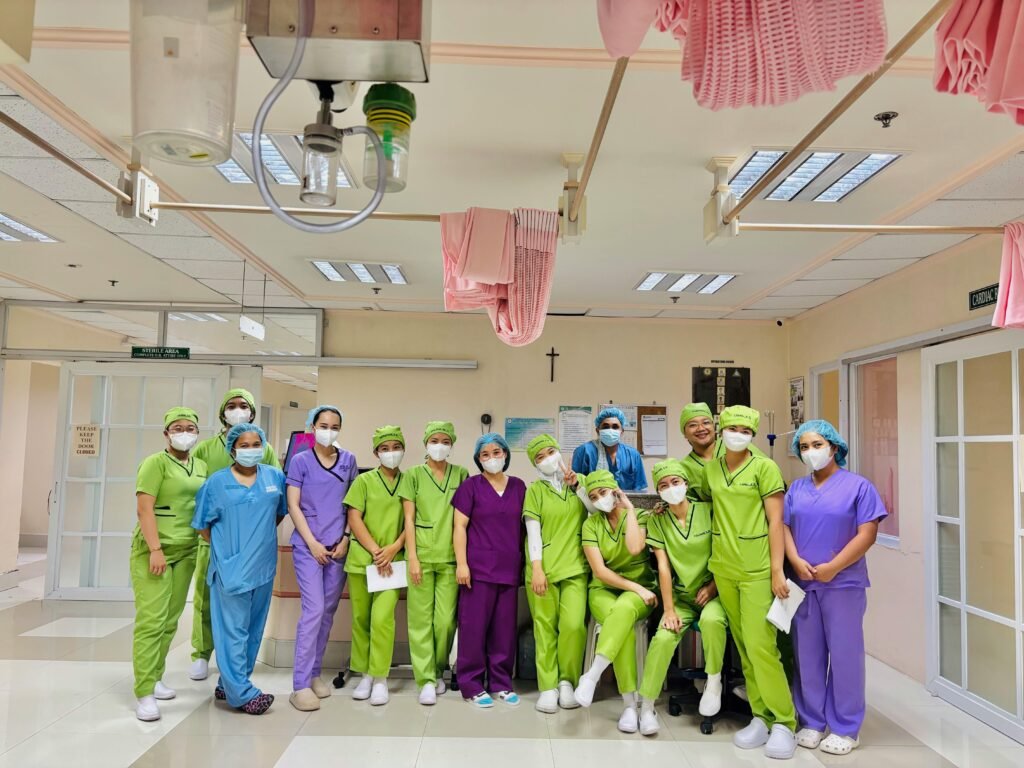
Health Care for Expats and Travelers
Travelers and expatriates in the Philippines should consider the following for adequate health care coverage:
- Travel Insurance: Essential for short-term visitors to cover emergencies.
- Private Health Insurance: Expatriates are encouraged to purchase private plans for better access to hospitals and specialists.
- Vaccinations: Ensure that routine vaccinations are up-to-date and consider vaccines for diseases like hepatitis A, typhoid, and Japanese encephalitis if traveling to rural areas.
Tips for Travelers
- Carry a list of nearby hospitals and clinics in your area.
- Know emergency numbers: 911 is the national emergency hotline.
- Have digital and physical copies of your insurance documents.
Challenges in Philippine Health Care
While the health care system has improved over the years, challenges remain:
- Overcrowded Public Hospitals: Long queues and limited beds in government hospitals are common.
- Regional Disparities: Rural areas often have limited access to quality health care.
- Out-of-Pocket Costs: Many patients rely on private health services that require higher payments.
- Shortage of Medical Professionals: Some regions face a lack of doctors and nurses.
Tips for Navigating Health Care in the Philippines
- Plan Ahead: Know which hospitals are accessible and whether they accept PhilHealth or private insurance.
- Understand Your Coverage: Whether through PhilHealth or private insurance, understand what is included.
- Preventive Care: Regular check-ups, vaccinations, and healthy lifestyle choices reduce the need for costly treatments.
- Emergency Preparedness: Keep a basic first aid kit, emergency numbers, and health records ready.

FAQs About Health Care in the Philippines
Q1: Is health care in the Philippines free?
A1: Public health care services are subsidized, but most treatments are not completely free. PhilHealth helps cover some costs.
Q2: Can foreigners access Philippine hospitals?
A2: Yes, both public and private hospitals provide services to foreigners. Private hospitals are generally preferred for higher quality care.
Q3: What is PhilHealth, and who can join?
A3: PhilHealth is the national health insurance program. Filipino citizens are required to enroll, while foreigners can join voluntarily.
Q4: Are medications affordable in the Philippines?
A4: Generic medications are affordable and available in public hospitals and pharmacies. Branded medications in private pharmacies can be expensive.
Q5: How do I find a good doctor in the Philippines?
A5: Recommendations from friends, online reviews, and hospital websites can help. Private hospitals also provide directories of licensed specialists.
Final Thoughts
Health care in the Philippines offers a mix of public and private services, each with advantages and limitations. For residents, understanding PhilHealth benefits and available government programs can reduce health care costs. For expatriates and travelers, securing private insurance and familiarizing yourself with local hospitals ensures timely and effective care. By planning ahead, staying informed, and prioritizing preventive health measures, you can navigate the Philippine health care system confidently and maintain your well-being during your stay.
After learning about health care in the Philippines, explore our travel guides and business insights to make the most of your stay or investment in this vibrant country. READ HERE!


So have you ever had to visit a doctor or hospital while in another country? If so how was your experience? Leave your reply in the comments section.
🌏 Travel Tip of the Day —
- Carry small notes. Most small shops, restaurants, tuk tuk and bus drivers don’t carry change for large bills. I remember taking a tuk tuk to the airport in Chiang Mai. The fare was about 200 ($6.00) Baht and I gave the driver a 500 ($15.00) Baht bill. He said he didn’t have change. As I was in a hurry to catch my flight I let him keep the rest ($9.00 tip). Perhaps he really didn’t have small change or maybe he did but was hoping I would let him have the rest.
🌏 Photo of the Day —
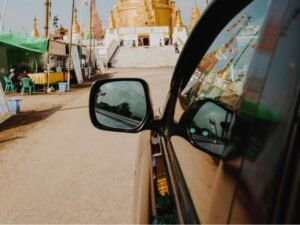
Can anyone guess which country this is???