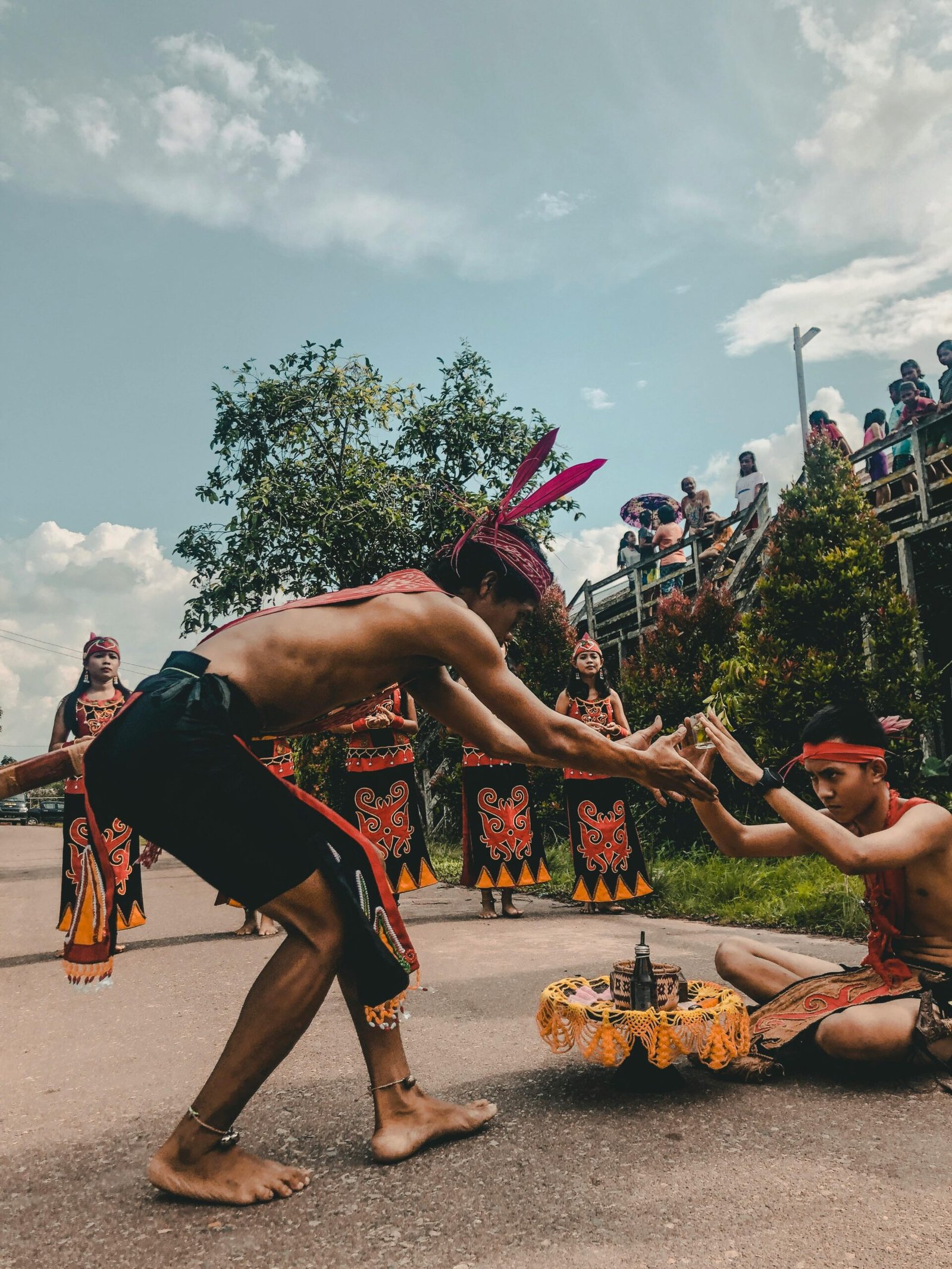
Indonesia is a vast archipelago consisting of over 17,000 islands, home to hundreds of ethnic groups and cultures. This diversity has given rise to a wide array of local customs that shape the daily lives, traditions, and social interactions of the Indonesian people. Understanding these customs is essential for travelers, expatriates, and anyone interested in appreciating the richness of Indonesian culture.
Understanding Local Customs in Indonesia
Indonesian culture is deeply rooted in values such as family, respect for elders, and communal harmony. These values influence customs, traditions, and social behavior across the country. Although customs vary from one region to another, some overarching principles and practices are widely observed.
Greetings and Social Etiquette
Greetings are an important part of Indonesian social customs. The most common greeting is a handshake accompanied by a slight bow of the head, especially when meeting someone older or of higher social status. In more traditional settings, such as in Bali or Java, people may also press their palms together in front of the chest as a sign of respect.
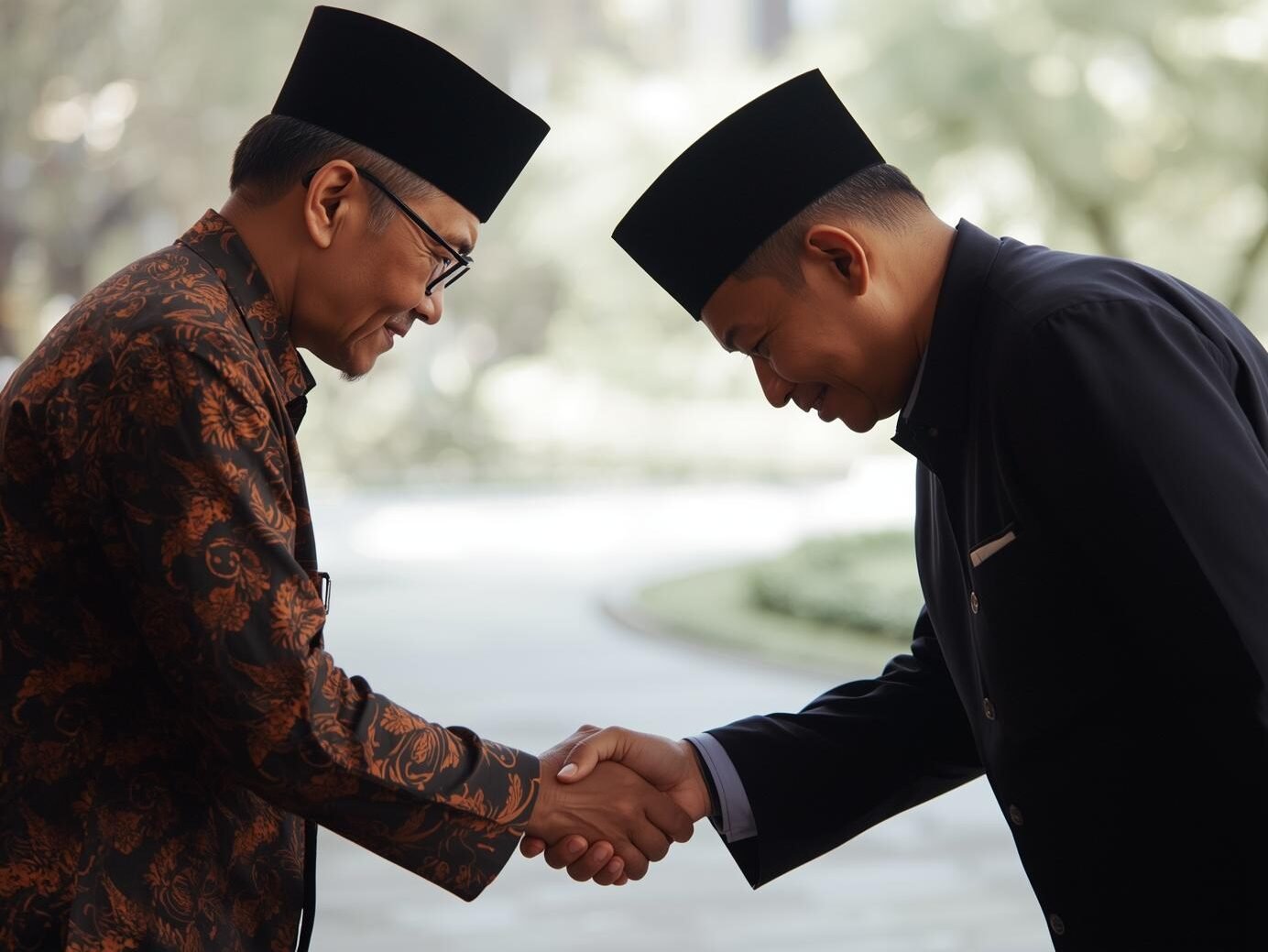
Respect for elders is paramount. When interacting with older individuals, younger people often use polite language and gestures to show deference. Addressing someone by their title or honorific, rather than just their first name, is a common practice.
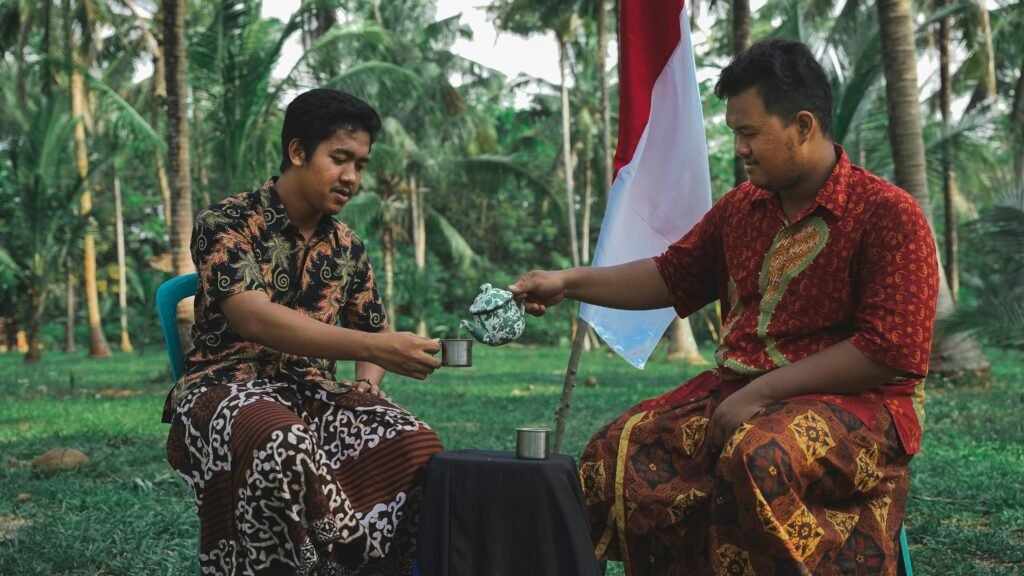
Traditional clothing in Indonesia varies significantly depending on the region and occasion. Batik, a patterned fabric created through a wax-resist dyeing technique, is widely worn across Java and recognized as a symbol of Indonesian heritage. During formal events, such as weddings or government functions, men and women may wear traditional attire, including kebaya for women and sarong with a formal shirt for men.
Traditional Clothing
In Bali, ceremonial clothing is particularly important, with intricate outfits worn during religious ceremonies and festivals. Wearing appropriate attire when visiting temples or attending cultural events shows respect for local customs.
Festivals and Ceremonies
Indonesia is famous for its vibrant festivals and ceremonies, reflecting the country’s diverse cultural and religious landscape. Some notable examples include:
Nyepi Day in Bali
Nyepi, the Balinese Day of Silence, is a Hindu celebration marking the New Year. During this day, the island observes a complete shutdown, with no flights, vehicles, or entertainment allowed. Locals spend the day in self-reflection and meditation, while tourists are expected to respect the quiet environment.
Waisak in Central Java and Borobudur
Waisak is a Buddhist festival commemorating the birth, enlightenment, and death of Buddha. Pilgrims gather at Borobudur Temple in Central Java to participate in meditation, prayers, and lantern ceremonies. Visitors are encouraged to dress modestly and follow temple protocols during the festival.
Toraja Funeral Rituals
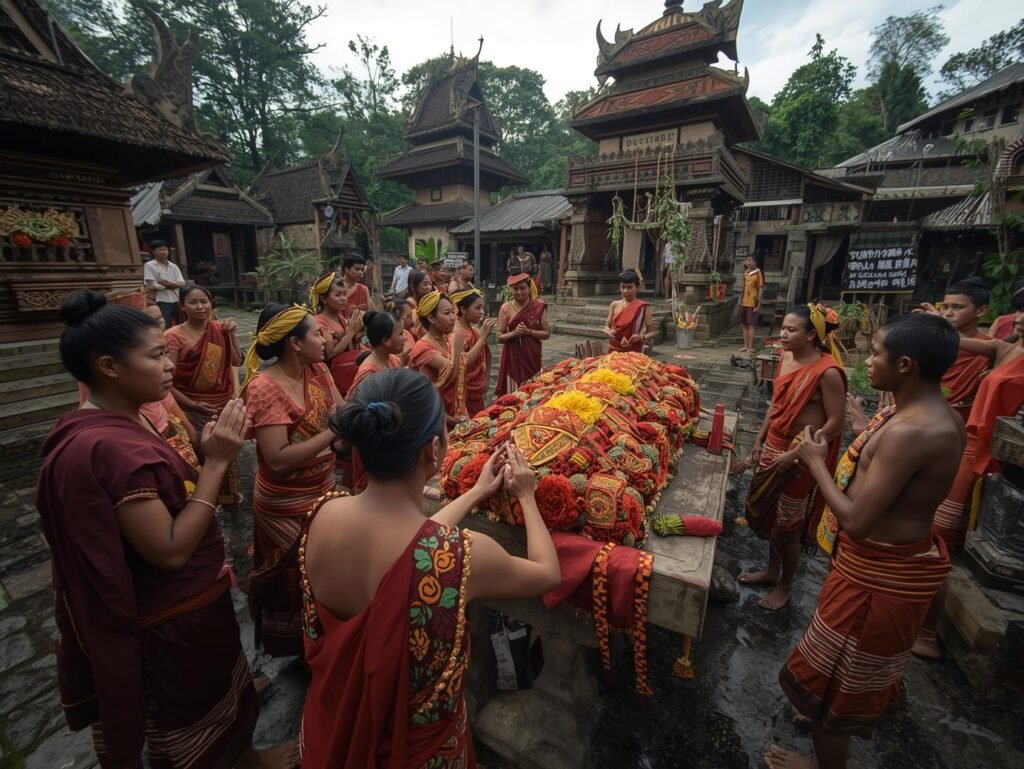
In South Sulawesi, the Toraja people conduct elaborate funeral ceremonies that may last for several days. These rituals involve traditional dances, offerings, and sometimes the ceremonial sacrifice of water buffalo. Funerals are considered a major social event and a display of respect for ancestors.
Dining Etiquette
Sharing meals is an important aspect of Indonesian culture. In many regions, eating with the right hand is customary, as the left hand is considered unclean for handling food. Offering food to guests and using communal dishes reflect the Indonesian value of togetherness.
When invited to someone’s home, it is polite to accept at least a small portion of the offered food. Refusing food outright can be seen as impolite or disrespectful. Removing shoes before entering a house is a standard practice across Indonesia.
Religious Practices
Religion plays a central role in shaping Indonesian customs. Islam is the predominant religion, followed by Christianity, Hinduism, and Buddhism. Observing religious practices and showing respect for rituals is essential for visitors.
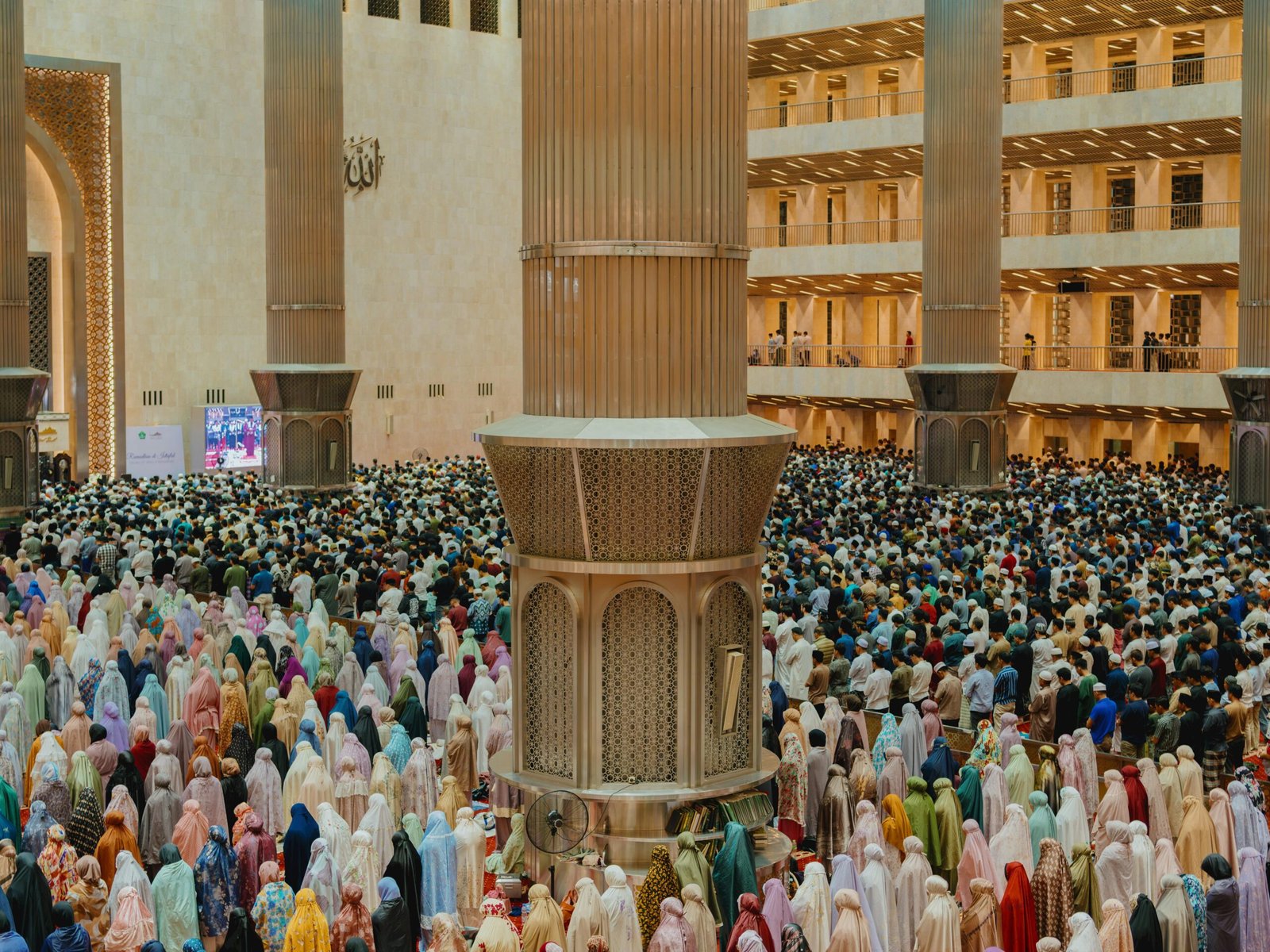
During Ramadan, Muslims fast from dawn to sunset, and visitors should be mindful of eating or drinking in public during daylight hours. When visiting temples, mosques, or churches, dressing modestly and following local customs is expected.
Art and Handicrafts
Indonesia’s rich tradition of art and handicrafts is another reflection of its local customs. Traditional dance, music, and crafts are often tied to religious and cultural ceremonies. Batik, ikat weaving, wood carving, and silverwork are popular forms of traditional artistry that visitors can appreciate or purchase as souvenirs.
Communication and Behavior
Indonesians generally communicate indirectly to maintain harmony and avoid conflict. Politeness, patience, and humility are highly valued traits. Loud or aggressive behavior is often frowned upon, especially in formal or traditional settings.
Public displays of affection are limited in many areas, particularly in rural or religious communities. Modesty and respect for cultural norms are crucial to positive social interactions.
Tips for Respecting Local Customs
- Learn Basic Phrases: Simple greetings and polite expressions in Bahasa Indonesia can help you connect with locals.
- Dress Appropriately: Modest clothing is expected in religious and rural areas.
- Observe Ceremonial Etiquette: Follow local rules during festivals, temple visits, and traditional ceremonies.
- Be Mindful of Personal Space: Indonesians value respect and discretion, so avoid intrusive behavior.
- Follow Dining Practices: Use your right hand for eating, and accept food when offered politely.
FAQs About Local Customs in Indonesia
Q1: Do I need to remove my shoes in all Indonesian homes?
A: Yes, it is customary to remove shoes before entering most homes and some religious sites.
Q2: Is tipping expected in Indonesia?
A: Tipping is not mandatory but appreciated in restaurants, hotels, and for services. A 5-10% tip is common.
Q3: Can I take photos during festivals and ceremonies?
A: Always ask permission before photographing individuals or sacred events, especially during religious ceremonies.
Q4: What is the best way to greet elders in Indonesia?
A: A polite handshake, slight bow, or pressing palms together in greeting shows respect for older individuals.
Q5: Are there any taboos I should avoid?
A: Avoid pointing with your feet, touching someone’s head, or displaying public affection in conservative areas.
Final Thoughts
Indonesia’s local customs offer a window into a culture rich in history, spirituality, and community values. Respecting these customs enhances travel experiences, fosters positive social interactions, and shows appreciation for the country’s diverse heritage. By observing etiquette, participating respectfully in ceremonies, and embracing local traditions, visitors can deepen their understanding of Indonesia’s vibrant culture and create memorable connections with its people.
Exploring Indonesia is more than visiting its beautiful landscapes; it is about immersing yourself in the heart of its customs, traditions, and daily life. From the bustling streets of Jakarta to the serene temples of Bali, the country’s local customs provide a unique insight into what makes Indonesia truly extraordinary.
If you’re fascinated by Indonesia’s rich culture, don’t miss our in-depth travel guides and business insights to help you explore the archipelago like a local and make the most of your journey or investment opportunities. Read here!




🌏 A Moment in History:
Indonesia is home to the ancient Srivijaya and Majapahit empires, maritime powers that once dominated trade across much of Southeast Asia.
https://www.amazon.com/author/billy.saale