Laos, officially the Lao People’s Democratic Republic, is a Southeast Asian country admired for its peaceful lifestyle, strong spiritual traditions, and close-knit communities. Understanding the local customs in Laos helps travelers, expatriates, and professionals interact respectfully and experience the culture fully.
Moreover, Lao customs influence everyday life, including greetings, attire, dining, festivals, and business practices. By learning these traditions, visitors can avoid cultural misunderstandings and show genuine respect.
Core Cultural Values Behind Local Customs in Laos
At the heart of Lao society lies harmony, humility, and patience. For example, the popular phrase “bo pen nyang” means “no problem” or “it’s okay.” It reflects the Lao tendency to approach life calmly and avoid confrontation.
Respect plays a key role in daily interactions. People speak softly, use polite language, and maintain a composed demeanor. Therefore, understanding these values explains many local behaviors and social expectations.
Local Customs in Laos: Traditional Greetings and Social Etiquette
The Nop Greeting and Its Meaning
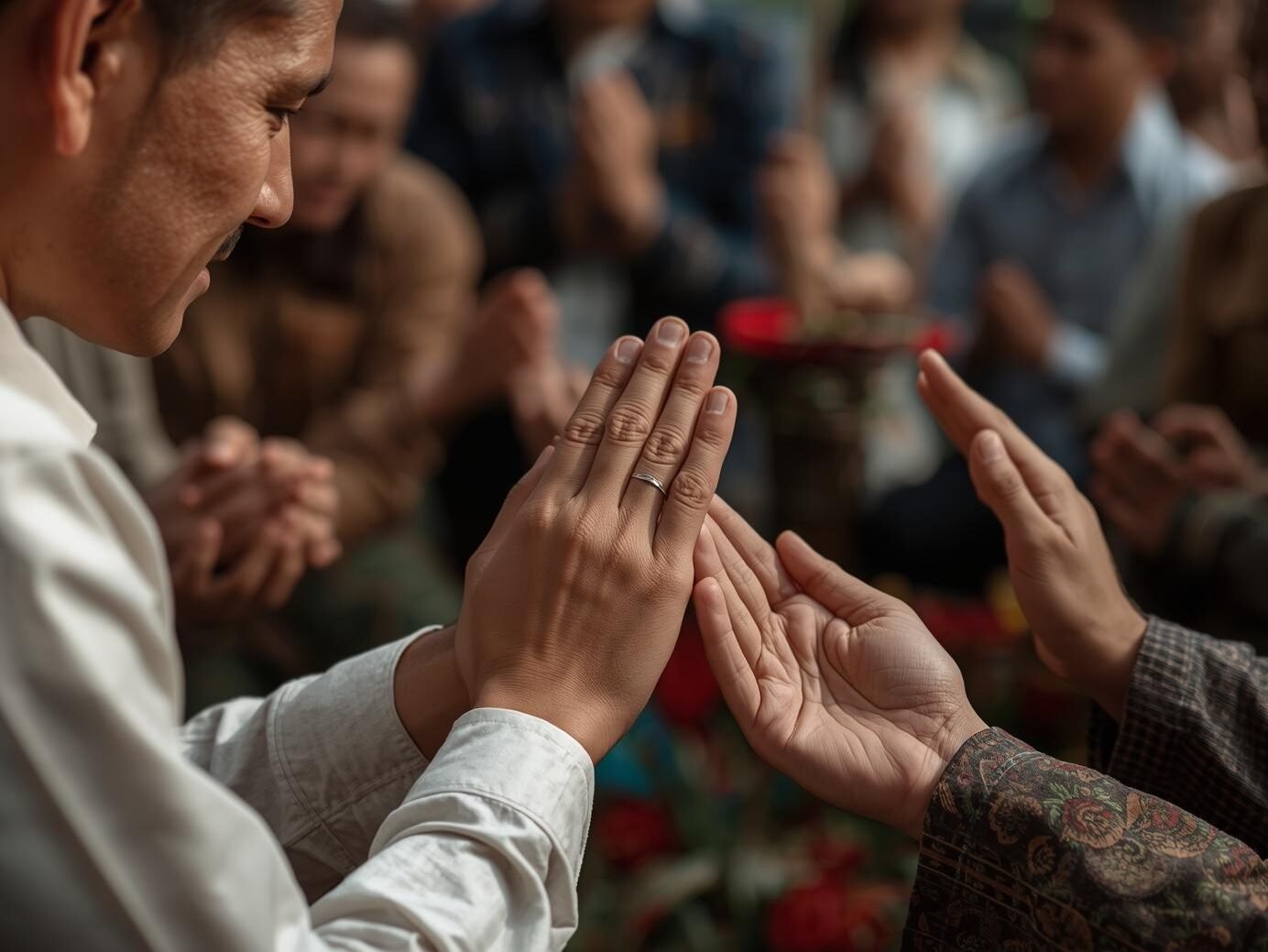
One of the most visible local customs in Laos is the traditional greeting called the nop. You perform the nop by pressing your palms together and bowing slightly. Additionally, you adjust the height of your hands depending on the person’s social status.
You should use higher hand placement when greeting elders, monks, or respected individuals. While handshakes appear in urban areas, especially in professional settings, returning a nop always conveys respect.
Polite Communication and Body Language
Lao people prefer indirect, polite speech. For instance, raising your voice, interrupting, or showing frustration may come across as rude. Smiling helps maintain harmony and positive interactions.
Moreover, public criticism is avoided to prevent embarrassment. Consequently, using calm and polite language aligns with Lao social norms and helps build trust.
Buddhist Traditions and Local Customs in Laos
Buddhism in Daily Lao Life
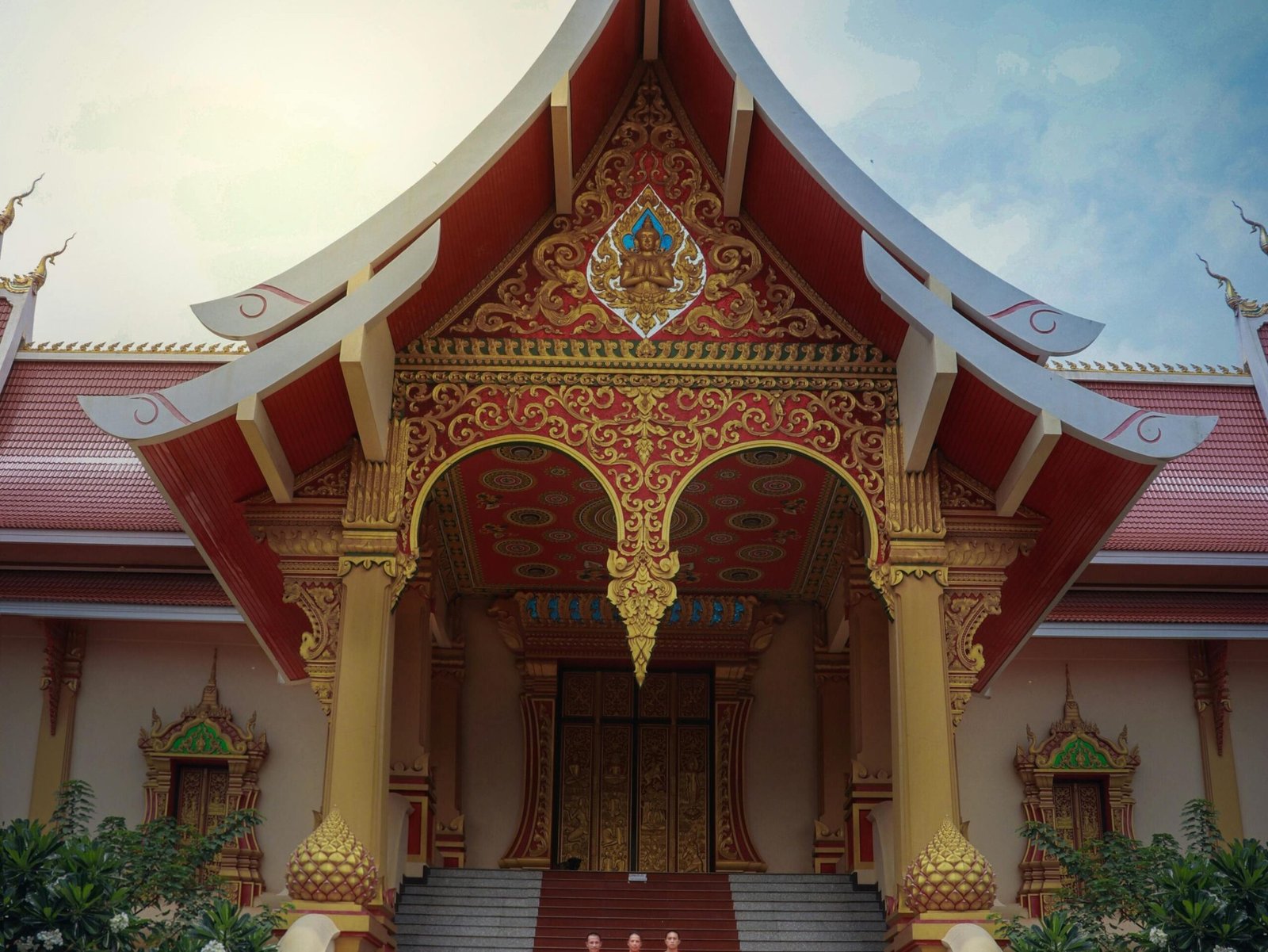
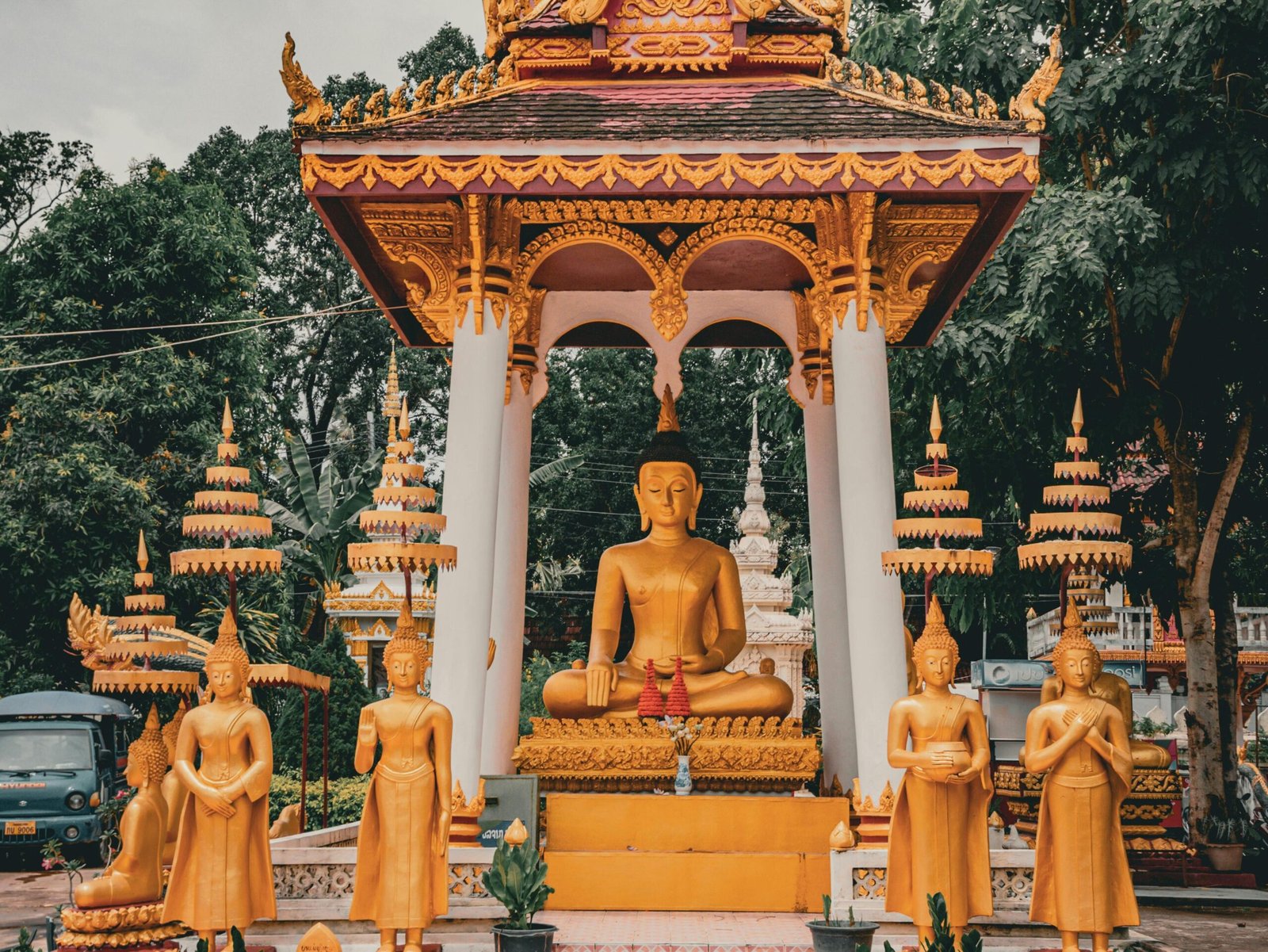
Theravada Buddhism influences almost every aspect of Lao life. Monks hold a revered position, and wats (temples) serve as spiritual, cultural, and community centers. Many Lao men become monks temporarily to gain merit and experience spiritual growth.
Therefore, Buddhist beliefs shape daily routines, social behaviors, and community practices throughout the country.
Temple Etiquette and Respect for Monks
Visitors must dress modestly when entering temples. Shoulders and knees should remain covered, and you should remove shoes before entering temple buildings. Additionally, you should speak softly and walk calmly to show respect.
Women should not touch monks or hand items directly to them. Instead, place offerings on a cloth or pass them through a male intermediary. Following these practices ensures respectful interactions.
Alms Giving (Tak Bat)
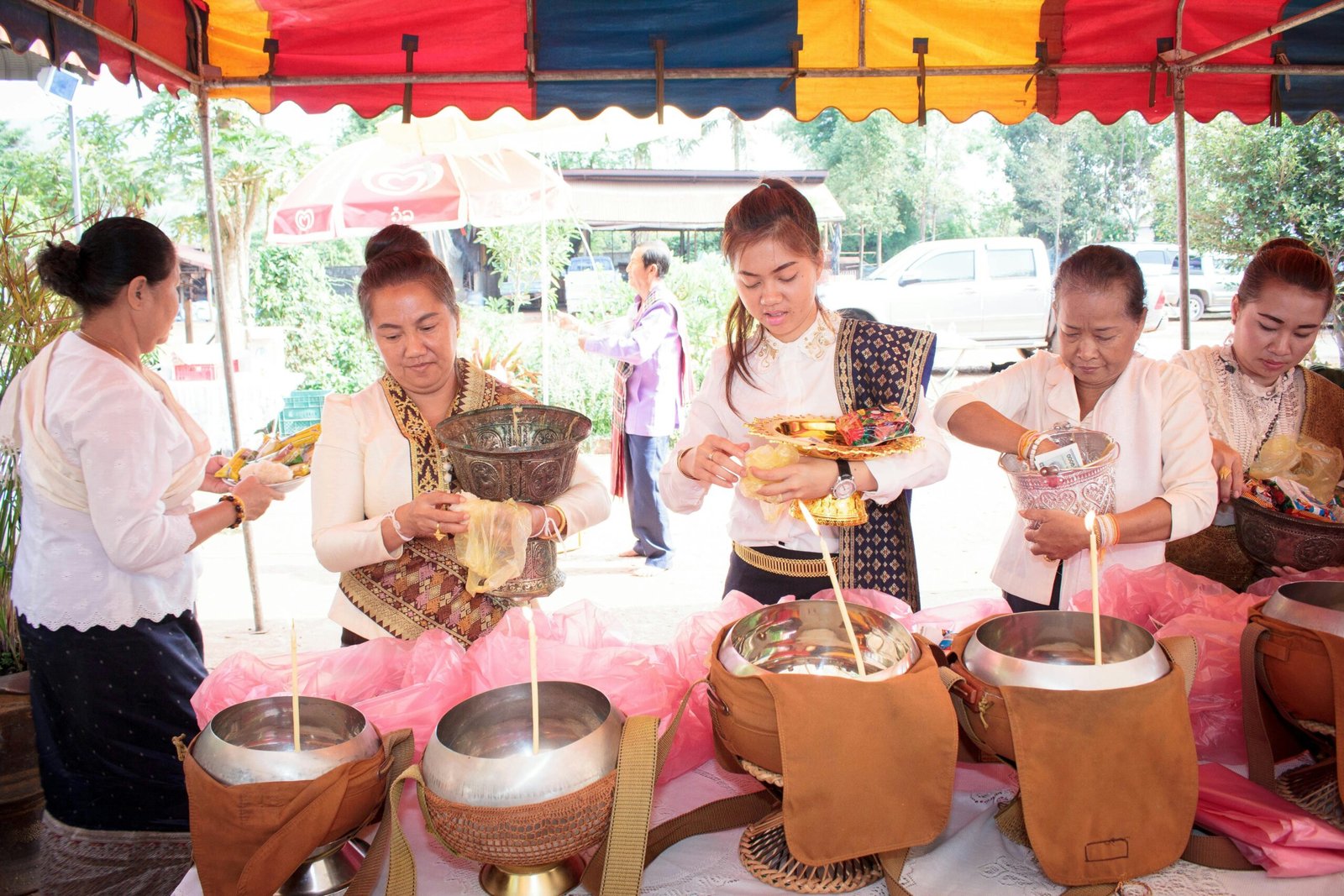
The early morning tak bat ritual demonstrates humility and generosity. Monks walk barefoot through towns to collect food from residents. Visitors may observe or respectfully participate by dressing conservatively and remaining silent.
Moreover, avoiding intrusive photography or disruptive behavior preserves the sacred atmosphere of this ritual.
Dress Code and Local Clothing Customs
Everyday Dress Norms
Lao society values modest, neat clothing. While casual outfits are acceptable in cities, revealing attire can be disrespectful. Dressing appropriately helps visitors gain warmth and courtesy from locals.
Traditional Lao Clothing
Traditional garments remain important during ceremonies, festivals, and formal events. Women often wear a sinh, a handwoven silk skirt reflecting regional identity, paired with a blouse. Men may wear traditional shirts or formal attire for special occasions.
Wearing traditional clothing as a guest signals cultural appreciation and respect.

Dining Etiquette and Food Customs
Communal Meals and Sticky Rice Culture
Meals often serve as social bonding in Laos. Sticky rice, the staple food, is eaten by hand, rolled into small balls, and dipped into shared dishes. This practice emphasizes generosity and togetherness.
Additionally, meals balance spicy, sour, salty, and savory flavors, reflecting Lao culinary traditions.
Table Manners
Wait for elders or hosts to begin eating. Taking modest portions and finishing your food shows respect. Furthermore, thanking hosts and complimenting meals demonstrates polite behavior in Lao homes.
Family Values and Social Structure
Respect for Elders
Family remains central in Lao culture. Elders guide decisions and receive deference from younger members. This respect extends beyond the household, influencing workplaces and community interactions.
Gender Roles
Although traditional gender roles persist, urban areas show evolving dynamics. Women often manage households and finances, while men focus on external work. Modern society increasingly provides equal educational and professional opportunities.
Festivals and Cultural Celebrations
Lao New Year (Boun Pi Mai)
Boun Pi Mai, celebrated in April, is Laos’ most important festival. People splash water, visit temples, and participate in cultural performances. Water symbolizes purification, renewal, and good luck.
Visitors may participate respectfully, avoiding excessive or disrespectful behavior.
Religious and Village Festivals
Other festivals, including Boun That Luang and local agricultural celebrations, highlight the strong link between spirituality and community. Moreover, participating respectfully allows visitors to witness the depth of Lao traditions.
Business Etiquette
Business culture in Laos emphasizes trust and relationship-building. Meetings often begin with casual conversation before addressing business matters. Decisions take time because hierarchy and consensus are important.
Additionally, offering small, thoughtful gifts with both hands shows respect and strengthens professional relationships.
Cultural Taboos
Avoid touching heads, as the head is considered sacred. Feet are viewed as impure, so do not point them at people or religious objects. Public displays of affection are discouraged, especially in rural areas. Following these norms preserves social harmony.
Differences Between Rural and Urban Customs
Rural areas follow more traditional customs, with life centered on agriculture, religion, and family. Urban centers adapt to modern influences but retain core cultural values. Therefore, observing behavior and adjusting accordingly demonstrates cultural sensitivity.
FAQs About Local Customs in Laos
What is the most important local custom?
Respect elders, monks, and traditions above all else.
Can foreigners join Lao cultural practices?
Yes, foreigners can participate respectfully in many traditions and festivals.
Is tipping expected in Laos?
Tipping is not required but is appreciated in tourist areas.
How should visitors behave in temples?
Dress modestly, remove shoes, speak quietly, and follow temple rules.
Final Thoughts on Local Customs in Laos
Observing local customs in Laos enriches travel and life experiences. These traditions emphasize respect, spirituality, and community harmony.
By following local etiquette, dressing modestly, respecting Buddhist practices, and participating in festivals appropriately, visitors build meaningful connections and enjoy an authentic experience in Laos.
Now that you’ve discovered the rich local customs in Laos, explore our other travel guides and business tips to make your journey or investment in Southeast Asia even more rewarding. READ HERE!


🌏 Travel Tip of the Day:
When you visit temples and villages, please be sure to dress conservatively.
🌏 Photo of the Day:
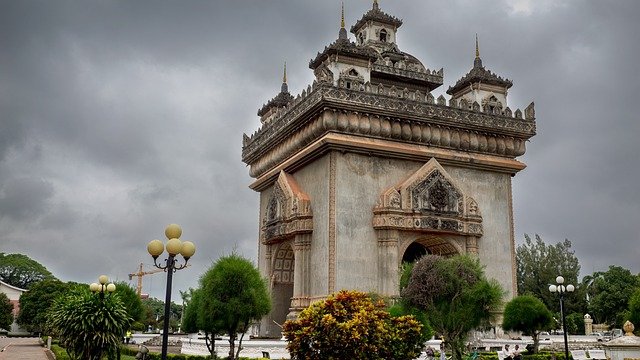
Patuxai in Vientiane, Laos