Myanmar, also known as Burma, is a country deeply rooted in tradition, spirituality, and community values. Understanding local customs in Myanmar is essential for travelers, expatriates, business professionals, and anyone interested in Burmese culture. These customs influence daily life, social interactions, religious practices, and even how people dress and communicate.
This comprehensive guide explores Myanmar’s cultural norms, etiquette, and traditions in detail to help you navigate the country respectfully and confidently.
Understanding Myanmar Culture and Values
Myanmar culture is shaped by centuries of Buddhist teachings, monarchy, colonial history, and strong family ties. Respect, humility, and harmony are central values in Burmese society.
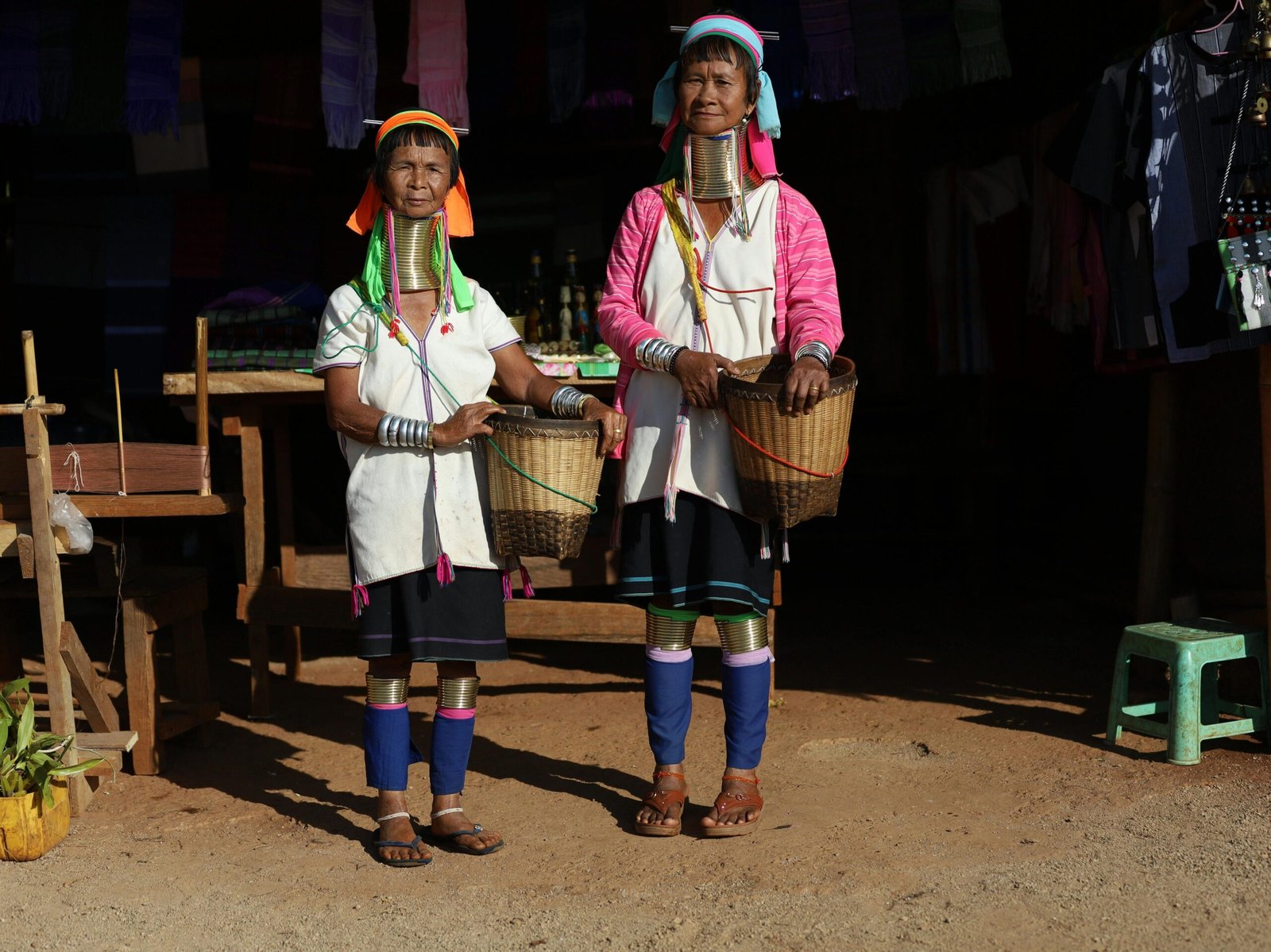
The Importance of Buddhism in Daily Life
Theravada Buddhism plays a vital role in shaping local customs in Myanmar. Approximately 90 percent of the population practices Buddhism, and its teachings influence behavior, ethics, and social norms.
Buddhism emphasizes:
- Respect for elders and monks
- Modesty in behavior and appearance
- Calmness and patience
- Avoidance of confrontation or public displays of anger
You will often see people visiting pagodas, offering food to monks, and participating in merit-making activities such as donations and volunteer work.
Community and Family-Oriented Society
Myanmar society places strong importance on family and community. Decisions are often made collectively, and people value cooperation over individualism. Elders are highly respected, and younger people are expected to show obedience and politeness.
Greetings and Social Etiquette in Myanmar
Understanding how to greet people properly is one of the most important aspects of local customs in Myanmar.
Traditional Greetings
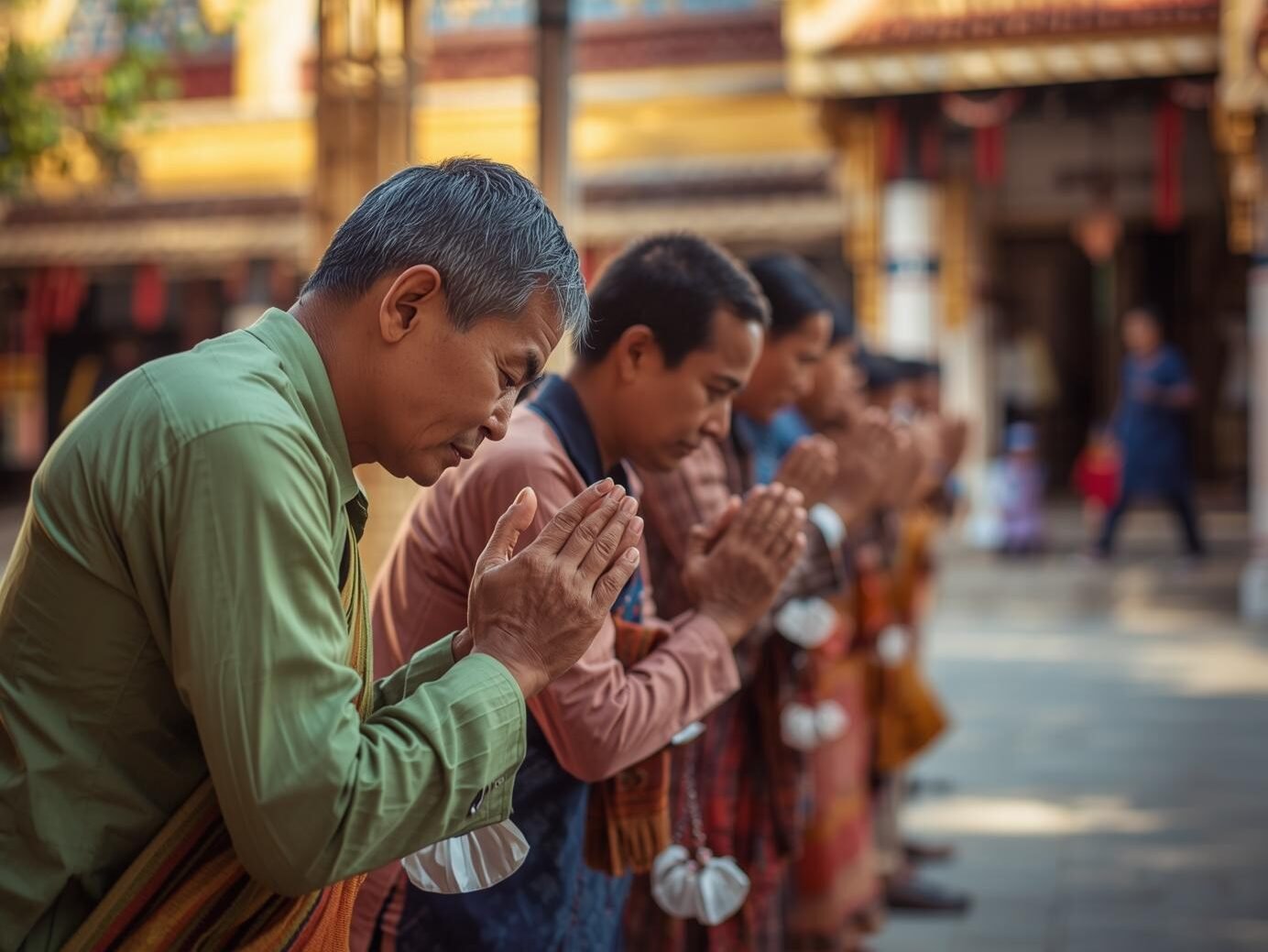
Unlike Western cultures, handshakes are not always common in Myanmar, especially in rural areas. A polite smile and a slight bow of the head are widely accepted greetings.
Common greeting practices include:
- Saying “Mingalaba,” which means hello or good wishes
- Avoiding physical contact unless initiated by the other person
- Using respectful titles when addressing elders or professionals
Showing Respect with Body Language
Body language is extremely important in Burmese culture. Certain gestures may be considered disrespectful.
Key etiquette rules include:
- Avoid touching someone’s head, as it is considered sacred
- Do not point your feet at people, Buddha images, or religious objects
- Sit with your feet tucked behind you when possible
- Use your right hand or both hands when giving or receiving items
Religious Customs and Temple Etiquette
Visiting pagodas and temples is an essential cultural experience in Myanmar. However, proper etiquette must always be observed.
Dress Code for Religious Sites
Modest clothing is required when entering temples and pagodas. This applies to both men and women.
Appropriate attire includes:
- Covered shoulders
- Long skirts, trousers, or longyi below the knees
- No tight or revealing clothing
Visitors must remove shoes and socks before entering religious compounds.
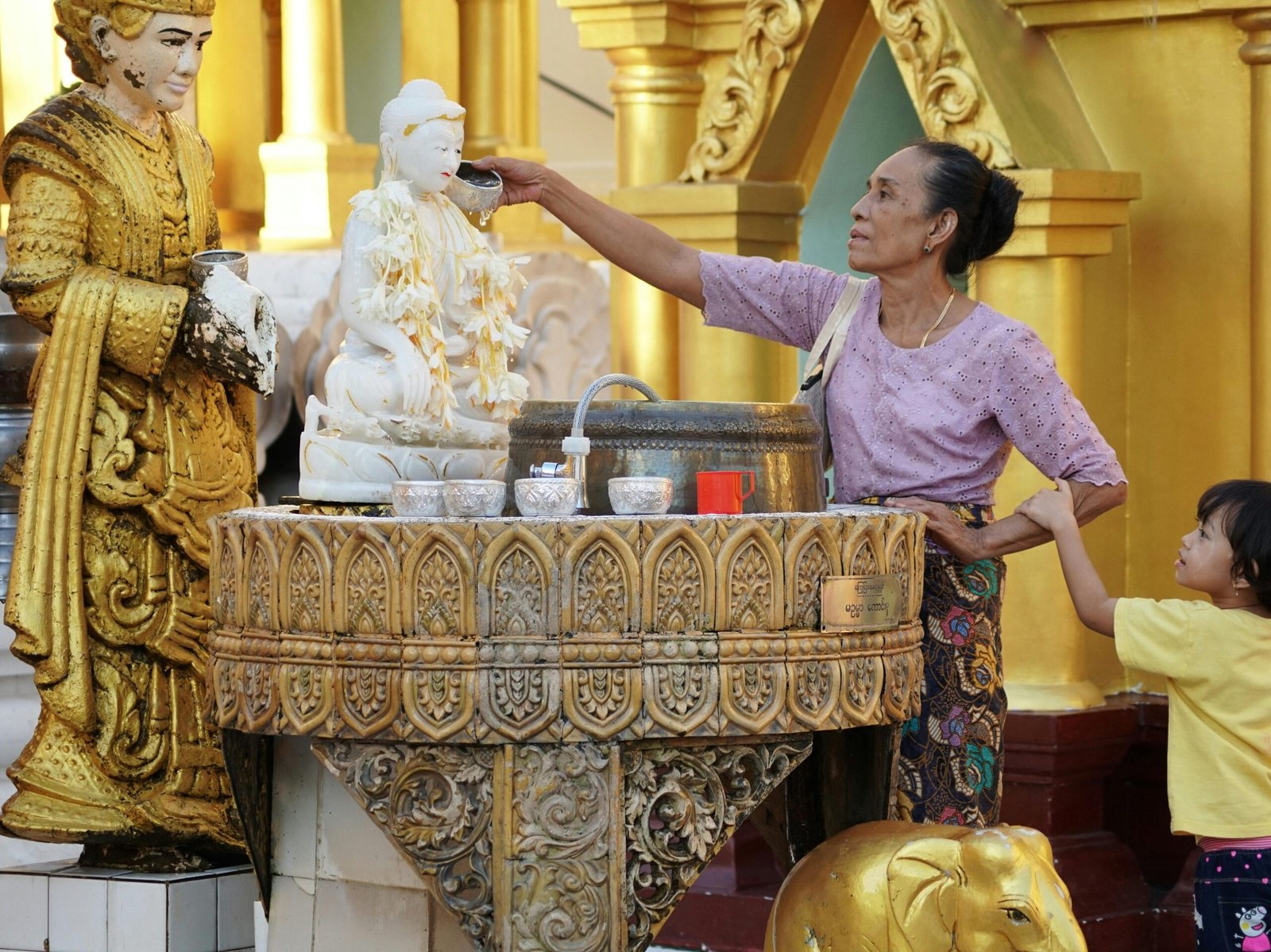
Behavior Inside Pagodas
Inside temples, silence and respectful behavior are expected.
Important reminders:
- Do not climb or sit on religious structures
- Avoid turning your back directly to Buddha images when sitting
- Do not take inappropriate photos, especially of people praying
- Women should not touch monks or hand items directly to them
Traditional Clothing and Appearance
Traditional attire remains widely worn in Myanmar, especially outside major cities.
The Longyi
The longyi is a traditional wraparound garment worn by both men and women. It is comfortable, practical, and suitable for Myanmar’s tropical climate.
Men typically wear darker or checkered longyi, while women prefer colorful or patterned designs. Wearing a longyi is seen as respectful and culturally appropriate.
Thanaka: A Cultural Symbol
Thanaka is a traditional cosmetic paste made from tree bark, commonly applied to the face. It is used for beauty, sun protection, and cooling the skin.
You will often see children and women wearing thanaka, especially in rural areas. It is an iconic symbol of Myanmar culture.
Food Culture and Dining Etiquette
Food plays an important role in social interactions and hospitality.
Sharing Meals in Myanmar
Meals in Myanmar are often shared, with several dishes placed in the center of the table. Rice is the staple food, accompanied by curries, soups, vegetables, and fermented dishes.
Dining customs include:
- Waiting for elders to begin eating first
- Using the right hand when eating without utensils
- Accepting food offerings as a sign of respect
Common Burmese Dining Practices
In traditional settings, people may sit on the floor while eating. It is polite to eat modestly and avoid wasting food.
Tea shops are popular social spaces where people gather to eat, drink tea, and socialize. These shops play an important role in daily life and community bonding.
Festivals and Celebrations in Myanmar
Myanmar is known for its colorful festivals, which are closely tied to the Buddhist calendar.
Thingyan Water Festival
Thingyan, the Burmese New Year festival, is the most famous celebration in Myanmar. It usually takes place in April and involves water splashing, music, and public festivities.
Beyond the fun, Thingyan has religious significance, symbolizing purification and renewal.
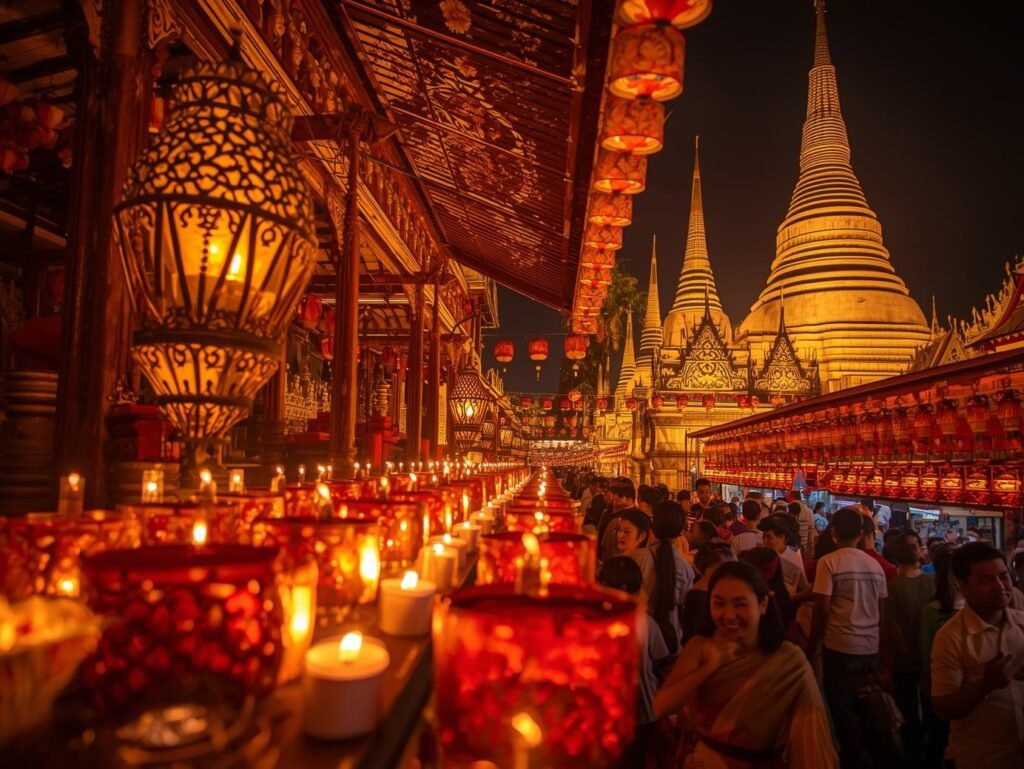
Thadingyut Festival of Lights
Thadingyut marks the end of Buddhist Lent and is celebrated with lights, candles, and offerings. People pay respect to elders and teachers during this time.
Other Important Festivals
Other notable festivals include:
- Tazaungdaing Festival
- Waso Robe Offering Ceremony
- Pagoda festivals held throughout the year
Participating in festivals is a great way to experience local customs in Myanmar firsthand.
Communication Style and Social Behavior
Myanmar people value politeness, emotional control, and indirect communication.
Polite and Indirect Speech
People usually avoid direct confrontation. Instead, they express disagreement gently to maintain harmony and save face.
Common traits include:
- Soft-spoken voices
- Frequent smiling
- Avoidance of public criticism
Because of this, patience and understanding help build better relationships.
Respect for Hierarchy
Teachers, monks, elders, and leaders receive deep respect. In conversations, people often speak carefully and formally to show deference.
Business Etiquette in Myanmar
Understanding professional customs helps create successful working relationships.
Professional Conduct
Business culture in Myanmar emphasizes trust and long-term relationships. Meetings often begin with casual conversation before discussing work.
Key business practices include:
- Dressing conservatively
- Exchanging business cards with both hands
- Avoiding aggressive negotiation
- Showing patience during discussions
Relationship Building First
Rather than focusing solely on contracts, people value personal connections. Therefore, taking time to build trust leads to better long-term outcomes.
Do’s and Don’ts in Myanmar Culture
Do’s
- Show respect to monks and elders
- Dress modestly in public places
- Remove shoes when required
- Learn simple Burmese phrases
Don’ts
- Touch religious items casually
- Display anger in public
- Point feet at people or sacred objects
- Discuss sensitive political topics openly
FAQs About Local Customs in Myanmar
What cultural value matters most in Myanmar?
Respect for Buddhism, elders, and social harmony matters most in Myanmar culture.
Can foreigners wear traditional clothing?
Yes, foreigners may wear longyi and traditional clothing respectfully and appropriately.
Are public displays of affection acceptable?
Public affection is limited. Holding hands may be acceptable, but kissing or hugging in public is discouraged.
How should visitors behave in Burmese homes?
Visitors should remove shoes, bring a small gift, and show respect to elders. Accepting food politely shows appreciation.
Is Myanmar culture formal or relaxed?
Myanmar culture feels warm and welcoming, yet it remains formal when it comes to respect, religion, and hierarchy.
Final Thoughts on Local Customs in Myanmar
Local customs in Myanmar reflect a society built on respect, spirituality, and community. By understanding these traditions, visitors and professionals can engage more meaningfully with Burmese people and culture.
Whether you visit Myanmar for travel, work, or study, cultural awareness enhances every interaction. Ultimately, showing respect for local customs opens doors to genuine hospitality and unforgettable experiences in this culturally rich country.ally rich nation.
If you found this guide helpful, explore our travel and business articles for insider tips, destination highlights, and practical insights to help you travel smarter or succeed in your next venture. Read HERE!


🌏 Photo of the Day