
🌏 Introduction: Why Understanding Vietnamese Customs Matters
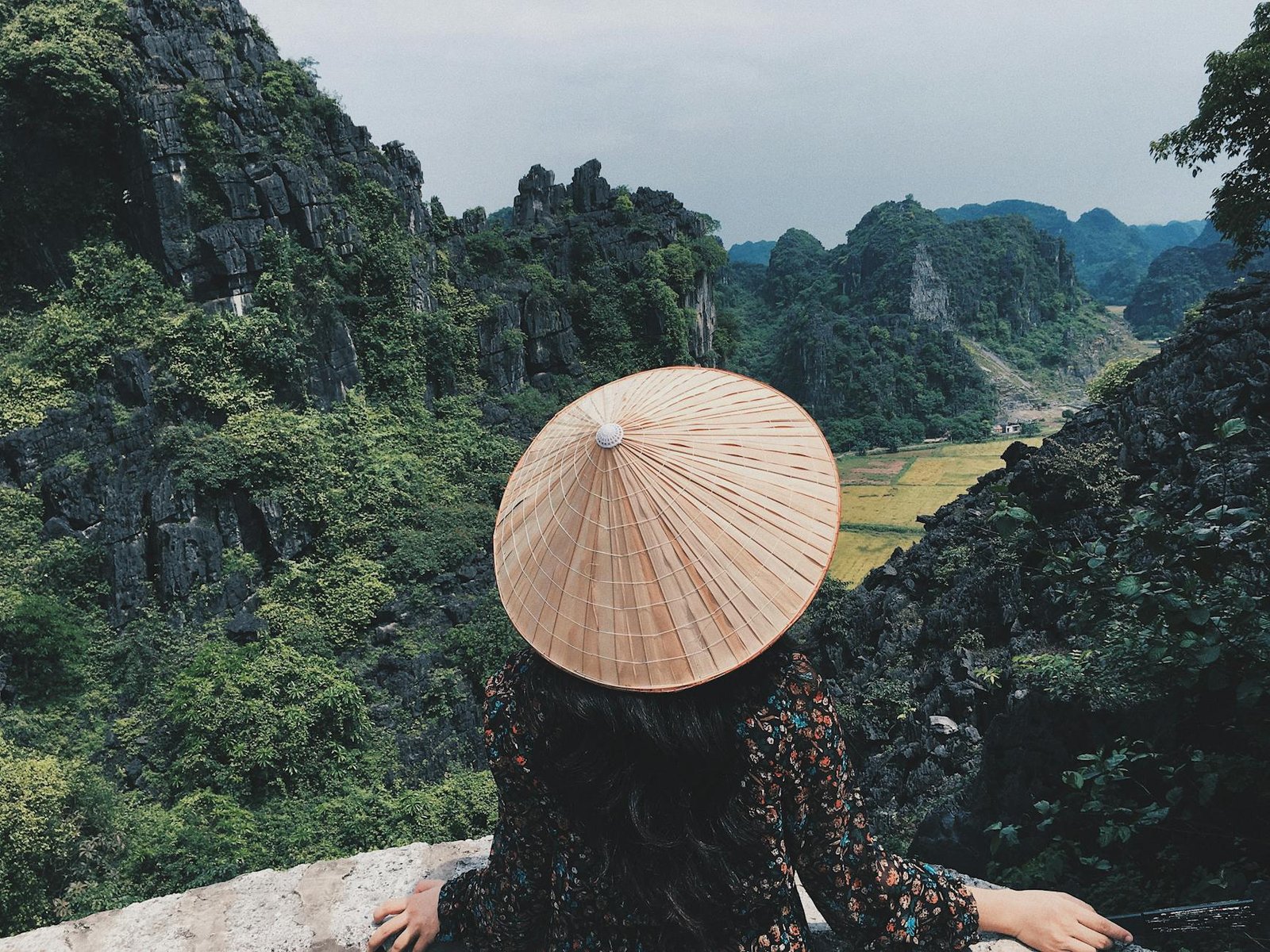
Vietnam is one of Southeast Asia’s most fascinating countries — a vibrant blend of ancient traditions, Confucian values, and modern energy. From the bustling streets of Hanoi to the floating markets of the Mekong Delta, every corner of Vietnam reflects its deep respect for family, community, and culture.
For travelers, expats, or business visitors, understanding local customs in Vietnam is more than just good manners — it’s the key to forming genuine connections and showing respect to the people who call this beautiful country home.
🙏 1. Greetings and Communication: Respect Comes First
In Vietnam, respect and hierarchy play a major role in daily interactions. How you greet someone depends on their age, social status, and relationship to you.
👋 How to Greet:
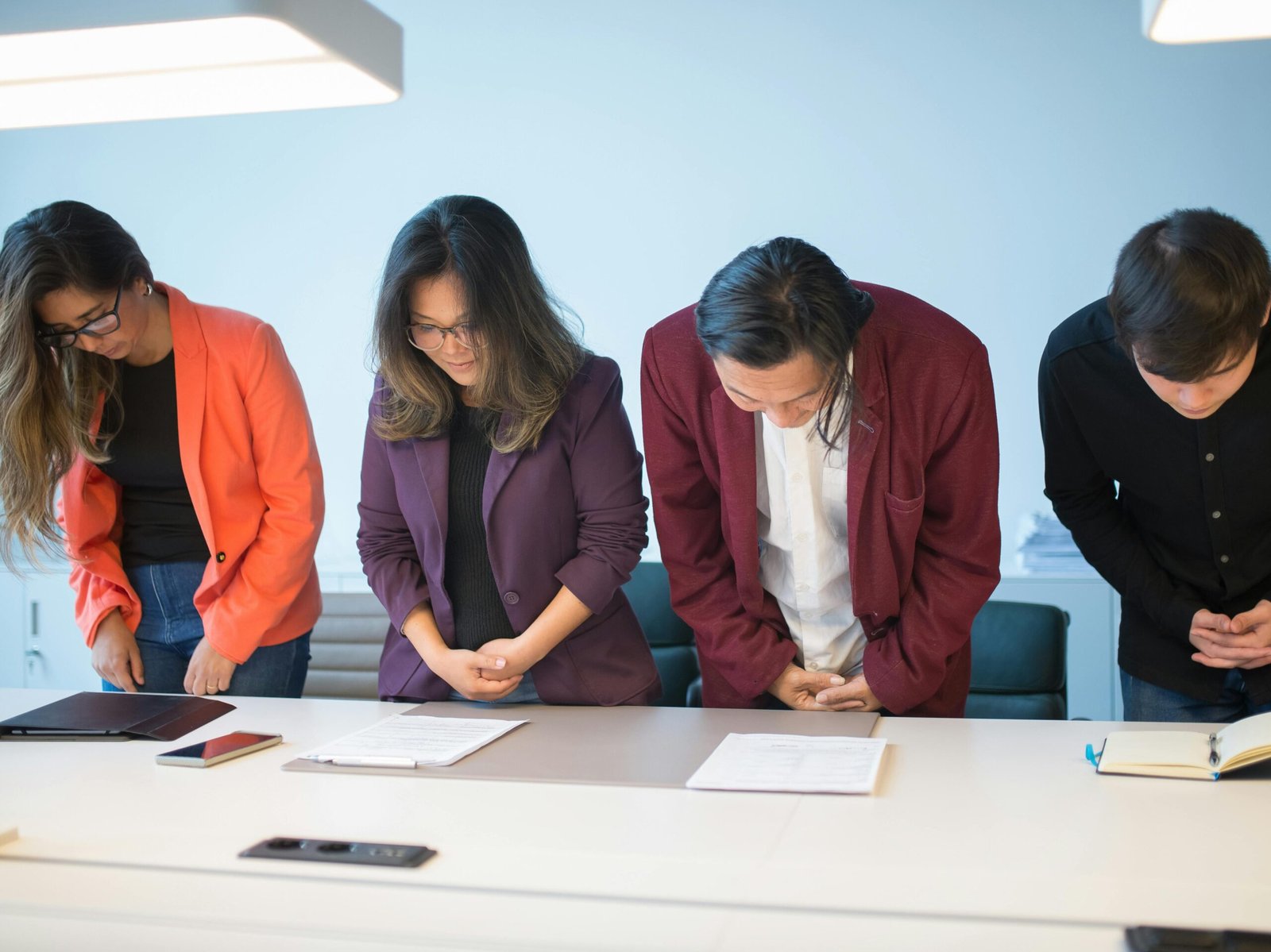
- The traditional greeting is a slight bow with hands by your sides or a handshake (for men).
- When greeting an older person, it’s polite to bow your head slightly.
- Always greet the oldest or most senior person first in a group.
💬 Forms of Address:
Vietnamese people often address others by using family terms rather than names.
For example:
- Anh – older brother (used for men slightly older)
- Chị – older sister (used for women slightly older)
- Em – younger sibling (used for someone younger)
This reflects the family-oriented nature of Vietnamese society and the deep-rooted Confucian emphasis on hierarchy.
🍚 2. Dining Etiquette: Meals Are About Harmony and Sharing
Food is at the heart of Vietnamese culture, and sharing a meal is an important social act. Whether you’re eating in a street-side noodle shop or invited into someone’s home, following basic dining etiquette will earn you instant respect.
🍜 Key Dining Customs:
- Wait to be invited to sit before taking a seat.
- The oldest person eats first, followed by others.
- Always use both hands when passing dishes or receiving items.
- It’s polite to leave a little food in your bowl — finishing everything can suggest you’re still hungry.
- Never stick chopsticks upright in your rice — it resembles incense offerings at funerals.
🥢 Chopstick Etiquette:
Chopsticks are used for nearly every meal.
Avoid pointing them at others, tapping them on bowls, or passing food directly from chopstick to chopstick — all are considered bad manners.
🎎 3. Family Values and Respect for Elders
Family is the cornerstone of Vietnamese society. Multi-generational households are common, and elders are deeply respected as sources of wisdom and guidance.
👨👩👧 Cultural Norms:
- Children are taught from a young age to respect and obey their parents.
- Important decisions often involve the input of older family members.
- During Tết (Lunar New Year), young people visit their elders to offer well wishes and receive lì xì (red envelopes containing lucky money).
If you visit a Vietnamese home, a simple gesture like bringing fruit, sweets, or tea as a gift shows appreciation and good manners.
🎆 4. Celebrations and Festivals: A Year of Meaningful Traditions
Vietnamese culture is rich with festivals that reflect centuries-old customs, spiritual beliefs, and agricultural rhythms.
🌸 Tết (Vietnamese Lunar New Year):
Tết is Vietnam’s most important holiday, marking the arrival of spring and the new lunar year. Families reunite, clean and decorate their homes, and pay respects to ancestors.
Visitors should avoid giving gifts in black or white wrapping (these colors symbolize mourning) and should avoid visiting on the first morning unless invited.
🕯️ Mid-Autumn Festival (Tết Trung Thu):
Held in the eighth lunar month, this festival celebrates the harvest and children’s happiness. Streets fill with lanterns, mooncakes, and dragon dances.
🕊️ Hung Kings’ Temple Festival:
A national holiday honoring Vietnam’s legendary founders — the Hùng Kings. It’s a time of remembrance and national pride.
🏠 5. Visiting Homes and Temples: Politeness is Paramount
🏡 When Visiting a Vietnamese Home:
- Remove your shoes before entering.
- Bring a small gift (such as fruit, tea, or flowers).
- Complimenting the home or meal is always appreciated.
- Avoid touching a child’s head — it’s considered a sacred part of the body.
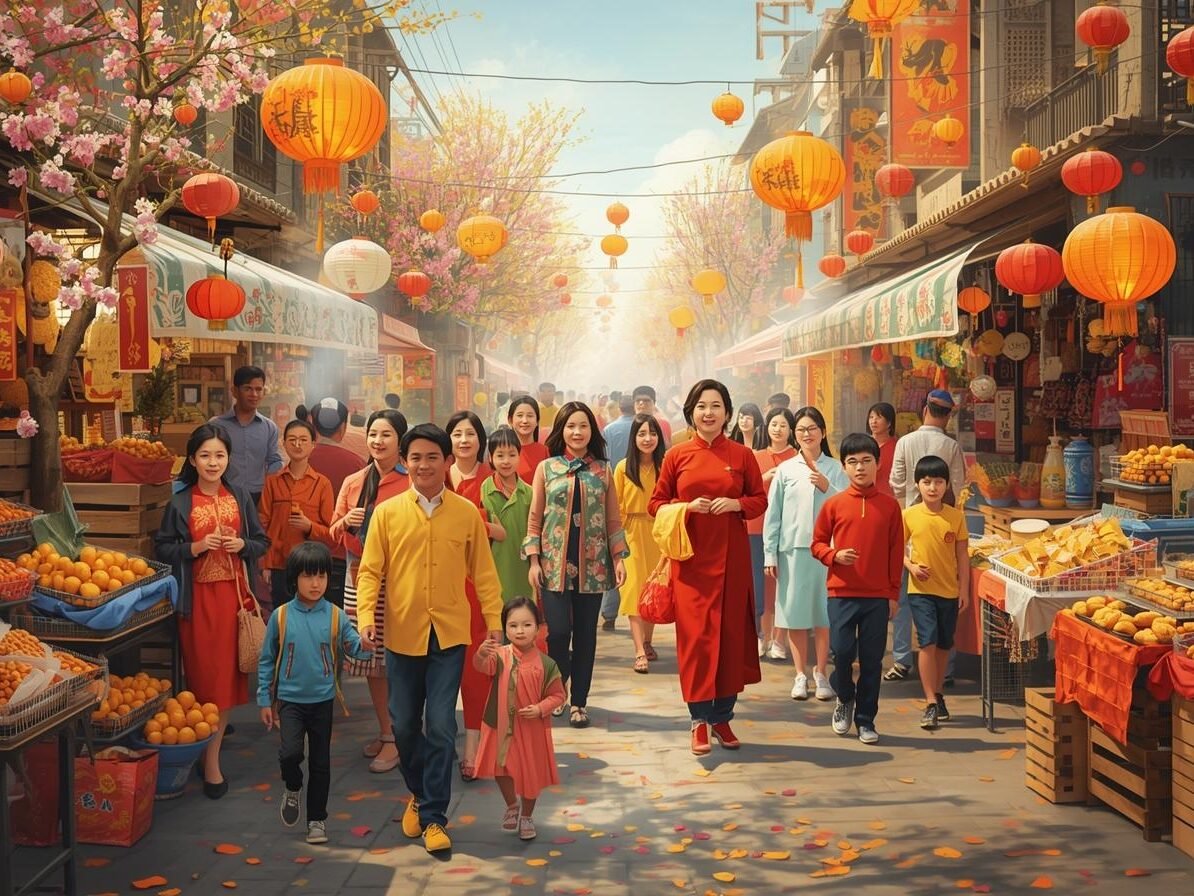
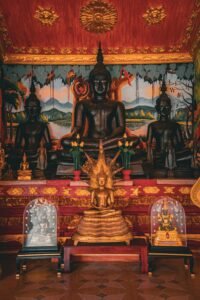
🛕 When Visiting Temples or Pagodas:
- Dress modestly — cover shoulders and knees.
- Remove hats and shoes before entering sacred areas.
- Keep your voice low and avoid taking photos of monks or altars without permission.
- When offering incense, do so with both hands and bow slightly in respect.
💼 6. Business Etiquette in Vietnam
Vietnam’s economy is booming, and business meetings often blend traditional customs with modern professionalism.
💡 Key Points to Remember:
- Always exchange business cards with both hands.
- Begin meetings with polite small talk about family or local culture before discussing business.
- Avoid overly direct communication — Vietnamese culture values subtlety and harmony.
- Gift-giving is common in business, but avoid anything too expensive or wrapped in black or yellow.
Patience is essential — decisions are often made through consensus and senior approval, not quickly or individually.
❤️ 7. Social Etiquette and Public Behavior
Vietnamese people are friendly, hospitable, and proud of their culture — but modesty and respect for others are highly valued.
🚫 What to Avoid:
- Public displays of affection (kissing, hugging) are seen as inappropriate in many areas.
- Raising your voice or losing your temper causes loss of face for both parties.
- Pointing with your finger or touching someone’s head is disrespectful.
✅ What to Do Instead:
- Smile often — it’s the universal Vietnamese greeting.
- Use your whole hand to gesture.
- Be humble when complimented — modesty is a virtue.
🕊️ 8. Religion and Spirituality in Daily Life
Vietnam is home to a blend of Buddhism, Confucianism, Taoism, and ancestor worship. Even if people don’t attend temples regularly, most homes have an ancestral altar where offerings are made to honor deceased relatives.
When you see incense burning or food offerings at doorsteps or shrines, it’s a sign of respect — avoid stepping over or touching them.
🎨 9. Dress Code and Cultural Sensitivity
Vietnamese dress is conservative, especially in rural areas.
When visiting temples, schools, or official buildings:
- Wear modest clothing — shoulders and knees covered.
- Avoid flashy or overly revealing outfits.
- If you’re invited to a formal event, wear neat, clean, and respectful clothing.
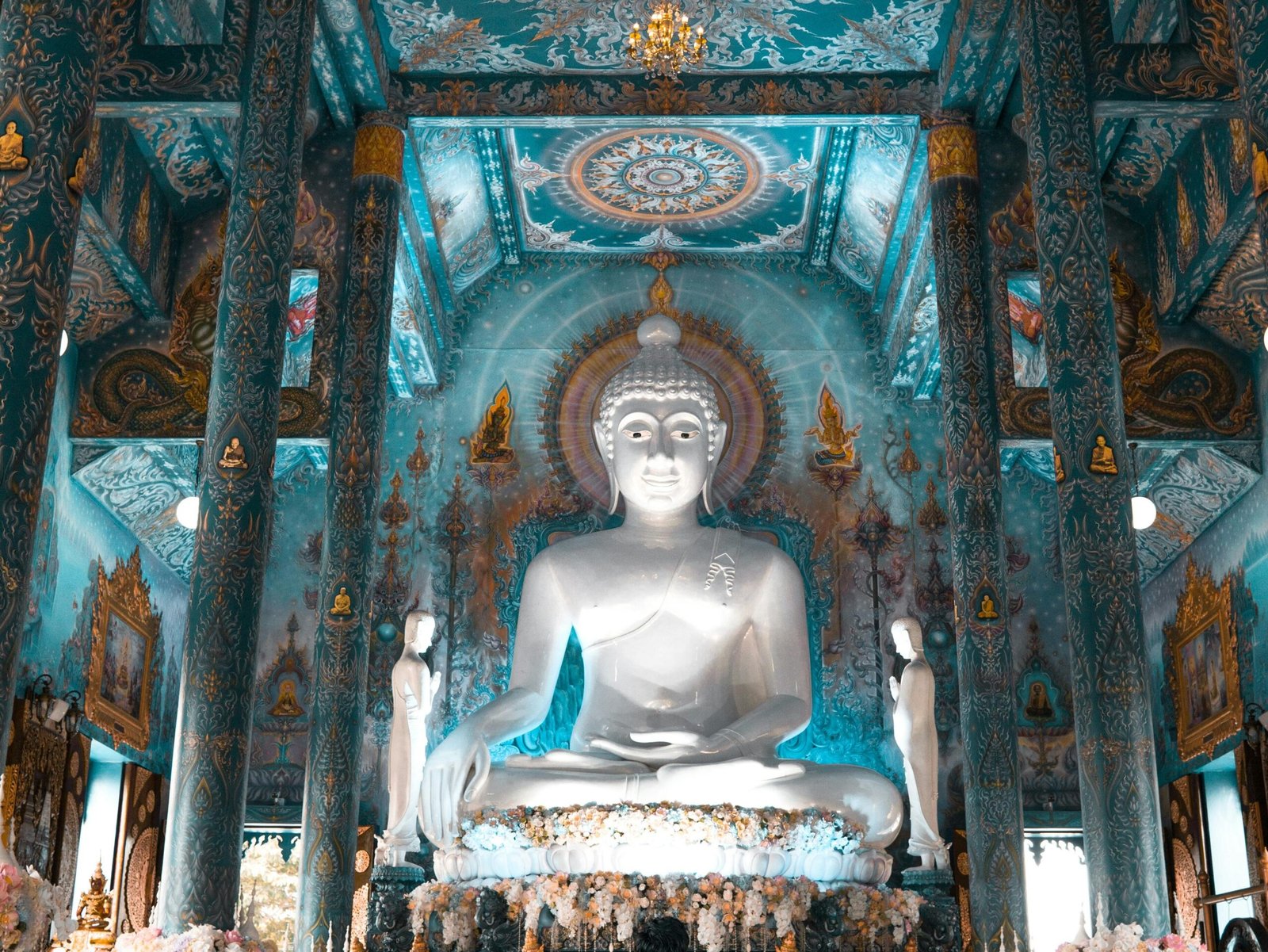
The traditional Áo Dài — Vietnam’s elegant long tunic worn over pants — remains a symbol of national pride and cultural beauty.
🌸 10. Final Thoughts: Embrace Vietnam with Respect and Curiosity
Understanding local customs in Vietnam opens doors — not just to authentic experiences, but to genuine friendships.
From sharing a humble bowl of Phở to celebrating Tết with new friends, every moment becomes more meaningful when you approach it with respect, patience, and an open heart.
As the Vietnamese saying goes:
“Nhập gia tùy tục” — “When in a house, follow its customs.”
So whether you’re visiting for a few weeks or staying long-term, let this principle guide your journey through Vietnam’s rich and welcoming culture.
Planning a getaway in Vietnam? Then this guide is for you “Vung Tau, Vietnam — The Perfect Weekend Escape from Ho Chi Minh City“



🌏 Photo of the Day
I went to the outdoor restaurant near Hat Yai airport the other day. I was having some food and drinks. When I looked down, I noticed a scorpion not too far from my foot.

🌏 Travel Tip of the Day
Use a taxi-hailing app. The major ones are Grab, Bolt, Maxim and Gojek. These are legit companies and you will know what your fare will be ahead of time. No need to haggle with a driver who doesn’t want to use the meter and give you a fixed fare to your location.


Pingback: Festivals in Vietnam: A Complete Guide to Culture, Traditions, and Celebrations - Living in Southeast Asia
Pingback: Transportation in Vietnam: A Complete Guide for Travelers and Expats - Living in Southeast Asia