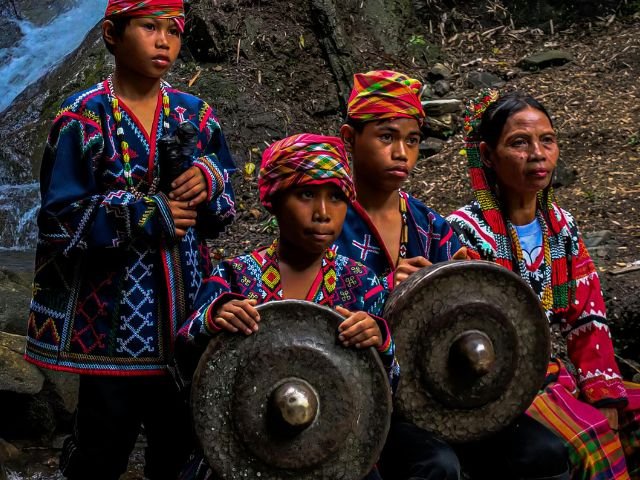
Music in the Philippines reflects the country’s vibrant history, diverse cultures, and deep emotional expression. From ancient tribal chants to Spanish-influenced folk songs, and from powerful ballads to modern pop hits, Filipino music continues to evolve while staying rooted in tradition. Music plays a central role in daily life, celebrations, worship, and storytelling, making it an essential part of Filipino identity.
This guide explores the origins, genres, instruments, and modern trends that shape music in the Philippines today, offering a complete look at why Filipino music resonates both locally and internationally.
The Historical Roots of Music in the Philippines
Music in the Philippines developed through centuries of cultural exchange. Indigenous communities created music long before colonization, using rhythm and melody to mark rituals, tell stories, and celebrate life events.
Pre-Colonial and Indigenous Music
Before foreign influence, Filipino tribes relied on vocal music and percussion instruments. Songs often accompanied rituals, healing ceremonies, harvest celebrations, and courtship traditions. These musical forms emphasized rhythm, repetition, and storytelling rather than harmony.
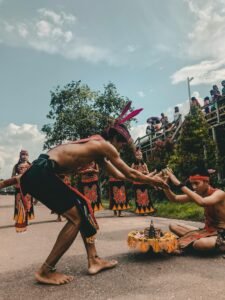
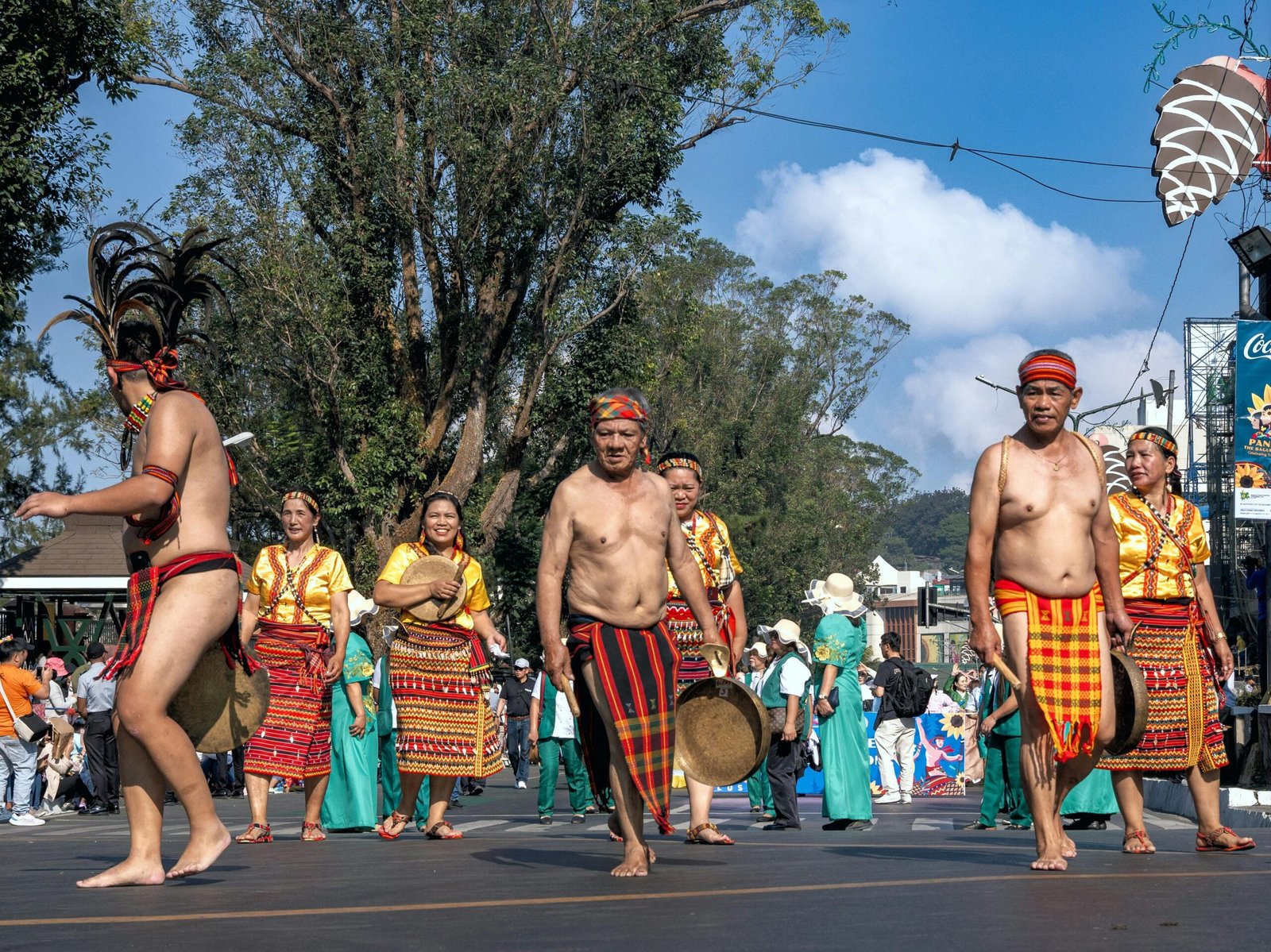
Indigenous music remains alive today among groups such as the Ifugao, Mangyan, and T’boli, preserving ancient traditions passed down orally through generations.
Spanish Colonial Influence
Spanish colonization introduced Western musical structures, instruments, and religious music. Churches became centers of musical education, leading to the creation of hymns, choral pieces, and religious songs.
During this period, Filipinos adapted European styles into local forms. Genres such as kundiman and harana emerged, blending romantic themes with Filipino language and emotion. These styles became powerful tools for expressing love and, later, nationalism.
American and Modern Influences
The American period introduced jazz, blues, rock, and pop. Music education expanded through schools, while radio and television helped spread new genres across the country. This era laid the foundation for modern Filipino music, including Original Pilipino Music, widely known as OPM.

Traditional Music Genres in the Philippines
Traditional Filipino music varies by region, reflecting local history, language, and customs. Each genre offers insight into the values and experiences of its community.
Kundiman
Kundiman is a classical Filipino love song known for its emotional depth and poetic lyrics. While originally romantic, kundiman later became a symbol of patriotism during the struggle for independence. Its slow tempo and expressive melodies continue to influence modern ballads.
Harana
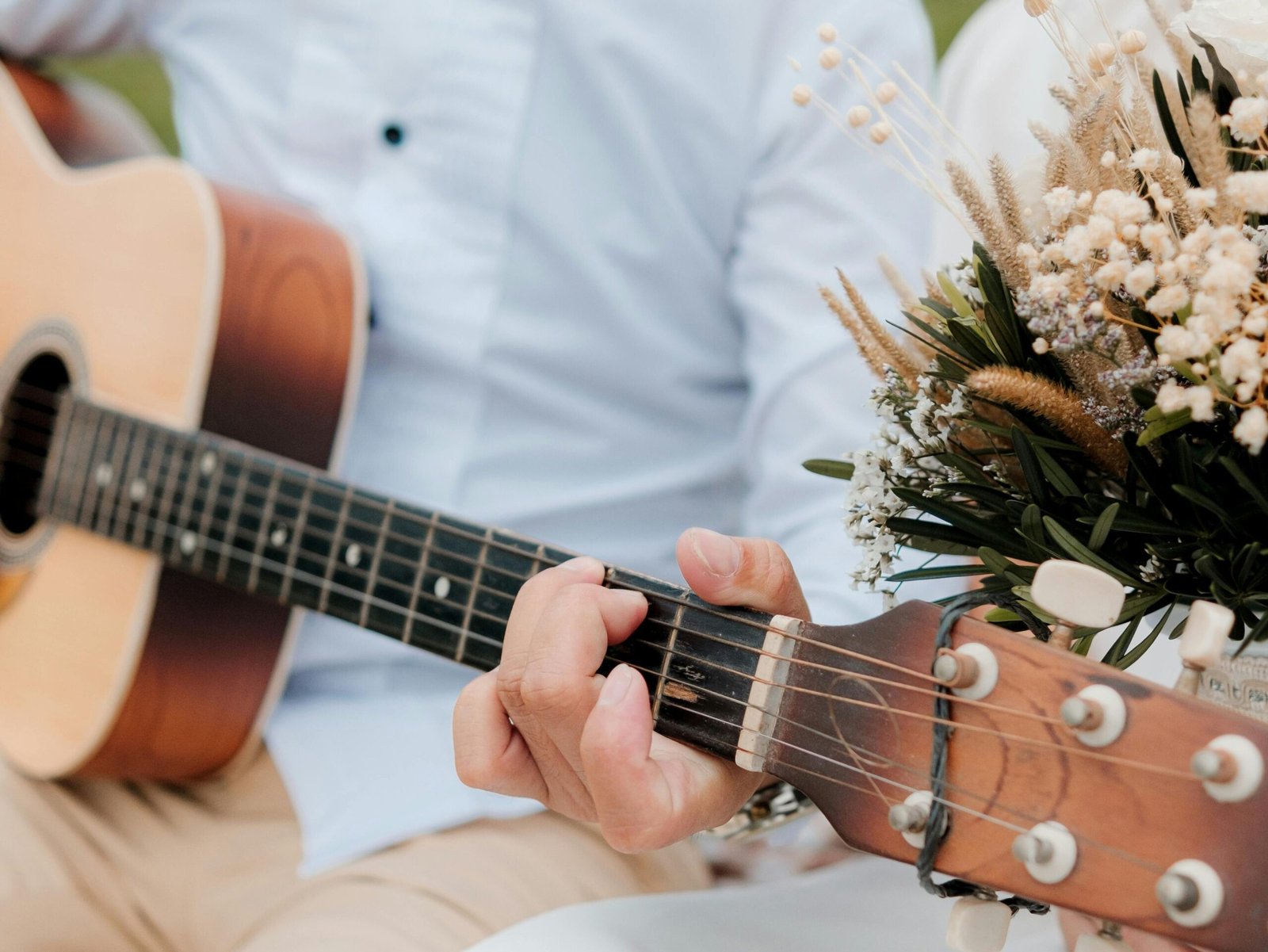
Harana is a traditional serenade performed by men to court women. Musicians often sing outside a woman’s home, accompanied by guitars. Although less common today, harana remains a symbol of old Filipino courtship and respect.
Folk Songs
Filipino folk songs tell stories of daily life, nature, work, and love. Popular examples include “Bahay Kubo,” “Leron Leron Sinta,” and “Paru-Parong Bukid.” These songs are often taught in schools, helping preserve cultural heritage among younger generations.
Indigenous Musical Instruments of the Philippines
Traditional instruments play a crucial role in Filipino music, especially in indigenous communities. Many of these instruments are handcrafted using local materials.
Percussion Instruments
Gongs dominate indigenous Filipino music. The kulintang, a set of graduated gongs, is widely used in Mindanao. It creates complex rhythmic patterns and is often played during celebrations and ceremonies.
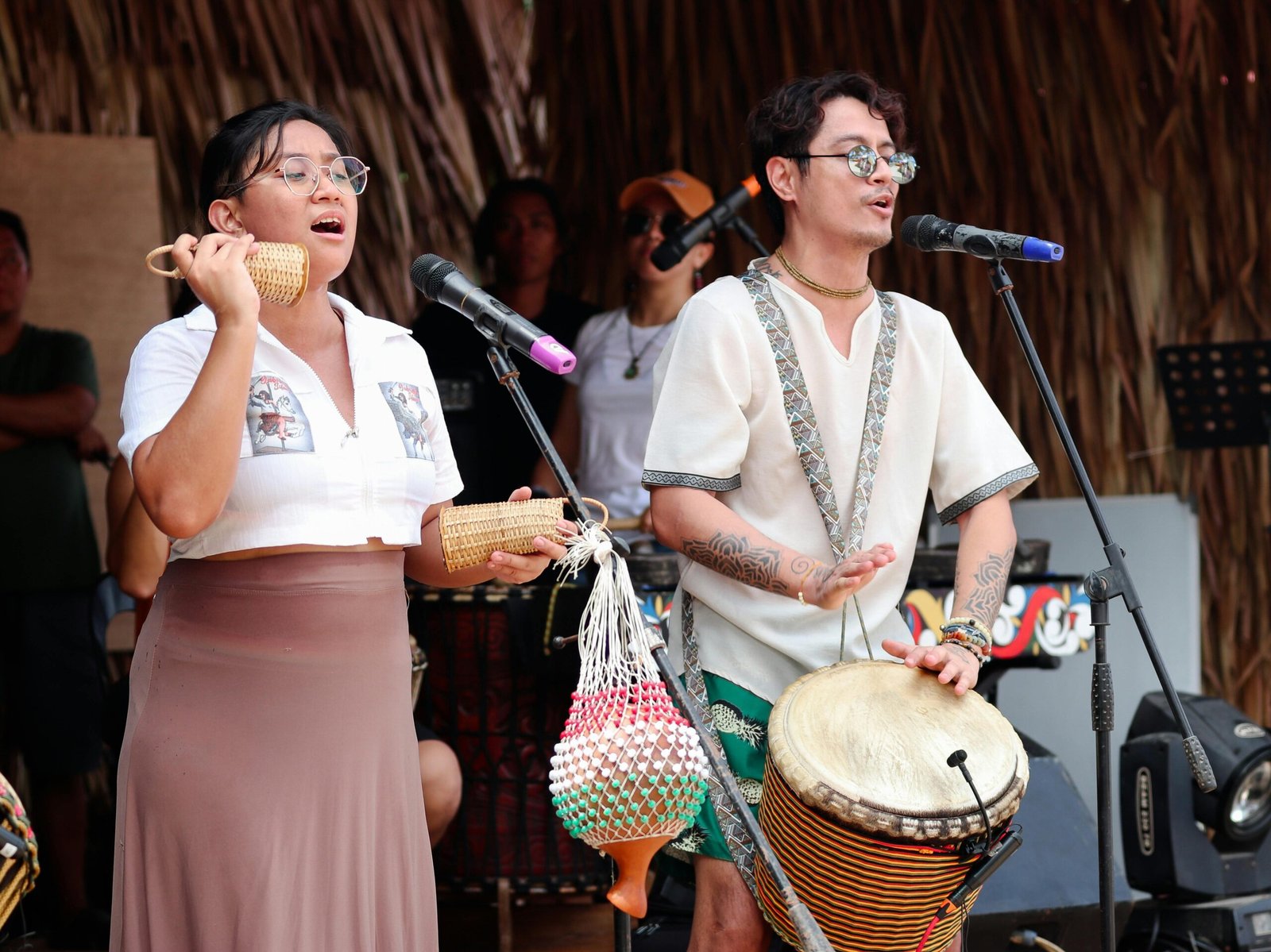
Drums such as the dabakan and agong add depth and power to performances, emphasizing rhythm over melody.
String and Wind Instruments
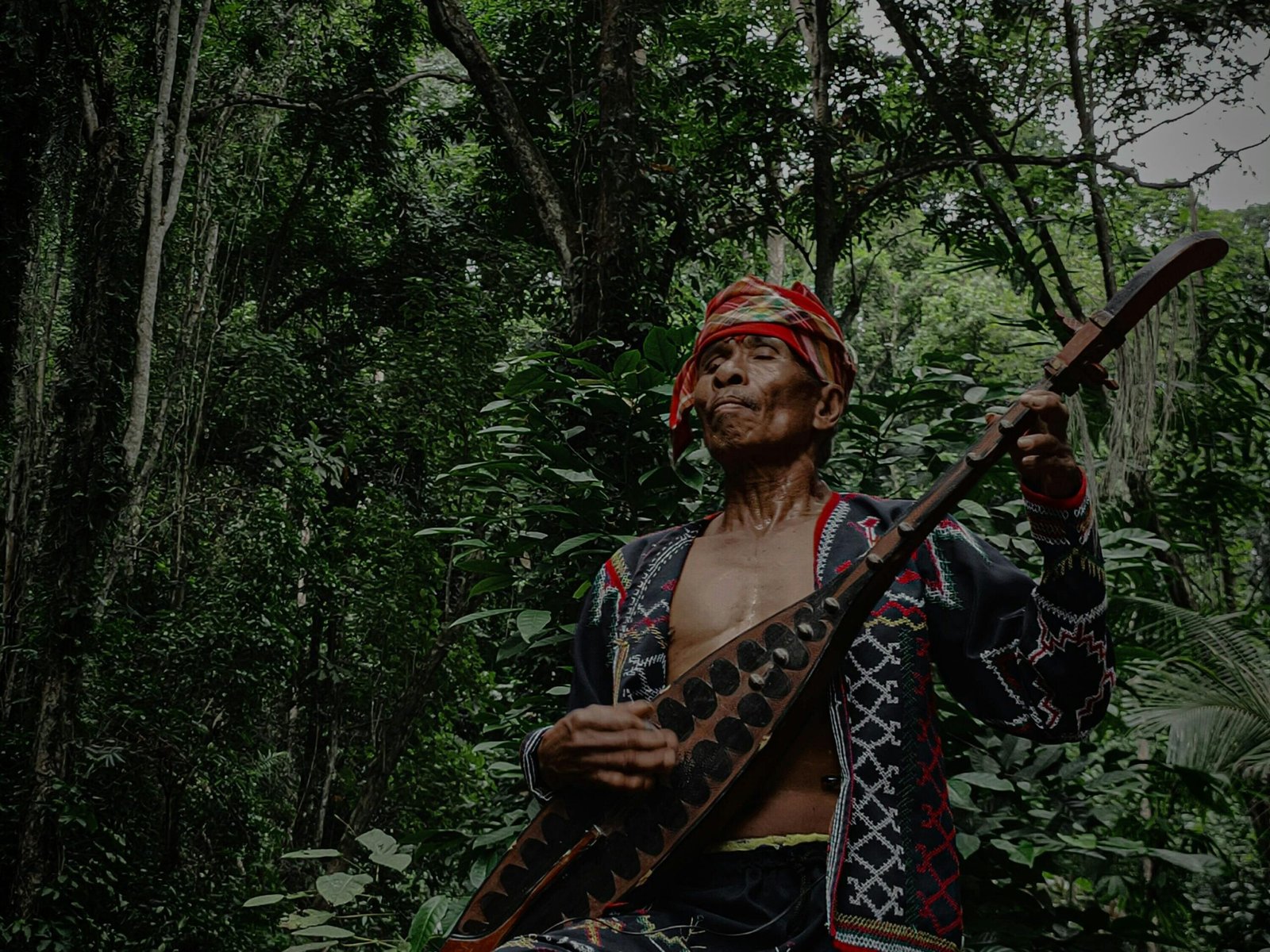
The kudyapi is a traditional two-stringed lute found in Mindanao. Bamboo flutes like the palendag and tongali produce soft, melodic sounds often associated with nature and storytelling.
These instruments highlight the close connection between Filipino music and the natural environment.
Original Pilipino Music (OPM) and Its Evolution
OPM refers to music composed and performed by Filipino artists, usually in Filipino or local languages, though English is also common. It represents the heart of modern music in the Philippines.
Rise of OPM
OPM gained popularity in the 1970s and 1980s as Filipino musicians began writing original songs rather than covering foreign hits. Artists used music to express love, social issues, and national identity.
This period produced iconic musicians whose songs remain popular today, shaping the sound of Filipino pop and rock music.
Modern OPM Genres
Today, OPM spans many genres, including pop, rock, hip-hop, R&B, indie, and folk-pop. Filipino artists blend global trends with local themes, creating music that feels both modern and deeply personal.
Indie music has also grown, supported by online platforms and live music venues. Independent artists now reach audiences without relying solely on major record labels.
The Role of Music in Filipino Culture
Music in the Philippines goes beyond entertainment. It plays a vital role in social life, traditions, and emotional expression.
Music in Celebrations and Festivals
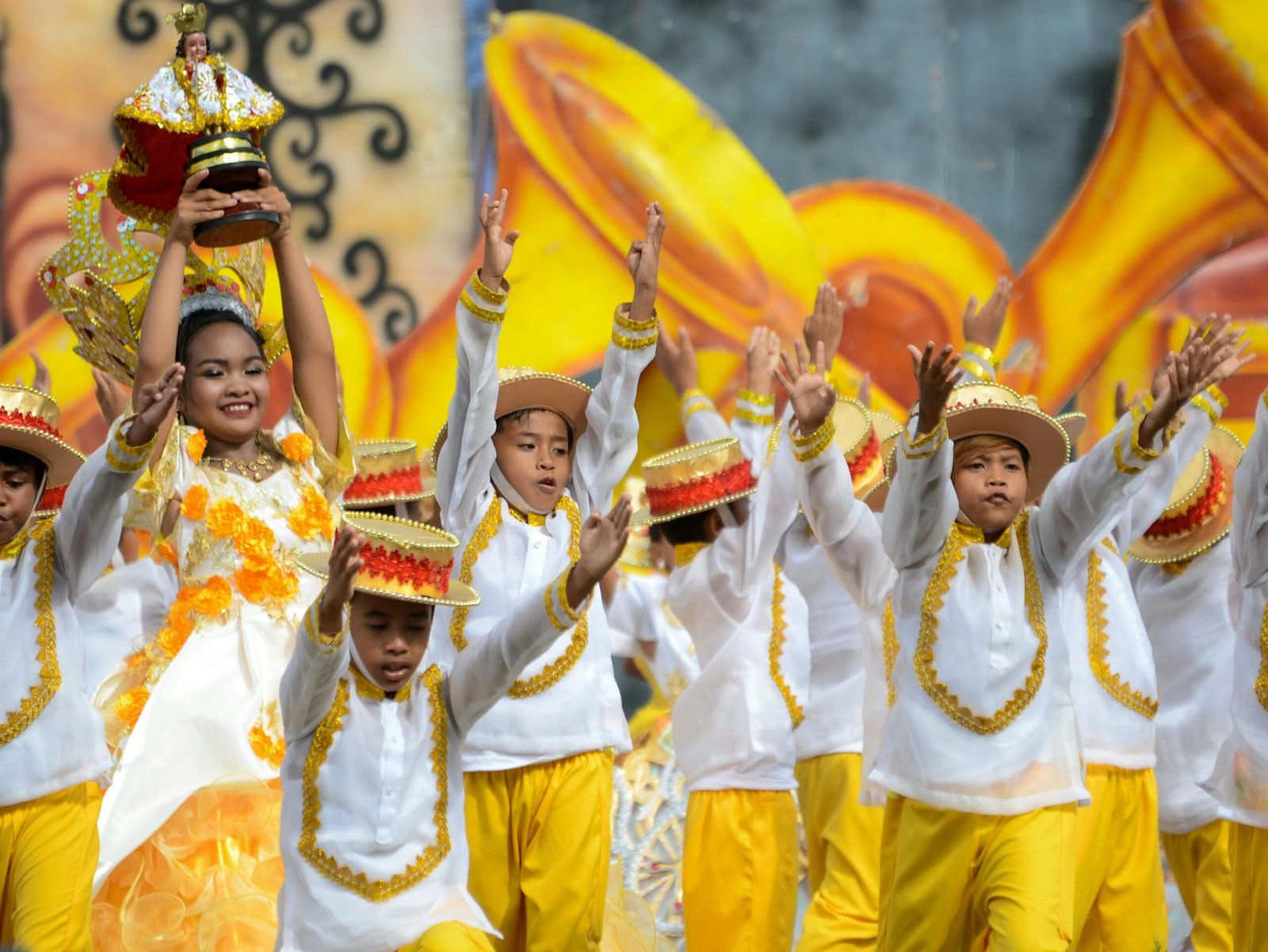
Filipino celebrations always include music. Town fiestas feature live bands, street dancing, and traditional performances. Weddings, birthdays, and family gatherings often turn into karaoke sessions, highlighting the Filipino love for singing.
Karaoke and Singing Culture
Singing is a national pastime in the Philippines. Karaoke machines are common in homes, restaurants, and public spaces. Filipinos value vocal ability, and many grow up singing with family and friends.
This strong singing culture explains why many Filipino vocalists excel internationally.
Music and Faith
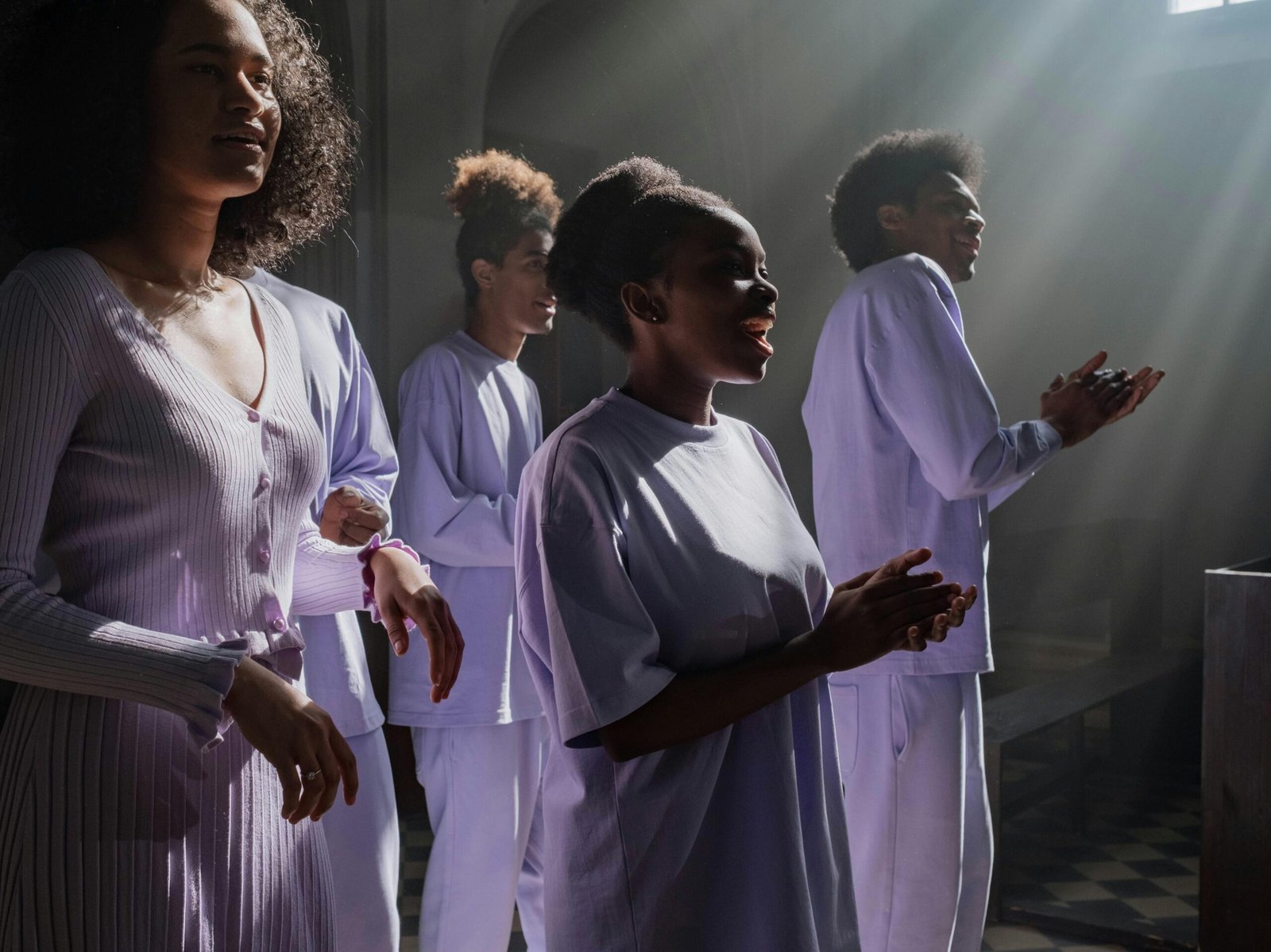
Religious music remains important, especially in Catholic communities. Church choirs, hymns, and devotional songs play a central role in worship and religious events.
Filipino Music on the Global Stage
Filipino musicians and singers have gained international recognition for their talent, versatility, and emotional delivery.
Many Filipino artists perform on global stages, cruise ships, hotels, and international competitions. Filipino singers are known for their strong vocals and ability to adapt to different musical styles.
OPM songs also reach international audiences through streaming platforms, social media, and overseas Filipino communities, helping promote Filipino culture worldwide.
Modern Trends Shaping Music in the Philippines
Technology has transformed how Filipinos create, share, and consume music.
Streaming platforms allow artists to release music instantly, while social media helps songs go viral. Collaborations with international artists are becoming more common, further expanding the reach of Filipino music.
Despite modern influences, many artists continue to draw inspiration from traditional sounds, languages, and themes, ensuring cultural continuity.
FAQs About Music in the Philippines
What is the most popular music genre in the Philippines?
Pop music and OPM ballads are among the most popular genres, though rock, hip-hop, and indie music also have strong followings.
Why are Filipinos known for their singing ability?
Filipinos grow up surrounded by music through family gatherings, church, school, and karaoke, which helps develop strong vocal skills from a young age.
What is OPM?
OPM stands for Original Pilipino Music. It refers to music written and performed by Filipino artists, often reflecting Filipino culture and experiences.
Are traditional Filipino music forms still practiced today?
Yes, traditional and indigenous music continues to be performed, especially during festivals, cultural events, and in indigenous communities.
How has technology affected Filipino music?
Technology has made music more accessible, allowing independent artists to reach wider audiences and helping Filipino music gain global exposure.
Final Thoughts
Music in the Philippines is a powerful expression of history, emotion, and identity. It connects generations, bridges cultures, and tells stories that words alone cannot express. From ancient indigenous rhythms to modern OPM hits, Filipino music continues to evolve while honoring its roots. Exploring Filipino music offers not just entertainment, but a deeper understanding of the Filipino spirit, creativity, and love for harmony that resonates across the world.
If you enjoyed exploring the vibrant world of music in the Philippines, be sure to check out our travel guides and business articles to discover how culture, destinations, and opportunities come together across the country. Click Here!


🌏 Travel Tip of the Day
Tricycles (not the tricycle for children but a form of transportation in the Philippines) often don’t have fixed prices — agree on the fare first before you have the driver take you somewhere.
🌏 Photo of the Day