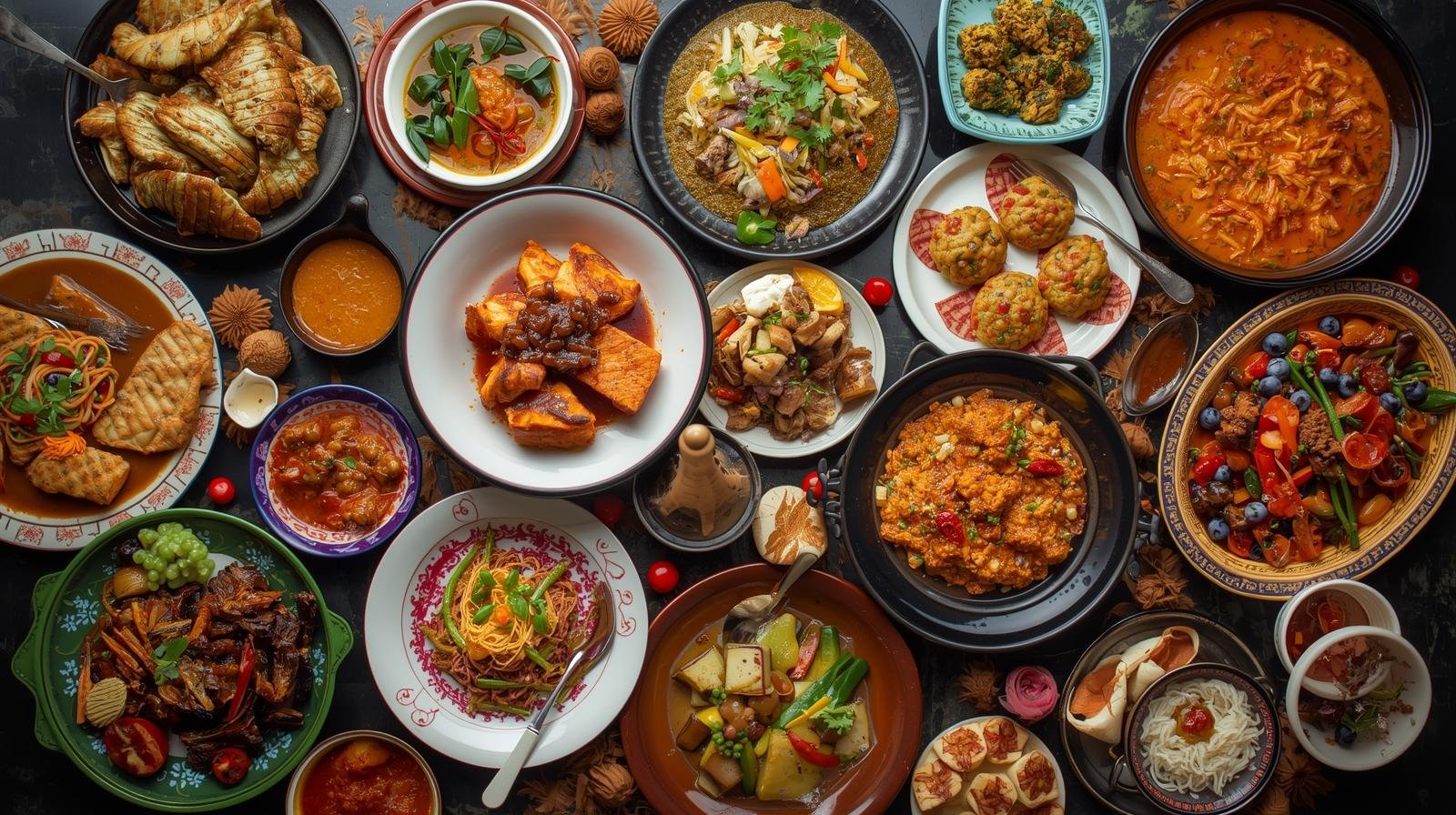
Singapore cuisine is one of the most diverse and vibrant in the world, shaped by centuries of cultural exchange, migration, and innovation. The small island-nation is known for its incredible food scene, where Chinese, Malay, Indian, Peranakan, and international influences blend seamlessly to create delicious, iconic meals enjoyed globally. Whether you’re wandering through a bustling hawker center or dining in a Michelin-starred restaurant, Singapore’s food culture promises unforgettable flavors.
In this 2026 guide, we explore the origins of Singapore cuisine, its most popular dishes, essential ingredients, food customs, and the best places to enjoy authentic meals. If you’re planning to visit Singapore or simply curious about its culinary traditions, this guide will walk you through everything you need to know.
Understanding the Roots of Singapore Cuisine
Singaporean food reflects the nation’s multicultural identity. Its flavors were shaped by various ethnic groups who lived and traded in the region for centuries.
Chinese Influence
Chinese migrants brought dishes such as Hainanese chicken rice, char kway teow, bak kut teh, and wonton noodles. Over time, these meals adapted to local tastes with spicier, richer flavors and different cooking techniques.
Malay Influence
Malay cuisine contributes fragrant spices, coconut-based dishes, grilled meats, sambal, and rice specialties like nasi lemak. Many Singapore sauces and condiments trace their roots to Malay culinary traditions.
Indian Influence
Indian flavors add aromatic curries, roti prata, fish head curry, biryani, and tandoori dishes. The Indian-Muslim community also introduced favorites such as teh tarik and mee goreng.
Peranakan (Nyonya) Influence
Peranakan cuisine blends Chinese ingredients with Malay cooking methods. Signature dishes include laksa, ayam buah keluak, and kueh desserts known for their colors and textures.
These four major influences create the backbone of Singapore cuisine, making it a unique fusion of heritage and flavor.
Most Popular Dishes in Singapore Cuisine
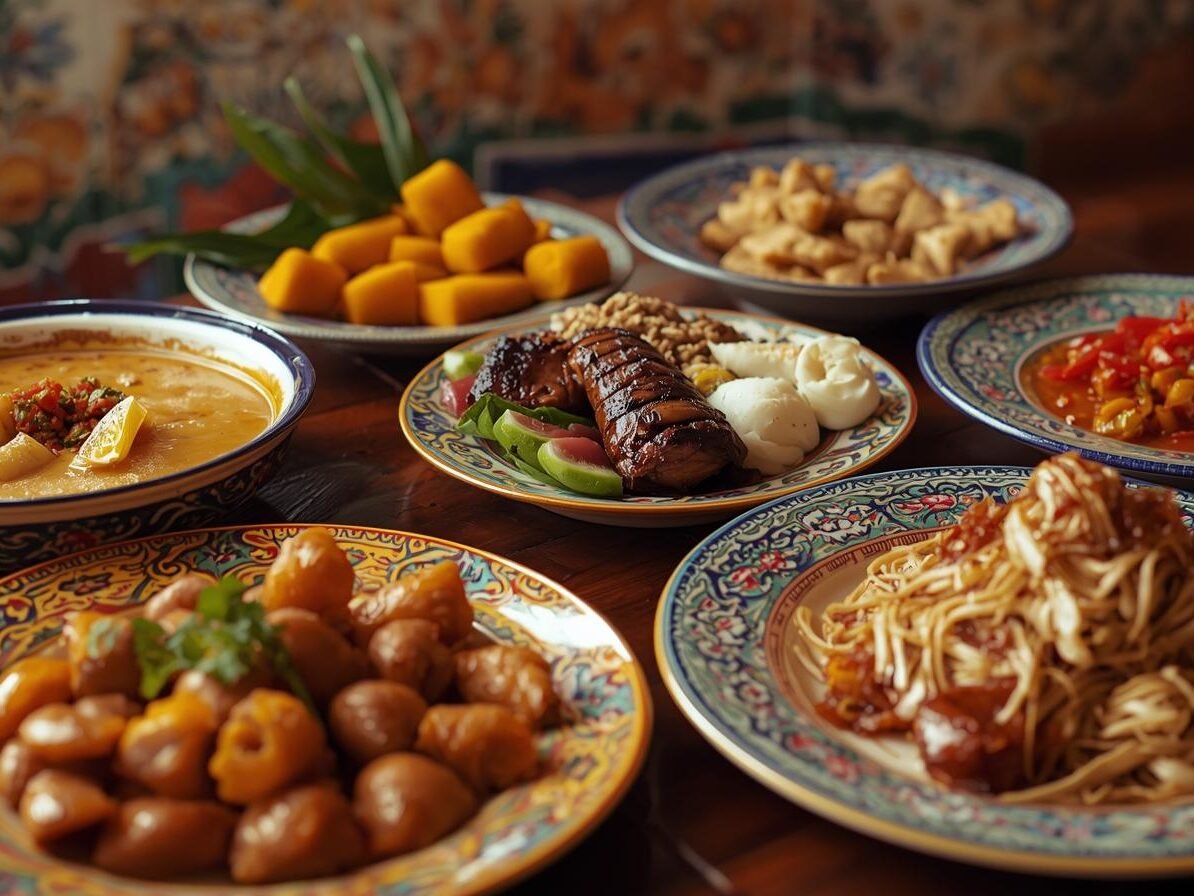
Singapore is world-famous for its iconic dishes. Here are some must-try meals that showcase the best of the country’s culinary identity.
Hainanese Chicken Rice
Often called Singapore’s national dish, Hainanese chicken rice features poached chicken served with fragrant rice cooked in chicken broth. It’s accompanied by chili sauce, soy sauce, and ginger paste. Simple yet satisfying, this dish can be found in almost every hawker center.
Laksa
Laksa is a spicy noodle soup with coconut milk, prawns, fish cakes, tofu puffs, and thick rice noodles. Singapore’s version—Katong Laksa—is known for its creamy broth and chopped noodles for easy eating.
Chili Crab
A signature seafood dish, chili crab features fresh crab stir-fried in a sweet, savory, and mildly spicy tomato-chili sauce. It’s typically eaten with fried buns (mantou) to soak up the delicious gravy.
Char Kway Teow
This stir-fried noodle dish includes flat rice noodles cooked with shrimp, eggs, beansprouts, and Chinese sausage. The smoky “wok hei” flavor makes char kway teow a beloved classic.
Satay
Satay consists of grilled meat skewers served with peanut sauce, rice cakes, cucumber, and onions. This dish shows strong Malay and Indonesian influences and is popular in night markets.
Nasi Lemak
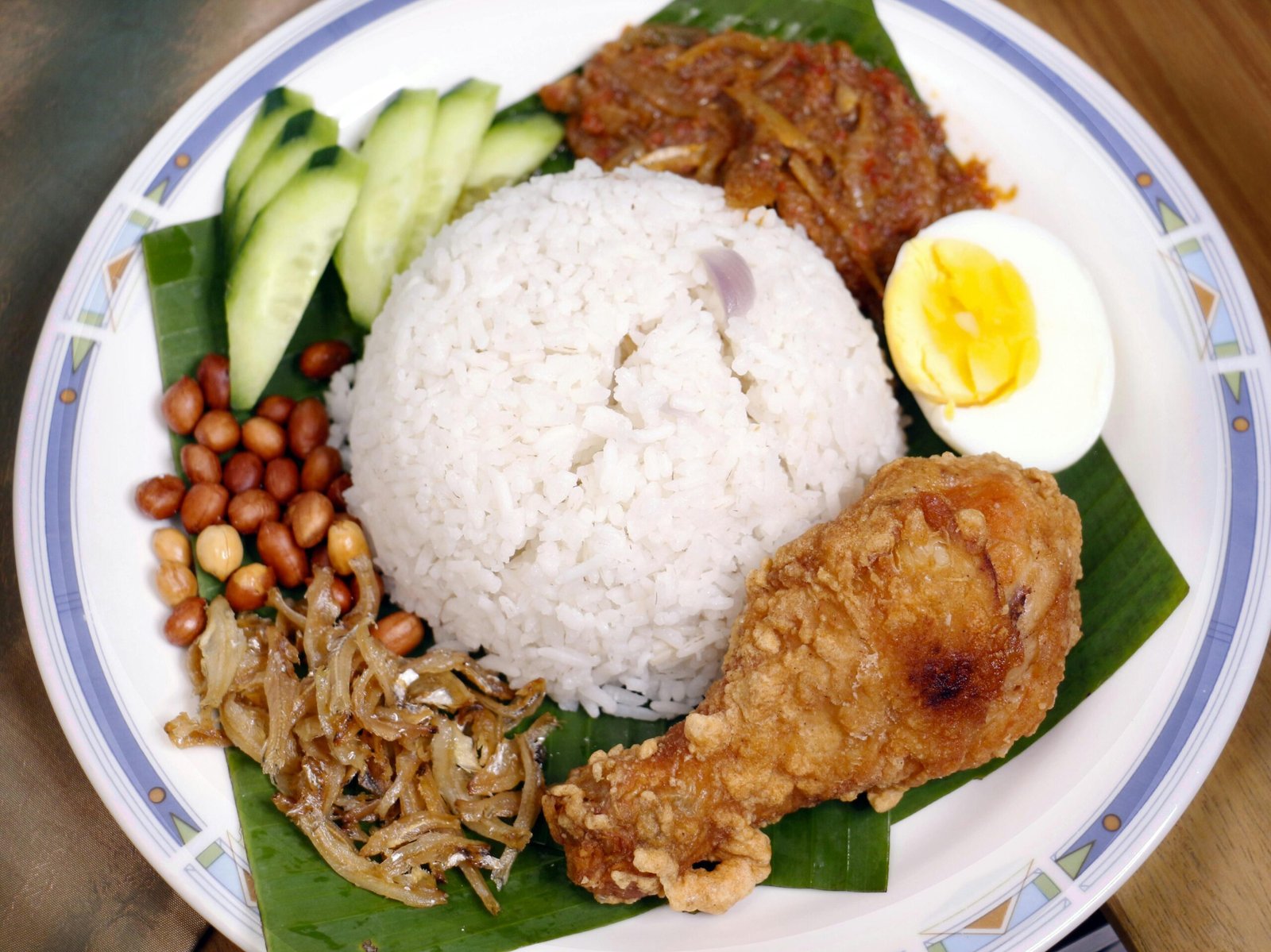
Another Malay favorite, nasi lemak is fragrant rice cooked in coconut milk and served with sambal, fried anchovies, peanuts, eggs, and optional sides such as fried chicken or fish.
Kaya Toast with Soft-Boiled Eggs
A traditional breakfast staple, kaya toast features grilled bread spread with kaya (coconut jam) and butter, paired with soft-boiled eggs seasoned with soy sauce and pepper. This is best enjoyed with kopi (Singapore-style coffee).
Hawker Culture: The Heart of Singapore Cuisine
The hawker center is the beating heart of Singapore’s food culture. These open-air food complexes host dozens of stalls serving affordable, authentic meals. In 2020, Singapore’s hawker culture was officially added to UNESCO’s Intangible Cultural Heritage list.
Why Hawker Centers Are Popular
Hawker centers offer:
• Affordable meals
• Hundreds of dish options
• Authentic local flavors
• Social spaces for community gatherings
Locals often have their favorite stalls, each known for perfecting a particular dish over decades.
Famous Hawker Centers
Some of the most popular hawker centers include:
• Maxwell Food Centre
• Lau Pa Sat
• Tekka Centre
• Newton Food Centre
• Old Airport Road Food Centre
Each center offers its own specialties and culinary traditions, making them essential for any food lover visiting Singapore.
Key Ingredients in Singapore Cuisine
Singaporean food uses bold and aromatic ingredients that contribute to its rich, layered depth of flavor. These components come from the country’s diverse cultural influences, blending Chinese, Malay, Indian, and Peranakan traditions into one cohesive cuisine.
Chili and Sambal
Sambal, a chili paste mixed with spices, shrimp paste, and aromatics, is used in countless dishes to add heat, aroma, and intensity. From sambal stingray to nasi lemak, its presence brings a spicy kick that elevates the overall flavor profile.
Garlic, Ginger, and Shallots
These aromatics form the backbone of many Singaporean dishes. Whether sautéed as a base for noodles and rice dishes or used to season soups and sauces, they provide a deep, savory aroma essential to local cuisine.
Coconut Milk
Coconut milk enriches Malay and Peranakan dishes such as laksa, nasi lemak, and curries. It adds creaminess and subtle sweetness, balancing the heat and spices found in many Singaporean meals.
Seafood
As an island nation, Singapore relies heavily on fresh seafood including prawns, fish, crabs, clams, and squid. Signature dishes like chili crab, sambal stingray, and seafood hor fun highlight the importance of the sea in shaping local flavors.
Soy Sauce and Oyster Sauce
Used widely in Chinese-style cooking, these sauces provide salty, umami-rich depth to stir-fries, marinades, and gravy-based dishes. They help create the savory richness that defines many noodle and rice meals.
Herbs and Spices
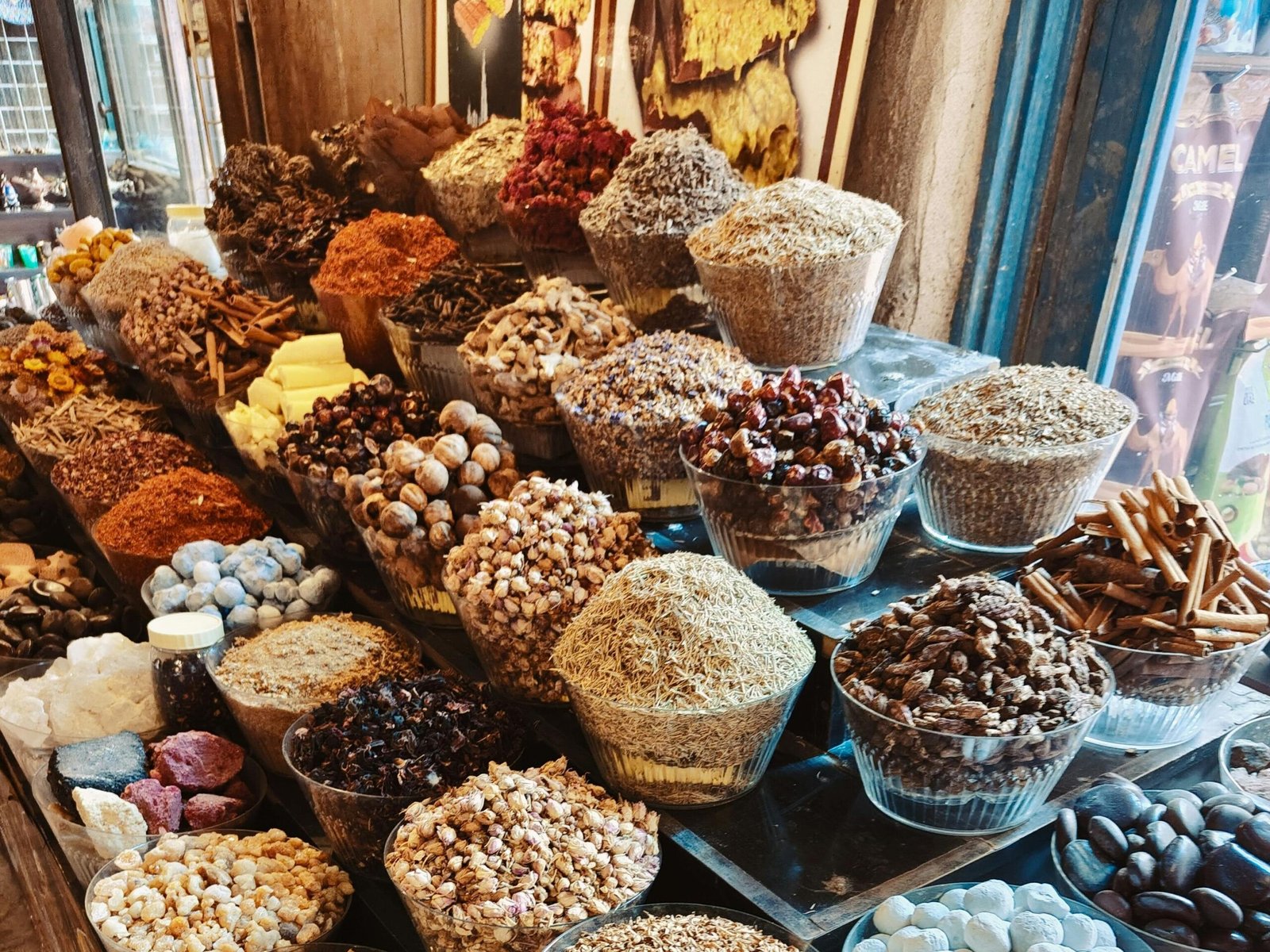
Curry leaves, lemongrass, turmeric, pandan leaves, star anise, and galangal are essential in Singaporean cooking. These ingredients infuse dishes with fragrance and complexity, appearing in curries, desserts, and herbal soups.
Dining Etiquette in Singapore
Understanding dining customs enriches your experience with Singapore cuisine and helps you interact like a local.
Queue Culture
Singaporeans queue patiently at popular hawker stalls, and long lines usually signal exceptionally good food. The system is respected by locals and tourists alike, ensuring fairness in busy dining areas.
Table Sharing
During peak hours, it is common to share tables with strangers in hawker centers. This practice helps maximize space and ensures that everyone gets a seat quickly.
Reserving Seats with Tissue Packs
Locals use tissue packs, umbrellas, or small personal items to “chope” (reserve) tables before ordering food. This unique custom is widely recognized and respected at hawker centers.
Cleanliness
Singapore places a strong emphasis on hygiene. Diners are encouraged to return trays, dispose of waste properly, and leave tables clean, supporting the country’s cleanliness initiatives.
Best Places to Try Authentic Singapore Cuisine
Hawker Centers and Markets
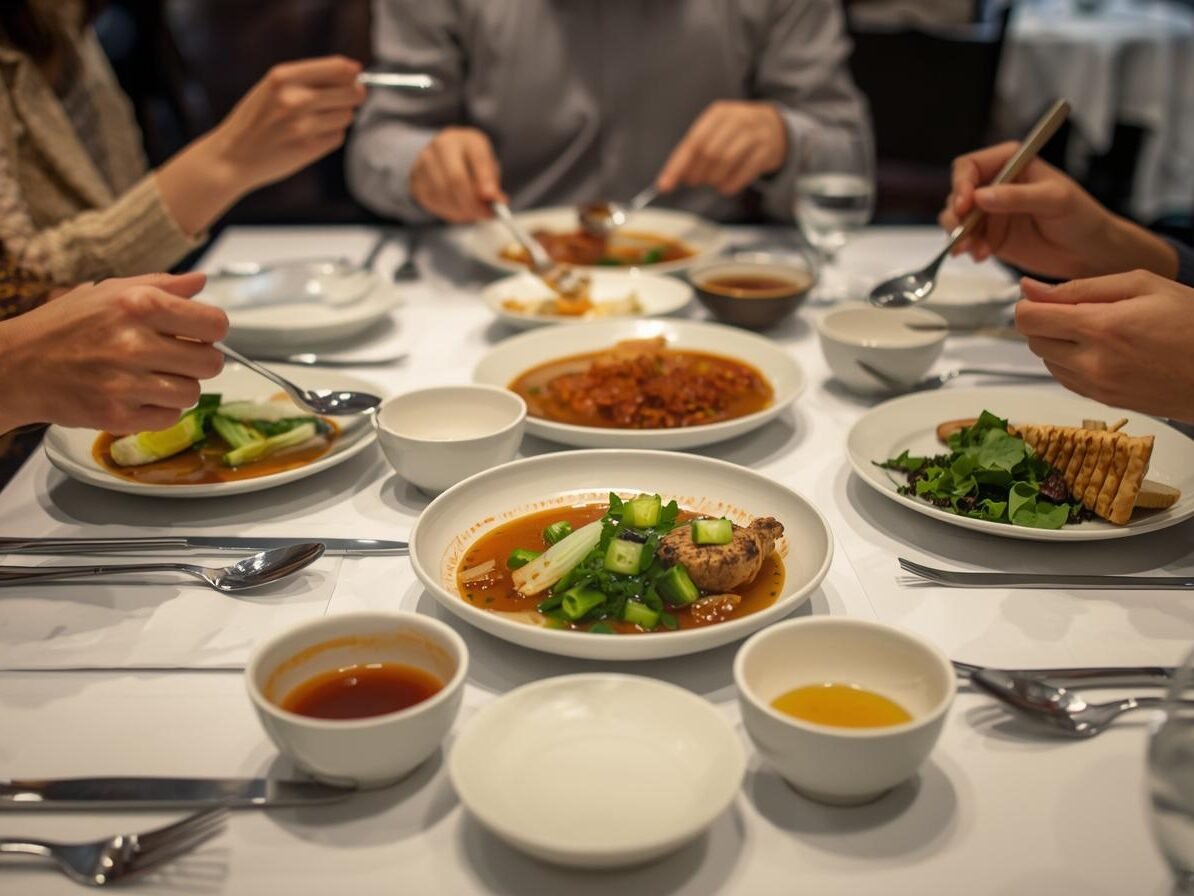
Hawker centers are the most affordable and authentic places to enjoy Singapore cuisine. They offer a wide variety of dishes prepared by long-standing food masters, many of whom have spent decades perfecting their specialties.
Kopitiams (Coffee Shops)
Kopitiams serve traditional breakfast items, local drinks, noodles, rice dishes, and snacks at budget-friendly prices. They are ideal for experiencing everyday Singaporean dining culture.
Food Courts
Located inside shopping malls, food courts offer a mix of local and international cuisine. They provide comfort, air-conditioning, and a cleaner environment while still offering many beloved local dishes.
Fine Dining Restaurants
For a premium culinary experience, Singapore hosts Michelin-starred restaurants that reinterpret classic local dishes. These establishments blend tradition with modern techniques, offering unique upscale versions of favorites like laksa or chili crab.
FAQs About Singapore Cuisine
What makes Singapore cuisine unique?
Singapore cuisine stands out for its multicultural influences from Chinese, Malay, Indian, and Peranakan traditions, creating a rich fusion of flavors and cooking styles.
Is Singapore food spicy?
Some dishes are spicy, especially those containing sambal or curry, but many meals are mild and customizable. Spice levels can often be adjusted according to preference.
Where can I try the best Singapore cuisine?
Hawker centers such as Maxwell Food Centre, Lau Pa Sat, and Old Airport Road Food Centre are excellent places to try authentic dishes at affordable prices.
What are the must-try dishes in Singapore?
Some must-try dishes include Hainanese chicken rice, chili crab, laksa, satay, nasi lemak, bak kut teh, and char kway teow.
Is Singapore vegetarian-friendly?
Yes. Many hawker centers and restaurants offer vegetarian and vegan options, including stir-fried vegetables, tofu dishes, plant-based noodles, and meatless rice meals.
Final Thoughts
Singapore cuisine is more than just food—it’s a celebration of culture, community, and heritage. With its diverse influences, bold flavors, and iconic hawker traditions, Singapore continues to be one of the world’s top culinary destinations. Whether you’re traveling to the city-state or exploring its cuisine from afar, every dish tells a story of the people who shaped it. Dive into the rich flavors of Singapore, and you’ll discover a food culture unlike any other.
If you enjoyed learning about Singapore cuisine, don’t stop here—there’s so much more to explore. Check out our other guides to discover the best places to visit, essential tips for travelers, and business insights for those planning to invest or start a venture in Singapore. Dive deeper into everything Singapore has to offer! READ HERE!


🌏 Photo of the Day