Brunei Darussalam may be small in size, but its transportation system plays an important role in daily life, tourism, and economic activity. Understanding how transportation in Brunei works can help travelers explore the country comfortably and allow new residents to adapt quickly. From private cars and buses to water taxis and air travel, Brunei offers several transport options that prioritize convenience, safety, and efficiency.
This guide explores transportation in Brunei in detail, including public transport, private vehicles, taxis, water transport, and travel tips for visitors.
Road Transportation in Brunei
Road transportation forms the backbone of Brunei’s transport system. Roads connect all major districts, including Brunei-Muara, Tutong, Belait, and Temburong.
Private Cars
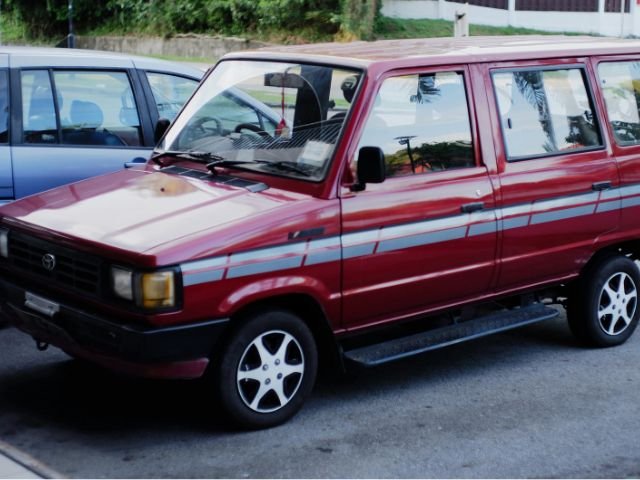
Private cars dominate transportation in Brunei. Most households own at least one vehicle, and many own more than one. Fuel prices remain low due to government subsidies, making car ownership affordable compared to neighboring countries.
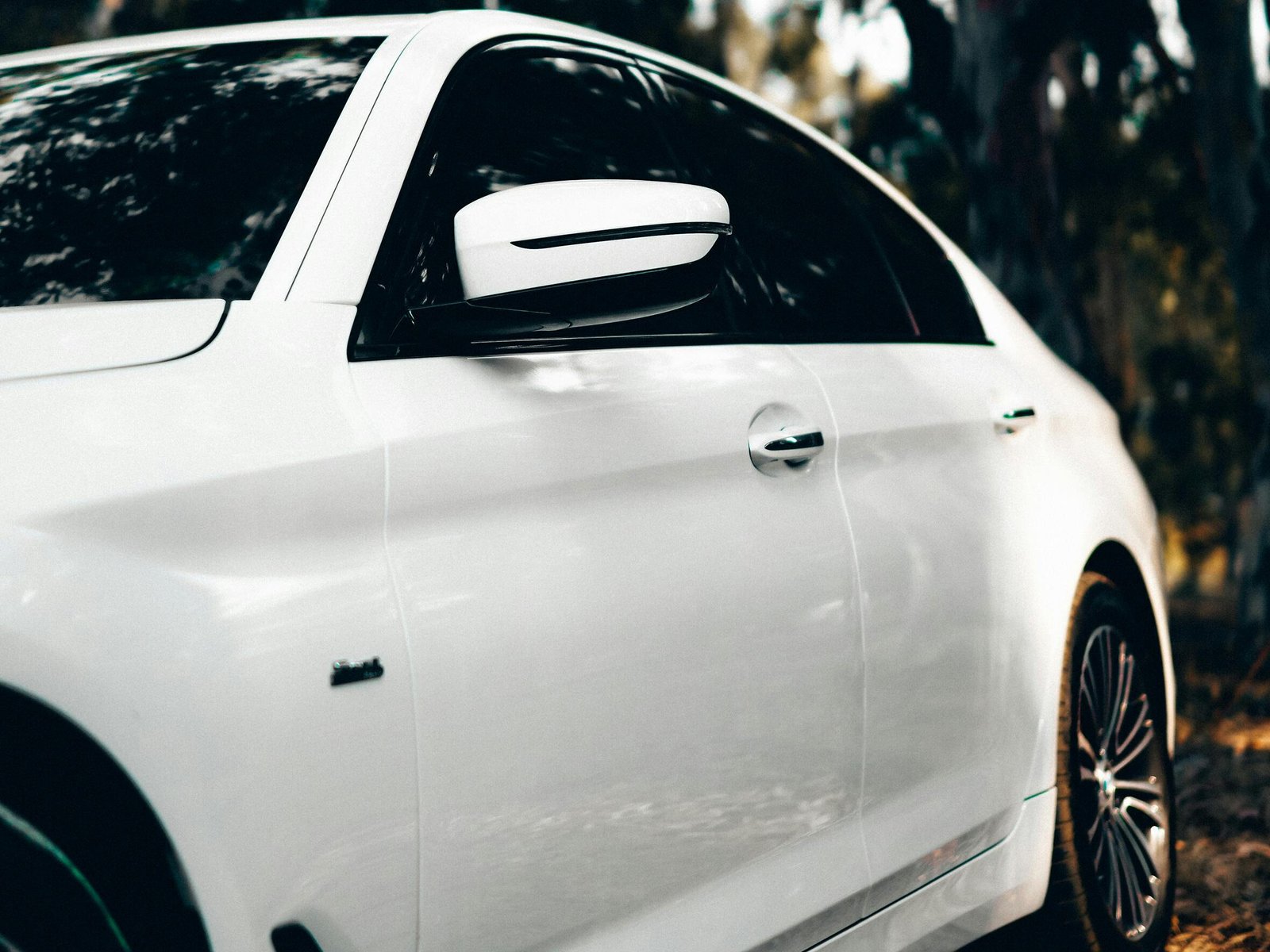
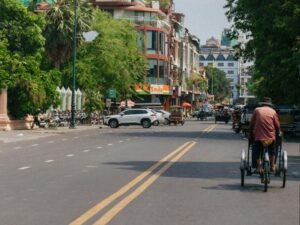
Driving in Brunei feels comfortable for visitors. Roads are wide, signage is clear, and traffic congestion rarely occurs. Speed limits are strictly enforced, which contributes to road safety.
Foreign visitors can drive in Brunei using an international driving permit or a valid foreign license for a limited period.
Road Conditions and Safety
Brunei maintains its roads well. Potholes and poorly lit highways are uncommon, especially in urban areas. Streetlights, pedestrian crossings, and traffic signs help reduce accidents.
Drivers in Brunei generally follow traffic rules. Honking and aggressive driving are rare, creating a calm driving environment for locals and tourists alike.
Public Transportation in Brunei
Public transportation in Brunei exists but remains limited compared to larger Southeast Asian cities. However, it still provides an affordable option for daily commuting.
Bus Services
Buses serve as the primary form of public transportation in Brunei. They operate mainly within Bandar Seri Begawan and nearby towns. The government regulates bus fares, keeping them affordable for residents and workers.
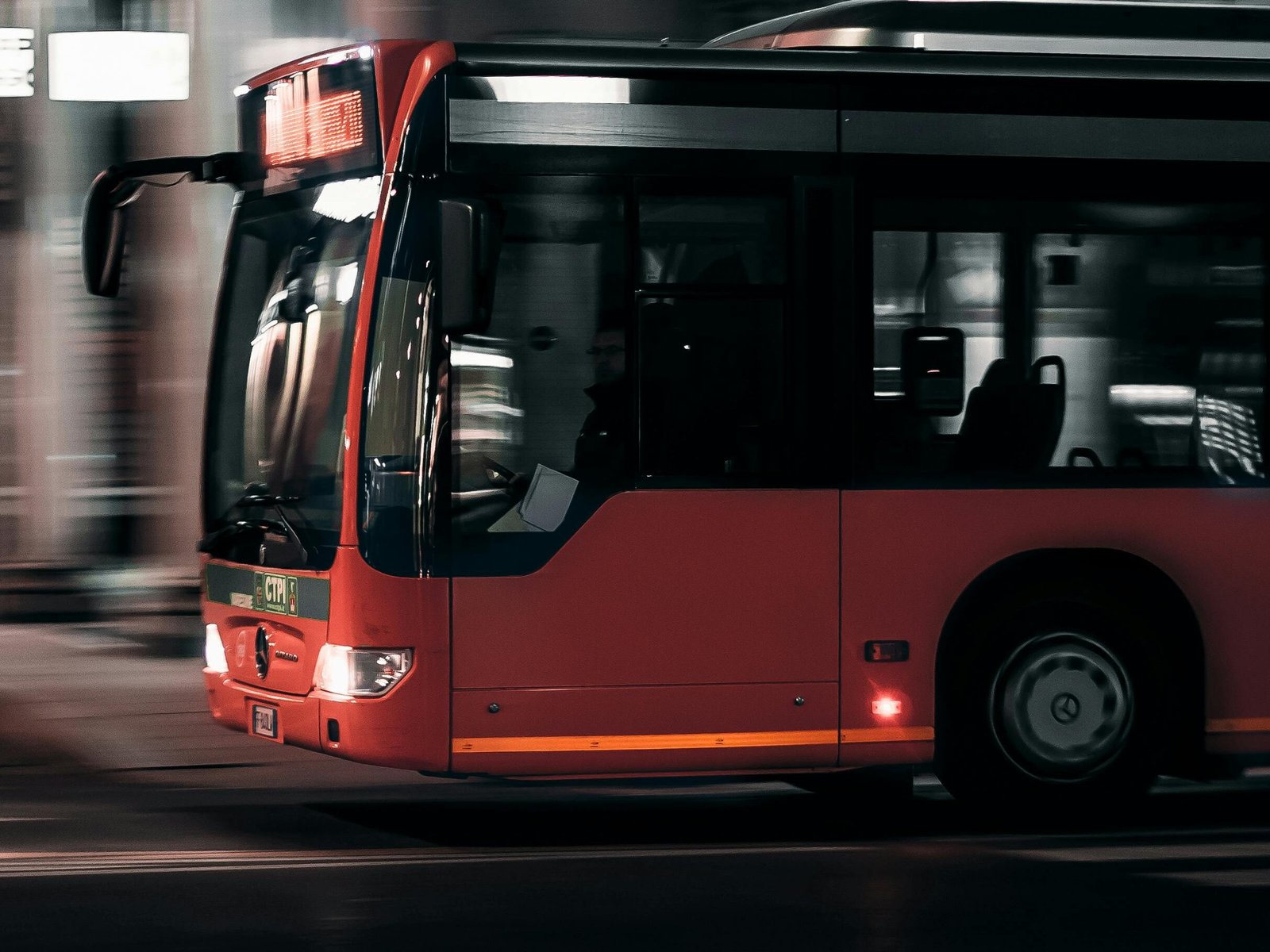
Bus routes connect important locations such as:
- Bandar Seri Begawan city center
- Shopping areas
- Residential neighborhoods
- Government offices
While buses are cheap, schedules may feel irregular. Waiting times can be long, especially outside peak hours. Travelers should plan trips carefully when using buses.
Challenges of Public Transport
Although buses are available, they do not cover all areas efficiently. Limited routes and infrequent schedules encourage residents to rely on private cars instead. As a result, public transport works best for short, planned trips rather than spontaneous travel.
Taxi and Ride Services in Brunei
Taxi services in Brunei operate differently from those in larger cities.
Traditional Taxis
Traditional street taxis are limited. You will not often see taxis waiting along roadsides. Instead, most taxis operate through phone bookings or private arrangements. Fares tend to be higher compared to buses but remain reasonable for short distances.
Ride-Hailing Services
Ride-hailing apps are gradually gaining popularity in Brunei. These services offer more convenience than traditional taxis, especially for visitors unfamiliar with local routes. Availability may vary depending on location and time of day.
For tourists, ride-hailing services provide a practical alternative when renting a car is not an option.
Water Transportation in Brunei
Water transportation plays a unique role in Brunei, especially along rivers and coastal areas.
Water Taxis
Water taxis operate mainly in Bandar Seri Begawan, particularly around Kampong Ayer, the famous water village. These taxis help residents and visitors cross rivers quickly.
Water taxis offer:
- Short travel times
- Scenic river views
- Easy access to Kampong Ayer
Prices depend on distance and negotiation, but they remain affordable for most travelers.
Role of Rivers in Daily Life
Rivers continue to support transportation in Brunei, especially for communities living along waterways. While modern roads dominate travel, water transport preserves cultural traditions and offers an alternative route in certain areas.
Air Transportation in Brunei
Air travel connects Brunei to the rest of the world and supports both tourism and business.
Brunei International Airport
Brunei International Airport serves as the country’s main aviation hub. Located near Bandar Seri Begawan, the airport offers direct flights to regional destinations and selected international cities.
Royal Brunei Airlines operates from this airport, providing reliable service and high safety standards. The airport features modern facilities, making arrival and departure smooth for travelers.
Domestic Flights
Due to Brunei’s small size, domestic flights are limited. However, air travel helps connect remote areas when road access becomes less convenient.
Transportation in Rural and Remote Areas
Transportation options differ slightly outside urban centers.
Rural Roads
Rural areas still benefit from paved roads and reliable access. The government invests in road development to ensure that even remote villages remain connected to major towns.
Temburong District Access
Temburong District, separated by water from the main part of Brunei, used to rely heavily on boats. The opening of the Sultan Haji Omar Ali Saifuddien Bridge significantly improved access. Today, travelers can reach Temburong by road, reducing dependence on water transport.
Transportation Tips for Travelers in Brunei
Travelers can enjoy a smooth experience by following a few practical tips.
Choose the Right Transport Option
For flexibility, renting a car works best. Visitors who prefer not to drive can rely on buses for short routes and ride-hailing services for convenience.
Plan Ahead
Public transportation may not operate frequently. Planning routes and travel times in advance helps avoid delays.
Respect Local Driving Laws
Brunei enforces traffic laws strictly. Wearing seat belts, following speed limits, and avoiding mobile phone use while driving are essential.
Dress and Behavior Considerations
Transportation in Brunei reflects the country’s cultural values. Travelers should dress modestly and behave respectfully, especially when using public transport or traveling through residential areas.
Future Developments in Transportation in Brunei
Brunei continues to explore ways to modernize its transportation system. Discussions include improving public transport efficiency, expanding bus routes, and encouraging sustainable travel options.
As tourism grows, transportation in Brunei will likely evolve to meet increasing demand while maintaining safety and environmental responsibility.
FAQs About Transportation in Brunei
Is public transportation in Brunei reliable?
Public transportation exists but remains limited. Buses are affordable but may not follow strict schedules, so planning is important.
Is it easy to drive in Brunei as a tourist?
Yes. Roads are well maintained, traffic is light, and driving rules are clear. Many tourists find driving in Brunei comfortable.
Are taxis easy to find in Brunei?
Traditional taxis are limited, but ride-hailing services provide a more reliable option in urban areas.
Can tourists use water taxis?
Yes. Water taxis are popular among tourists, especially for visiting Kampong Ayer and enjoying river views.
What is the best way to get around Brunei?
Renting a car offers the most flexibility. However, buses, taxis, and water transport also work depending on your travel needs.
Final Thoughts on Transportation in Brunei
Transportation in Brunei reflects the country’s calm lifestyle, strong infrastructure, and focus on safety. While private cars dominate daily travel, public buses, water taxis, and air transport continue to support mobility across the nation. Visitors who understand these options can move around Brunei comfortably and confidently.
Whether you are exploring Bandar Seri Begawan, crossing rivers to Kampong Ayer, or driving across districts, Brunei’s transportation system offers a smooth and stress-free experience. For more practical insights, cultural tips, and travel advice, explore our other guides to make the most of your journey in Brunei and beyond. Click Here!


🌏 Travel Tip of the Day:
For those of you who like to party and drink till you drop, I have some bad news for you. Brunei is a Muslim country, and alcohol is banned there so there is no sales of alcohol. However, with that said, the good news is that you can bring alcohol into the country with the following limitations: Import Allowance: Non-Muslim adults can bring in 2 liters of spirits/wine and 12 cans of beer (per person).