Transportation in Indonesia is shaped by its island geography, population density, and growing urban centers. Major cities such as Jakarta, Surabaya, Bandung, and Medan rely on a mix of public and private transport, while rural and island communities often depend on boats and smaller vehicles.
The Indonesian government has invested heavily in infrastructure in recent years, improving airports, roads, railways, and mass transit systems. However, transportation conditions can still vary widely depending on the region.
Air Transportation in Indonesia
Domestic Flights
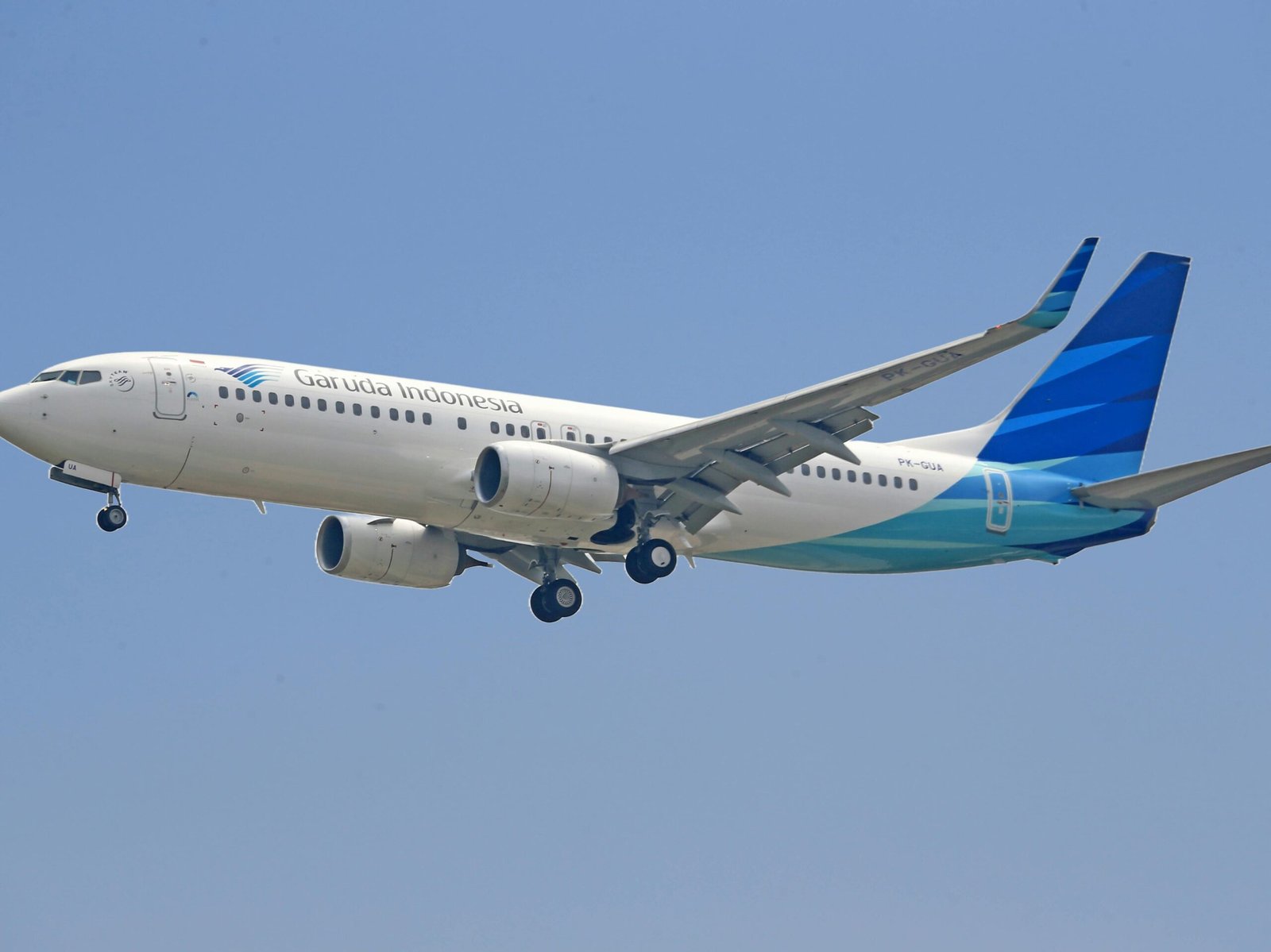
Air travel is one of the most important forms of transportation in Indonesia due to the long distances between islands. Domestic flights make it possible to travel quickly between major destinations such as Java, Bali, Sumatra, Sulawesi, and Papua.
Several airlines operate domestic routes, offering both full-service and budget options. Flights are frequent on popular routes, especially between Jakarta, Bali, Yogyakarta, and Surabaya. For long-distance travel, flying is often the most practical and time-efficient choice.
International Airports
Indonesia has several international airports, with Soekarno-Hatta International Airport in Jakarta being the busiest. Ngurah Rai International Airport in Bali is another major hub, serving millions of international tourists each year.
These airports are well-connected to city centers through taxis, ride-hailing apps, airport buses, and in some areas, rail links.
Sea Transportation in Indonesia
Ferries and Passenger Ships
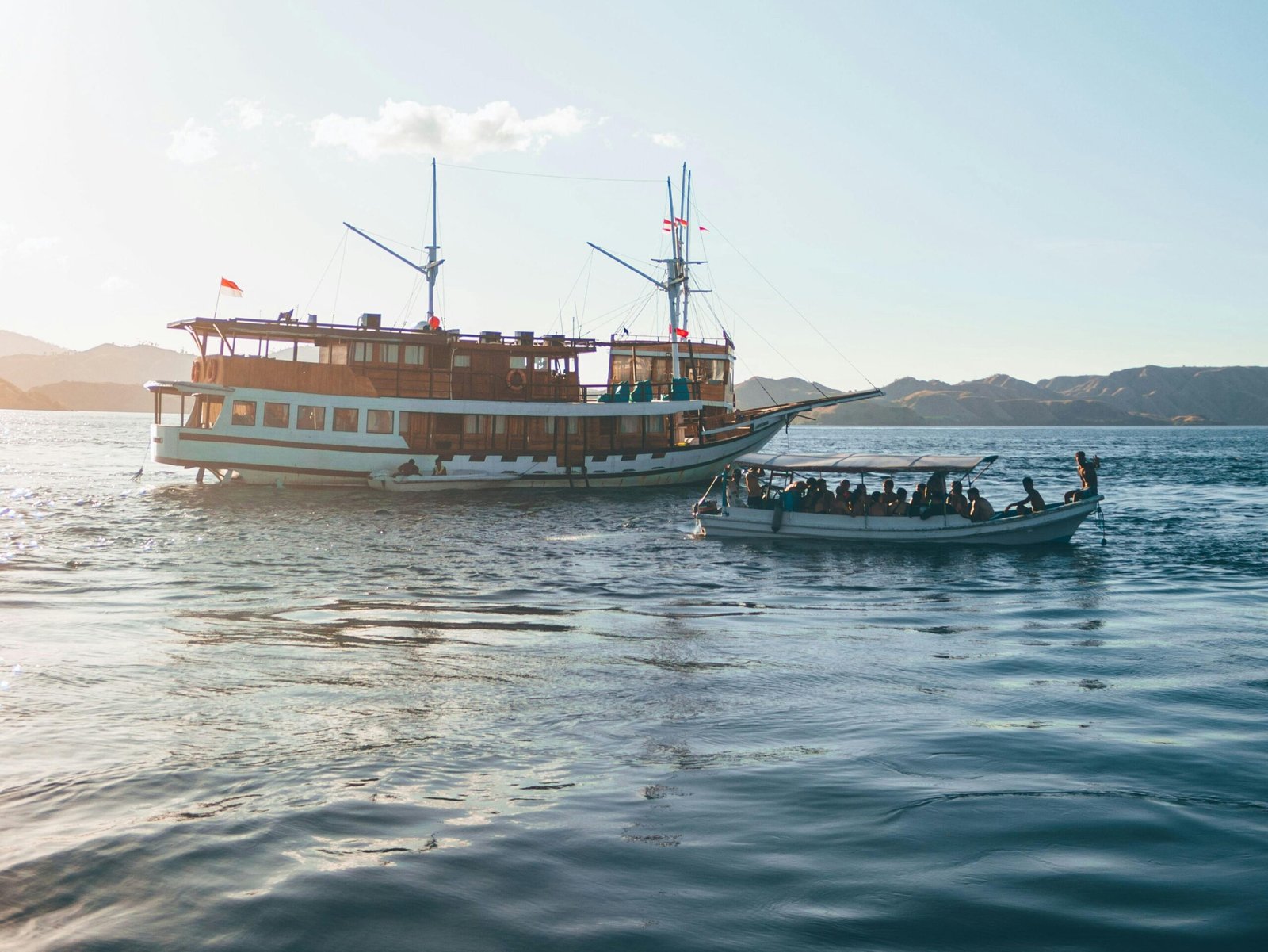
As an island nation, sea transportation is essential in Indonesia. Ferries connect major islands and are commonly used for both passengers and vehicles. Popular ferry routes include Java to Bali and Sumatra to Java.
Passenger ships operated by national and private companies also serve long-distance routes, connecting remote islands that may not have airports. Although travel time is longer, sea travel is often more affordable and offers scenic views.
Traditional Boats
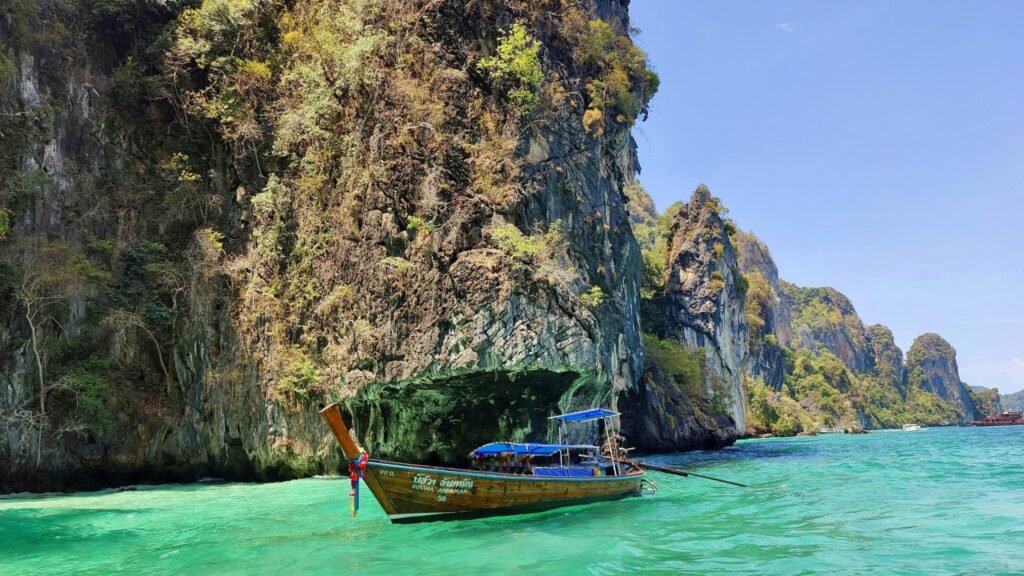
In smaller islands and coastal areas, traditional wooden boats remain a common mode of transport. These boats are widely used for short-distance travel, fishing communities, and island hopping. While they may lack modern amenities, they are deeply rooted in local culture and daily life.
Rail Transportation in Indonesia
Trains on Java
Train transportation in Indonesia is most developed on the island of Java. The railway network connects major cities such as Jakarta, Bandung, Yogyakarta, Solo, and Surabaya. Trains are a popular choice due to their affordability, comfort, and reliability.
There are different classes available, ranging from economy to executive, making train travel accessible to a wide range of passengers. Online booking has made train travel more convenient in recent years.
Urban Rail Systems
Jakarta has made significant progress in urban rail transport with the introduction of the MRT, LRT, and commuter rail systems. These options help reduce traffic congestion and provide a faster way to navigate the capital city.
Other cities are gradually developing similar systems, although road-based transport remains dominant outside Jakarta.
Road Transportation in Indonesia
Buses and Minibuses
Buses are one of the most common forms of transportation in Indonesia, especially for intercity and interprovincial travel. Long-distance buses connect cities across Java, Sumatra, and other large islands.
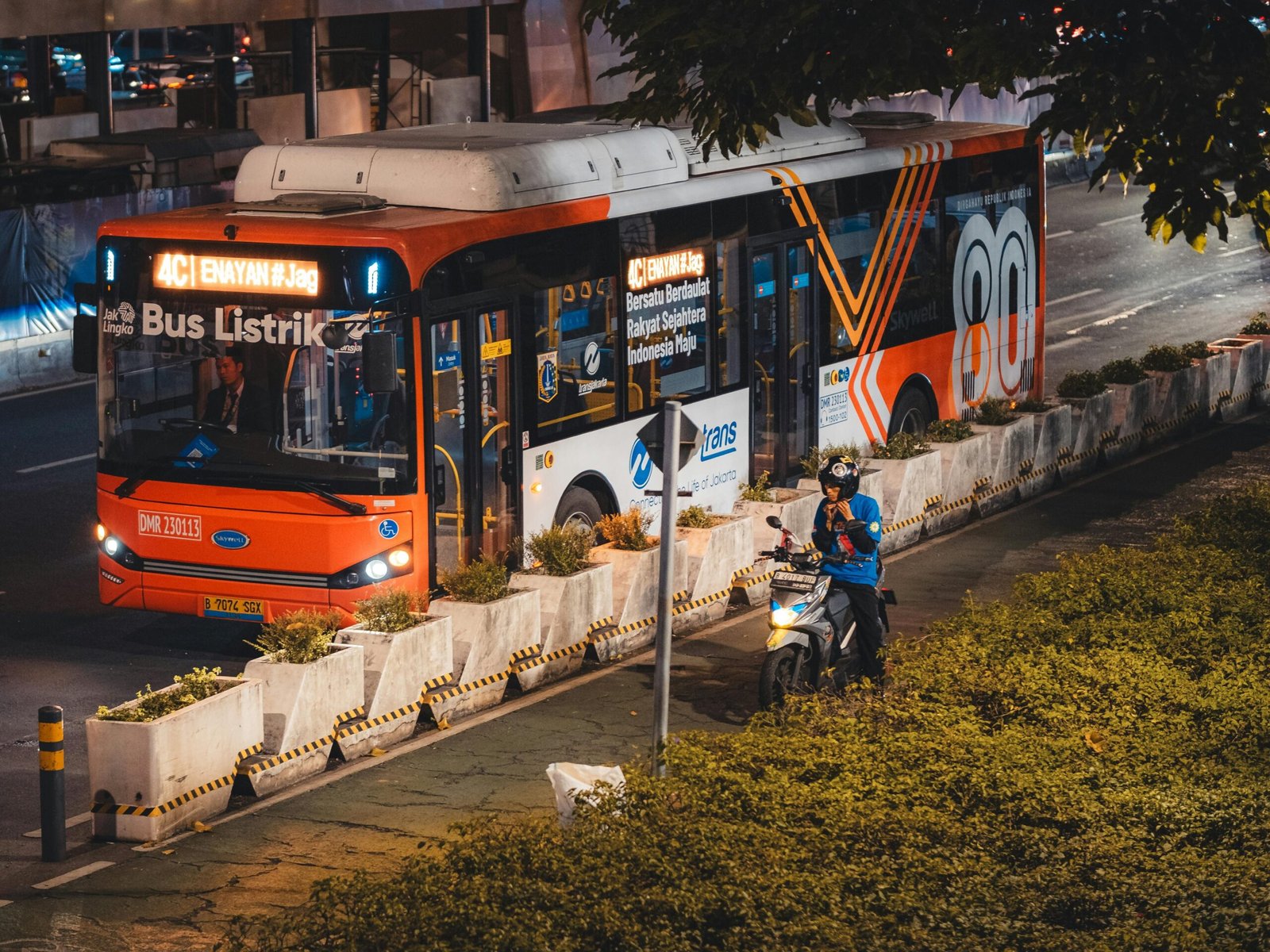
In urban areas, minibuses and city buses operate fixed routes and are widely used by locals. Jakarta’s Bus Rapid Transit system, known as TransJakarta, is one of the largest in the world and offers affordable, air-conditioned travel across the city.
Cars and Motorcycles
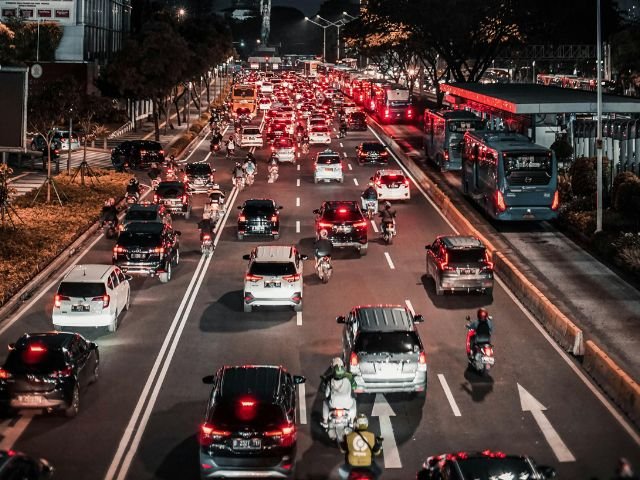
Private cars and motorcycles dominate Indonesian roads. Motorcycles, in particular, are extremely popular due to their affordability and ability to navigate heavy traffic. Many households own at least one motorcycle.
Car rentals are available in tourist areas, but traffic congestion and unfamiliar road conditions can be challenging for visitors. Hiring a driver is often a more comfortable option.
Ride-Hailing and App-Based Transportation
Ride-hailing apps have transformed transportation in Indonesia. Services offering motorcycle taxis, car rides, and food delivery are widely used in cities and tourist destinations.
Motorcycle taxis are especially popular for short trips, as they can move quickly through traffic. These app-based services are generally affordable, transparent in pricing, and convenient for both locals and travelers.
Traditional Local Transportation
Becak and Bajaj
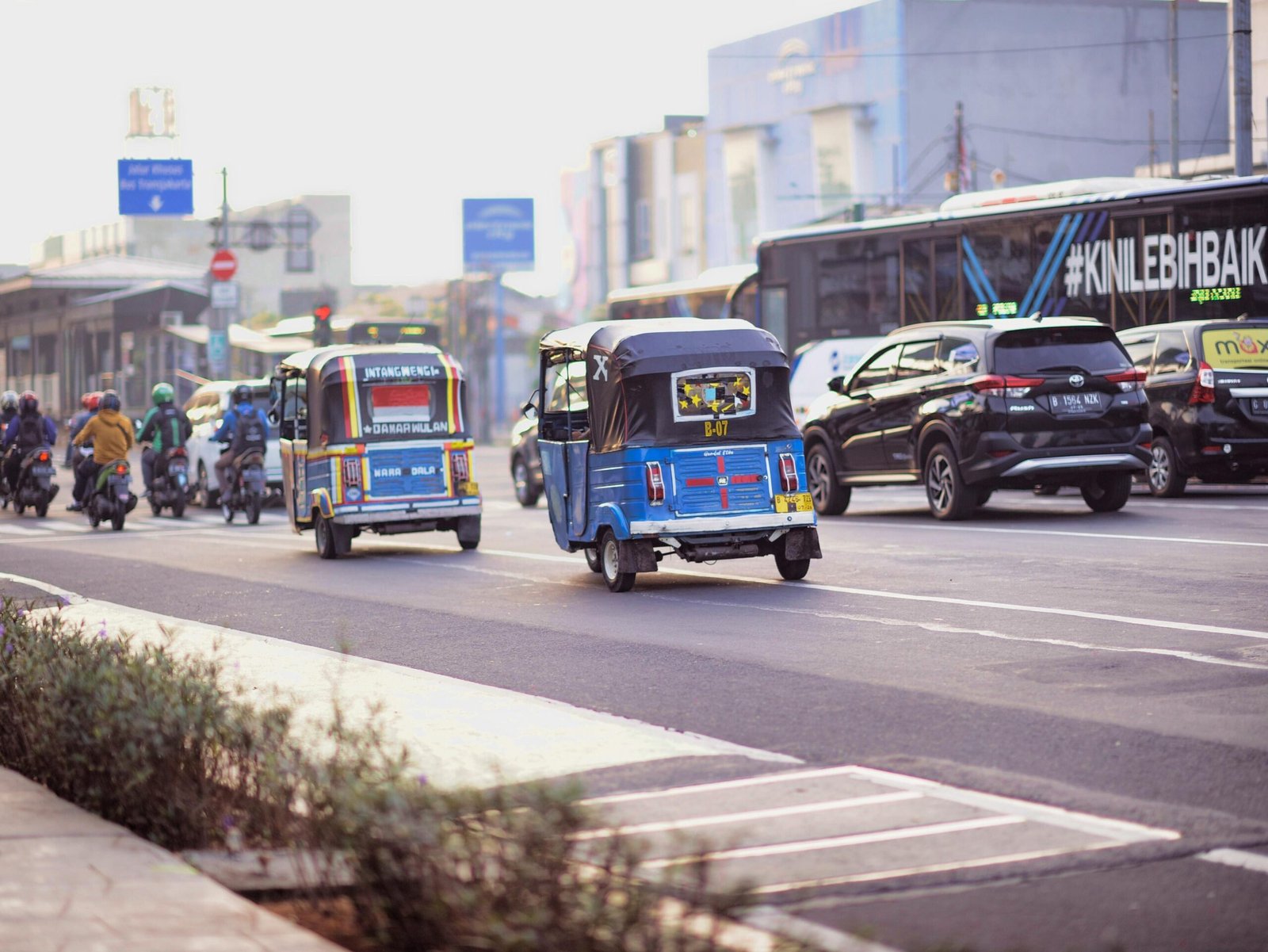
In some cities, traditional vehicles such as cycle rickshaws and three-wheeled motorized taxis are still used for short distances. These forms of transportation are slower but offer a unique cultural experience.
Angkot and Local Vans
Angkot, or shared minivans, operate fixed routes and are common in many towns and cities. They are inexpensive but can be confusing for first-time users, as routes are not always clearly marked.
Transportation Challenges in Indonesia
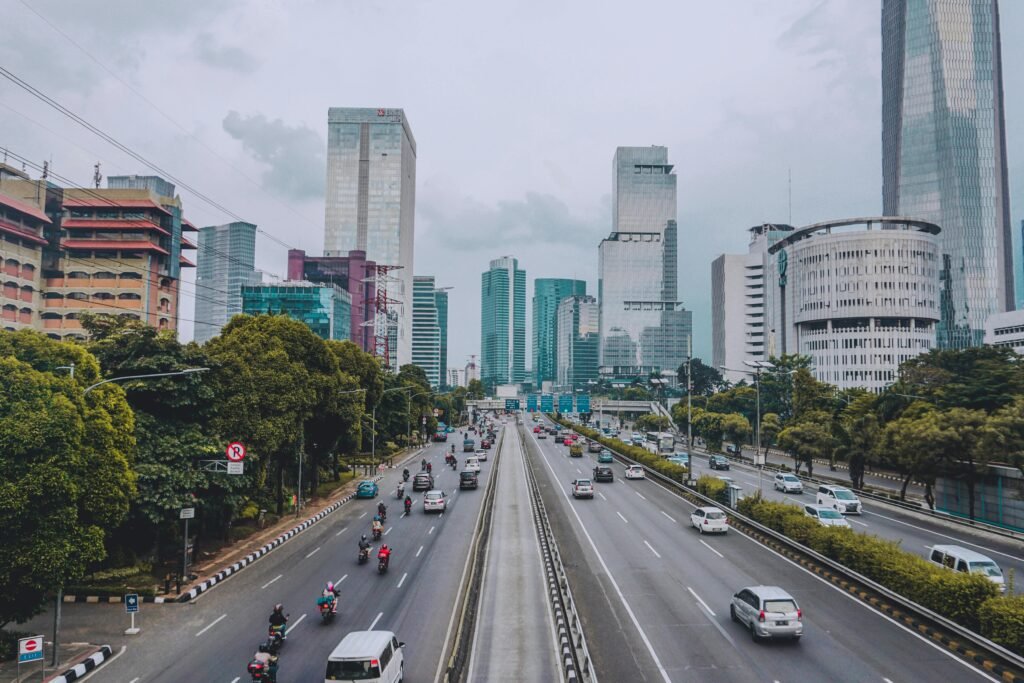
Despite ongoing improvements, transportation in Indonesia faces several challenges. Traffic congestion is a major issue in large cities, particularly Jakarta. Infrastructure quality can vary between urban and rural areas, and weather conditions may disrupt sea and air travel.
However, continued government investment and the expansion of public transportation systems are gradually addressing these issues.
Tips for Using Transportation in Indonesia
Plan travel time carefully, especially in major cities where traffic delays are common. Use ride-hailing apps for convenience and clear pricing. When traveling between islands, consider weather conditions and book tickets in advance. For long distances on Java, trains offer a comfortable and scenic option.
FAQs About Transportation in Indonesia
What is the most common transportation in Indonesia?
Motorcycles are the most common form of transportation, especially in urban and suburban areas, due to their affordability and flexibility.
Is public transportation reliable in Indonesia?
Public transportation is reliable in major cities like Jakarta, especially with MRT, LRT, and bus systems. In smaller cities, options may be more limited.
Is it safe to use ride-hailing apps in Indonesia?
Yes, ride-hailing apps are widely used and generally safe. They offer transparent pricing and driver information, making them a popular choice.
What is the best way to travel between islands?
Flying is the fastest way, while ferries and ships are more affordable options for those with flexible schedules.
Can tourists drive in Indonesia?
Tourists can drive with an international driving permit, but traffic conditions and local driving habits may be challenging. Hiring a driver is often recommended.
Final Thoughts on Transportation in Indonesia
Transportation in Indonesia reflects the country’s diversity, combining modern infrastructure with traditional travel methods shaped by island life. From high-speed urban rail to scenic ferry crossings, getting around Indonesia can be both practical and culturally enriching.
Understanding the available transportation options will help you travel more confidently and make the most of your experience in this dynamic country. Whether you are navigating busy city streets or exploring remote islands, Indonesia’s transportation system offers countless ways to connect with its people and places.
To continue your journey, explore our related travel guides and business insights to discover smart tips, hidden destinations, and opportunities that will help you navigate Indonesia with confidence and purpose. CLICK HERE!


🌏 Photo of the Day