For travelers, understanding how transportation in Myanmar works is essential for planning a smooth and enjoyable journey. While infrastructure may differ from neighboring countries, Myanmar’s transport system provides authentic travel experiences that allow visitors to see the country beyond tourist hotspots.
This guide explores the main transportation options in Myanmar, including buses, trains, boats, taxis, and domestic flights, along with practical travel tips to help you navigate the country confidently.
Overview of Transportation in Myanmar
Myanmar’s transportation network includes road, rail, air, and water transport. Roads connect most major cities, railways link important regions, rivers serve as key transport routes, and domestic flights reduce long travel times between distant destinations.
Although modernization is ongoing, travel in Myanmar often requires patience and flexibility. Delays and changing schedules are common, but many travelers find the experience rewarding due to the scenic views and cultural encounters along the way.
Road Transportation in Myanmar
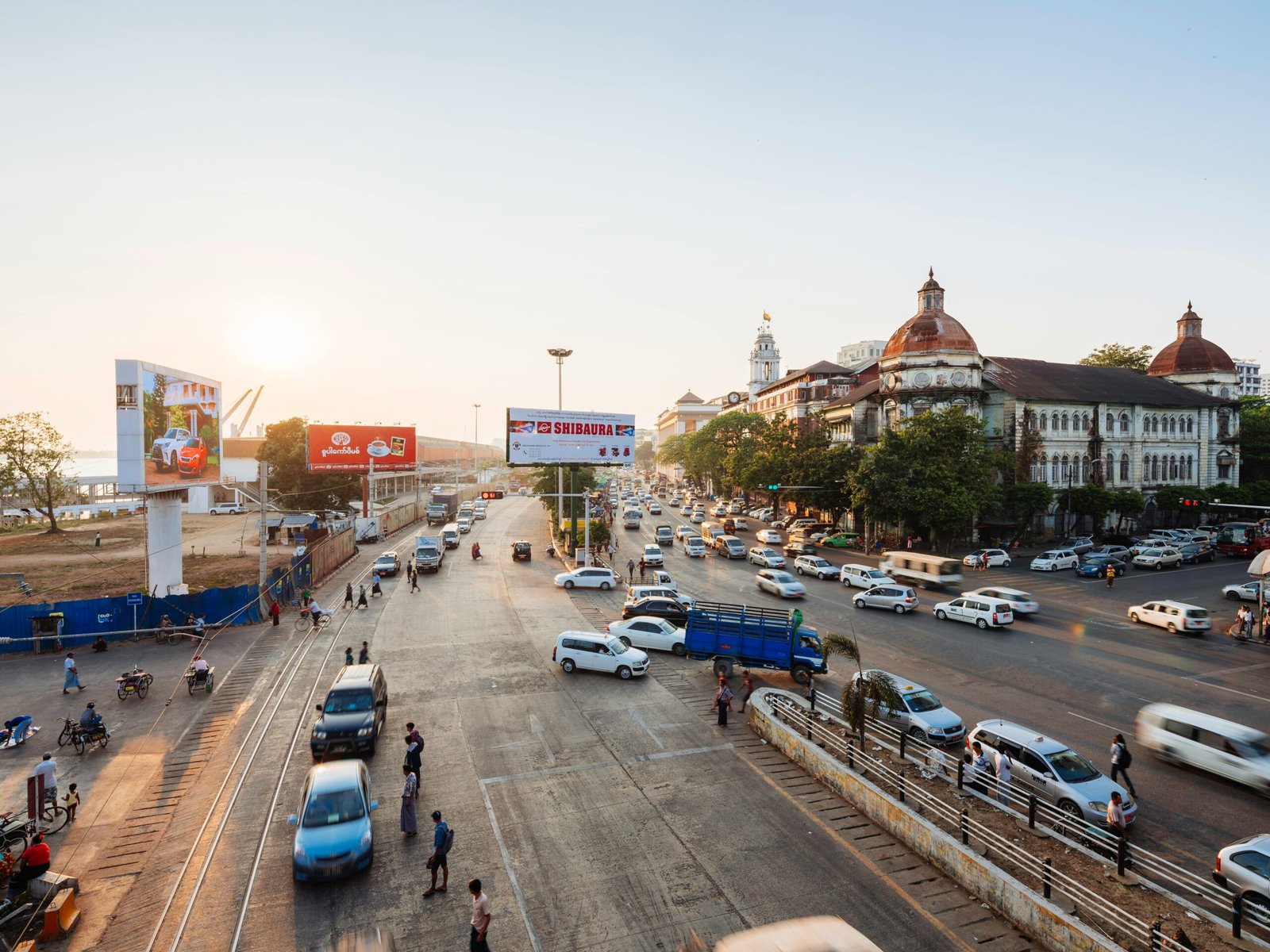
Road transport is the most widely used form of transportation in Myanmar. It includes buses, cars, motorcycles, and taxis.
Buses and Coaches
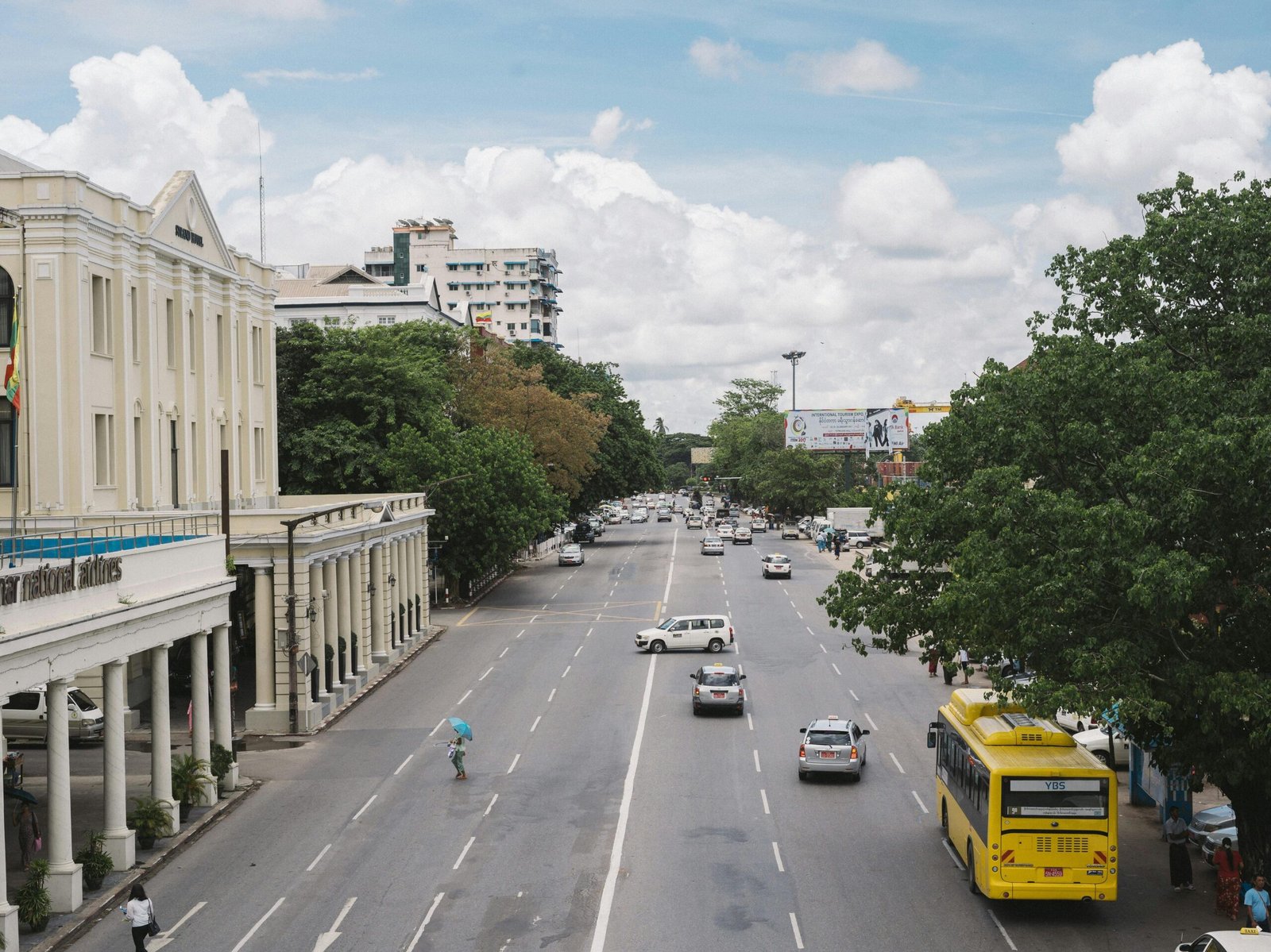
Buses are the primary mode of long-distance transportation in Myanmar. They are affordable, widely available, and connect major cities and towns across the country.
There are several types of buses available:
- Standard local buses, which are cheaper but slower
- VIP or express buses, which offer air conditioning, reclining seats, snacks, and onboard entertainment
- Overnight buses for long routes such as Yangon to Bagan or Inle Lake
VIP buses are popular among tourists because they are comfortable and relatively reliable. However, road conditions can affect travel time, so trips often take longer than expected.
Cars and Private Transfers
Private cars with drivers are commonly used by tourists, especially for customized itineraries. Renting a car without a driver is uncommon and not recommended due to road conditions and local driving practices.
Private transfers are ideal for families, small groups, or travelers who prefer flexibility and comfort. They are more expensive than buses but allow stops for sightseeing and rest breaks.
Motorcycles and Scooters
Motorcycles and scooters are widely used by locals, particularly in smaller towns and rural areas. In some cities, restrictions apply to motorcycle use.
For travelers, renting a motorcycle may be possible in certain areas, but it requires caution. Roads may be uneven, traffic rules are loosely followed, and safety gear is not always provided.
Rail Transportation in Myanmar
Train travel is one of the most traditional forms of transportation in Myanmar. The railway network connects major cities such as Yangon, Mandalay, Bago, and Mawlamyine.
What to Expect on Myanmar Trains
Trains in Myanmar are slow but scenic. They offer a unique way to experience the countryside, passing through rice fields, villages, and rivers.
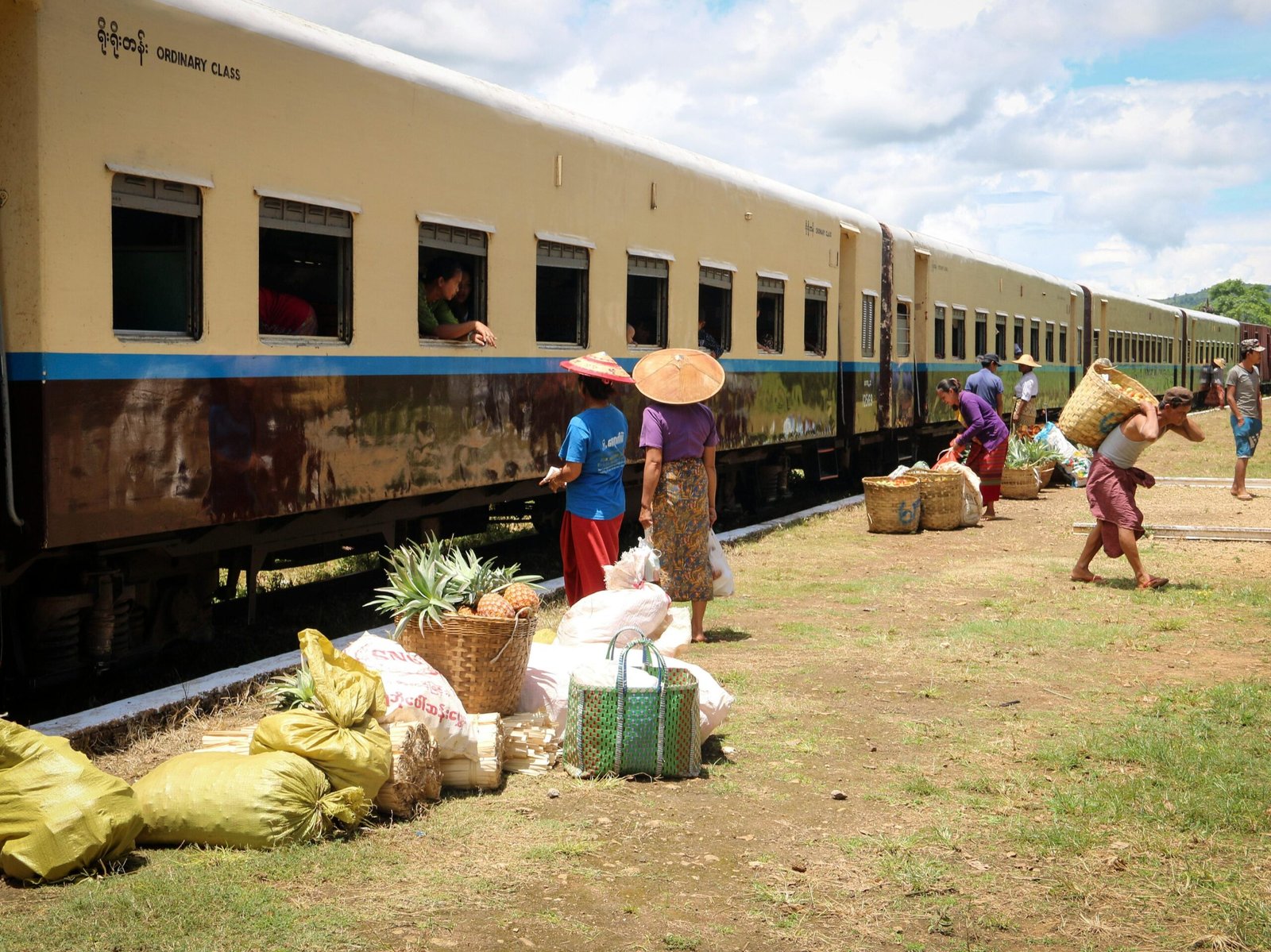
Classes typically include:
- Ordinary class, which is very basic
- Upper class, which offers more comfort and reserved seating
While trains are generally safe, delays are common, and comfort levels may not match international standards. However, many travelers enjoy the relaxed pace and local atmosphere.
Popular Train Routes
Some train journeys are popular for their views and cultural value. The Yangon Circular Railway, for example, is a short loop that showcases daily life around the city and is often recommended for visitors.
Water Transportation in Myanmar
Rivers have historically been important transportation routes in Myanmar, especially the Irrawaddy River, which runs from north to south.
Riverboats and Ferries
Riverboats connect cities such as Mandalay and Bagan and provide a scenic alternative to road travel. These journeys allow travelers to see rural communities, riverbanks, and traditional boats along the way.
There are two main types of river transport:
- Slow boats, which are cheaper and take longer
- Fast boats, which reduce travel time but cost more
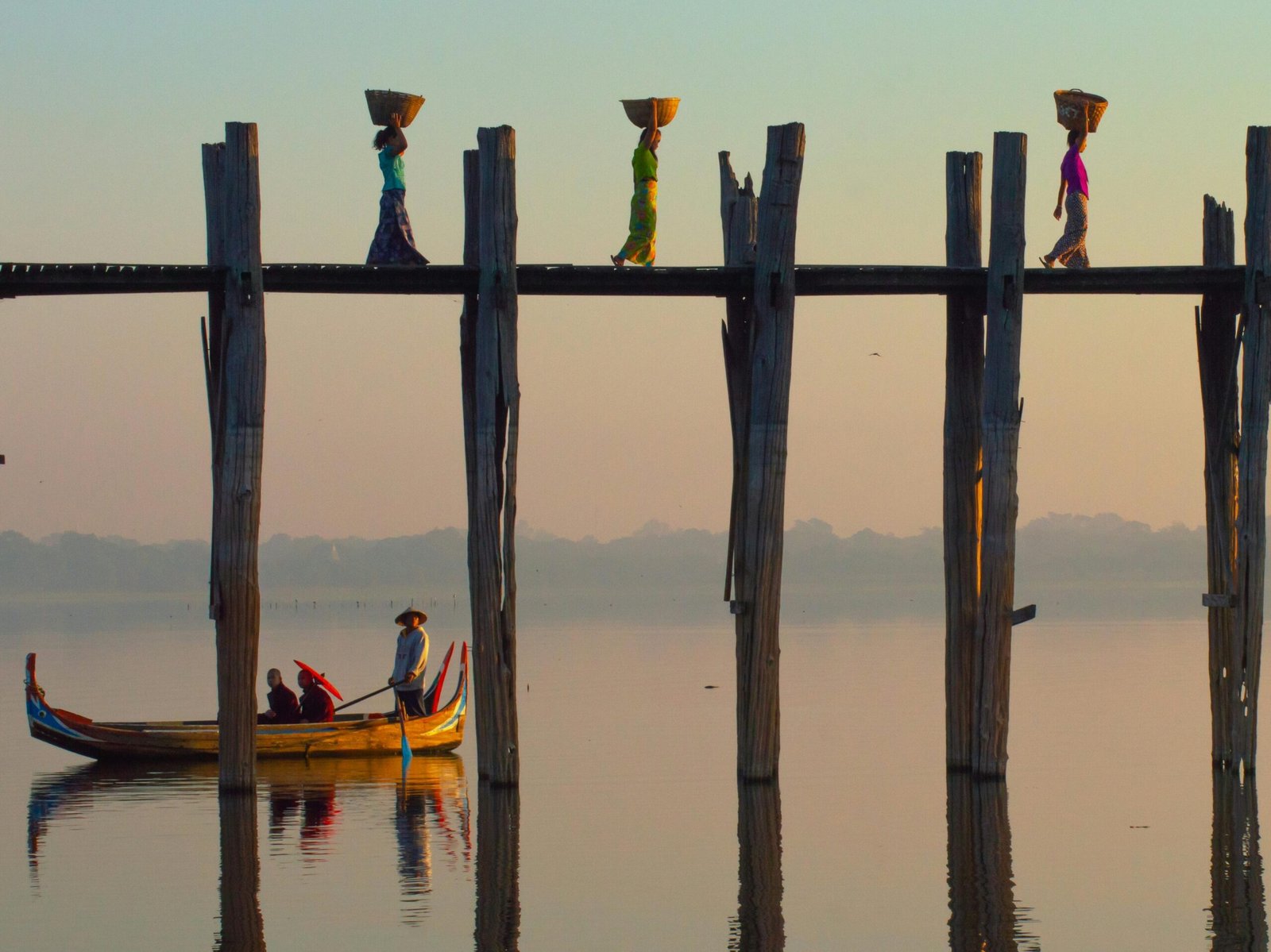
Ferries are also used for short crossings in cities and rural areas.
When to Choose River Transport
Water transportation is ideal for travelers who enjoy scenic journeys and have flexible schedules. It is especially popular during the dry season when river levels are suitable for navigation.
Air Transportation in Myanmar
Domestic flights are the fastest way to travel long distances in Myanmar. Several local airlines operate routes connecting major tourist destinations.
Domestic Airlines and Routes
Airlines typically connect cities such as Yangon, Mandalay, Bagan, Heho (for Inle Lake), and Naypyidaw. Flights are relatively short and save significant travel time compared to buses or trains.
While domestic flights are more expensive, they are a practical option for travelers with limited time.
Airports and Travel Tips
Major airports are located in Yangon and Mandalay, with smaller airports serving regional destinations. Travelers are advised to confirm flight schedules in advance, as changes can occur.
Urban Transportation in Myanmar
Transportation within cities varies depending on location and development.
Taxis and Ride Services
Taxis are widely available in major cities like Yangon and Mandalay. Most taxis do not use meters, so fares should be agreed upon before starting the journey.
In some areas, ride-hailing services operate through local apps, offering more transparent pricing.
Buses and Local Transport
City buses are inexpensive and commonly used by locals. However, routes and signage may be challenging for foreign travelers.
Trishaws and cycle rickshaws are still used in some towns for short distances. They provide a charming way to explore local neighborhoods.
Transportation Costs in Myanmar
Transportation in Myanmar is generally affordable compared to many other countries in Southeast Asia. Buses and trains offer the lowest costs, while flights and private transfers are more expensive.
Prices may vary based on season, route, and comfort level. Tourists are sometimes charged higher fares, especially for taxis and private services, so confirming prices beforehand is recommended.
Travel Tips for Using Transportation in Myanmar
Understanding local conditions can make transportation in Myanmar easier and more enjoyable.
Plan Ahead
Schedules can change, and tickets for popular routes may sell out. Booking in advance is recommended, especially during peak travel seasons.
Allow Extra Time
Travel times are often longer than expected due to road conditions and stops. Building flexibility into your itinerary helps reduce stress.
Pack Essentials
For long journeys, bring water, snacks, tissues, and entertainment. Some buses and trains provide basic amenities, but it is best to be prepared.
Respect Local Customs
Being polite and patient goes a long way. Transportation staff and fellow passengers appreciate respectful behavior and simple greetings.
FAQs About Transportation in Myanmar
Is transportation in Myanmar safe for tourists?
Yes, transportation in Myanmar is generally safe for tourists. However, road conditions and driving habits may differ from what travelers are used to, so caution is advised.
What is the best way to travel long distances in Myanmar?
VIP buses and domestic flights are the most popular options for long-distance travel. Flights are faster, while buses are more budget-friendly.
Are trains in Myanmar suitable for tourists?
Trains are suitable for travelers seeking a cultural and scenic experience. They are slower and less comfortable but offer a unique perspective on local life.
Can tourists rent cars in Myanmar?
Self-drive car rentals are uncommon. Most tourists hire cars with drivers for safety and convenience.
Is public transportation easy to use for foreigners?
Public transportation is affordable but may be challenging due to language barriers and limited signage. Taxis and organized transport are often easier for visitors.
Final Thoughts on Transportation in Myanmar
Transportation in Myanmar reflects the country’s rich history, diverse geography, and ongoing development. While it may not always be fast or predictable, traveling through Myanmar offers unforgettable experiences, from scenic river journeys to bustling bus terminals filled with local life.
By understanding the available transportation options and planning ahead, travelers can navigate the country with confidence and make the most of their journey. Whether you choose buses, trains, boats, or flights, transportation in Myanmar is more than just a way to get around—it is an essential part of discovering the heart of the country.
If you’re planning your trip, explore more travel guides and practical tips to help you experience Myanmar and other destinations in Southeast Asia with ease and confidence. Click HERE!


🌏 Travel Tip of the Day:
Dress respectfully—especially at temples.
When visiting pagodas and religious sites in Myanmar, modest clothing is essential. Cover your shoulders and knees, remove your shoes and socks before entering, and avoid loud behavior. Locals deeply appreciate respectful travelers, and you’ll often receive warmer smiles and friendlier interactions in return.
🌏 Photo of the Day:
Cafe Amazon is like the Starbucks of Thailand, but much cheaper. They are located all over Thailand, and the shops have air conditioning, seating, and free wifi. Yesterday I was at the one located in Padang Besar, Thailand. I had a tall Cafe Latte, which cost 70 Thai Baht or around USD$2.10. It’s a great place to have a coffee with a friend, get some work done, or even study Thai.