Overview of Transportation in Vietnam
Transportation in Vietnam reflects the country’s rapid development and unique lifestyle. While traditional transport methods remain common, modern infrastructure continues to expand. Major cities such as Hanoi, Ho Chi Minh City, and Da Nang serve as transportation hubs, connecting travelers to smaller towns and rural areas.
Vietnam stretches over 1,600 kilometers from north to south, making long-distance travel an important consideration. Travelers can choose from buses, trains, domestic flights, and private transport depending on time, comfort, and budget.
Motorbikes and Scooters in Vietnam
The Most Common Mode of Transport
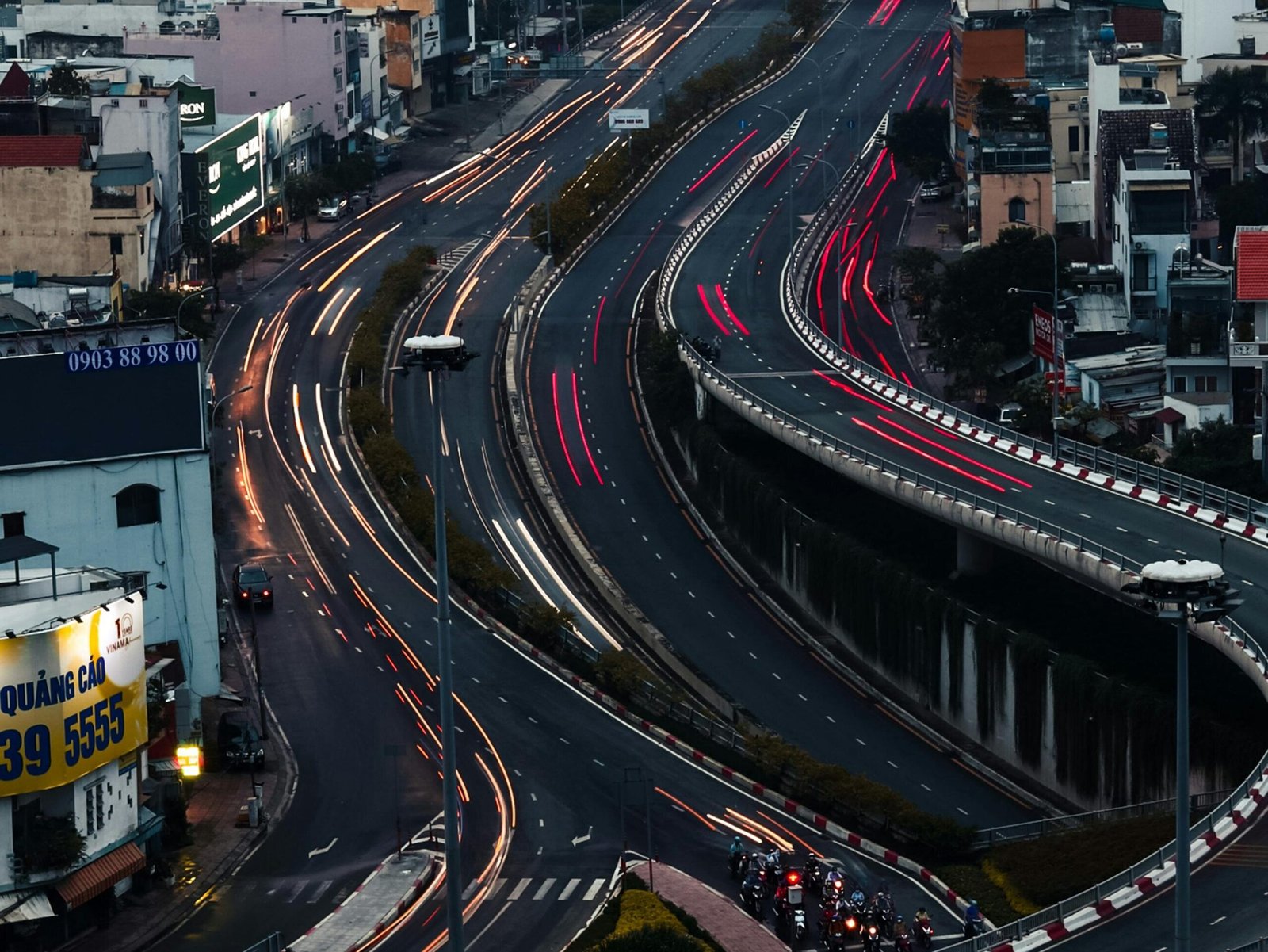
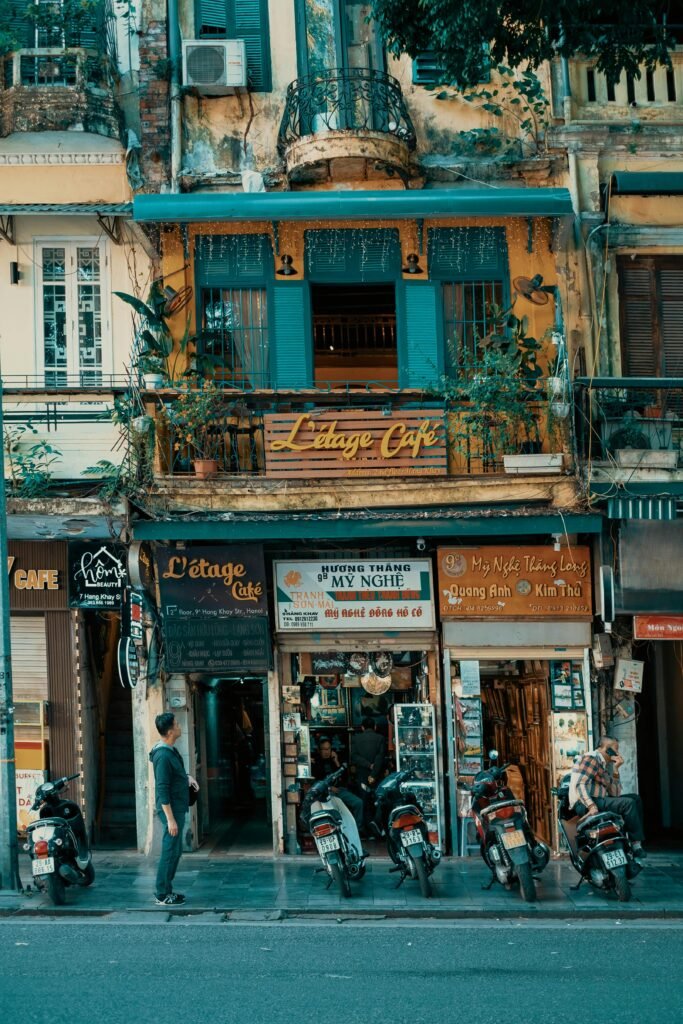
Motorbikes dominate daily transportation in Vietnam. They are used by locals for commuting, deliveries, and personal travel. In cities, motorbikes outnumber cars, creating a fast-paced traffic environment.
Renting a motorbike is popular among tourists who want flexibility and independence. Rental shops are easy to find, and prices are affordable. However, riding in Vietnam requires confidence, awareness, and patience.
Safety and Legal Considerations
Helmets are required by law, and wearing one is essential for safety. Traffic rules exist but are not always strictly followed, especially in busy urban areas. Foreigners should have a valid driving license or international driving permit to avoid fines and insurance problems.
Those unfamiliar with local traffic conditions may prefer using motorbike taxis rather than driving themselves.
Motorbike Taxis and Ride-Hailing Apps
Traditional Xe Om
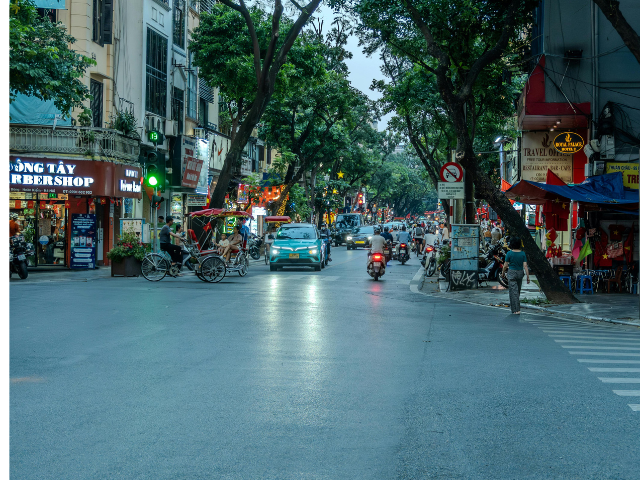
Xe om are traditional motorbike taxis found throughout Vietnam. Drivers usually wait at busy intersections, markets, and transportation terminals. Fares are typically negotiated before the ride, making it helpful to confirm the price in advance.
Ride-Hailing Services
Ride-hailing apps have become one of the most convenient transportation options in Vietnam. These services allow users to book motorbike taxis or cars with fixed pricing and GPS tracking. They are widely used in major cities and offer a safer, more transparent experience for foreigners.
Taxis and Private Car Services
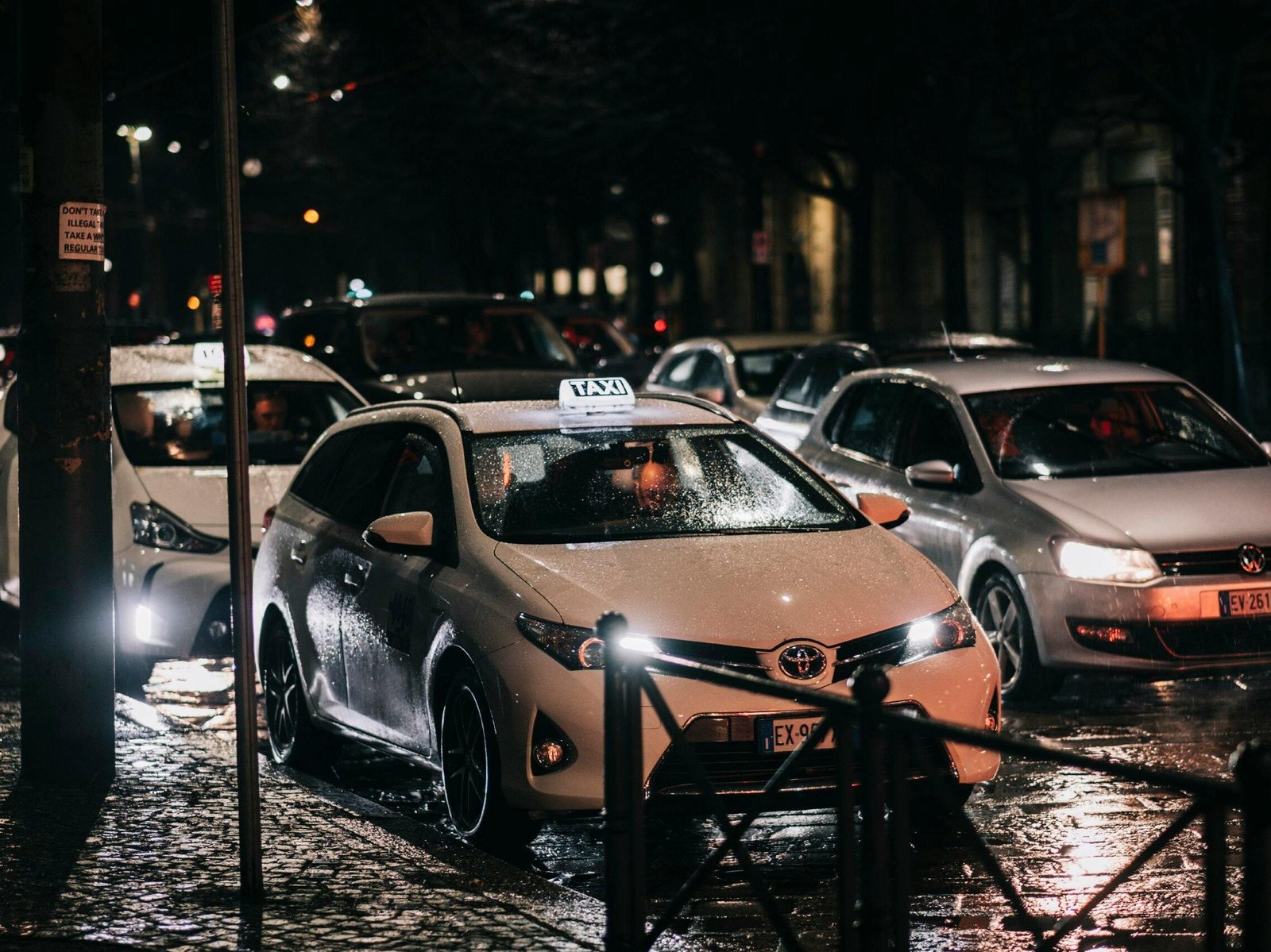
Taxis are widely available in cities and tourist areas. Metered taxis provide comfortable transportation, especially for airport transfers and longer trips within the city. Choosing reputable taxi companies helps avoid overcharging.
Private car services booked through ride-hailing platforms or hotels offer added comfort and convenience. Although more expensive than motorbikes, they remain affordable compared to transportation costs in many other countries.
Public Buses in Vietnam
City Bus Systems
Public buses are the most affordable way to travel within cities. They cover many routes and connect residential areas to business districts and tourist attractions. Fares are very low, making buses ideal for budget travelers.
Language barriers can be challenging, as route information is often in Vietnamese. Using navigation apps helps identify the correct bus and stop.
Long-Distance Buses
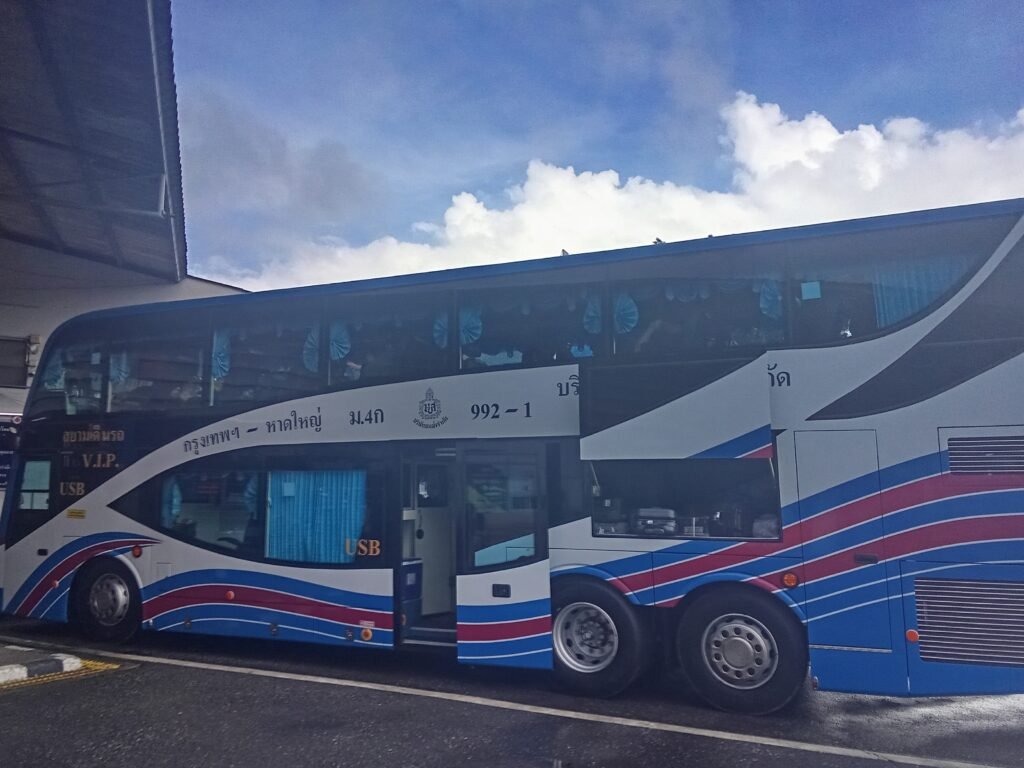
Long-distance buses connect cities and provinces across Vietnam. Sleeper buses are common for overnight travel and provide reclining seats or bunk beds. These buses are economical but can be less comfortable depending on the operator and road conditions.
Train Transportation in Vietnam
Vietnam Railways Network
Train travel is a popular option for long-distance journeys. The main north-to-south railway connects Hanoi and Ho Chi Minh City, passing through scenic destinations such as Hue, Da Nang, and Nha Trang.
Passengers can choose from different classes, including hard seats, soft seats, and sleeper cabins. Soft sleeper cabins are recommended for overnight travel and long distances.
Pros and Cons of Train Travel
Trains are safer and more comfortable than buses for extended trips and offer stunning views of Vietnam’s countryside and coastline. However, train travel takes longer than flying and may cost more than buses.
Domestic Flights in Vietnam
Fast Travel Between Major Cities
Domestic flights are the fastest way to travel long distances in Vietnam. Flights between Hanoi, Da Nang, and Ho Chi Minh City take less than two hours. Airfare is affordable, especially when booked early.
Airports and Transfers
Vietnam has numerous domestic airports serving both major cities and tourist destinations. Transportation from airports to city centers is convenient, with taxis, buses, and ride-hailing services readily available.
Metro and Urban Rail Systems
Vietnam’s major cities are gradually introducing metro systems to reduce congestion. Hanoi and Ho Chi Minh City have launched urban rail lines that offer clean, modern, and affordable transportation.
Although coverage is still limited, metro systems are expected to expand and play a significant role in the future of urban transportation in Vietnam.
Water Transportation in Vietnam
Ferries and River Transport
Water transportation is essential in coastal and river regions. Ferries connect the mainland to islands such as Phu Quoc and Cat Ba. In the Mekong Delta, boats are widely used for daily travel and trade.

Tourist Boat Services
Boat tours are popular in destinations like Ha Long Bay, Ninh Binh, and the Mekong Delta. These services allow travelers to explore Vietnam’s waterways while enjoying natural scenery.
Transportation Costs and Budget Tips
Transportation in Vietnam is generally inexpensive. Motorbike taxis and buses are the cheapest options, while trains and flights offer better comfort and speed. Combining different transport modes helps travelers manage both cost and time efficiently.
Planning routes in advance, booking tickets early, and using trusted platforms are effective ways to save money.
Tips for Navigating Transportation in Vietnam
Allow extra travel time, especially in large cities with heavy traffic. Use navigation apps for directions and fare estimates. Carry small cash for buses and traditional taxis, and always confirm prices before starting a trip.
Patience and flexibility are key when navigating transportation in Vietnam, particularly during peak hours and holidays.
FAQs About Transportation in Vietnam
Is transportation in Vietnam safe for tourists?
Transportation in Vietnam is generally safe, but traffic accidents do occur. Using reliable services and wearing safety gear significantly reduces risk.
What is the best way to travel long distances in Vietnam?
Domestic flights are the fastest option, while trains offer comfort and scenic views. Buses are the most budget-friendly choice.
Can foreigners drive in Vietnam?
Foreigners can drive legally with a valid license or international driving permit. Without proper documentation, driving may lead to fines or legal issues.
Are ride-hailing apps reliable in Vietnam?
Yes, ride-hailing apps are reliable and widely used, especially in major cities. They offer transparent pricing and convenient booking.
Is public transportation suitable for non-Vietnamese speakers?
Public transportation can be challenging due to language barriers, but navigation apps and ride-hailing services make travel much easier.
Final Thoughts on Transportation in Vietnam
Transportation in Vietnam is diverse, affordable, and continuously improving. Whether traveling by motorbike, bus, train, or plane, visitors have plenty of options to explore the country comfortably. While traffic may seem overwhelming at first, understanding local transportation systems makes traveling smoother and more enjoyable. With proper planning and the right choices, navigating transportation in Vietnam becomes a rewarding part of the travel experience.
For more tips on exploring Vietnam and insights into travel and business opportunities, check out our other detailed guides that can help you plan your next adventure or investment with confidence. CLICK HERE!



🌏 Trivia of the Day
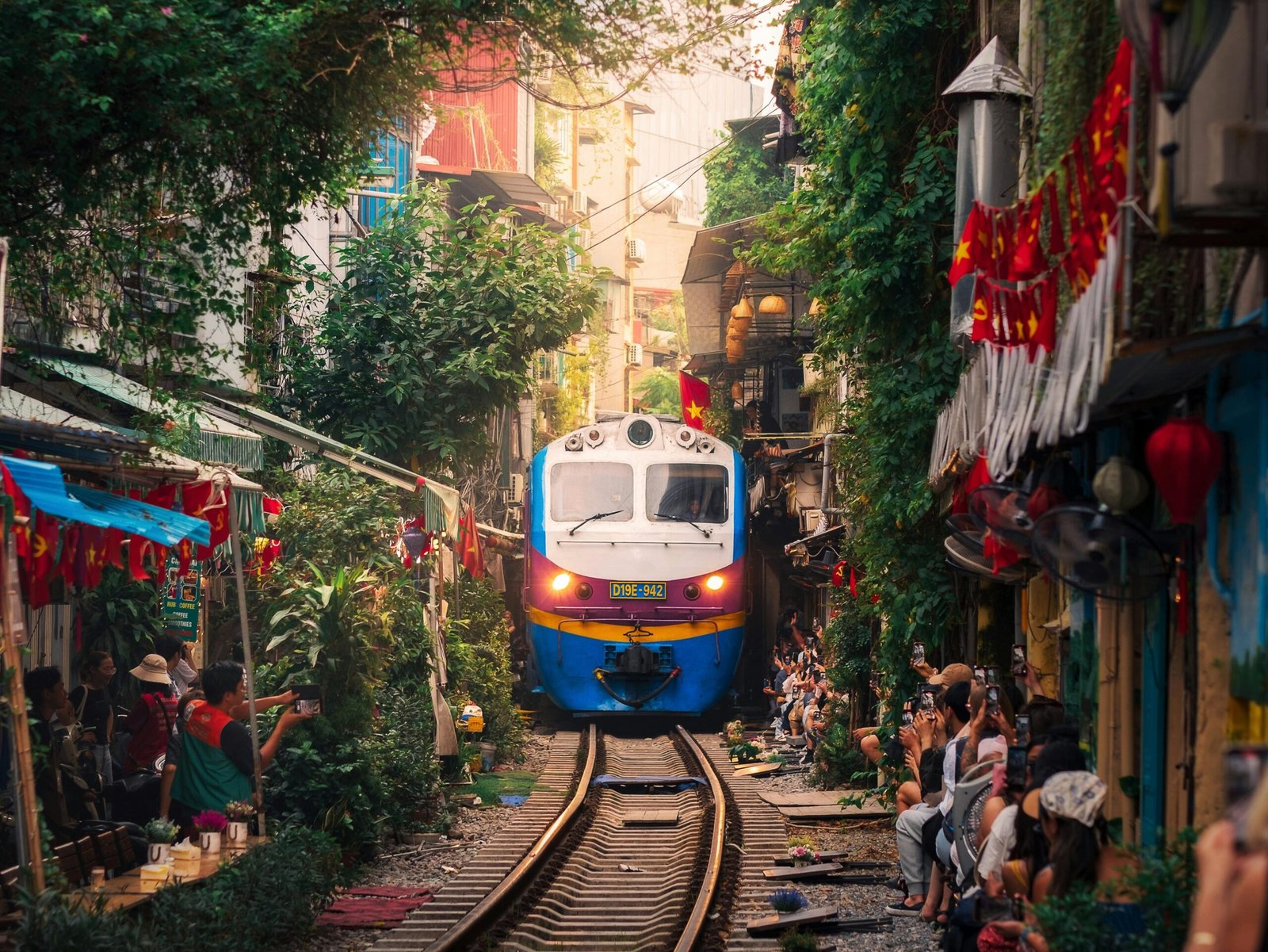
Hanoi Train Street: While not a train service fact, it is a famous rail trivia point—there is a narrow residential street in Hanoi where the train passes within inches of people’s front doors and cafes several times a day
🌏 Photo of the Day