Thailand is known as the “Land of Smiles,” and this reputation comes from more than just friendly faces. Deep-rooted traditions, social etiquette, and cultural values shape everyday life in the country. Understanding the local customs in Thailand is essential for travelers, expatriates, and business professionals who want to build positive relationships and avoid unintentional disrespect.
Thai culture emphasizes politeness, respect, and harmony. While locals are generally forgiving toward visitors, making an effort to follow cultural norms shows appreciation and cultural sensitivity. This guide explores the most important Thai customs, traditions, and social rules you should know before visiting or living in Thailand.
Understanding Thai Culture and Values
Respect and Hierarchy in Thai Society
Thai society places great importance on respect, particularly toward elders, authority figures, and monks. Age, social status, and professional rank influence how people interact. Younger individuals typically show deference through polite language and body gestures.
Social harmony is highly valued, and public confrontation is avoided whenever possible. Thais prefer calm, respectful communication and often use indirect language to prevent embarrassment or conflict.
The Importance of “Saving Face”
Saving face refers to preserving dignity and avoiding public embarrassment. Criticizing someone openly or expressing anger can cause loss of face, which is considered disrespectful. Instead, Thais favor patience, gentle communication, and diplomacy.
Smiling plays a significant role in Thai interactions. A smile can express friendliness, apology, discomfort, or even disagreement, depending on the situation.
Greetings and Social Etiquette in Thailand
The Wai Greeting
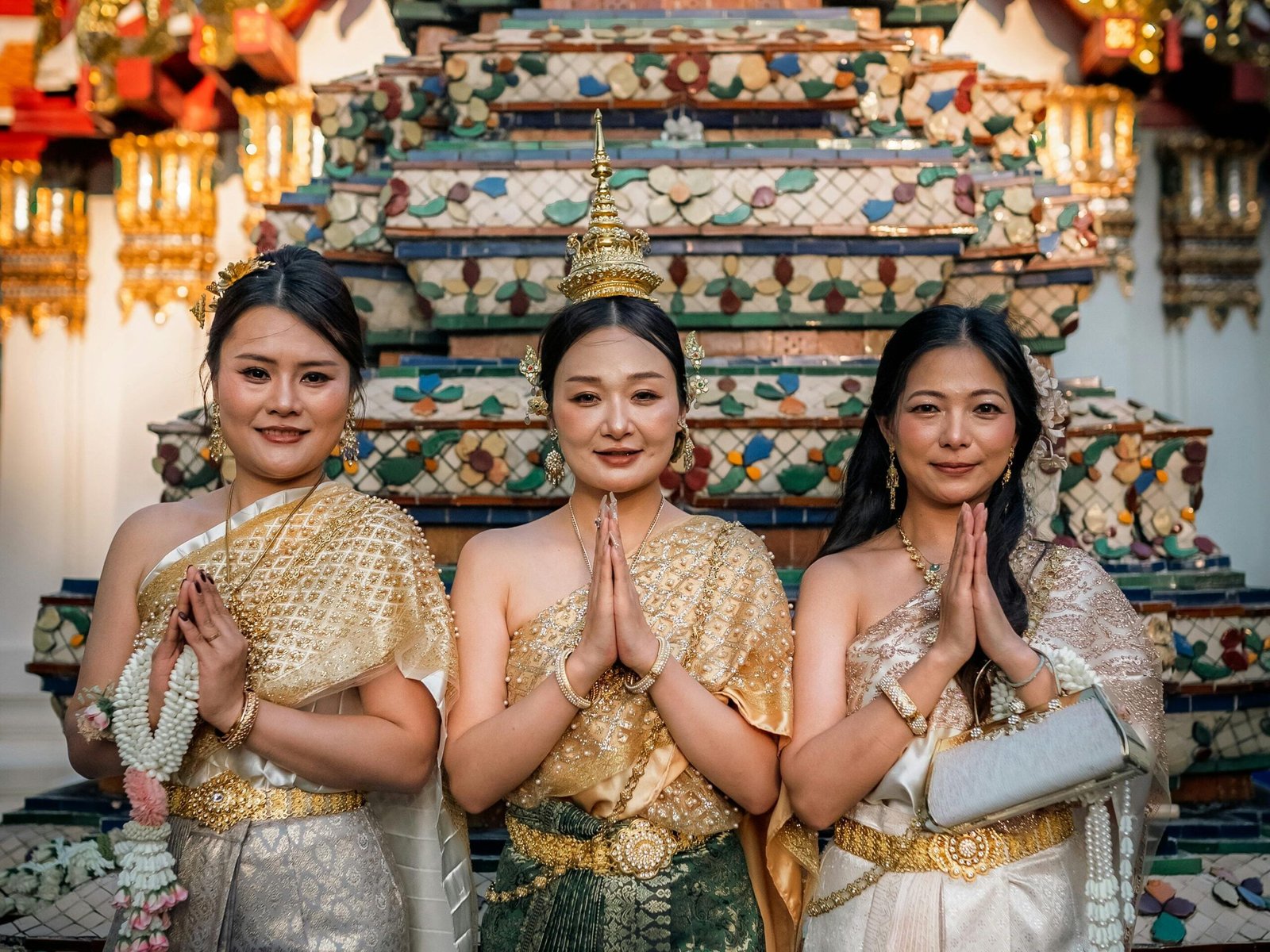
The traditional Thai greeting, known as the wai, involves pressing the palms together and bowing slightly. The height of the hands and depth of the bow depend on the social status of the person being greeted.
While foreigners are not expected to initiate the wai in all situations, returning one is polite. However, it is not necessary to wai children, service staff, or vendors.
Verbal Greetings and Politeness
Thais often greet one another with “Sawasdee,” followed by polite particles. Men say “krub,” while women say “ka” to sound respectful. Adding these particles to sentences shows good manners and cultural awareness.
Using polite language is especially important when speaking to elders or people in professional settings.
Dress Code and Appearance
Appropriate Clothing in Public Spaces
Modest clothing is expected in many public areas, particularly temples and government buildings. Wearing revealing outfits, such as short shorts or sleeveless tops, can be considered inappropriate in formal or sacred spaces.
Clean and neat attire reflects respect. While casual clothing is acceptable in tourist areas, dressing conservatively demonstrates cultural sensitivity.
Temple Dress Etiquette
When visiting temples, visitors must cover their shoulders and knees. Shoes must be removed before entering temple buildings. Many temples provide cover-ups, but it is best to dress appropriately in advance.
Head coverings are generally not required, but sunglasses and hats should be removed when entering sacred areas.
Religious Customs and Beliefs
Respect for Buddhism
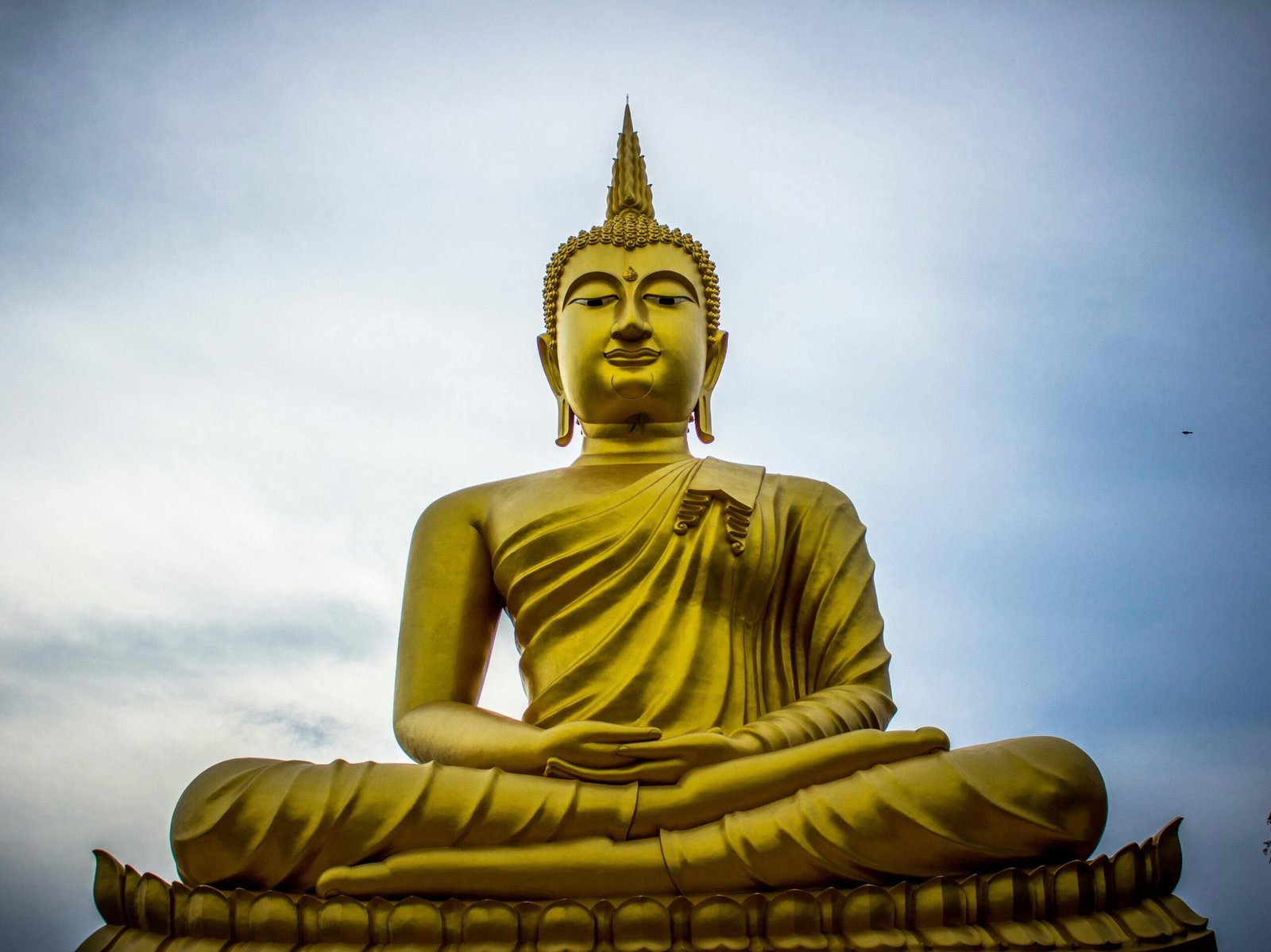
Buddhism plays a central role in Thai life. Monks are highly respected and follow strict rules. Women should never touch monks or hand items directly to them. Instead, items should be placed on a cloth or handed through a male intermediary.
Statues of Buddha, regardless of size or condition, are considered sacred. Climbing on them or posing disrespectfully for photos is offensive.
Spirit Houses and Local Beliefs
Many Thai homes and businesses have spirit houses to honor protective spirits. These small shrines receive daily offerings such as food, flowers, and incense. Touching or moving a spirit house without permission is considered disrespectful.
Superstitions and spiritual beliefs influence daily decisions, from choosing wedding dates to opening businesses.
Dining Etiquette and Table Manners
How Meals Are Shared
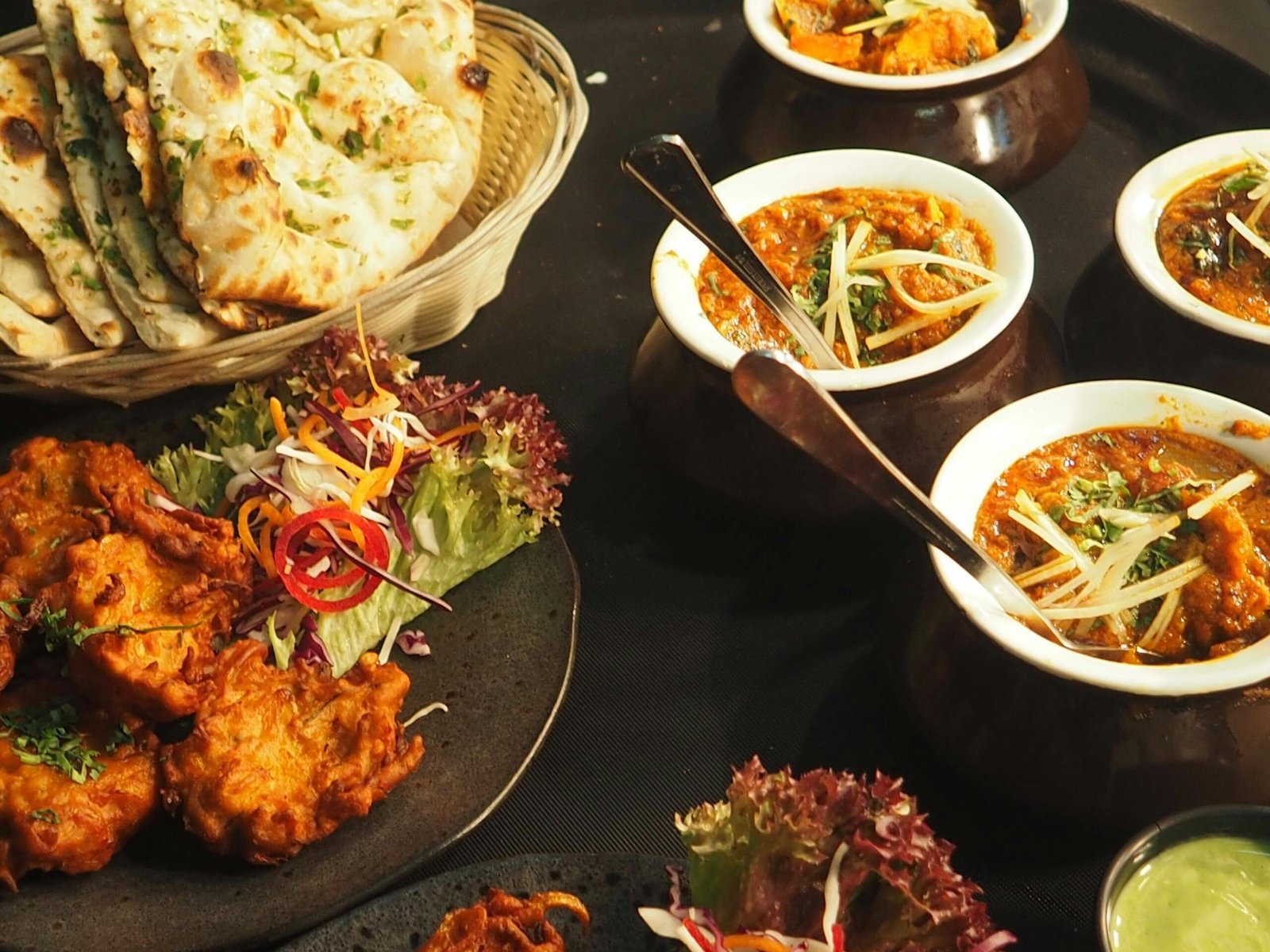
Thai meals are typically shared, with several dishes placed in the center of the table. Each person takes small portions onto their plate. Sharing food reflects community and togetherness.
Forks and spoons are commonly used, with the spoon being the primary utensil. Forks are mainly used to push food onto the spoon.
Polite Dining Practices
Pointing feet toward others while sitting is considered rude. Additionally, it is polite to wait for elders to begin eating before starting a meal.
Leaving a small amount of food on your plate can indicate satisfaction, while finishing everything may suggest you are still hungry.
Body Language and Social Behavior
The Importance of the Head and Feet
The head is considered the most sacred part of the body, while the feet are viewed as the lowest. Touching someone’s head, even playfully, is inappropriate. Similarly, pointing feet at people, religious objects, or images of the king is disrespectful.
When sitting on the floor, Thais often tuck their feet behind them to avoid pointing them outward.
Public Displays of Affection
Public displays of affection are generally discouraged in Thailand. Holding hands is acceptable, but hugging or kissing in public may attract unwanted attention, especially in rural areas.
Maintaining modest behavior in public spaces reflects respect for cultural norms.
Respect for the Monarchy and National Symbols
Royal Family Etiquette
The Thai monarchy is deeply revered. Speaking negatively about the royal family is illegal and taken very seriously. Visitors should avoid discussing the monarchy in critical terms.
Images of the king appear throughout the country, and treating them with respect is expected at all times.
National Anthem and Flag
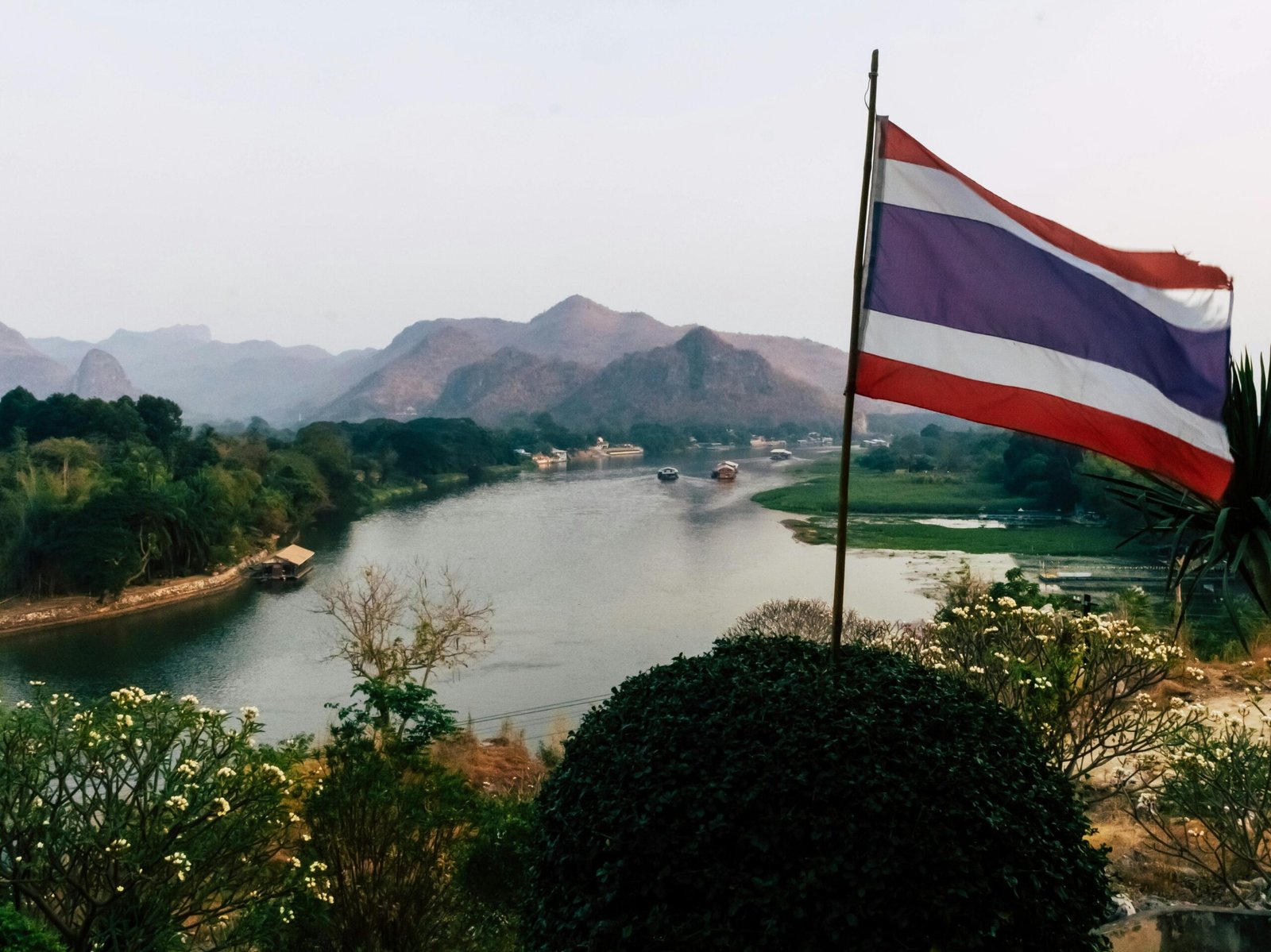
The national anthem plays daily in public places, often at 8 a.m. and 6 p.m. When it plays, people stop what they are doing and stand still as a sign of respect.
Stepping on currency is also considered disrespectful because it features the king’s image.
Business Customs in Thailand
Professional Etiquette
Business interactions in Thailand value politeness, patience, and relationship-building. Initial meetings often focus on establishing trust rather than making immediate decisions.
Titles and surnames are used in formal settings. Exchanging business cards with both hands and taking a moment to read the card shows respect.
Decision-Making Style
Decisions may take time, as consensus and hierarchy influence outcomes. Pressuring or rushing business partners can harm relationships.
Maintaining a calm and respectful demeanor enhances credibility and trust.
Festivals and Traditional Celebrations
Songkran Festival
Songkran, the Thai New Year, is celebrated in April and is famous for its water festivals. Beyond the fun, it represents cleansing, renewal, and respect for elders through traditional water-pouring rituals.
Loy Krathong Festival
Loy Krathong takes place in November and involves floating decorative baskets on water to honor the goddess of water. The festival symbolizes letting go of negativity and making wishes for the future.
Participating respectfully in festivals allows visitors to experience Thai culture more deeply.
FAQs About Local Customs in Thailand
Is it rude not to wai in Thailand?
Foreigners are not expected to initiate the wai, but returning one is polite. A smile and verbal greeting are also acceptable.
Can tourists wear casual clothes everywhere?
Casual clothing is fine in tourist areas, but modest attire is required in temples and official buildings.
Is bargaining acceptable in Thailand?
Bargaining is common in markets but should be done politely and with a smile. Aggressive bargaining is frowned upon.
Are tattoos offensive in Thailand?
Tattoos are generally accepted, but religious or royal images should be treated with respect and not displayed inappropriately.
What should I do if I make a cultural mistake?
A sincere smile and polite apology usually resolve the situation. Thais appreciate genuine efforts to respect their culture.
Final Thoughts on Local Customs in Thailand
Understanding local customs in Thailand enhances your travel experience and helps you connect meaningfully with the people. Thai culture values respect, humility, and kindness, and even small gestures can leave a lasting positive impression.
By observing etiquette, dressing appropriately, and communicating politely, visitors show appreciation for Thailand’s rich cultural heritage. Whether you are traveling for leisure, work, or long-term stay, embracing Thai customs fosters mutual respect and unforgettable experiences in the Land of Smiles.
If you enjoyed learning about local customs in Thailand, explore our other travel guides and business insights to help you navigate new destinations confidently and make informed decisions wherever your journey takes you next. Read here!



Pingback: Celebrating Songkran: The Vibrant Thai New Year Festival