Introduction to Filipino Culture and Customs
The Philippines, an archipelago rich in history and traditions, combines indigenous, Spanish, American, and Asian influences. This unique blend creates a vibrant society that values family, respect, and community. Understanding the local customs in the Philippines helps visitors and expatriates appreciate Filipino culture more deeply. These customs reflect the values that define the Filipino identity.
Filipinos are famous for their warmth, hospitality, and respect for elders. This friendliness makes the country welcoming to tourists and foreigners alike. From greetings to religious practices and festivals, these customs shape daily life and showcase the richness of Filipino culture.
Filipino Greetings and Etiquette
Greetings and Respect
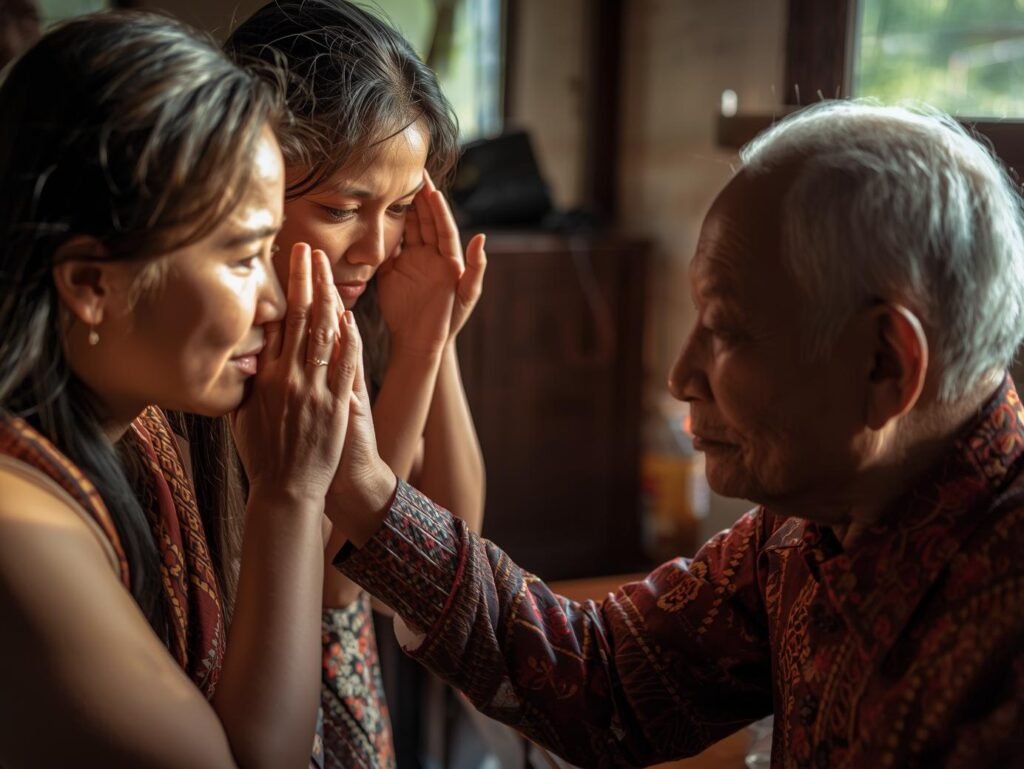
One of the most important local customs in the Philippines involves showing respect, especially to elders. Young people perform the gesture called “mano”, pressing an elder’s hand to their forehead. This simple act demonstrates politeness and reverence and remains widely practiced, particularly in rural areas and during family gatherings.
Filipinos also greet one another politely with phrases like “Good morning,” “Good afternoon,” or “Good evening,” usually accompanied by a smile. They often add “po” or “opo” to show respect when addressing elders or superiors.
Dining Etiquette
Filipinos place great importance on dining etiquette. Guests typically wait for the eldest person to start eating before they begin. Families often share meals generously, and hosts offer food to ensure everyone feels welcome. Visitors who follow these customs show respect and build stronger connections with locals.
Filipino Family and Social Values
Importance of Family
Family lies at the heart of Filipino life. Extended families often live together or nearby, sharing responsibilities and celebrating special occasions. Respect for elders and care for younger members are fundamental values. These principles influence many local customs in the Philippines, including celebrations and daily decision-making.
Bayanihan: Community Spirit
Filipinos embrace the concept of bayanihan, a spirit of community and cooperation. Traditionally, neighbors helped a family move their house, but today, this value extends to modern acts of kindness. Communities work together during festivals, neighborhood activities, and disaster relief, demonstrating solidarity and mutual support.
Religious Practices and Beliefs
Predominantly Catholic Traditions
Catholicism profoundly shapes Filipino customs due to Spanish colonization. Religion influences festivals, rituals, and daily life. Many Filipinos attend Sunday Mass, pray regularly, and participate in religious events.
Festivals and Religious Customs
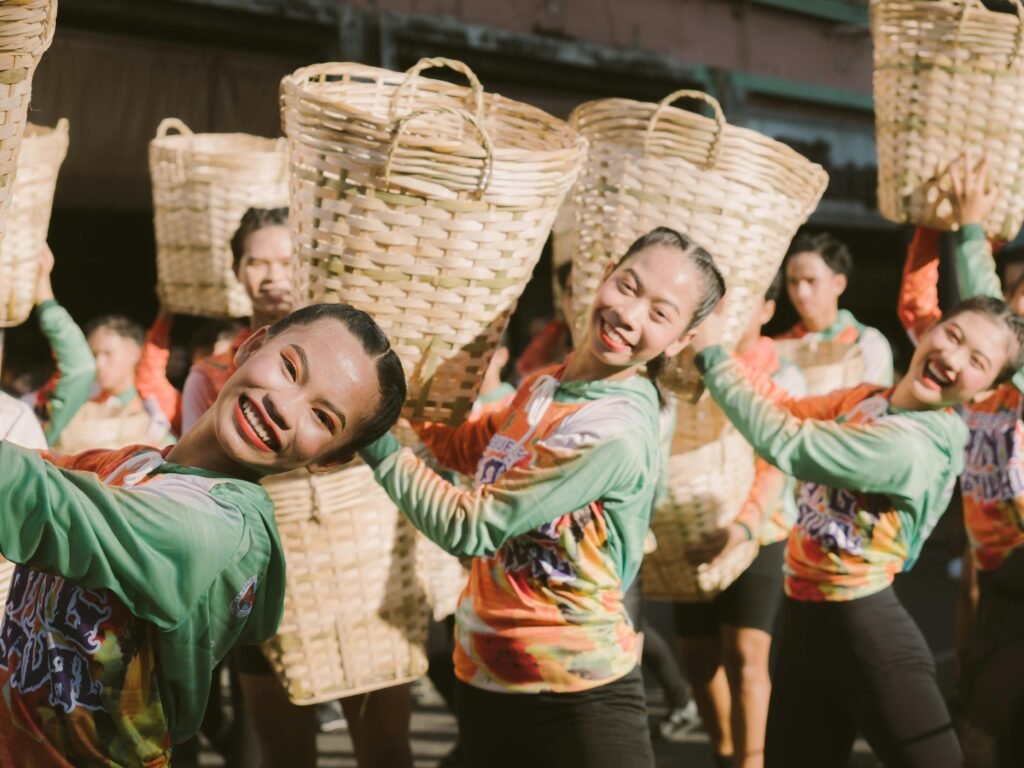
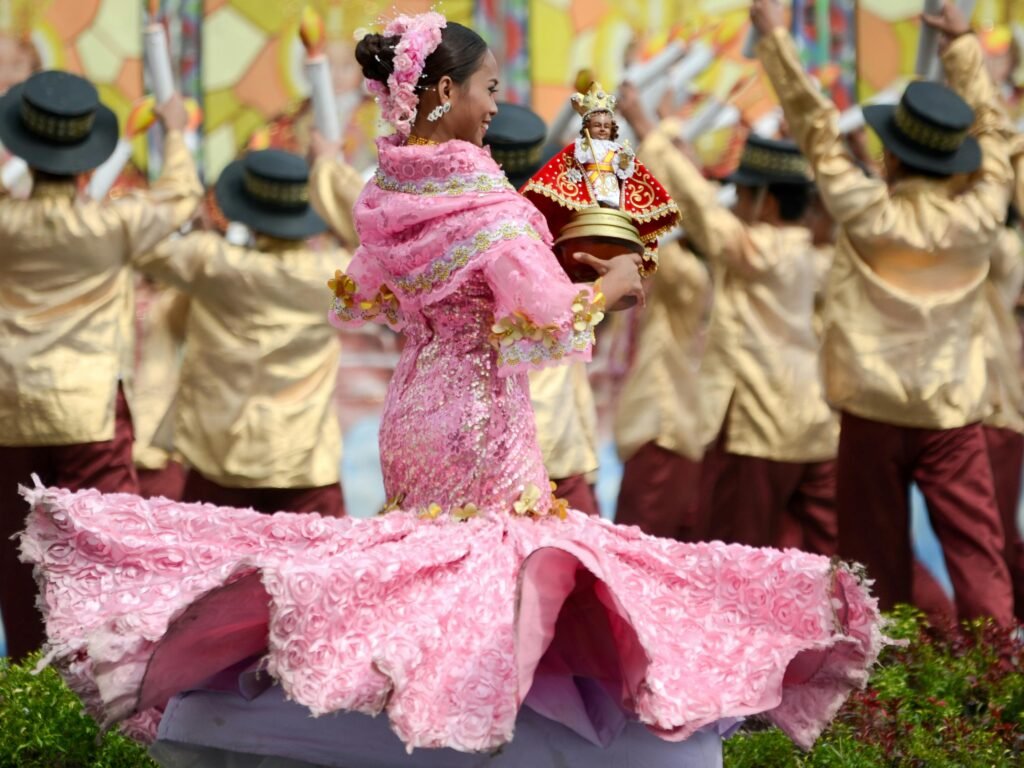
Filipino festivals, or fiestas, celebrate patron saints, historical events, or local culture. For example, the Sinulog Festival in Cebu, the Ati-Atihan Festival in Aklan, and the Pahiyas Festival in Lucban attract large crowds. During these celebrations, locals organize parades, dances, and religious ceremonies, combining devotion with community pride.
Traditional Clothing and Attire
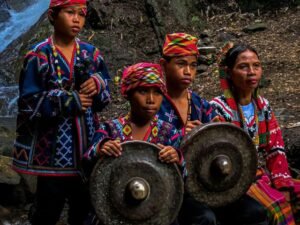
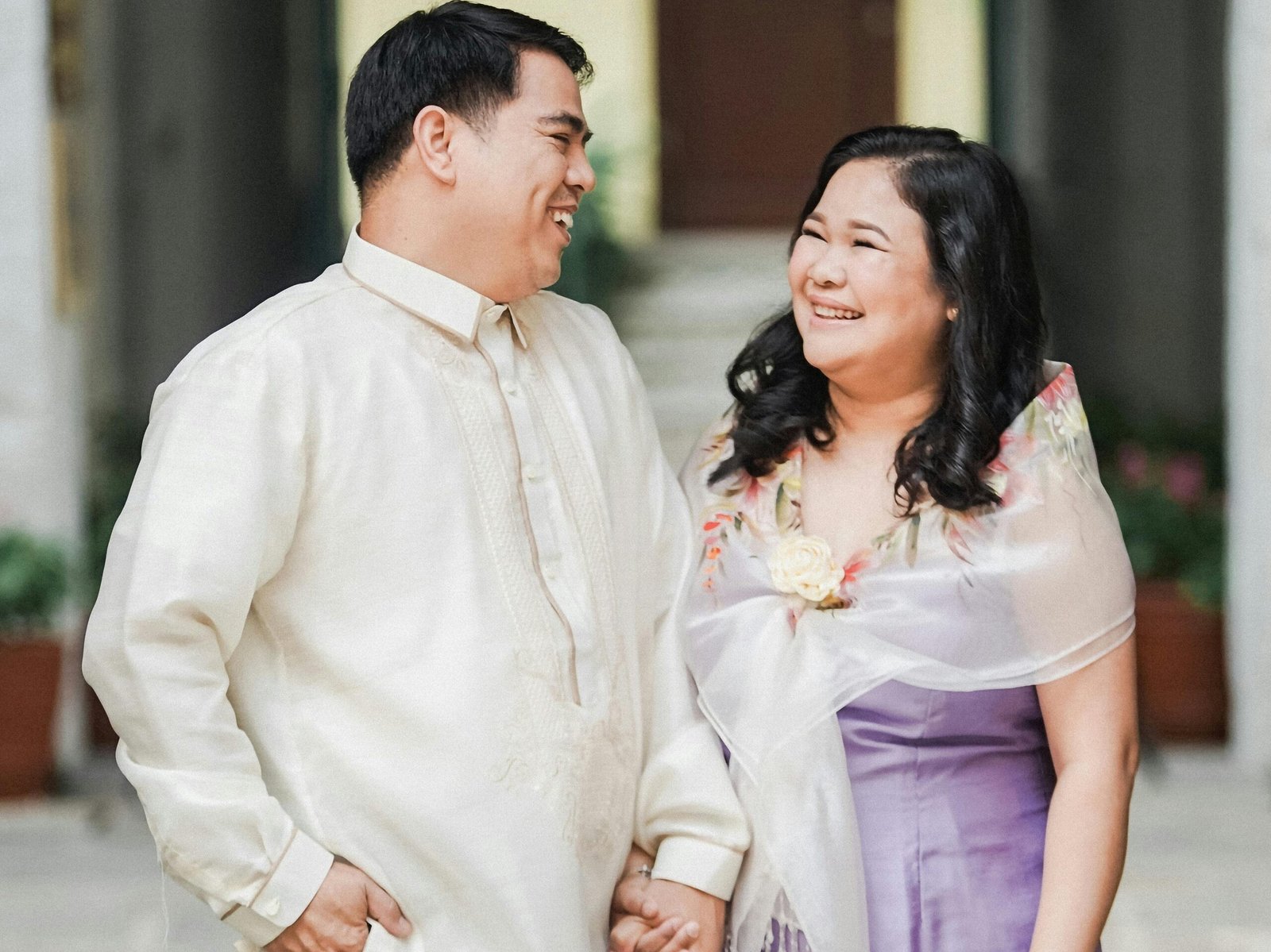
Traditional Filipino clothing varies by region and occasion. Women often wear the baro’t saya, while men may wear the barong Tagalog. Festivals and formal events showcase these garments to honor heritage and express cultural pride.
Filipino Hospitality and Gift-Giving
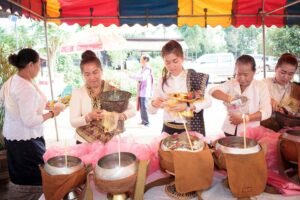
Filipinos earn a reputation for warm hospitality. They often offer food, drinks, and accommodations to guests, regardless of household size. They value thoughtful gift-giving during holidays, birthdays, and social visits. These gestures strengthen social bonds and demonstrate care.
Visiting Etiquette
When visiting a Filipino home, guests usually bring a small gift, remove shoes if requested, and greet every household member. Expressing gratitude for the host’s generosity is essential and highly appreciated.
Filipino Celebrations and Special Occasions
Birthdays and Weddings
Filipino birthdays often feature family and friends, large feasts, and gift exchanges. Quinceañeras, called debut, celebrate a girl’s 18th birthday with elaborate parties.
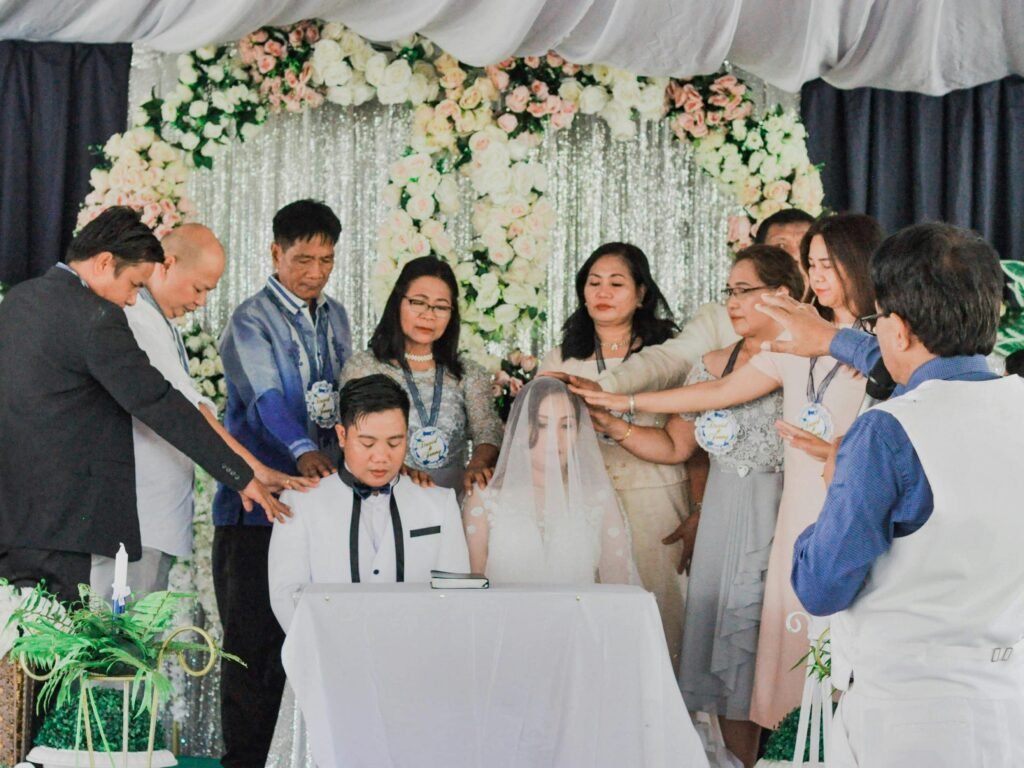
Weddings represent major events. Couples may have Catholic or civil ceremonies, followed by receptions with traditional dances, music, and food. Filipino weddings often include cultural elements such as arras (coins symbolizing prosperity) and veil and cord rituals symbolizing unity.
National Holidays
Filipinos celebrate national holidays like Independence Day, Christmas, and New Year with enthusiasm. The Philippines holds one of the longest Christmas seasons globally, running from September to January. Communities organize parades, caroling, and festive decorations, highlighting Filipino traditions.
Language and Communication Customs
Filipinos speak multiple languages, including Filipino and English as official languages. Regional languages like Cebuano, Ilocano, and Hiligaynon remain widespread. Communication emphasizes politeness, humility, and harmony. People often use indirect speech and gestures to show respect and avoid conflict.
FAQs About Local Customs in the Philippines
Q1: What is the significance of “mano po” in Filipino culture?
A1: “Mano po” shows respect to elders. A younger person takes an elder’s hand and presses it to their forehead, symbolizing reverence and politeness.
Q2: How do Filipinos celebrate festivals?
A2: Filipinos celebrate festivals, or fiestas, with parades, dances, and religious ceremonies. Each festival honors local traditions, history, or patron saints.
Q3: What is bayanihan in Filipino culture?
A3: Bayanihan represents communal unity and cooperation. Traditionally, neighbors helped each other with tasks like moving houses, and today it extends to acts of kindness and community support.
Q4: Are there special customs when visiting a Filipino home?
A4: Guests bring small gifts, remove shoes if requested, greet all family members, and show appreciation for the host’s hospitality.
Q5: What role does religion play in Filipino customs?
A5: Religion, especially Catholicism, influences festivals, rituals, and daily practices like prayer and attending Mass.
Final Thoughts on Local Customs in the Philippines
Learning about local customs in the Philippines allows visitors to connect meaningfully with Filipino culture. Respect for elders, warm hospitality, strong family ties, and vibrant celebrations reflect a society grounded in compassion and community. Embracing these customs enriches experiences and helps build genuine relationships. Filipino culture offers an inspiring blend of tradition, resilience, and joyful celebration, making every visit memorable.
Curious to explore more of the Philippines? Check out our travel guides for must-visit destinations or discover business insights that can help you thrive in this vibrant country. Read HERE!