Brunei Darussalam, a small yet culturally rich nation on the island of Borneo, has a musical heritage that reflects its deep Malay roots, Islamic values, and modern identity. While Brunei is best known for its wealth and serene landscapes, its music scene also offers a fascinating blend of ancient traditions, royal court performances, and contemporary pop sounds.
In this article, we’ll explore the history of Bruneian music, traditional instruments, the role of music in local culture, and how younger generations are keeping Brunei’s musical traditions alive in the digital era.
A Brief History of Brunei’s Music
The origins of music in Brunei can be traced back centuries, long before the arrival of modern entertainment and international influences. Traditional Bruneian music developed from the wider musical traditions of the Malay Archipelago. As a result, Brunei shares some musical similarities with neighboring Malaysia and Indonesia, while still maintaining its own unique cultural identity.
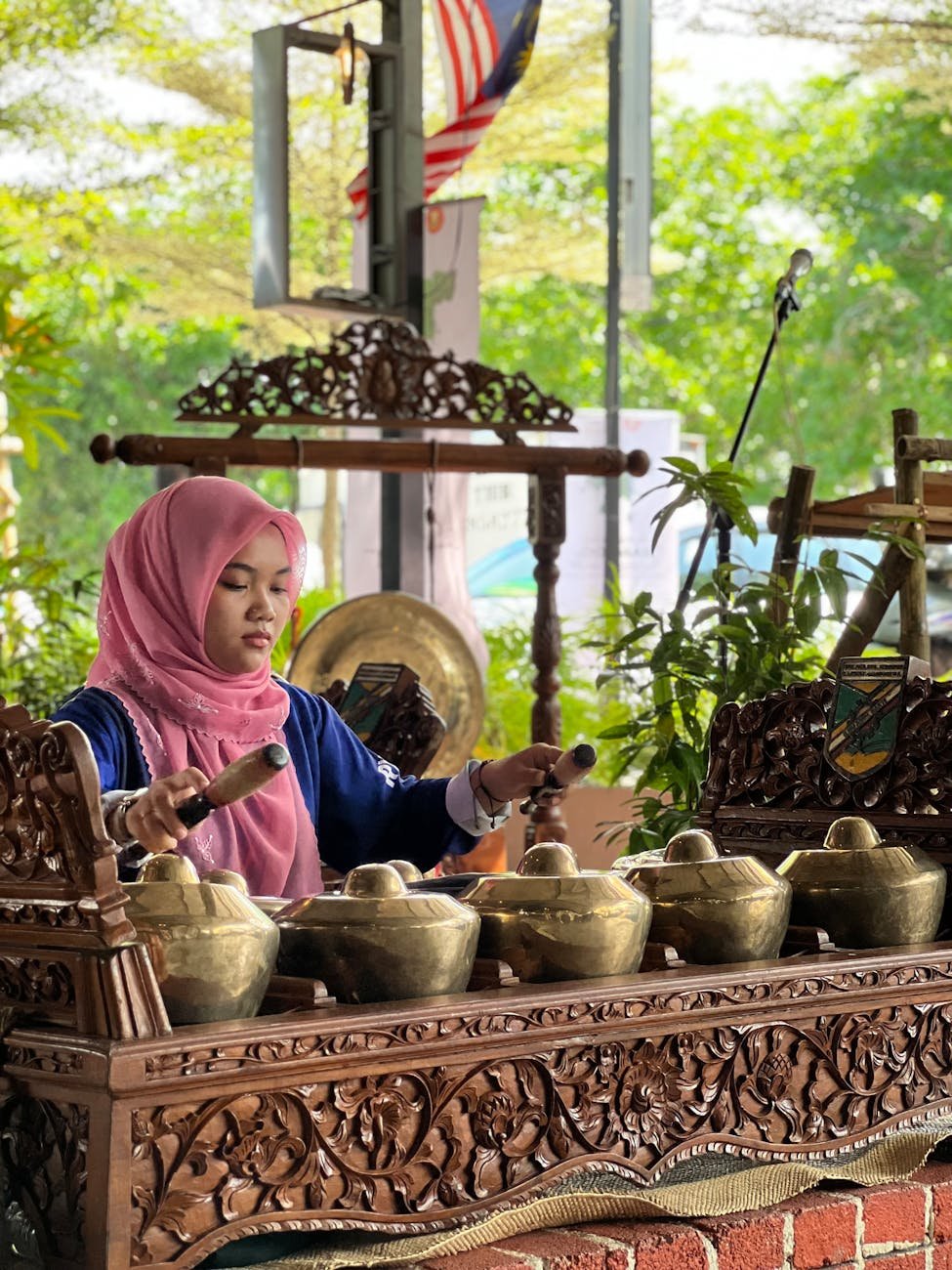
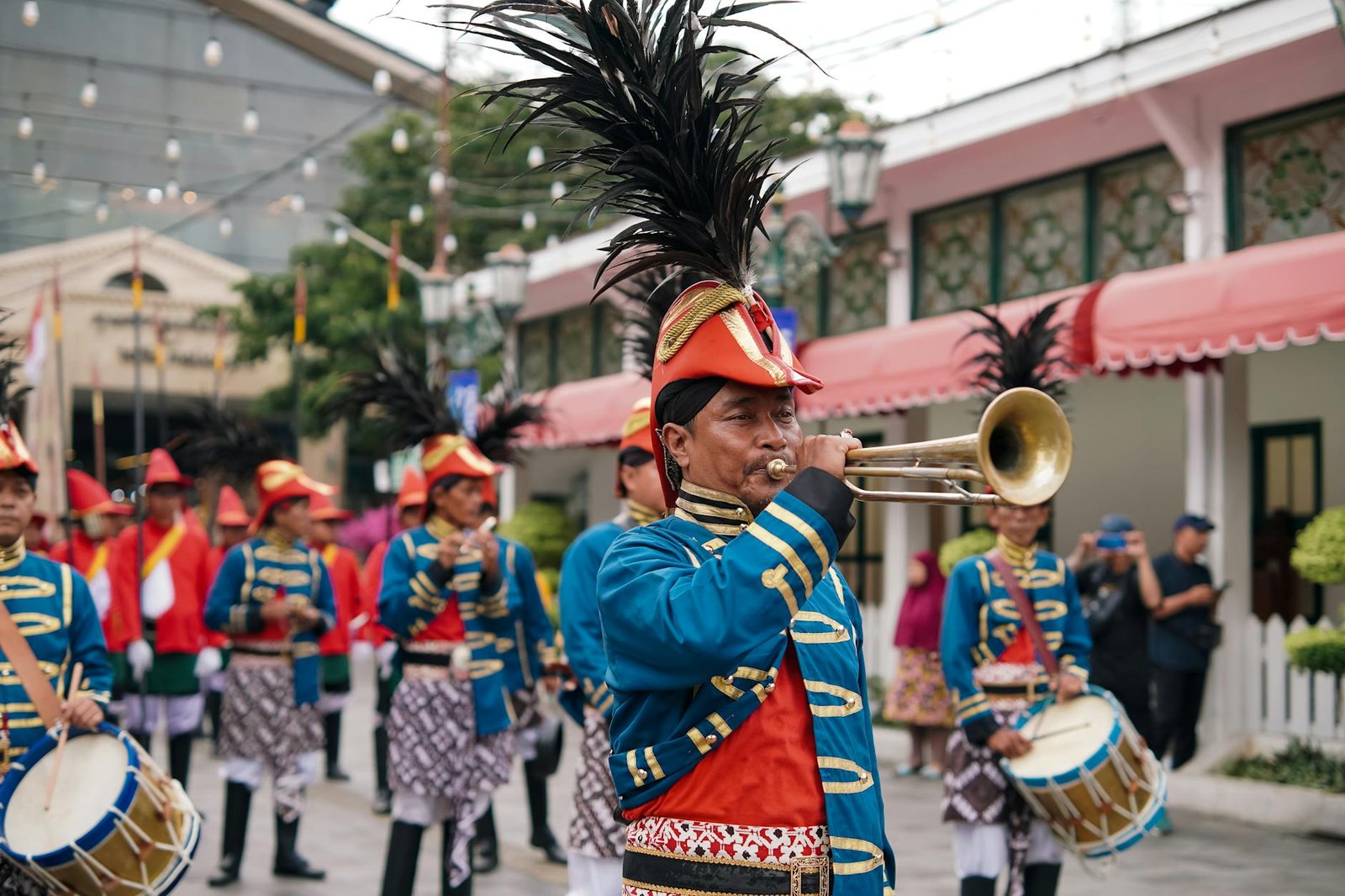
In the past, music played an important role in royal ceremonies, weddings, religious events, and community celebrations. Court musicians often performed for the Sultan and members of the royal family. They used traditional instruments such as the gulingtangan and the gendang labik to create rhythmic and ceremonial sounds.
As Brunei gradually opened to outside influences, musicians began adopting new instruments and musical styles from neighboring countries. In particular, Malaysian and Indonesian music had a strong impact on Brunei’s evolving music scene. Over time, these influences blended with local traditions and helped shape the modern Bruneian sound heard today.
Brunei Darussalam, a small yet culturally rich nation on the island of Borneo, has a musical heritage that reflects its deep Malay roots, Islamic values, and modern identity. Although Brunei is widely known for its wealth and peaceful landscapes, the country also has a vibrant music culture. Traditional melodies, royal court performances, and modern pop music all play an important role in shaping Brunei’s unique identity.
In this article, we’ll explore the history of Bruneian music, traditional instruments, the role of music in local culture, and the ways younger generations are preserving Brunei’s musical traditions in the digital age.
A Brief History of Brunei’s Music
The origins of music in Brunei date back centuries, long before modern entertainment and international influences reached the country. Traditional Bruneian music grew from the broader musical traditions of the Malay Archipelago. Because of this shared heritage, Brunei’s music has similarities with the sounds of Malaysia and Indonesia while still maintaining its own distinctive style.
Historically, music was closely connected to royal ceremonies, weddings, religious gatherings, and village celebrations. Musicians performed during important cultural events and often entertained the Sultan and members of the royal family. Traditional instruments such as the gulingtangan and the gendang labik created rhythmic sounds that became closely associated with Bruneian culture.
Over the years, Brunei became more connected to neighboring countries and international influences. As a result, new musical styles and instruments entered the local music scene. Malaysian and Indonesian music, in particular, influenced Bruneian musicians and helped shape the country’s evolving sound. Eventually, these outside influences blended with local traditions, creating the modern Bruneian music scene that exists today.
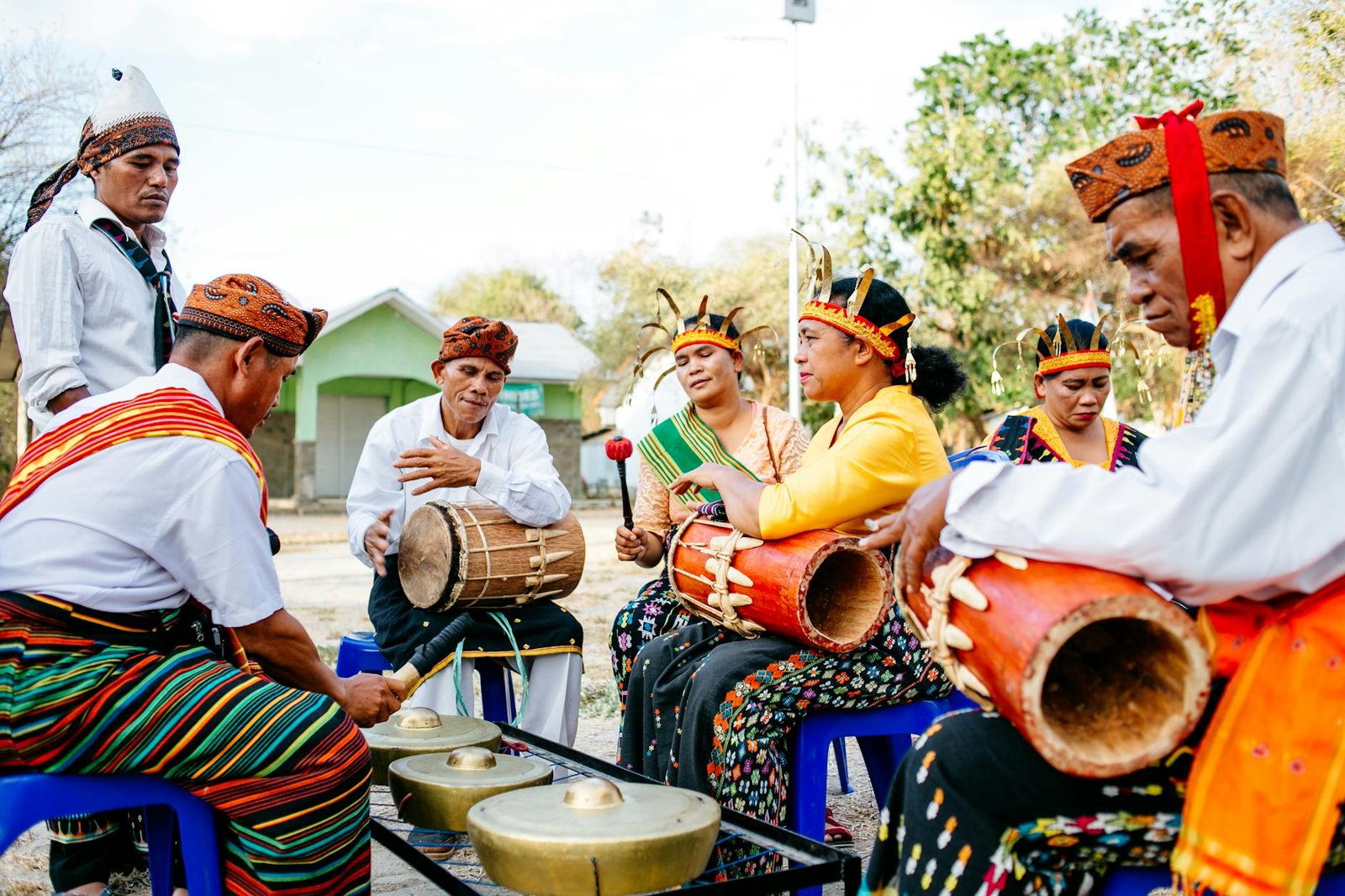
Gendang Labik
The gendang labik is a double-headed drum made from wood and animal skin. It provides rhythm and is played in pairs or groups to create complex beats that accompany dances and songs.
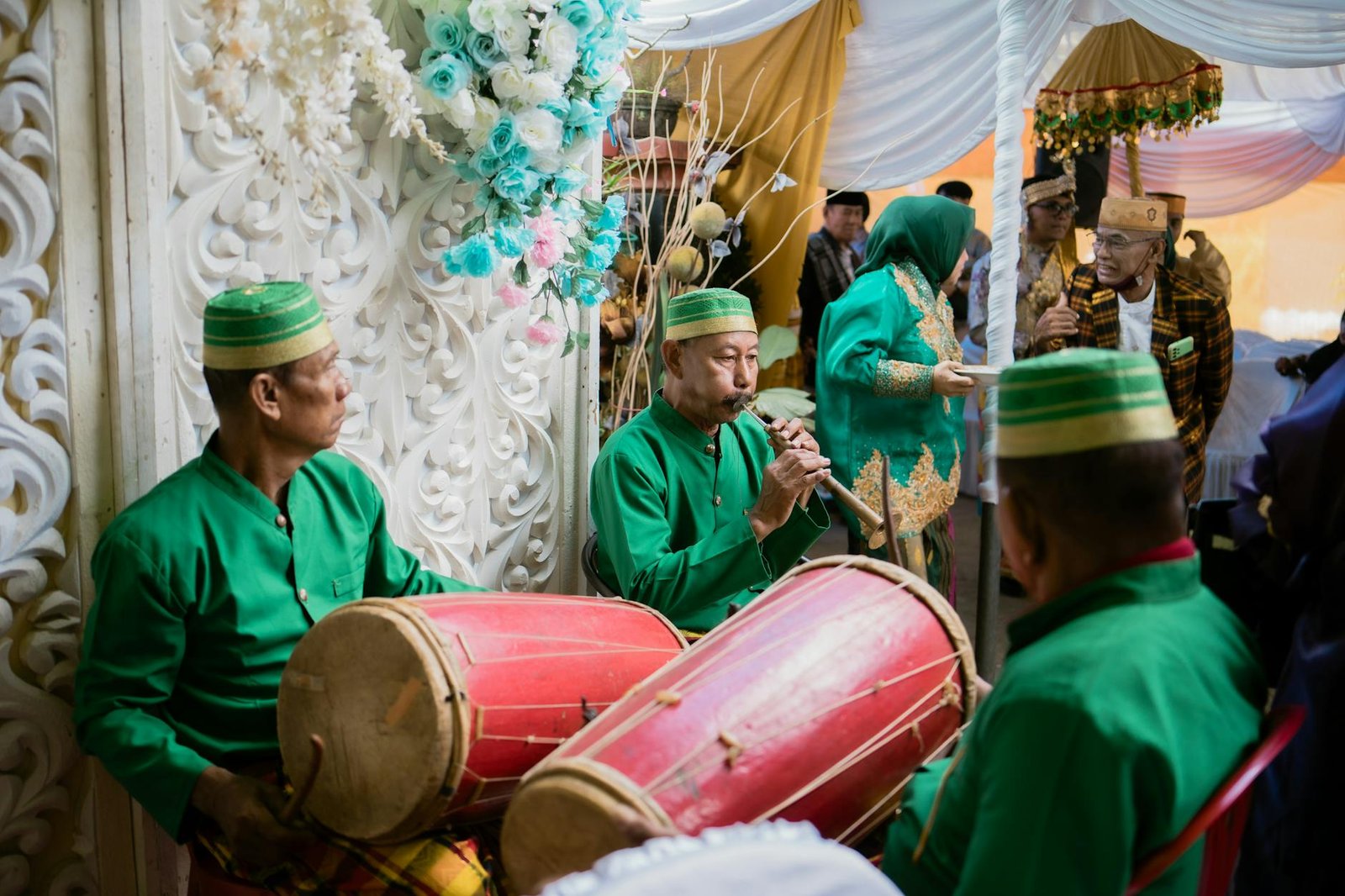
Gambus
The gambus is a lute-like string instrument that reflects Middle Eastern influence, brought to Brunei through Islamic culture and trade. It’s often played during religious events and traditional gatherings.
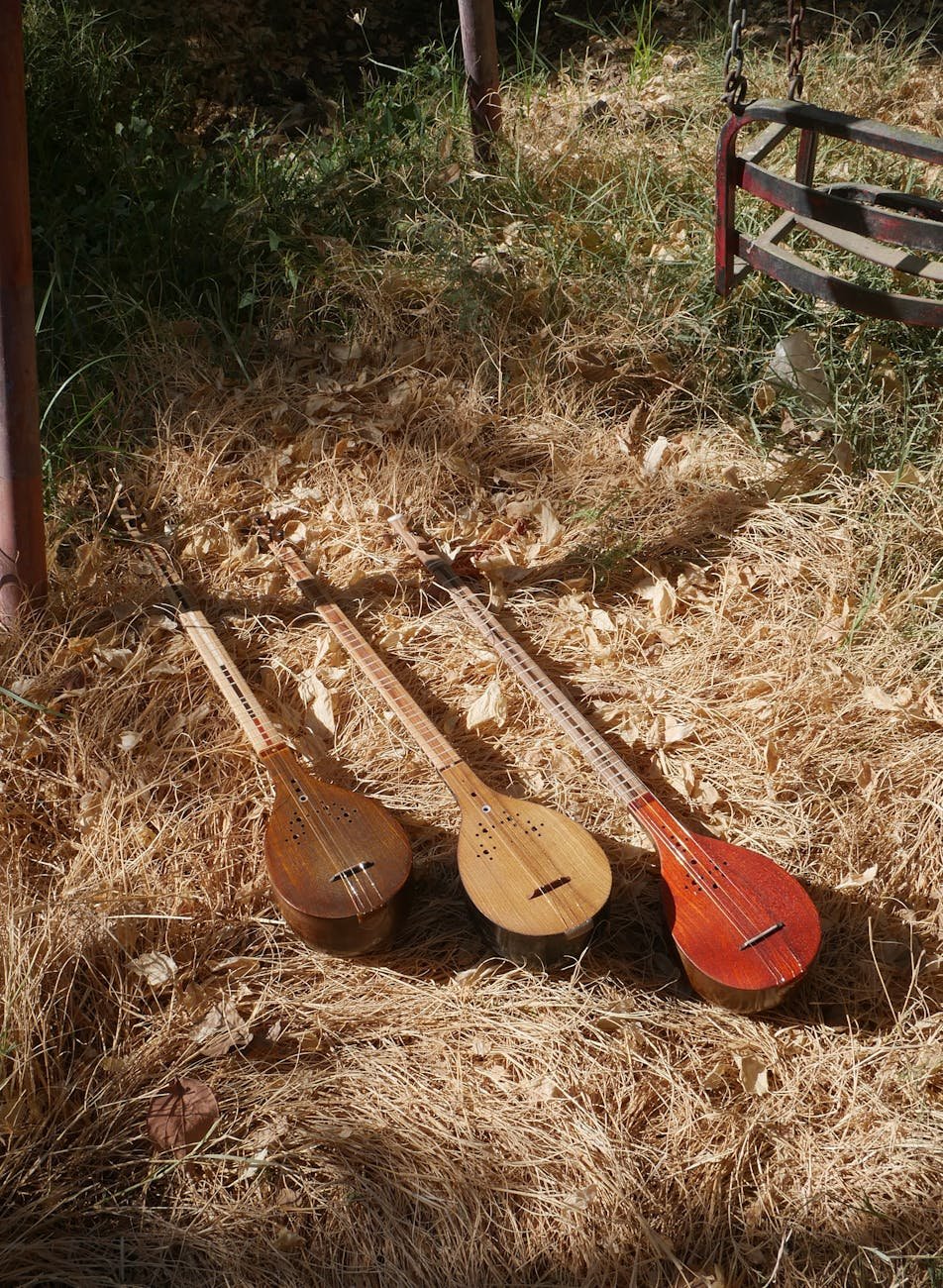
Serunai
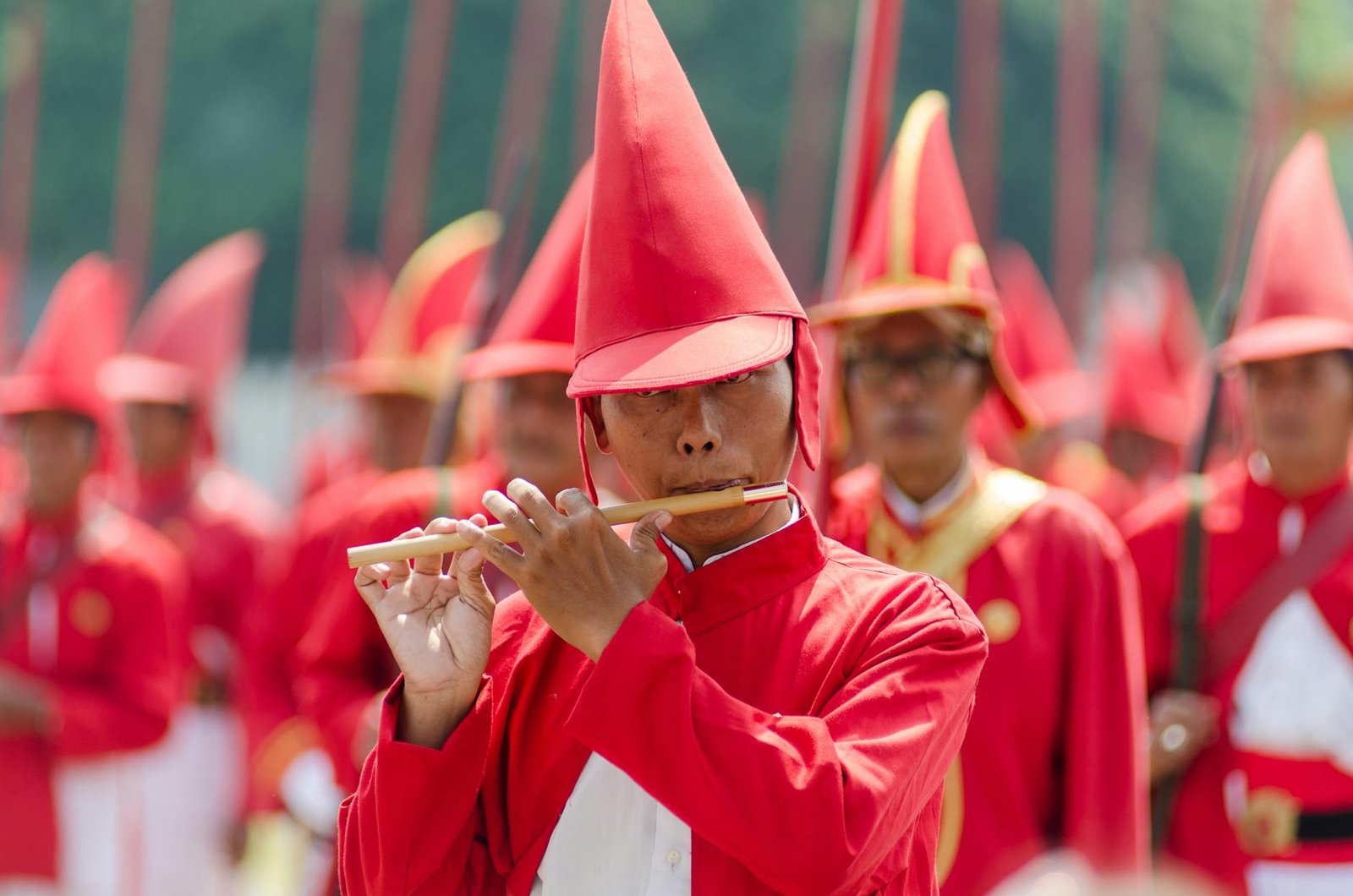
A woodwind instrument resembling an oboe, the serunai produces high-pitched, melodic sounds that lead traditional performances.
These instruments are typically played together in a group known as the gulintangan ensemble, which accompanies dances like the Aduk-Aduk and Jipin.
Folk Songs and Cultural Significance
Brunei’s folk music tells stories of love, daily life, and community values. Many songs are passed down orally from generation to generation. Common themes include nature, respect for elders, and religious devotion.
One of the most beloved traditional performances is the Adai-Adai, a fishing song sung by the Bruneian Malay community in coastal areas. Performed in call-and-response style, it captures the rhythm of rowing boats and the spirit of cooperation among fishermen.
Another is Alus Jua Dindang, a traditional courtship song that showcases poetic Malay lyrics and gentle melodies.
These songs not only entertain but also serve as a living record of Brunei’s social history and cultural identity.
The Influence of Islam on Bruneian Music
Brunei is a Muslim-majority nation, and Islam has played a significant role in shaping its musical development. Because of this, music with religious themes is often more accepted than secular forms.
While purely instrumental and traditional performances are popular, devotional music such as nasyid — vocal songs with Islamic messages — has become a staple in schools and community events. Nasyid groups often sing about faith, morality, and unity, blending Arabic and Malay melodies with modern harmonies.
This spiritual influence ensures that Bruneian music remains respectful, modest, and in harmony with national values.
Modern Music and Pop Culture in Brunei
In the past few decades, Brunei’s younger generation has embraced a variety of modern music styles, including pop, R&B, hip-hop, and indie rock. While the country’s small size limits the number of commercial artists, the local music scene has been growing thanks to social media platforms and online streaming.
Popular local musicians such as:
- Eia – Known for soulful pop vocals and original Malay-language songs.
- Jazz Hayat – A pop artist with international collaborations, famous for “Menangis.”
- Hill Zaini – Once signed with Warner Music, he blends Western pop with local themes.
- Aziz Harun – A young singer-songwriter who has achieved recognition in both Brunei and Malaysia.
These artists showcase how Bruneian talent is increasingly gaining regional attention. Their music often combines traditional Malay rhythms with modern Western instrumentation, symbolizing the balance between heritage and progress.
The Role of Technology and Social Media
The rise of YouTube, TikTok, and Spotify has transformed the way Bruneian artists reach audiences. Many independent musicians now record and produce music at home, bypassing traditional record labels.
Music festivals such as the Brunei Darussalam Regatta Festival and Youth Empowerment Conference often include performances by local acts, giving exposure to emerging talent.
With the government’s ongoing support for the creative industries, more initiatives are being developed to help young artists distribute and promote their work internationally.
Music Education and Cultural Preservation
Brunei’s Ministry of Culture, Youth and Sports has implemented programs to ensure traditional music is not forgotten. Schools and community centers offer music classes and workshops teaching instruments like the gulingtangan and gendang.
The Brunei Music Society, established in the 1950s, continues to promote classical and contemporary music education, hosting performances and cultural exchanges.
These initiatives aim to preserve the country’s musical identity while nurturing the next generation of performers.
Brunei’s Music Festivals and Events
Although Brunei’s entertainment industry is modest compared to neighboring countries, several annual events celebrate local music and arts:
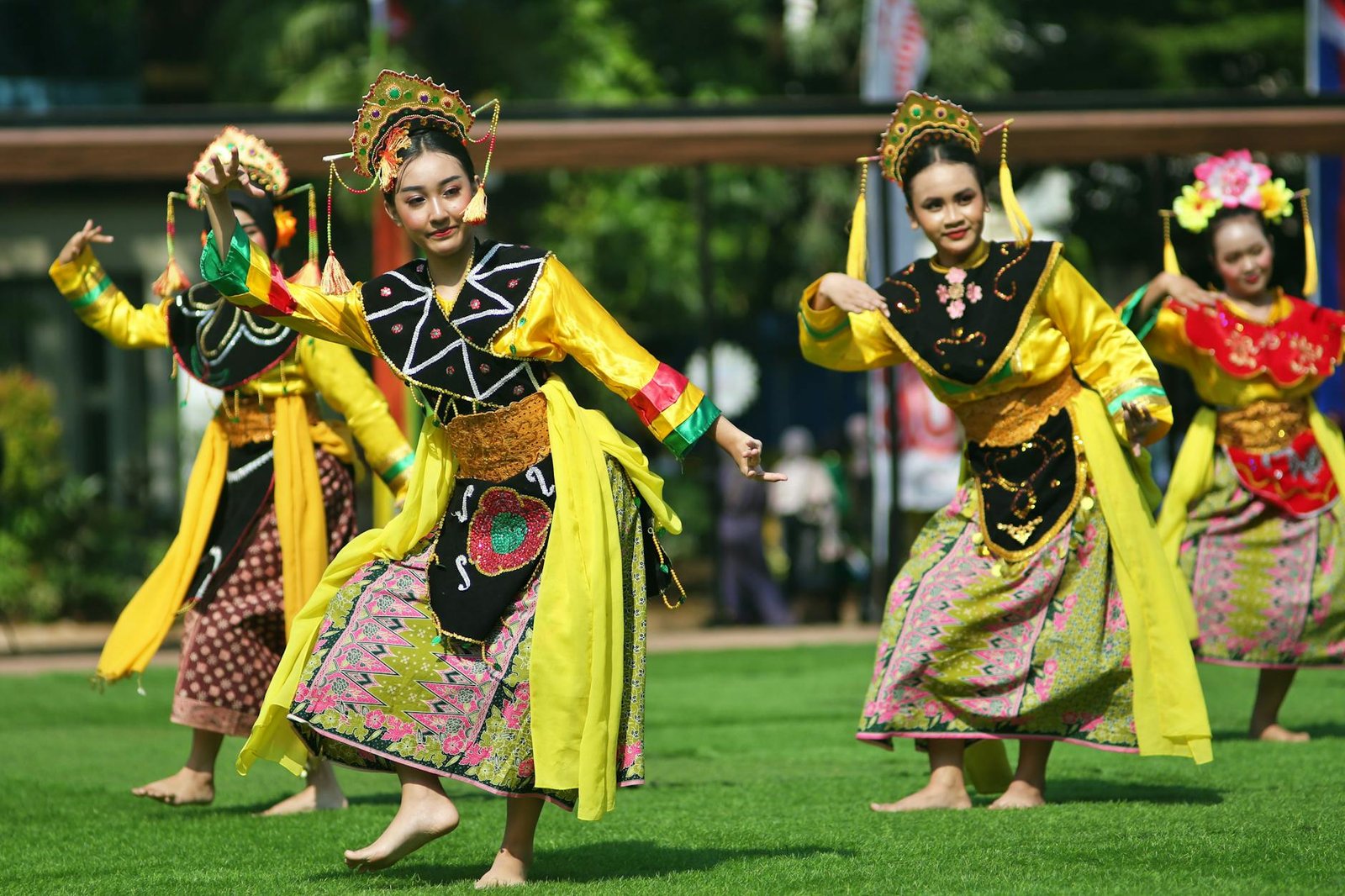
- Brunei Arts Festival: Features performances of traditional music and dance from across the Sultanate.
- Pesta Budaya Brunei (Cultural Festival): Highlights folk music, nasyid, and the gulintangan ensemble.
- Brunei Music Week: Brings together musicians from different genres to perform and collaborate.
These festivals play a key role in keeping Brunei’s musical traditions vibrant while promoting cultural unity.
The Future of Bruneian Music
As Brunei continues to modernize, its music scene stands at a crossroads between tradition and innovation. The challenge lies in preserving the nation’s rich heritage while embracing global sounds and trends.
With growing digital infrastructure, supportive cultural policies, and passionate young artists, Brunei’s musical future looks promising. Whether through the soulful rhythm of the gulingtangan or the pop melodies of rising stars, the music of Brunei remains a true reflection of its people — proud, peaceful, and deeply connected to their roots.
Looking to visit the capital of Brunei, Bandar Seri Begawan? Then make sure to check out the following post: Bandar Seri Begawan Travel Guide: Exploring Brunei’s Capital