Introduction: Why the Cambodian Real Estate Market Attracts Global Investors
The Cambodian real estate market has attracted strong interest from international investors over the past ten years. Fast economic growth and urban development have created a dynamic property sector. This makes Cambodia a top destination for foreign investment. The country’s GDP growth rate consistently exceeds 6%, and its middle class is growing. Together, these factors offer a unique opportunity for real estate investors.
One of the most appealing features of the Cambodian property landscape is its low property prices. Compared to neighboring Southeast Asian nations, property in Cambodia is far more affordable. This affordability is paired with rising demand for residential, commercial, and industrial properties. Together, they create the potential for attractive investment returns.
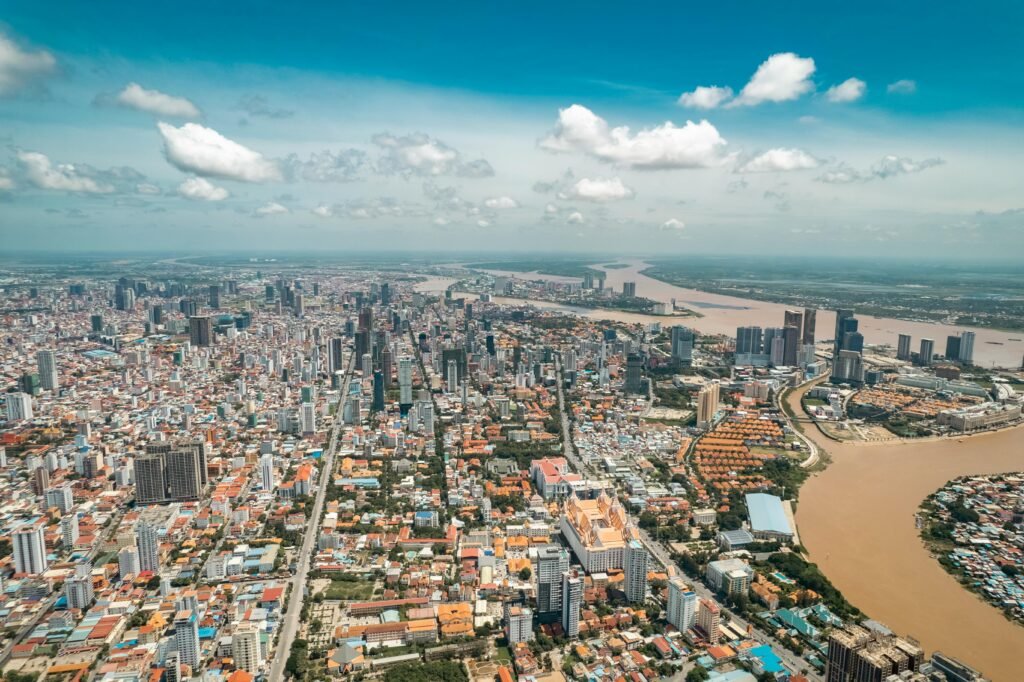
Phnom Penh, the capital city, stands out in particular. It is experiencing booming real estate development. This includes modern condominiums, retail spaces, and hospitality projects. These advances are driven by domestic and international interest. That interest keeps growing as economic conditions improve.
Infrastructure is also improving. New roads, airports, and other facilities make Cambodia even more attractive as a real estate destination. The government has also introduced policies to attract foreign investors. One example is relaxing restrictions on property ownership for foreigners. This openness, combined with potential property value appreciation, makes Cambodia a compelling choice for investors.
In this comprehensive guide, we will examine the key aspects of buying real estate in Cambodia as a foreigner. We will cover everything from residential options to legal considerations. Understanding the Cambodian real estate market is essential. It helps you navigate the opportunities available and set the stage for successful investments.
Legal Framework and Requirements for Foreigners
Foreigners who want to buy real estate in Cambodia must follow a specific legal framework. This framework regulates property ownership. One key requirement is that buyers must hold a valid passport. This document serves as proof of identity. It is also a critical part of the transaction process. Without it, signing any legal agreement or contract becomes very difficult.
In Cambodia, the law allows foreigners to own properties, but with certain restrictions. For instance, foreign nationals can legally own up to 70% of the units in a condominium development. Land ownership, however, typically remains restricted to Cambodian citizens. This distinction is crucial for foreign buyers. It outlines the boundaries of ownership rights and responsibilities.
Conducting due diligence is highly advisable before finalizing any property transaction. Hire local legal professionals who know Cambodian property law well. They will ensure all necessary regulations are followed. These experts provide invaluable assistance. They help foreign investors navigate complex legal structures, such as lease agreements and contract obligations. Their guidance is essential. They can identify potential pitfalls, including outstanding debts or encumbrances on the property.
The need for a legal representative cannot be overstated. They will assist with the documentation required for legal transfer. They also ensure compliance with local laws. Additionally, foreign investors should stay vigilant about any changes to legislation affecting property ownership. By staying informed and consulting with professionals, buyers can secure their investments. They can then fully enjoy the benefits of their real estate ventures in Cambodia.
Restrictions on Land Ownership
Foreign ownership of land in Cambodia is subject to specific regulations. Foreign investors must navigate these rules carefully. The primary restriction is that foreigners cannot own land titles outright. This legal framework stems from the Cambodian constitution. It restricts land ownership to Cambodian citizens. As a result, foreign investors must explore alternative pathways to acquire property.
One such avenue is the leasehold agreement. This allows foreigners to lease land for an extended period, typically up to 99 years. Through this arrangement, investors can effectively use the property without holding the title. Leasehold agreements provide a feasible option for foreigners. However, they come with stipulations that require careful consideration. It is essential to negotiate the lease terms diligently. This ensures secured rights for the duration of the agreement.
The limitations on land ownership can also significantly influence investment choices. Potential investors must weigh the benefits of a leasehold model. They should also consider its long-term feasibility and Cambodian land lease laws. Foreign investors often face challenges navigating these legalities. This can lead to concerns about the stability and security of their investments. Therefore, seeking local legal advice is imperative. It helps investors understand the nuances of available leasehold structures.
Furthermore, when investing in real estate in Cambodia, stay up to date on legislative changes. New laws may affect leasehold agreements or foreign ownership rules. Engaging with reputable agents and legal counsel can help. It facilitates informed decision-making and reduces potential risks.
Types of Real Estate Foreigners Can Purchase
Foreigners looking to invest in real estate in Cambodia should know the specific property types available to them. One of the most popular options for foreign buyers is condominiums. According to the Law on Foreign Ownership of Property, foreigners can own up to 70% of the units in a building that exceeds four stories. These are known as high-rise buildings. This regulation is particularly appealing to expatriates and investors. It lets them stake a claim in Cambodia’s growing real estate market.
To qualify as a “foreigner-friendly” property, a condominium must meet certain government criteria. These properties must be part of a larger development. That development must adhere to the regulations imposed under the Land Law of Cambodia. These laws promote foreign investment. At the same time, they ensure that local interests are maintained. Buying a property within these bounds may yield favorable conditions and strong investment potential.
In addition to condominiums, foreign buyers may explore other property types, such as land leases. Under Cambodian law, foreigners cannot own land outright. However, they can secure long-term leases of up to 50 years, with options for renewal. This system allows for substantial control over the land and potential development projects. It creates opportunities for commercial investments, resorts, or other ventures.
Foreigners may also consider purchasing property through corporate entities. This can offer a means of land ownership. Establishing a Cambodian company can allow foreigners to own 100% of the land. This applies as long as the property is within the company’s business scope. Navigating these regulations can seem complex. However, understanding the available options may lead to beneficial investment opportunities.
The Purchasing Process of Real Estate in Cambodia
Purchasing real estate in Cambodia as a foreigner involves several essential steps. These steps ensure a smooth transaction. Understanding the process is vital. It helps you avoid potential pitfalls and make informed decisions throughout the journey.
First, conduct thorough research on the Cambodian property market. Foreigners can purchase properties under certain conditions. Therefore, identifying the types of properties available for foreign ownership, such as condominiums, is crucial. Use resources such as real estate websites, local listings, and reputable real estate agents. This helps you find suitable options. Engaging with an experienced agent can facilitate your search. They can also provide valuable insights into property prices and market trends.
Once you have identified a property, securing financing is the next crucial step. While cash purchases are common, some buyers may require loans. It is advisable to approach both local banks and international institutions that operate in Cambodia. Each lender may have specific requirements, including income verification. Understanding the terms is vital before proceeding.
Upon confirming financing availability, the next phase involves negotiating the sale. You will negotiate with the property owner or real estate agent. Effective negotiation can greatly influence the final purchase price. So, conduct a comparative market analysis. Be prepared to advocate for your interests.
After executing the negotiation, a sales agreement must be drafted. This document outlines the terms of the sale. It includes price, payment schedule, and specific conditions. Engaging a lawyer with expertise in Cambodian real estate law is essential. They ensure that all legal requirements are met. They also confirm the contract is legally binding.
Finally, the transfer of ownership is executed at the relevant government office. The buyer must submit all necessary documents. These include the signed sales agreement and proof of payment. Upon successful completion of this step, the buyer receives the property’s title deed. This marks the official ownership.
Financing Options for Foreign Buyers
Foreign buyers considering real estate investments in Cambodia have several financing avenues. Understanding these options is crucial for making informed decisions. Each comes with its own advantages and challenges. One of the primary avenues is obtaining loans from local banks. Cambodian banks have become more open to lending to foreigners in recent years. However, they often require substantial deposits. These typically range from 20% to 50% of the property value. Loan terms can vary widely. They generally span from 10 to 25 years, depending on the bank and the applicant’s financial profile.
In addition to local bank financing, foreign investors may also explore financing from international institutions. These institutions can occasionally offer more favorable terms and lower interest rates. However, gaining access to such financing may require a more extensive credit history. Higher income verification is also often required. Investors should therefore prepare and gather all requisite documentation beforehand. It is advisable to compare these international loans against local options. This helps determine the most suitable financial strategy.
Besides traditional loans, personal investment strategies can also serve as effective means for financing real estate purchases. This may involve drawing on personal savings. It could also mean leveraging existing investment portfolios or entering into joint ventures with other investors. Such methods may provide greater flexibility concerning loan terms and repayment schedules. It is imperative to calculate potential return on investment carefully. This ensures that the chosen financing option aligns with long-term financial goals.
Understanding interest rates, typical loan terms, and the overall financing process is key. It equips foreign buyers with the necessary knowledge to navigate Cambodia’s real estate landscape successfully. Each financing option presents unique features. These should be thoroughly evaluated to find an approach that best suits individual investor profiles.
Potential Risks and Scams to Be Aware Of
Investing in real estate in Cambodia can be a lucrative opportunity. However, foreign buyers must remain vigilant about potential risks and scams. These may arise during the purchasing process. As with many developing markets, Cambodia presents unique challenges for international investors. Understanding these risks is essential. It helps you make an informed decision and safeguard your investment.
One of the most common scams targeting foreign investors is the misrepresentation of property ownership. Sellers may present fake documents. They may also claim ownership of properties that do not belong to them. To mitigate this risk, conduct due diligence. This includes verifying ownership records, title deeds, and property boundaries. You can do this through the Cambodian Ministry of Land Management, Urban Planning, and Construction. Partnering with a reliable local attorney can also assist. They help navigate these legal complexities and ensure that all paperwork is in order.
Another area of concern involves fraudulent real estate agents and developers. Dishonest individuals may entice potential buyers with compelling offers. They may also make false assurances about profitability. Therefore, it is important to identify reputable agents. Check reviews, ask for references, and confirm their affiliation with a licensed agency. Engaging in thorough background checks helps. It allows you to recognize trustworthy professionals who adhere to ethical standards.
Foreign investors should also be wary of any advance payments or deposits. Be cautious of any request that demands immediate financial commitment without a written agreement. Legitimate transactions typically include formal contracts. These outline the terms of the sale and provide legal protection for all parties involved. This precaution can prevent unforeseen losses. It also ensures a smoother transaction process.
Ultimately, being aware of potential risks and scams is essential. Thorough research, diligent verification, and securing legal assistance will significantly reduce vulnerability. They also create a safer investment environment.
Cultural Considerations When Investing in Cambodia
Investing in real estate in Cambodia requires a nuanced understanding of the local culture. Culture profoundly influences business practices and real estate transactions. Cambodian culture is steeped in rich traditions and values. These shape interactions, decision-making, and negotiations. As such, foreign investors must approach their investment opportunities with cultural sensitivity. This fosters productive relationships and enhances their prospects for success.
One essential aspect of Cambodian culture is the emphasis on relationships and trust. Establishing rapport with local partners, government officials, and community leaders is pivotal. It helps you navigate the real estate market effectively. Invest time in relationship building through formal and informal gatherings. These provide opportunities to develop mutual understanding. This interpersonal connection not only helps in gaining trust. It also provides access to local insights and networks. These can be invaluable when making investment decisions.
Moreover, understanding the local mindset is critical. Cambodians often prioritize harmonious interactions. They may favor indirect communication styles. Consequently, foreign investors should be observant of social cues. They should also respect local customs during discussions. Patience is also a virtue in Cambodia’s context. Negotiations may take time, as decisions often involve multiple stakeholders. Additionally, familiarity with local customs can leave a lasting impression. These include greeting rituals, feasting, and offering gifts. Such gestures help establish goodwill.
Finally, being aware of the socio-political environment in Cambodia is paramount. The country is experiencing rapid development. This affects various economic sectors, including real estate. However, this growth is accompanied by certain challenges. These include regulatory changes and local land ownership laws. Thus, it is essential to remain informed about these dynamics. This helps you make educated investment choices while respecting the cultural framework. Embracing this cultural sensitivity can ultimately lead to a more fruitful and harmonious investment experience.
Conclusion and Final Tips
Buying real estate in Cambodia as a foreigner presents a multitude of opportunities. However, it is essential to approach this endeavor with caution and thorough understanding. The Cambodian property market has witnessed significant growth in recent years. It attracts foreign investors drawn to its affordable prices and potential for high returns. However, potential buyers must familiarize themselves with the legal constraints and ownership laws. In particular, understand that foreigners cannot own land outright. Instead, they can securely acquire properties through established legal frameworks. These include leasing agreements and the creation of a Cambodian-owned company. This understanding is vital.
Moreover, conducting extensive research is paramount before making any purchasing decisions. Potential buyers should take time to explore various regions within Cambodia. Market dynamics can significantly differ from one location to another. Popular destinations such as Phnom Penh, Siem Reap, and Sihanoukville each offer unique investment opportunities. They also have varying levels of demand. Engaging with local real estate agents who know specific market conditions can provide invaluable insights. They can also streamline the buying process.
Furthermore, it is advisable to seek legal counsel. This ensures compliance with local laws and helps navigate any potential pitfalls. Understanding the financial implications is also important. This includes taxes and fees associated with property purchases. This knowledge aids in making informed decisions. As always, maintain an open line of communication. Be prepared for negotiations. These habits will facilitate a smoother transaction.
In conclusion, navigating the Cambodian real estate market as a foreign buyer requires a careful approach and an informed perspective. By adhering to these key insights and practical tips, you can effectively manage the complexities of buying property in Cambodia. This ultimately leads to successful investment outcomes. Thanks for reading.
Check out “An Overview of Siem Reap”






Pingback: The Evolution of the Laotian Language: From Ancient Scripts to Modern Speech
Pingback: Buying Real Estate in Myanmar 2026: Tips, Trends & Insights
Pingback: Cost of Living in Cambodia: A Complete 2026 Guide - Living in Southeast Asia
Pingback: Local Customs in Cambodia: Essential Traditions Every Visitor Should Know - Living in Southeast Asia
Pingback: How to Start a Business in Cambodia: Complete 2026 Guide for Foreign Investors - Living in Southeast Asia
Pingback: Health Care in Cambodia: A Complete 2026 Guide for Travelers and Expats - Living in Southeast Asia