Brunei, a small yet affluent nation on the island of Borneo, offers a unique lifestyle for both locals and expatriates. Known for its oil wealth, pristine environment, and high standard of living, Brunei has a cost of living that may surprise many. Whether you are planning to relocate, work, or retire here, understanding the living expenses is essential for budgeting and lifestyle planning.
Overview of Brunei’s Economy and Lifestyle
Brunei’s economy is heavily dependent on oil and gas, resulting in a high GDP per capita and a comfortable standard of living for residents. The country offers free healthcare and subsidized education for citizens, while expats can expect competitive salaries, especially in the energy, education, and professional service sectors.
Despite its wealth, Brunei maintains a calm, safe, and laid-back lifestyle. With low crime rates, beautiful rainforests, and cultural attractions, it’s an appealing destination for families and individuals seeking stability. However, the cost of living can vary greatly depending on your lifestyle and location, particularly in the capital, Bandar Seri Begawan.
Housing Costs in Brunei
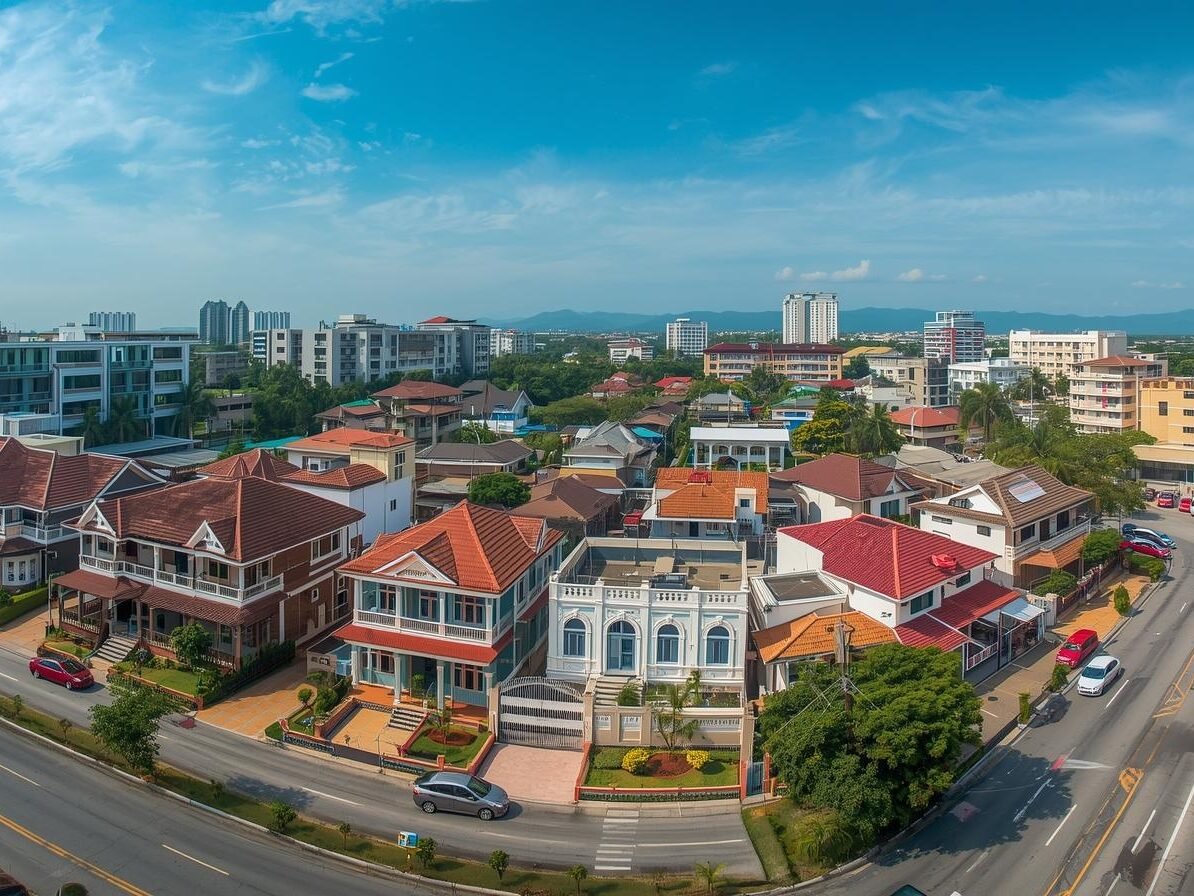
Housing is often the largest expense for expats.
Renting an Apartment
- City Center: A one-bedroom apartment in Bandar Seri Begawan costs around BND 700–1,200 per month. A three-bedroom apartment can range from BND 1,500–2,500.
- Outside the City: Rent is generally lower in suburban or rural areas, with one-bedroom apartments ranging from BND 400–700 and larger homes between BND 1,000–1,800.
Buying Property
Foreigners face restrictions on property ownership but may invest in apartments or leasehold properties. Property prices can vary from BND 200,000 for smaller units to over BND 600,000 for spacious homes in prime locations.
Utilities
Monthly utilities, including electricity, water, and gas, average between BND 80–200, depending on usage and apartment size. Internet services cost around BND 50–100 per month for standard broadband.
Food and Grocery Costs
Food in Brunei is moderately priced compared to other Southeast Asian nations, but imported goods can be expensive.
Eating Out
- Local eateries and hawker-style meals: BND 3–5 per meal
- Mid-range restaurants: BND 15–30 per person
- High-end restaurants: BND 50+ per person
Groceries
A typical monthly grocery bill for one person may range from BND 150–300, depending on dietary habits and preference for local versus imported products. Popular grocery items include rice, vegetables, meat, dairy, and fresh seafood.
Transportation Expenses
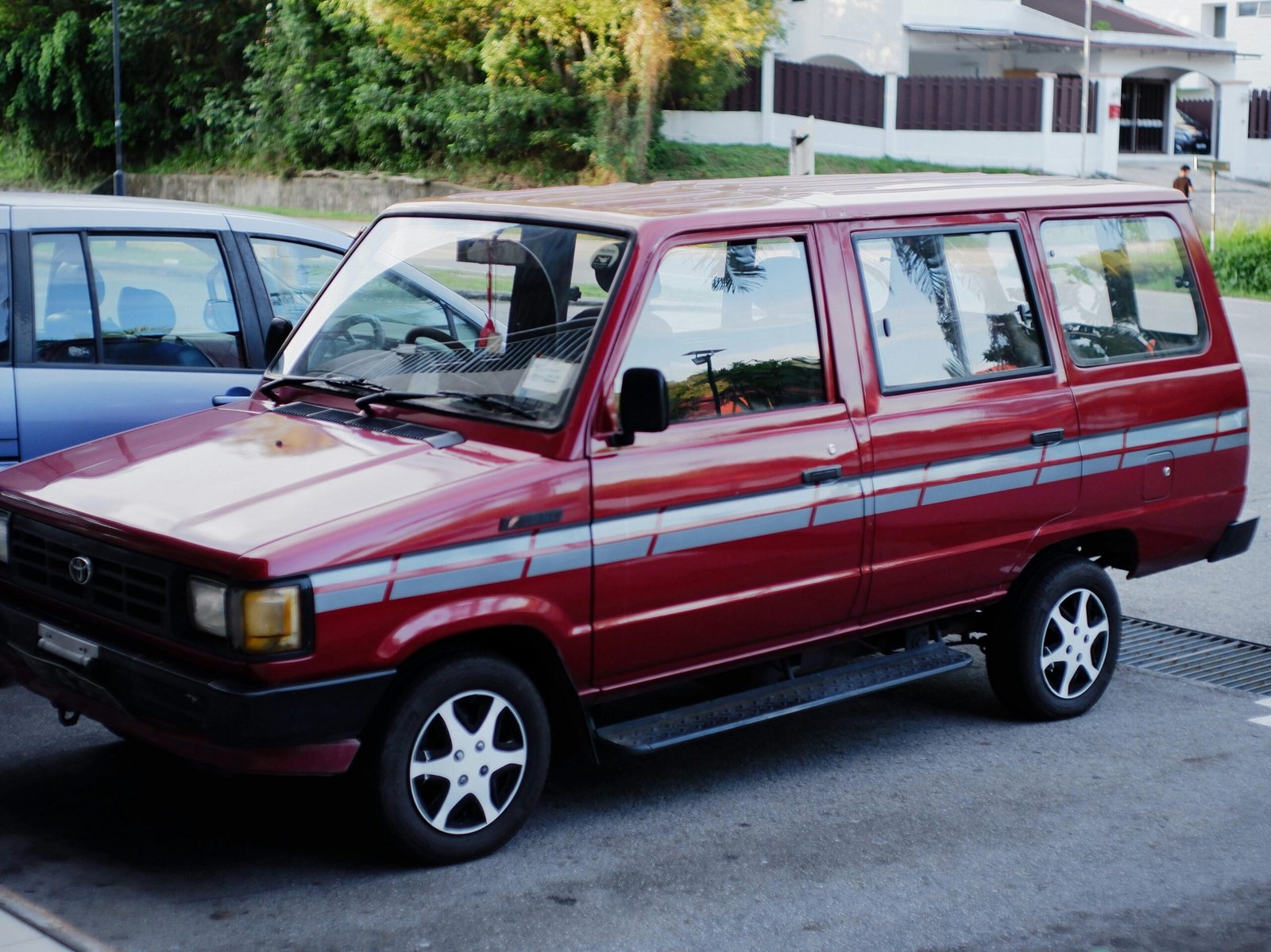
Brunei has well-maintained roads, and owning a car is common due to limited public transport.
Public Transport
- Bus fare: BND 0.50–1.00 per ride
- Taxi: BND 3–5 for short distances; fares increase based on distance
Car Ownership
- Petrol prices are relatively low at around BND 1 per liter.
- Monthly car loan payments vary depending on the vehicle but typically range from BND 400–800.
Healthcare in Brunei
Healthcare is subsidized for citizens, but expats usually rely on private insurance.
- Routine doctor visits: BND 20–50
- Private hospital stays: BND 100–300 per night
- Health insurance premiums: BND 50–200 per month, depending on coverage
Education Costs
For expat families, education costs depend on whether your children attend local or international schools.
- Local schools: Free for citizens; nominal fees may apply for expats
- International schools: BND 5,000–15,000 per year per child, depending on curriculum and grade level
Entertainment and Lifestyle
Leisure activities in Brunei range from outdoor adventures to cultural experiences.
- Cinema ticket: BND 5–8
- Gym membership: BND 50–120 per month
- Monthly shopping: BND 100–300, depending on lifestyle
Brunei’s entertainment options are more limited compared to neighboring countries, but the serene environment and natural attractions offer cost-effective leisure alternatives.
Average Monthly Budget in Brunei
| Expense Category | Low Budget (BND) | Mid-Range (BND) | High-End (BND) |
|---|---|---|---|
| Rent | 400–700 | 700–1,200 | 1,500–2,500 |
| Utilities & Internet | 80–150 | 100–200 | 150–300 |
| Groceries & Food | 150–250 | 200–400 | 400–700 |
| Transportation | 50–200 | 100–300 | 300–600 |
| Entertainment | 50–100 | 100–200 | 200–400 |
| Miscellaneous | 50–100 | 100–200 | 200–400 |
| Total | 780–1,500 | 1,200–2,400 | 2,750–4,900 |
Tips for Reducing Living Costs in Brunei
- Live outside the city center – Rent is cheaper in suburban areas.
- Use local markets – Buy fresh produce and groceries from local markets instead of imported goods.
- Carpool or use public transport – Saves on fuel and parking costs.
- Take advantage of free recreational activities – Beaches, parks, and cultural festivals are mostly free.
FAQs About the Cost of Living in Brunei
Q: Is Brunei expensive for expats?
A: Brunei can be moderately expensive depending on your lifestyle. Housing and international schools are the main costs, while food, fuel, and healthcare are affordable.
Q: Can I live comfortably on BND 2,000 per month in Brunei?
A: Yes, a single person or a small family can live comfortably on BND 2,000 per month if they manage expenses carefully, especially housing and schooling costs.
Q: Are imported goods expensive in Brunei?
A: Yes, imported items like electronics, snacks, and luxury goods tend to be more expensive compared to local products.
Q: Do I need health insurance in Brunei?
A: Expats are advised to have private health insurance, as free healthcare is generally only available to citizens.
Final Thoughts
Brunei offers a high standard of living with relatively low crime rates, beautiful natural scenery, and a peaceful lifestyle. While housing and international schooling can be costly, the overall living expenses are manageable for both locals and expatriates. By understanding the cost of living in Brunei, you can plan your budget effectively and enjoy all that this unique Southeast Asian nation has to offer.
Did you know that Brunei boasts one of the most efficient healthcare systems in Southeast Asia? READ HERE!