The Philippines is famous for its vibrant festivals that reflect the country’s rich history, deep-rooted traditions, and joyful spirit. From religious celebrations honoring patron saints to cultural festivals showcasing local heritage, festivals in the Philippines are more than just events—they are expressions of Filipino identity, unity, and creativity. Travelers and locals alike look forward to these lively celebrations filled with music, dance, colorful costumes, and heartfelt devotion.
Why Festivals Are Important in the Philippines
Festivals play a vital role in Filipino life. They serve as a way to honor religious beliefs, preserve local traditions, and strengthen community bonds. Many Filipino festivals are rooted in Catholic traditions introduced during Spanish colonization, while others celebrate pre-colonial customs, harvest seasons, or historical milestones.
Beyond cultural preservation, festivals also contribute significantly to local economies. They attract tourists, generate income for small businesses, and create opportunities for artisans, performers, and food vendors. Most importantly, festivals bring people together, fostering a sense of pride and belonging within communities.
Religious Influence on Philippine Festivals
Religion, particularly Roman Catholicism, heavily influences festivals in the Philippines. Many celebrations are dedicated to patron saints and feature processions, novenas, and thanksgiving masses. These religious elements coexist with street dancing, parades, and modern performances, creating a unique blend of faith and festivity.
This strong religious foundation explains why festivals often last several days and involve the entire community, from children to elders.
Famous Festivals in the Philippines
Sinulog Festival
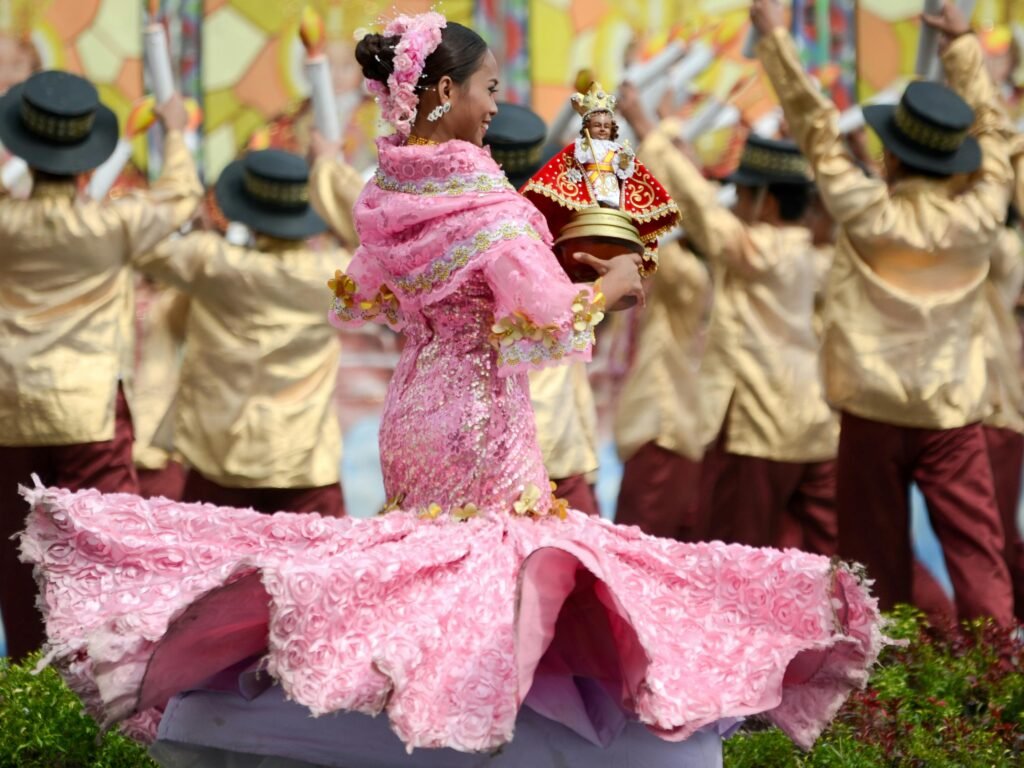
The Sinulog Festival is one of the most popular festivals in the Philippines, held every January in Cebu City. It honors the Santo Niño, or the Child Jesus, and features grand street parades with dancers wearing vibrant costumes. The signature dance mimics the flow of a river, symbolizing the country’s journey from pagan beliefs to Christianity.
Sinulog attracts millions of visitors each year and is known for its energetic performances, rhythmic drumbeats, and strong spiritual atmosphere.
Ati-Atihan Festival
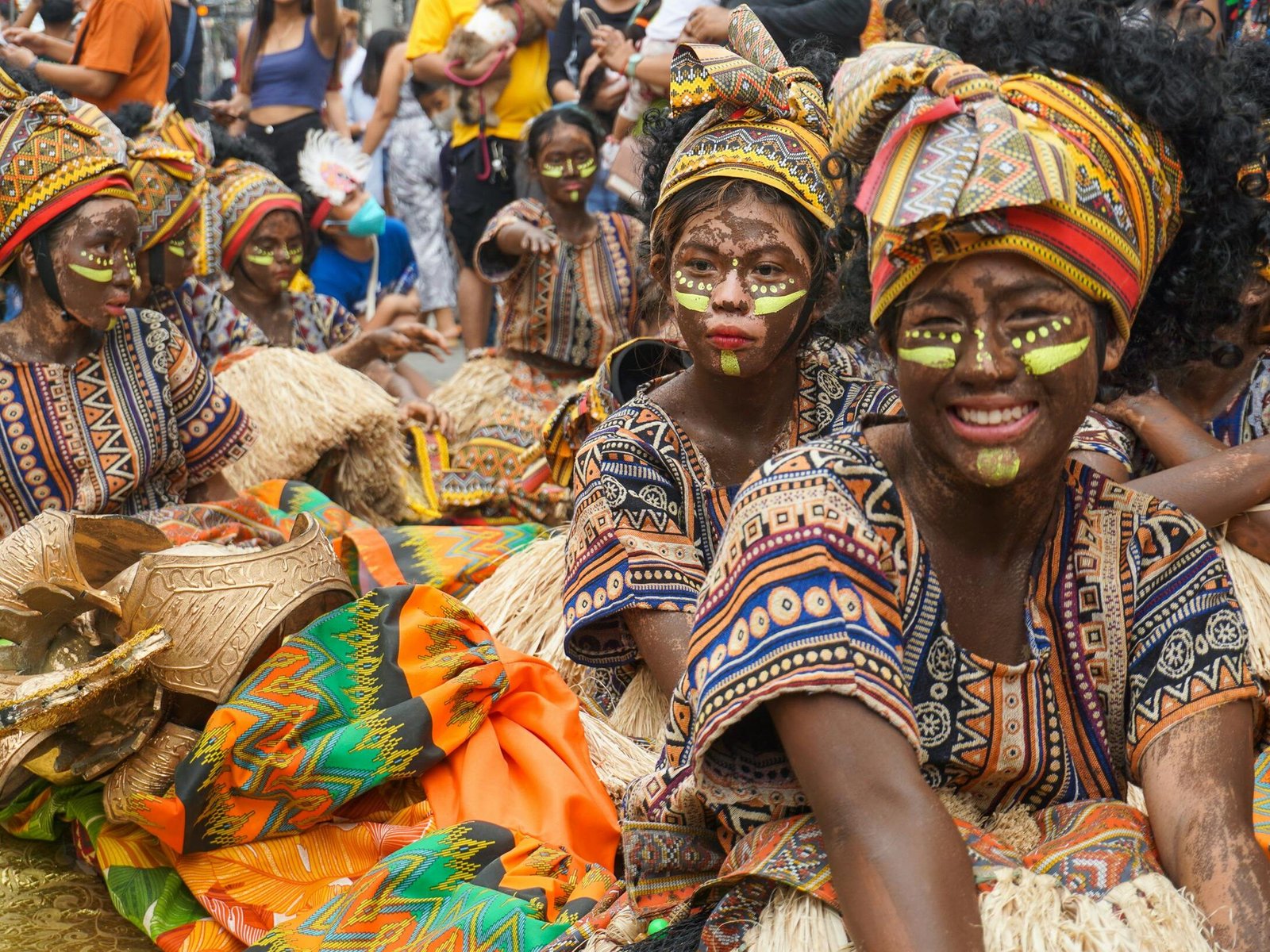
Held in Kalibo, Aklan, the Ati-Atihan Festival is often called the “Mother of All Philippine Festivals.” Celebrated in January, it also honors the Santo Niño. Participants paint their faces with black soot and wear tribal-inspired costumes to pay homage to the indigenous Ati people.
Ati-Atihan stands out for its spontaneous street dancing and inclusive nature, where locals and tourists dance together without strict choreography.
Dinagyang Festival
Dinagyang Festival takes place in Iloilo City every January and is known for its highly choreographed performances and dramatic storytelling. Like Sinulog and Ati-Atihan, it celebrates the Santo Niño, but it places greater emphasis on competition and theatrical presentation.
Performers train for months, making Dinagyang one of the most visually impressive festivals in the Philippines.
Panagbenga Festival
Panagbenga Festival, or the Baguio Flower Festival, is held every February in Baguio City. It celebrates the blooming season of flowers and the city’s recovery after a major earthquake in the 1990s. The festival features flower-covered floats, street dancing, and art exhibitions.
Panagbenga highlights the creativity of local communities and the natural beauty of the Cordillera region.
Kadayawan Festival
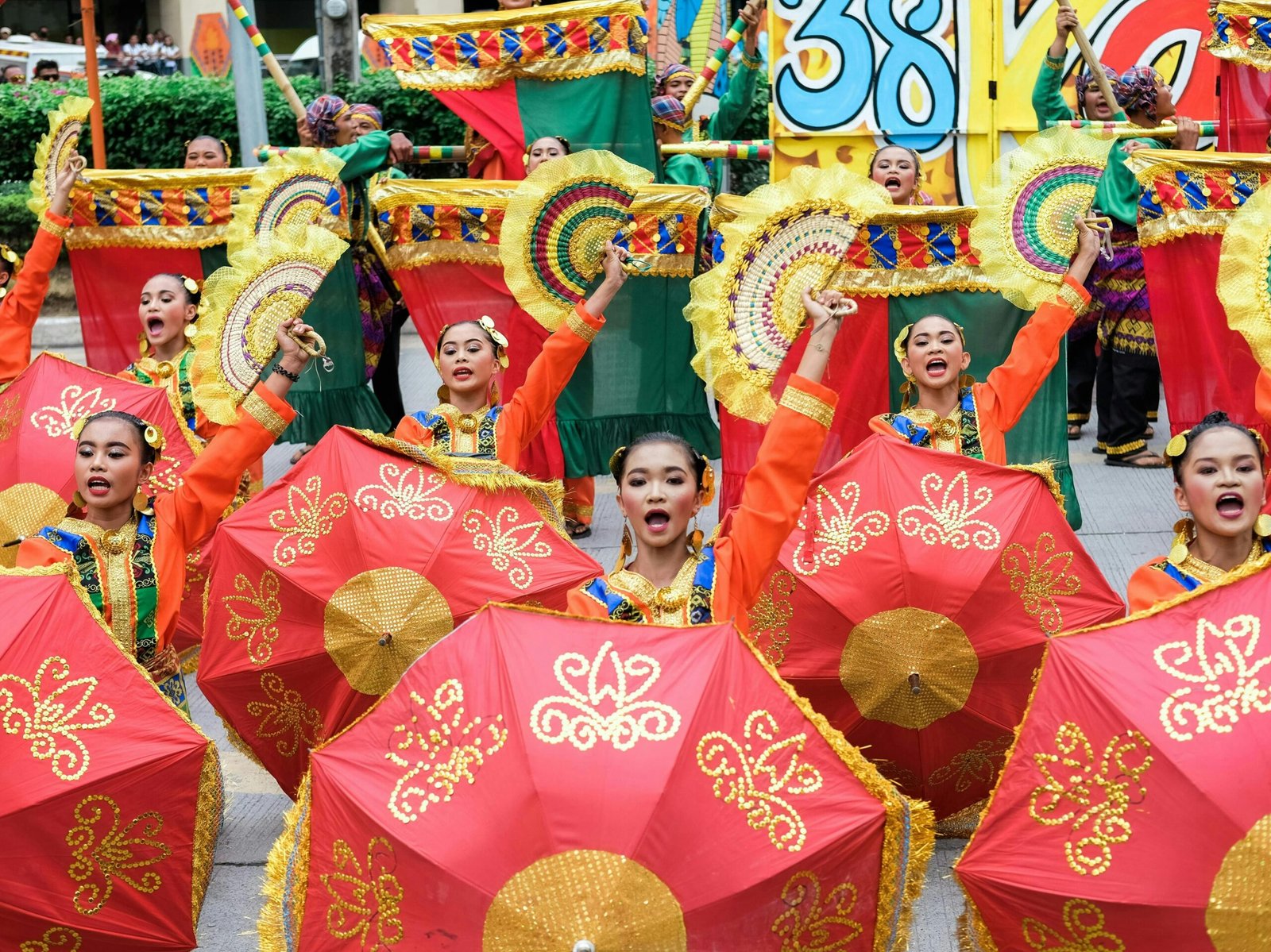
Kadayawan Festival is celebrated in Davao City every August. Unlike many religious festivals, Kadayawan focuses on thanksgiving for nature’s bounty and honors the city’s indigenous tribes. Events include floral floats, street dances, cultural performances, and agricultural exhibits.
This festival reflects the diversity of Mindanao and promotes cultural respect and unity among different ethnic groups.
MassKara Festival
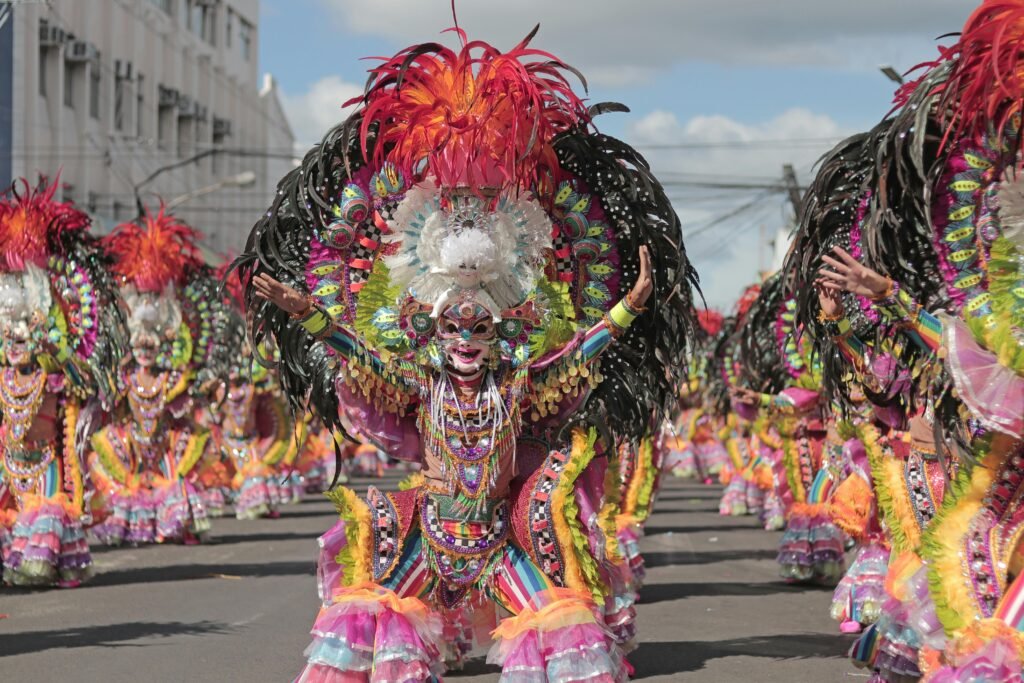
Held in Bacolod City every October, the MassKara Festival is known for its smiling masks and upbeat atmosphere. It was created to uplift the spirits of locals during a time of economic hardship and tragedy. Today, it symbolizes resilience, optimism, and joy.
MassKara features street dancing, night parties, and colorful masks that have become iconic representations of the city.
Unique Features of Philippine Festivals
Colorful Costumes and Masks
Filipino festivals are visually striking, with costumes inspired by history, religion, and local folklore. Intricate designs, bold colors, and handcrafted details reflect the creativity and craftsmanship of Filipino artisans.
Music and Dance
Drumbeats, traditional instruments, and modern music blend seamlessly during festivals. Dance routines often tell stories of faith, struggle, or gratitude, making performances both entertaining and meaningful.
Food and Local Delicacies
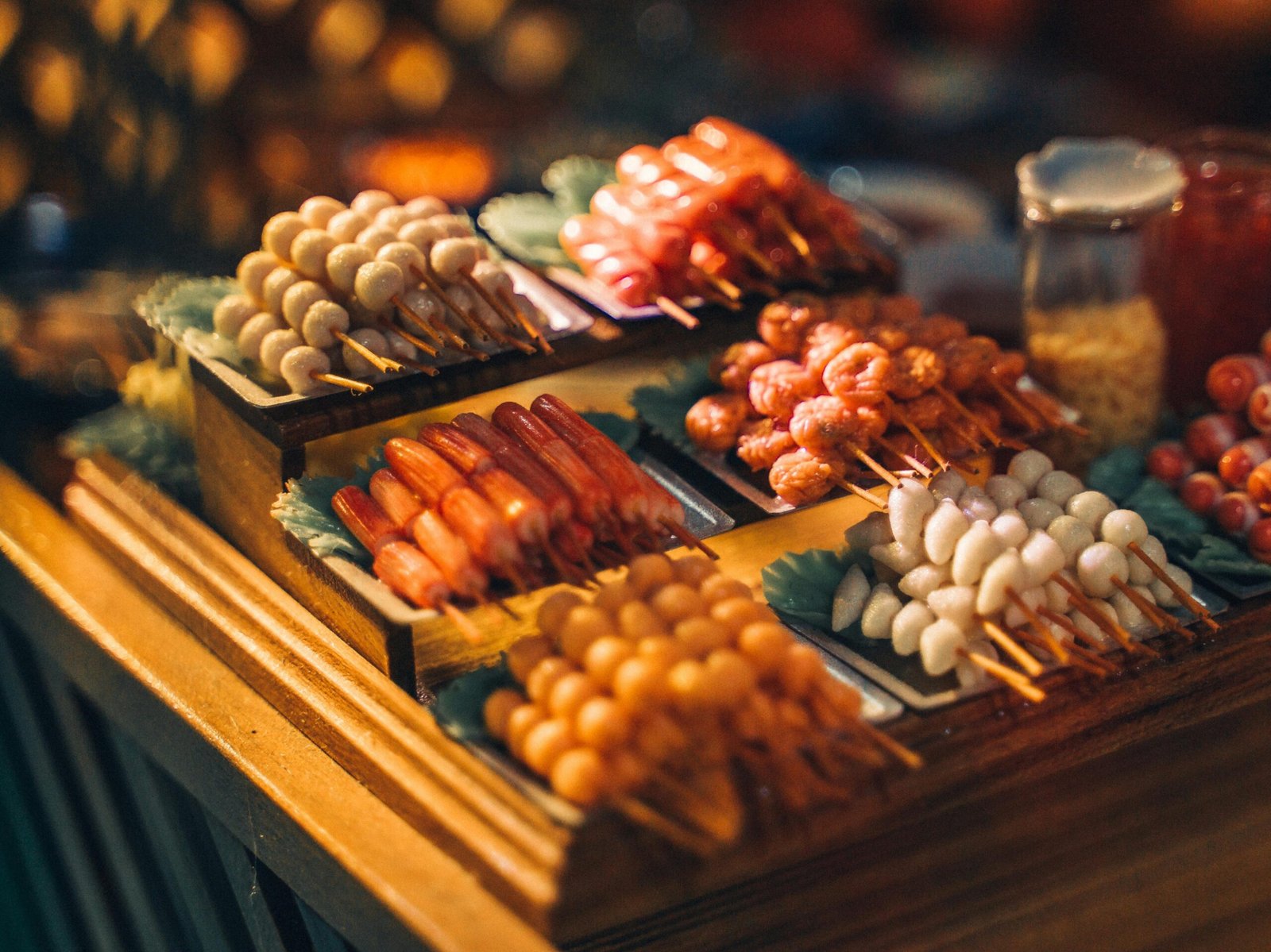
Festivals are also a celebration of Filipino cuisine. Visitors can enjoy regional specialties, street food, and traditional delicacies that showcase local flavors and cooking traditions.
Best Time to Experience Festivals in the Philippines
Festivals occur throughout the year, but the peak season is from January to May. January alone hosts several major festivals, making it an ideal month for cultural travelers. Planning ahead is essential, as accommodations and transportation can fill up quickly during festival periods.
Tips for Enjoying Philippine Festivals
Plan Ahead
Research festival dates and book accommodations early, especially for popular events like Sinulog and Dinagyang.
Respect Local Customs
While festivals are lively, many are rooted in religious devotion. Dressing modestly during religious activities and following local guidelines shows respect for the community.
Stay Safe and Hydrated
Crowds can be large, and weather conditions may be hot. Bring water, wear comfortable clothing, and keep personal belongings secure.
The Global Appeal of Festivals in the Philippines
Festivals in the Philippines have gained international recognition for their energy, creativity, and cultural depth. They attract photographers, cultural enthusiasts, and travelers seeking authentic experiences. These celebrations offer a unique way to understand Filipino values such as hospitality, faith, resilience, and unity.
FAQs About Festivals in the Philippines
What is the most popular festival in the Philippines?
The Sinulog Festival in Cebu City is considered one of the most popular festivals in the Philippines due to its scale, religious significance, and massive attendance.
Are Philippine festivals religious or cultural?
Most festivals in the Philippines are a combination of both. Many have religious origins but also incorporate cultural traditions, performances, and local history.
When is the best month to attend festivals in the Philippines?
January is the best month to attend festivals, as it hosts major events such as Sinulog, Ati-Atihan, and Dinagyang.
Are festivals in the Philippines tourist-friendly?
Yes, Philippine festivals are welcoming to tourists. Locals are known for their hospitality and often encourage visitors to join the celebrations.
Do festivals happen in all regions of the Philippines?
Yes, every region in the Philippines has its own festivals, each reflecting local culture, history, and traditions.
Final Thoughts
Festivals in the Philippines are vibrant expressions of culture, faith, and community spirit. They showcase the country’s rich heritage through music, dance, costumes, and shared joy. Whether you are a traveler seeking cultural immersion or a local rediscovering traditions, Philippine festivals offer unforgettable experiences that highlight the heart and soul of the nation. Experiencing these celebrations is not just about watching a parade—it is about becoming part of a living tradition that continues to unite and inspire Filipinos around the world.
If you’re inspired by the vibrant festivals in the Philippines, be sure to explore our other articles for in-depth travel guides and business insights that will help you plan smarter trips and discover new opportunities along the way. READ HERE!