Malaysian cuisine is one of the most diverse food cultures in Asia. The country’s unique mix of Malay, Chinese, Indian, and indigenous traditions has created a rich culinary heritage filled with bold flavors, fragrant spices, and colorful dishes.
From street food stalls to fine dining restaurants, Malaysian cuisine offers something for every traveler and food lover. Each region of the country brings its own ingredients, cooking styles, and local specialties.
In this guide, we’ll explore the cultural influences behind Malaysian cuisine and discover some of Malaysia’s most popular dishes.
The Cultural Influences Behind Malaysian Cuisine
Malaysia is a multicultural nation, and its food reflects that diversity. Over centuries, different communities introduced new ingredients, recipes, and cooking techniques that shaped modern Malaysian cuisine.
Malay Influence on Malaysian Cuisine
Traditional Malay cooking is known for its rich aromas and bold flavors. Many dishes use herbs and spices such as lemongrass, turmeric, ginger, chili, and coconut milk.
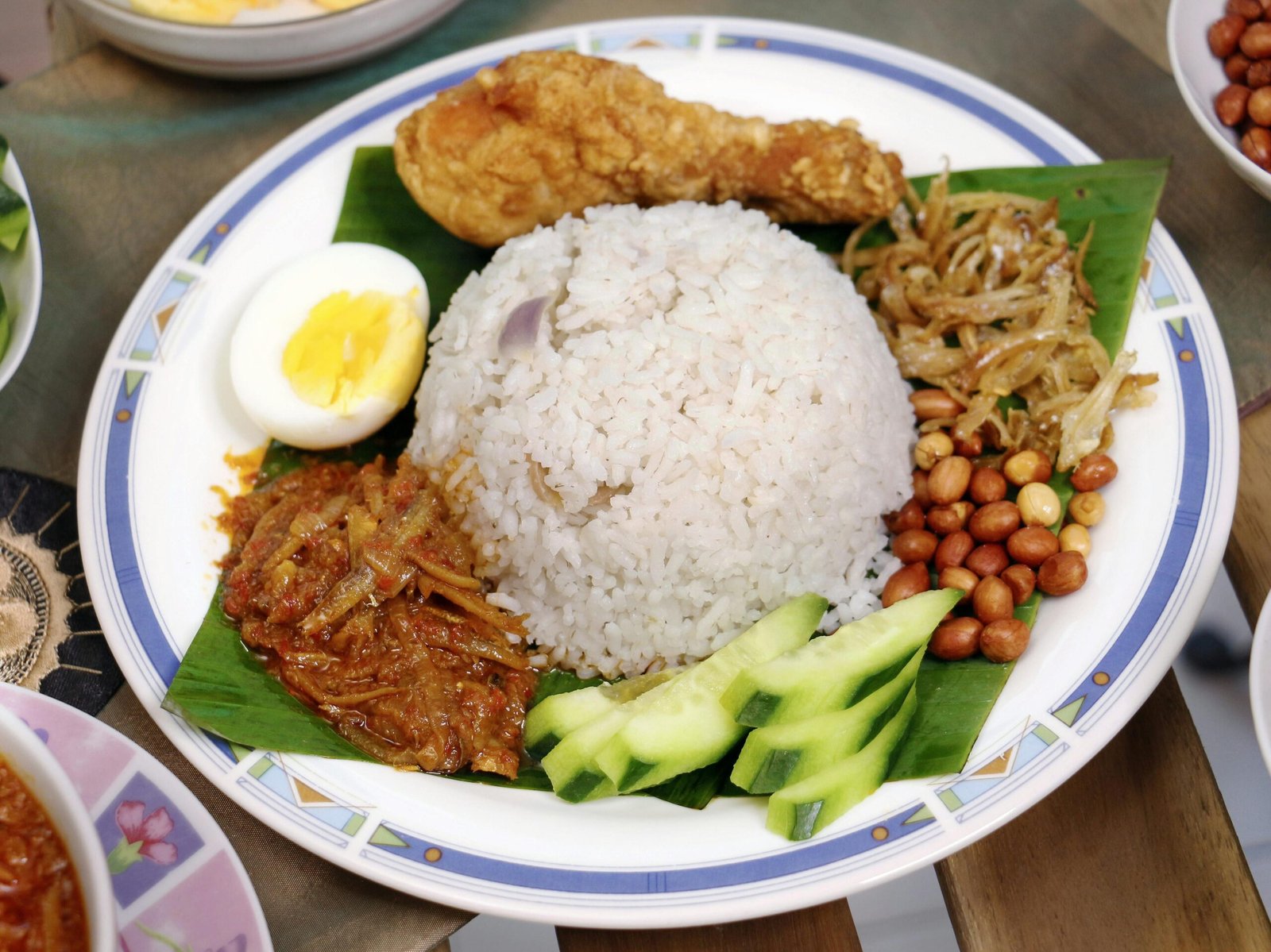
One of the most famous Malay dishes is Nasi Lemak. This popular meal consists of coconut rice served with sambal, fried anchovies, peanuts, boiled eggs, and cucumber slices.
Nasi Lemak is often considered the national dish of Malaysia and is enjoyed throughout the day.
Chinese Influence on Malaysian Cuisine
Chinese immigrants introduced cooking methods such as stir-frying, steaming, and roasting. Over time, these techniques blended with local ingredients and flavors.
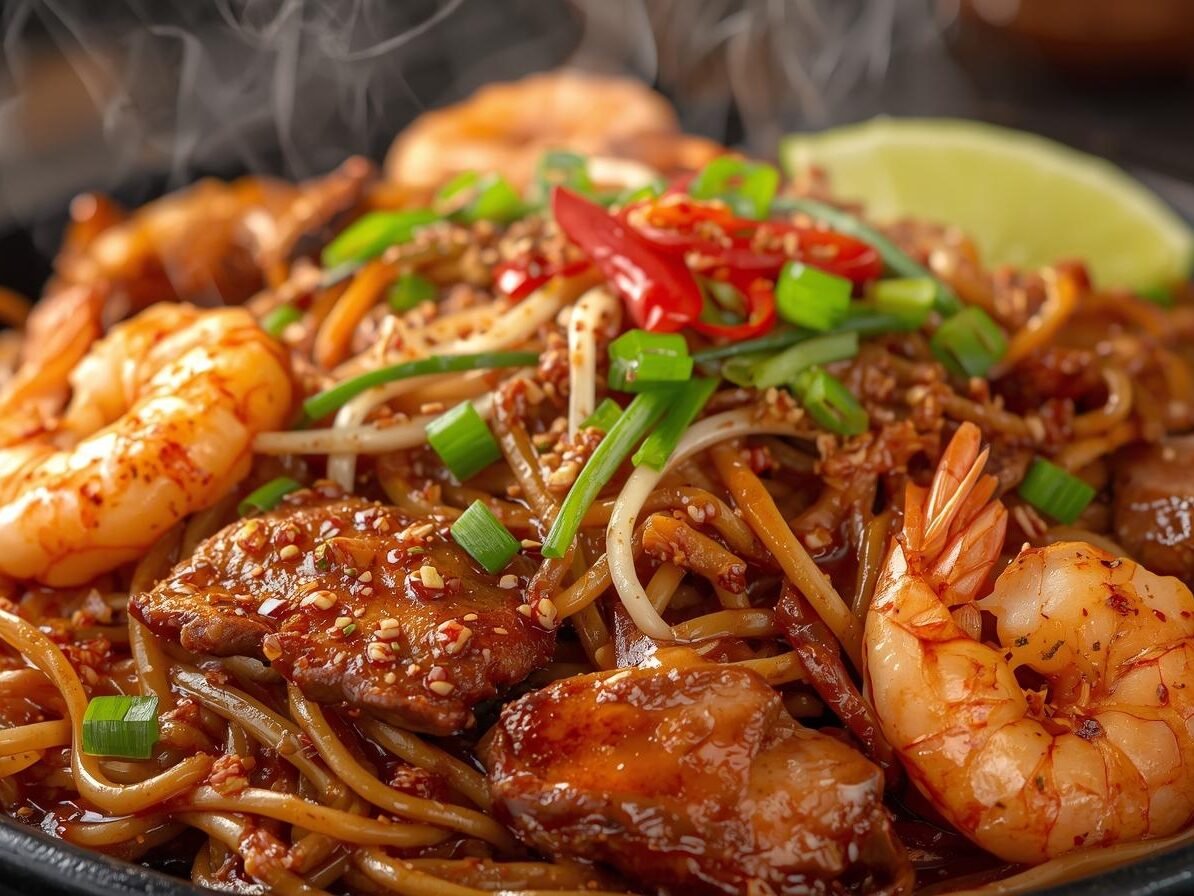
One well-known Chinese-Malaysian dish is Char Kway Teow, a stir-fried noodle dish cooked with soy sauce, shrimp, egg, and bean sprouts.
Another popular favorite is Hainanese Chicken Rice. This simple but flavorful dish features poached chicken served with fragrant rice and dipping sauces.
Today, Chinese culinary traditions remain an important part of Malaysian cuisine.
Indian Influence on Malaysian Cuisine
Indian communities brought rich curries, spices, and breads to Malaysia. Over time, these flavors became an important part of Malaysian cuisine.
Many Indian-Malaysian dishes use ingredients such as curry leaves, cumin, cardamom, chili, and coriander. These spices give the food its bold and aromatic taste.
One of the most popular dishes is Roti Canai, a flaky flatbread that is usually served with curry or dhal.
Another favorite is Mee Goreng Mamak, a spicy fried noodle dish commonly sold at street-side food stalls throughout Malaysia.
Today, Indian culinary traditions continue to shape Malaysian cuisine across the country.
Indigenous and Regional Influences
Malaysia’s regional diversity also plays an important role in its food culture. Each state has its own cooking traditions, ingredients, and local specialties.
For example, Sarawak is famous for Sarawak Laksa, a spicy noodle soup with a rich and flavorful broth.
Meanwhile, Sabah is known for Hinava, a fresh fish dish prepared with lime juice, ginger, onions, and chili. Indigenous communities heavily influence this unique regional specialty.
As a result, Malaysian cuisine varies greatly from one region to another.
Must-Try Malaysian Dishes
Nasi Lemak
Nasi Lemak is widely considered the national dish of Malaysia. This fragrant rice dish is cooked in coconut milk and served with spicy sambal, fried anchovies, peanuts, cucumber slices, and boiled eggs.
Many restaurants and street vendors also add side dishes such as fried chicken, beef rendang, or squid sambal.
Today, Nasi Lemak remains one of the most iconic dishes in Malaysian cuisine.
Satay
Satay is one of the most famous dishes in Malaysian cuisine. It consists of skewered and grilled meat served with peanut sauce, rice cakes, onions, and cucumber slices.
Chicken, beef, and lamb are common choices for satay. The smoky flavor and rich peanut sauce make it a favorite street food across Malaysia.
People often enjoy satay as a quick snack, although it can also be eaten as a full meal.
Laksa
Laksa is a spicy noodle soup with many regional variations throughout Malaysia.
One of the best-known versions is Penang Asam Laksa. This dish features a tangy fish-based broth flavored with tamarind and herbs.
Another popular version is Curry Laksa. It uses a rich coconut curry broth served with noodles, tofu, seafood, and sometimes chicken.
Today, Laksa remains one of the most iconic dishes in Malaysian cuisine.
Roti Canai
Roti Canai is a flaky flatbread influenced by Indian cooking traditions. It is usually served with dhal, chicken curry, or spicy sauces.
Many Malaysians eat Roti Canai for breakfast. However, it is also popular as a late-night meal or afternoon snack.
Its crispy outside and soft inside make it one of the country’s favorite comfort foods.
Char Kway Teow
Char Kway Teow is a stir-fried noodle dish that is especially popular in Penang.
The dish typically includes flat rice noodles, shrimp, eggs, Chinese sausage, and bean sprouts. It is cooked over high heat to create a smoky flavor known as wok hei.
Because of its rich and savory taste, Char Kway Teow is considered one of the must-try dishes in Malaysian cuisine.
Rendang
Rendang is a slow-cooked curry dish made with beef or chicken.
The meat is simmered for hours with coconut milk, turmeric, ginger, chili, and lemongrass. As the sauce thickens, the flavors become rich and aromatic.
Rendang is commonly served during festivals, family gatherings, and special celebrations throughout Malaysia.
Malaysian Street Food Culture
Street food is an important part of Malaysian cuisine and daily life. Across the country, night markets known as pasar malam attract both locals and tourists with affordable and flavorful dishes.
Visitors can sample grilled meats, fried noodles, sweet desserts, and tropical drinks all in one location.
One popular dessert is cendol, a shaved ice treat made with coconut milk, palm sugar, and green rice flour jelly.
For many travelers, exploring Malaysia’s street food scene is one of the best ways to experience the country’s cultural diversity and culinary traditions.
Ingredients That Define Malaysian Cuisine
Some key ingredients define the distinct flavors of Malaysian cuisine:
- Coconut milk: Adds richness to curries, soups, and rice dishes.
- Sambal: A spicy chili paste that is a staple condiment.
- Turmeric, lemongrass, and ginger: Used extensively in marinades, sauces, and soups.
- Tamarind: Provides sour notes in dishes like Asam Laksa.
- Pandan leaves: Used in desserts and rice dishes for fragrance and flavor.
Traditional Malaysian Desserts
Malaysian desserts are known for their rich flavors, colorful presentation, and use of local ingredients such as coconut milk, palm sugar, and glutinous rice.
Many traditional sweets are sold at street markets, local bakeries, and family-run food stalls throughout the country.
Kuih
Kuih refers to a wide variety of small traditional snacks and desserts in Malaysian cuisine.
These colorful treats are commonly made from rice flour, coconut milk, pandan, and palm sugar. Some varieties are soft and chewy, while others are steamed or baked.
Kuih is often enjoyed with tea or as an afternoon snack.
Cendol
Cendol is one of the most popular desserts in Malaysian cuisine.
This refreshing dessert combines shaved ice, coconut milk, green rice flour jelly, and palm sugar syrup. Some versions also include red beans or sweet corn.
Because of Malaysia’s tropical climate, cendol is especially popular on hot afternoons.
Pulut Inti
Pulut Inti is a traditional dessert made with glutinous rice topped with sweet coconut and palm sugar.
The dessert is often wrapped in banana leaves, which add aroma and flavor.
Today, Pulut Inti remains a favorite snack during festivals and family gatherings.
Malaysian Beverages
Malaysia also offers a wide range of unique and refreshing drinks that pair perfectly with local dishes.
Teh Tarik
Teh Tarik is Malaysia’s famous pulled tea. Vendors pour the tea repeatedly between two containers to create its smooth texture and frothy top.
This sweet milk tea is one of the country’s most iconic beverages.
Milo Dinosaur
Milo Dinosaur is a popular chocolate malt drink topped with extra Milo powder.
The drink is especially popular among children and young adults at cafes and food courts throughout Malaysia.
Sugarcane Juice
Fresh sugarcane juice is commonly sold by street vendors and night markets.
This naturally sweet and refreshing drink is perfect for Malaysia’s warm climate.
Tips for Experiencing Malaysian Cuisine
Try Local Eateries
Hawker centers and street food stalls often provide the most authentic Malaysian cuisine experience. Many local dishes taste best when prepared by traditional vendors.
Be Adventurous
Malaysian cuisine is famous for its bold flavors and aromatic spices. Trying unfamiliar dishes can lead to some of the best food experiences.
Explore Regional Specialties
Each Malaysian state offers unique dishes and culinary traditions. For example, Penang is famous for noodle dishes, while Sabah and Sarawak feature strong indigenous influences.
Pair Food and Drinks Carefully
Rice dishes, curries, and noodles often pair well with local beverages such as Teh Tarik, tropical fruit juices, or sugarcane juice.
FAQs About Malaysian Cuisine
What is the national dish of Malaysia?
Nasi Lemak is widely considered the national dish of Malaysia. The dish features coconut rice served with sambal, anchovies, peanuts, boiled eggs, and cucumber slices.
Is Malaysian food spicy?
Many dishes in Malaysian cuisine are spicy, especially those influenced by Malay and Indian cooking traditions. However, milder dishes are also widely available.
Can vegetarians enjoy Malaysian cuisine?
Yes. Malaysian cuisine includes many vegetarian-friendly dishes such as vegetable curries, tofu dishes, rice meals, and noodle dishes.
Travelers should still confirm ingredients when ordering because some dishes may contain shrimp paste or meat-based broth.
What is the best way to experience Malaysian street food?
Visiting pasar malam (night markets) and hawker centers is one of the best ways to experience authentic Malaysian cuisine.
These locations offer a wide variety of affordable local dishes in one place.
Are Malaysian desserts sweet or savory?
Most traditional Malaysian desserts are sweet. Common ingredients include coconut milk, palm sugar, pandan, and glutinous rice.
Final Thoughts
Malaysian cuisine reflects the country’s rich multicultural heritage and regional diversity. Malay, Chinese, Indian, and indigenous traditions all contribute to Malaysia’s unique food culture.
From spicy noodle soups and grilled satay to sweet desserts and refreshing drinks, Malaysian cuisine offers an unforgettable culinary experience for travelers and food lovers alike.
Whether you explore night markets in Kuala Lumpur or try regional specialties in Sabah and Sarawak, Malaysia’s food culture is sure to leave a lasting impression.
Malaysian cuisine is a vibrant reflection of the country’s multicultural heritage. With its bold flavors, diverse ingredients, and rich culinary traditions, it offers an unforgettable experience for any food lover. From the aromatic Nasi Lemak to the savory Char Kway Teow, Malaysian cuisine invites you to explore a world of taste, culture, and history. Whether you are visiting Malaysia or trying Malaysian recipes at home, every dish tells a story of the country’s rich heritage and passion for food.
Embark on your culinary journey and let Malaysian cuisine delight your senses with every bite.
If you enjoyed learning about Malaysian cuisine, don’t stop here—there’s so much more to explore. Check out our other guides to discover the best places to visit, essential tips for travelers, and business insights for those planning to invest or start a venture in Malaysia. Dive deeper into everything Malaysia has to offer! CLICK HERE!